
In the landscape of modern brand strategy, the question “what age is considered a youth?” is no longer a simple matter of checking a census report or a biological chart. For marketing executives, creative directors, and brand strategists, the definition of youth has shifted from a fixed chronological bracket to a fluid psychographic state. Traditionally, international bodies like the United Nations define youth as the period between 15 and 24 years. However, in a hyper-connected digital economy, this narrow window fails to capture the nuances of consumer behavior, brand loyalty, and the “aspirational youth” mindset that drives global markets.
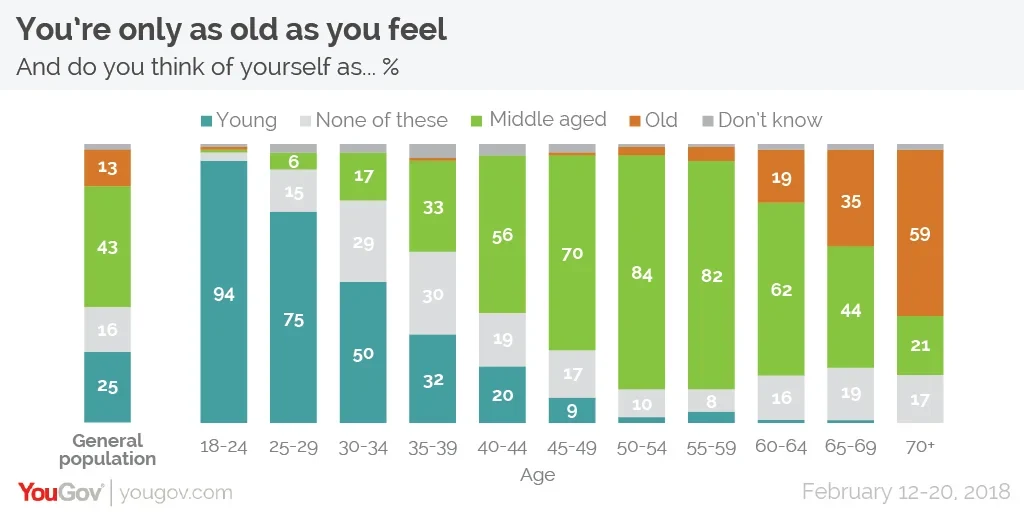
Understanding the age of youth is critical for brands because this demographic represents the “early adopters” who dictate trends, set cultural tones, and possess the highest lifetime value. To build a brand that resonates, one must look beyond the birth year and examine the intersection of cognitive development, economic independence, and digital fluency.
The Moving Target: Defining ‘Youth’ in Modern Brand Strategy
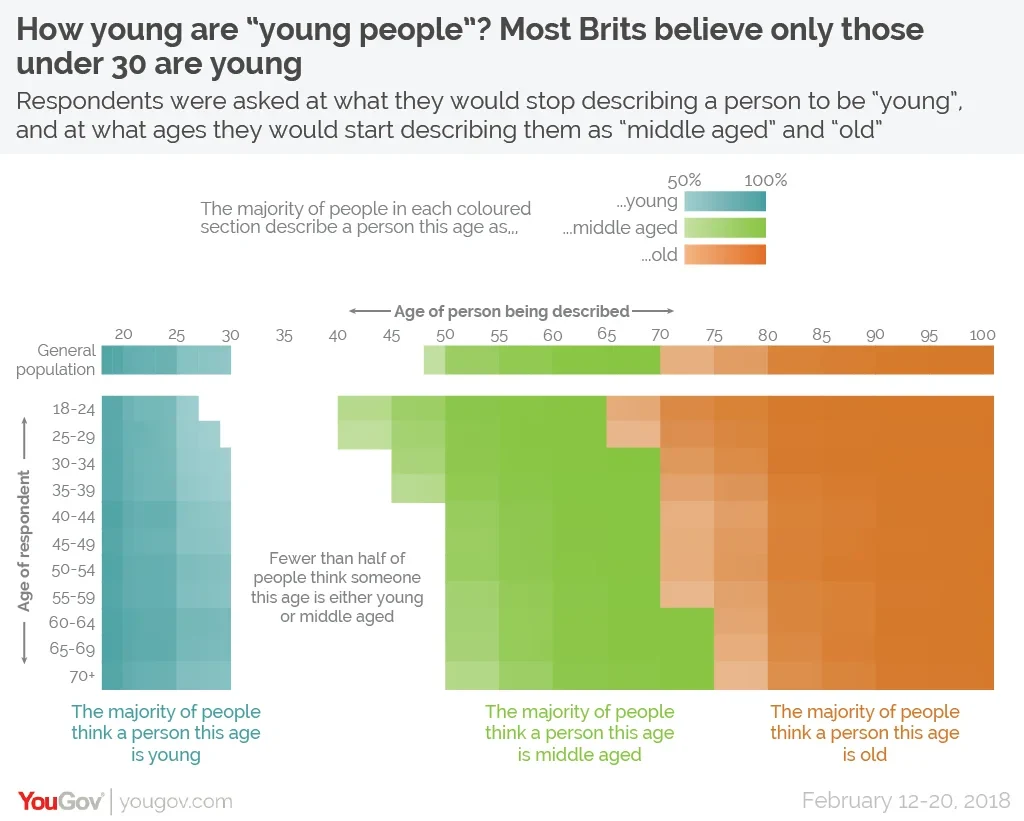
The standard definition of youth is undergoing a massive transformation. While government agencies might stick to the 15–24 range for policy reasons, brands often extend this definition to include “Emerging Adults” (up to age 30) and “Young Professionals.”
The Statistical vs. Behavioral Definition
From a traditional marketing perspective, the 18–34 demographic has long been the “holy grail.” However, within that decade-plus span, the behavioral differences are vast. A 19-year-old student and a 32-year-old mid-level manager may share a love for the same brand, but their motivations for purchase are entirely different. Brands must differentiate between “biological youth” (the teenage years) and “cultural youth” (those who participate in youth-led trends).
For a brand like Supreme or Off-White, “youth” is less about a specific age and more about an individual’s proximity to street culture. If a brand defines youth too narrowly, it risks alienating the “Zillennial” transition group—those caught between Gen Z and Millennials who possess significant discretionary income but still identify with youth-centric aesthetics.
Why the 18–24 Bracket is No Longer Enough
The elongation of adolescence is a documented sociological phenomenon. Due to economic factors, such as the rising cost of housing and extended periods of education, many traditional markers of adulthood (home ownership, marriage, career stability) are being delayed. This means that the “youth” phase of life—characterized by exploration, brand experimentation, and identity formation—now extends well into the late 20s.
Strategically, brands that stop targeting youth at age 24 are missing the “peak influence” years. By broadening the internal definition of youth to 15–30, a brand can capture a consumer during their formative years and maintain that relationship as they gain the financial power to become high-value customers.
Psychographics Over Demographics: The ‘Youth Mindset’
In the era of Big Data, smart brands are moving away from demographic targeting (age, gender, location) toward psychographic targeting (values, interests, lifestyle). When we ask what age is considered a youth, the brand-centric answer is often: “Anyone who prioritizes innovation, social expression, and digital integration.”
Digital Nativity as a Cultural Marker
The true hallmark of “youth” in the current marketplace is digital nativity. While older cohorts had to learn to navigate the digital world, “youth” consumers (Gen Z and the emerging Gen Alpha) were born into it. For these consumers, there is no distinction between their “online” and “offline” identities.
A brand’s digital infrastructure—its app UI, its social media responsiveness, and its presence in the metaverse—serves as the primary litmus test for whether it is perceived as a “youth brand.” If a brand’s digital experience feels clunky or outdated, it is immediately categorized as an “older” brand, regardless of the age of the person using it. To target youth effectively, a brand must speak the language of the digital native: short-form video, meme culture, and frictionless commerce.
Values-Driven Consumption: The New Youth Currency
One of the most significant shifts in youth branding is the move toward “conscious consumerism.” Modern youth are hyper-aware of a brand’s corporate social responsibility (CSR). They don’t just buy a product; they buy into a set of values.
Data shows that younger demographics are more likely to boycott brands that do not align with their views on sustainability, diversity, and social justice. In this context, “youth” is defined by a desire for transparency. Brands that attempt to “perform” youthfulness through trendy slang without backing it up with ethical business practices are quickly identified as “cringe.” Authenticity is the only currency that retains its value across the youth spectrum.

Case Studies in Youth Branding: Successes and Evolutions
To understand how the definition of youth impacts corporate identity, we can look at global leaders who have successfully navigated these demographic shifts.
Nike and the Perpetual Motion of Youth
Nike is perhaps the most successful brand in history at maintaining a “youthful” identity while celebrating its heritage. Nike defines youth not by a birth year, but by an athletic and rebellious spirit. By constantly partnering with young athletes, underground designers, and digital creators (such as their acquisition of RTFKT for virtual sneakers), Nike ensures that it remains at the center of the cultural conversation.
They understand that “youth” is a cycle of innovation. By staying ahead of the design curve and embracing new technologies like augmented reality (AR) in their retail spaces, they remain the default choice for 15-year-olds and 50-year-olds alike who want to feel connected to the “now.”
Luxury Brands and the ‘HENRY’ Phenomenon
The luxury sector has had to radically redefine its concept of youth. Historically, luxury was the domain of the established, older elite. Today, luxury brands like Gucci and Balenciaga have pivoted to target “HENRYs” (High Earners, Not Rich Yet). These are younger consumers, often in their 20s and early 30s, who are willing to spend a high percentage of their income on “flex” items that signal status within their peer groups.
By embracing “streetwear” aesthetics and collaborating with gaming platforms like Fortnite or Roblox, these luxury houses have lowered the perceived age of their brand. They have recognized that the “age of youth” is when brand aspirations are formed. If a teenager dreams of a Gucci belt, they are more likely to buy a Gucci bag when they reach their peak earning years.
Building Brand Loyalty That Outlasts the Youth Phase
The ultimate goal of any youth-centric brand strategy is to ensure that as the consumer ages, they don’t outgrow the brand. The transition from “youth” to “adult” consumer is a delicate period that requires a multi-tiered marketing approach.
The Transition Strategy: From Gen Z to Alpha
As Gen Z moves into the workforce, the “youth” spotlight is shifting toward Gen Alpha (those born approximately 2010–2025). Brands must now manage a dual strategy: maintaining the loyalty of the aging Gen Z while capturing the attention of the tech-saturated Gen Alpha.
The key to this transition is “progressive brand evolution.” A brand should offer different entry points for different stages of youth. For example, a skincare brand might offer affordable, acne-focused products for the 15-year-old demographic, while simultaneously marketing sophisticated “preventative” serums to the 25-year-old. The brand remains the same, but the product line matures alongside the consumer.
Avoiding the ‘Cringe’ Factor: Authentic Engagement
Nothing kills a brand’s “youth” appeal faster than trying too hard. The “cringe” factor occurs when a corporate entity attempts to use Gen Z slang or TikTok trends in a way that feels forced or patronizing.
To avoid this, brands must move from “marketing to” youth to “creating with” youth. This means hiring young creators, giving them creative control, and allowing for a level of irreverence that might feel uncomfortable in a traditional corporate boardroom. Youth branding is not about being perfect; it’s about being real. Brands that allow for vulnerability, humor, and community-led content are the ones that successfully bridge the gap between age groups.
Conclusion: Youth as a Strategic Horizon
When we analyze “what age is considered a youth,” we find that for the modern brand, youth is less of a number and more of a strategic horizon. It is a period of life characterized by high influence, digital mastery, and a demand for authenticity.
For a brand to stay relevant, it must treat youth as its North Star. By understanding the shifting boundaries of this demographic—extending it into the late 20s and early 30s through psychographic alignment—brands can build deeper, more meaningful connections. Whether it’s through the adoption of cutting-edge technology, a commitment to social values, or a willingness to evolve alongside their customers, the brands that “stay young” are the ones that recognize that youth is a mindset shared by anyone who looks toward the future rather than the past. In the end, the most successful brands don’t just sell to youth; they embody the spirit of youth in everything they do.
aViewFromTheCave is a participant in the Amazon Services LLC Associates Program, an affiliate advertising program designed to provide a means for sites to earn advertising fees by advertising and linking to Amazon.com. Amazon, the Amazon logo, AmazonSupply, and the AmazonSupply logo are trademarks of Amazon.com, Inc. or its affiliates. As an Amazon Associate we earn affiliate commissions from qualifying purchases.