
In the world of professional development and corporate identity, we often focus on LinkedIn profiles, resumes, and digital portfolios. However, one of the most enduring artifacts of an individual’s personal brand is often overlooked: the yearbook entry. Whether it is a high school graduation, the conclusion of a prestigious fellowship, or an annual corporate commemorative book, what you choose to write in a yearbook serves as a permanent record of your identity, values, and professional trajectory.
When considering what to write in a yearbook, one must move beyond the clichés of “stay cool” or “never change.” From a brand strategy standpoint, this space is a prime piece of real estate for defining how you want to be remembered and how you intend to be perceived by your network in the decades to come.

The Strategic Power of the Yearbook Message
A yearbook is more than a collection of photographs; it is a historical archive of a specific community at a specific moment in time. In the context of branding, it represents the “Initial Public Offering” of your persona to your peer group.
Redefining the Final Signature
In brand strategy, we often talk about the “Lasting Impression.” This is the psychological principle that people remember the end of an experience more vividly than the middle. Your yearbook message is your “exit interview” with your current peer group. By treating this message as a strategic brand statement, you ensure that your final interaction with your cohort is one of substance and intentionality. Instead of a generic quote, consider what unique value you brought to the community and how that can be encapsulated in a few sentences.
Your First Step in Long-Term Networking
We often view our classmates or colleagues as friends today, but in ten or twenty years, they will be CEOs, founders, investors, and industry leaders. A well-crafted yearbook entry serves as an early-stage networking tool. When a former peer opens that book years later, your message should remind them of your ambition, your character, or your specific expertise. You are not just writing for the person you are today; you are writing for the professional you are becoming.
Building Your Professional Identity in 100 Characters or Less
The challenge of the yearbook entry—much like a Twitter bio or a brand tagline—is brevity. You must distill a complex identity into a concise, impactful statement. This requires a deep understanding of your personal brand pillars.
Defining Your Personal Value Proposition
Every strong brand has a Value Proposition: a clear statement of what they offer and why it matters. When deciding what to write, ask yourself: What is the one thing I want people to associate with my name?
- If your brand is “The Innovator,” your message should reflect curiosity and forward-thinking.
- If your brand is “The Reliable Leader,” your message should focus on gratitude and the success of the collective group.
- If your brand is “The Creative Problem Solver,” use the space to showcase wit or a unique perspective.
Consistency Across Digital and Physical Media
In the modern era, personal branding requires omnichannel consistency. If a recruiter or a future business partner looks you up on LinkedIn and then happens to see your yearbook entry, there should be a logical thread connecting the two. While the yearbook allows for more warmth and personality than a resume, the core values—integrity, ambition, or creativity—should remain constant. Using the yearbook to reinforce these traits helps build a “brand narrative” that feels authentic and lived-in.
Practical Frameworks for High-Impact Yearbook Content

If you are struggling with the “blank page” syndrome, applying a branding framework can help organize your thoughts. Here are three strategic approaches to crafting a message that resonates.
The Future-Focused Vision Statement
This approach is ideal for individuals who want to signal ambition and direction. Instead of looking backward, look forward. A vision-based entry might look like: “To the class of 2024: May we all find the courage to disrupt the status quo and build the systems the future requires. See you at the top.” This positions the writer as a leader and a visionary, establishing a brand associated with growth and high expectations.
The Gratitude-Based Network Builder
In the corporate world, “Soft Power” is often driven by appreciation and emotional intelligence. A brand centered on collaboration is highly valuable. An entry using this framework might read: “Success is never a solo journey. I am deeply grateful for the mentors and peers who challenged my perspectives and sharpened my resolve. I look forward to watching this network change the world.” This signals that you are a “team player”—a vital trait in any professional environment.
The “Skill-Signal” Approach
For those who want to be remembered for a specific talent or niche, the “Skill-Signal” approach works best. This involves subtly highlighting a passion or expertise that you intend to carry into your career. For example: “From coding in the basement to launching our first app, this journey has been about the power of logic and design. Excited to take these tools into the next chapter.” This anchors your identity to a specific professional skill set.
Navigating the Intersection of Personality and Professionalism
One of the biggest mistakes in personal branding is being “all business.” A brand that lacks humanity is forgettable. The yearbook is the perfect place to blend your professional aspirations with your unique personality.
Authenticity as a Brand Asset
Authenticity is the cornerstone of modern marketing. People connect with people, not polished icons. When writing your entry, don’t be afraid to include a “human” element—a reference to a shared struggle, a specific inside joke (that remains professional), or a reflection on personal growth. A brand that feels “real” is far more trustworthy than one that feels manufactured. This balance shows that you possess high social intelligence, an attribute highly prized in executive leadership.
Avoiding “Brand Risks” in Permanent Print
In brand management, we must always consider “Crisis Mitigation.” A yearbook is a permanent, physical record. What seems like a hilarious joke today could be perceived as unprofessional or offensive a decade from now. When writing your message, apply the “New York Times Test”: Would I be comfortable seeing this message on the front page of a major newspaper in ten years? If the answer is no, edit it. Avoid polarizing political statements, overly aggressive humor, or anything that could be interpreted as a lack of maturity. Protect your future brand by exercising restraint in the present.
Long-Term ROI: How Your Yearbook Entry Scales Over Time
Investment in a personal brand is about long-term Return on Investment (ROI). The yearbook entry is a low-effort, high-longevity asset.
The Alumni Network Effect
Many of the world’s most powerful business networks—from the Ivy League to Silicon Valley incubators—rely on the shared history documented in these books. When you reach out to a former classmate for a referral or a partnership, your “entry” in their mind is often a combination of your reputation then and the message you left behind. By writing something insightful and professional, you are effectively “pre-warming” your future leads.
Archiving for Your Future Portfolio
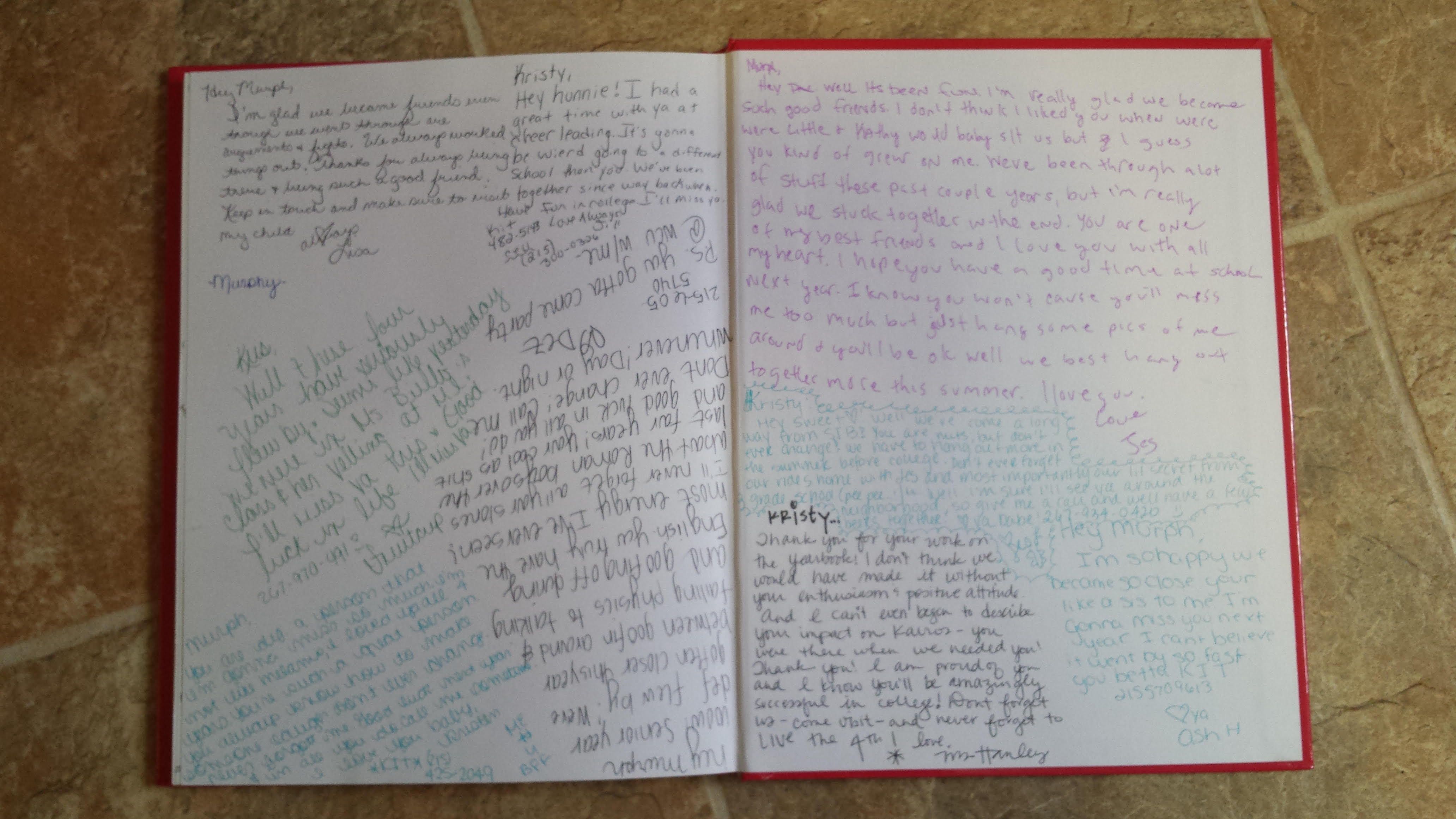
For creatives, writers, and marketers, every piece of public writing is a portfolio piece. Some professionals even include images of their yearbook quotes in their digital “About Me” pages or personal websites to show a consistent history of purpose and drive. It demonstrates that you didn’t just stumble into your success; you were intentional about your path from the very beginning.
Conclusion: Finalizing Your Brand Statement
What you write in a yearbook is the final stroke of a pen on a chapter of your life. By applying the principles of brand strategy—clarity, consistency, and vision—you transform a simple tradition into a powerful professional asset. Take the time to reflect on your core values, your future goals, and the legacy you wish to leave. In the end, your yearbook entry is not just a goodbye; it is an introduction to the professional you are destined to become. Write it with the future in mind.
aViewFromTheCave is a participant in the Amazon Services LLC Associates Program, an affiliate advertising program designed to provide a means for sites to earn advertising fees by advertising and linking to Amazon.com. Amazon, the Amazon logo, AmazonSupply, and the AmazonSupply logo are trademarks of Amazon.com, Inc. or its affiliates. As an Amazon Associate we earn affiliate commissions from qualifying purchases.