
In the world of marketing, a brand is often defined as the emotional and psychological relationship between a company and its customers. When translated to the professional sphere, your personal brand is the perception others hold of your skills, values, and potential. Perhaps the most critical moment in establishing this perception occurs when you are asked the deceptively simple question: “Tell me about yourself.”
While many approach this as a casual icebreaker, personal branding experts recognize it as a high-stakes opportunity to control your narrative. It is the “elevator pitch” that sets the tone for every subsequent interaction, whether you are in a job interview, a networking gala, or a strategic partnership meeting. To answer this question effectively, you must move beyond a chronological recitation of your resume and instead deliver a structured, compelling brand story that highlights your unique value proposition.
The Foundation: Defining Your Personal Brand Identity
Before you can articulate who you are to others, you must have a crystalline understanding of your own brand identity. In corporate branding, companies spend millions defining their mission and unique selling points. As an individual, you must perform a similar audit of your professional persona.
Identifying Your Unique Selling Proposition (USP)
Every strong brand has a USP—the specific trait or combination of skills that differentiates it from the competition. When someone asks you to tell them about yourself, they are not looking for a generalist; they are looking for a specialist who can solve a specific problem.
To identify your USP, look for the intersection of your greatest strengths and your most significant achievements. Are you the “turnaround specialist” who thrives in chaotic environments? Are you the “data-driven creative” who bridges the gap between analytics and design? Your answer should lead with this identity. Instead of saying, “I am a marketing manager,” a brand-focused response would be, “I am a strategic growth marketer focused on scaling SaaS startups through data-backed storytelling.”
Aligning Your Values with Your Professional Persona
A brand is more than just what you do; it is why you do it. Authenticity is a cornerstone of modern branding. When crafting your response, weave in your core professional values. If you value innovation, your narrative should highlight instances where you challenged the status quo. If you value collaborative leadership, your story should emphasize team successes. This alignment creates a sense of trust and consistency, making your personal brand feel “premium” and reliable to the listener.
The Architecture of a Perfect Personal Brand Pitch
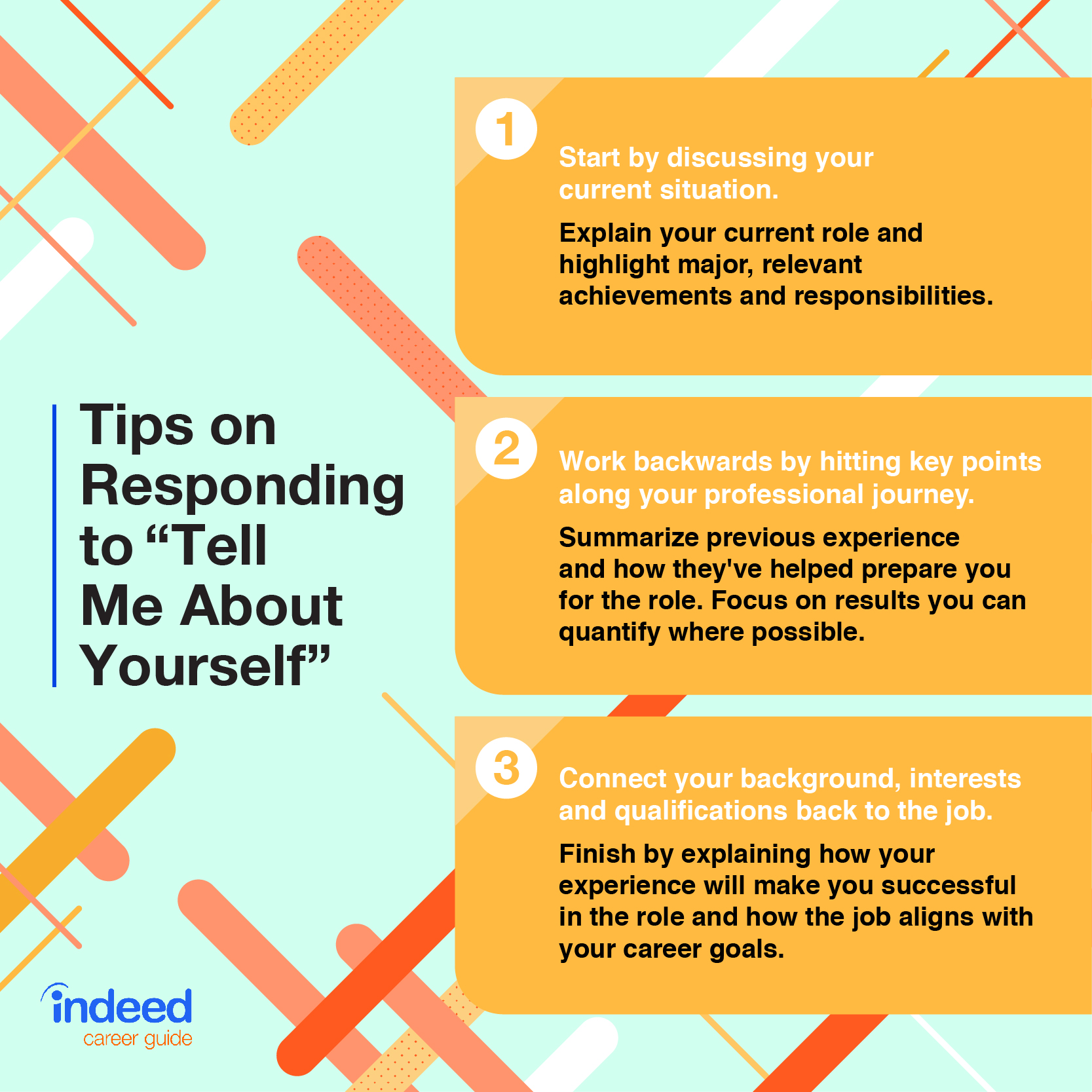
A common mistake in answering “Tell me about yourself” is the lack of structure, leading to rambling or irrelevant tangents. A brand-centric approach utilizes a proven three-part framework: The Past, The Present, and The Future. This structure provides a logical flow that guides the listener through your professional evolution.
The Past: Your Origin Story and Credibility
In branding, heritage matters. Consumers trust brands with a history of excellence. In your personal brand pitch, “The Past” serves as your proof of concept. You should briefly mention the foundational experiences that built your expertise.
However, the key is selectivity. You do not need to mention every internship you have ever held. Instead, choose one or two “hero moments” that establish your credibility. For instance, “I began my career in fast-paced agency environments, where I developed a knack for managing high-pressure deadlines and diverse client portfolios.” This provides the “why” behind your current expertise.
The Present: Current Impact and Authority
This is the “hero” section of your response. It should focus on what you are doing right now and the impact you are making. Avoid listing responsibilities; instead, focus on outcomes. Branding is about the promise of value, and your current role is the evidence that you can deliver on that promise.
Use “power verbs” and quantifiable results. Instead of saying, “I am currently in charge of sales,” say, “Currently, I lead a regional sales team where we recently achieved a 25% year-over-year increase in revenue by optimizing our CRM workflows.” This positions you as an authority figure within your niche.
The Future: Vision and Strategic Alignment
A brand that doesn’t look forward is a brand that is dying. The final piece of your answer should connect your current trajectory to the reason you are sitting in front of the listener. This is where you demonstrate strategic alignment.
Why are you here? What is the next chapter of your brand story? By articulating your future goals, you invite the listener to become a part of your narrative. For example, “Moving forward, I am looking to leverage my experience in digital transformation to help a legacy brand modernize its consumer touchpoints.” This shows that you are intentional, ambitious, and focused.

Tailoring Your Message for Different Brand Touchpoints
In marketing, a brand message must be adapted to the medium and the audience. A billboard conveys a different message than a social media post, yet both remain “on-brand.” Similarly, your response to “Tell me about yourself” must be tailored to the specific context of the interaction.
Networking Events and Industry Mixers
At a networking event, your brand needs to be accessible and conversational. You have roughly 30 to 60 seconds to make an impression before the conversation moves on. In this context, your answer should be punchy and focused on a “hook”—something that invites a follow-up question.
Instead of a deep dive into your technical skills, focus on the “Big Picture” of your brand. “I help tech companies translate complex code into human-centric stories,” is a perfect networking hook. It defines the brand, the audience, and the value in a single sentence.
High-Stakes Job Interviews and Boardrooms
In a formal interview, your personal brand must project professional maturity and direct relevance to the organization’s pain points. Here, you can expand your 1300-word mental blueprint into a detailed two-minute response.
The strategy here is “Brand-Role Fit.” Research the company’s brand identity beforehand. If the company brands itself as “Disruptive and Bold,” your answer should highlight your “Disruptive and Bold” career moves. If they brand themselves as “Stable and Trusted,” emphasize your longevity and consistency. You are essentially positioning your personal brand as the missing piece of their corporate puzzle.
Digital Presence: Translating the Pitch to LinkedIn
Your personal brand exists even when you aren’t talking. Your “Tell me about yourself” pitch should be the foundation of your LinkedIn “About” section and your professional headline. In the digital space, clarity beats cleverness. Use the same “Past-Present-Future” logic in your written bio to ensure that anyone who lands on your profile receives the same consistent brand message they would hear in person.
Common Branding Pitfalls to Avoid
Even the strongest brands can suffer from poor execution. When responding to this prompt, there are several “brand-diluting” behaviors to watch out for.
The “Resume Recitation” Trap
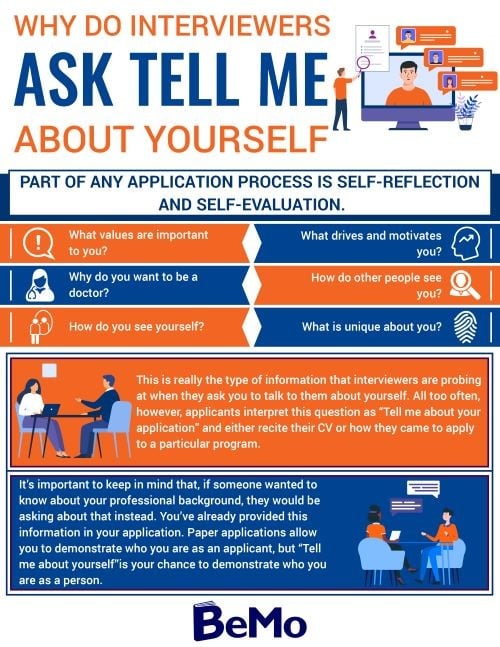
Nothing kills a personal brand faster than boredom. If you simply read your resume aloud, you are failing to provide any “value-add” to the conversation. The listener can already see your resume; they want to see the person behind the bullet points. Your brand is the narrative thread that connects those points. Don’t tell them where you worked; tell them how you evolved and what you mastered at each stop.
Lack of Focus and Brand Dilution
If a brand tries to be everything to everyone, it ends up being nothing to anyone. Attempting to list every skill you possess—from Python coding to flower arranging—dilutes your professional authority. Stay “on-brand.” If you are positioning yourself as a Financial Controller, mention your analytical prowess and your experience with audits. Unless your hobby directly contributes to your professional persona (e.g., a marathon runner highlighting discipline), it is usually better to leave it out of the initial pitch.
Refining the Delivery: Body Language and Verbal Brand Cues
Finally, a brand is experienced through more than just words. The “visual identity” of your personal brand includes your body language, tone of voice, and the confidence with which you speak.
The Importance of Non-Verbal Communication
In branding, consistency is key. If you claim to be a “high-energy leader” but speak in a low, monotonous mumble with slumped shoulders, your brand message is inconsistent. Ensure that your physical presence matches your verbal narrative. Maintain eye contact, use open gestures, and project a sense of calm authority. This non-verbal “packaging” reinforces the quality of the “product” (you).
Creating a Lasting Emotional Impression
People may forget exactly what you said, but they will never forget how you made them feel. This is a fundamental law of branding. When you answer “Tell me about yourself,” aim to leave the listener feeling inspired, impressed, or intrigued.
By framing your life and career as a strategic brand narrative, you transition from being just another candidate or contact into becoming a memorable, high-value professional. Mastering this question is the ultimate act of brand management—it is the moment you take control of your reputation and steer your career toward the opportunities you desire.
aViewFromTheCave is a participant in the Amazon Services LLC Associates Program, an affiliate advertising program designed to provide a means for sites to earn advertising fees by advertising and linking to Amazon.com. Amazon, the Amazon logo, AmazonSupply, and the AmazonSupply logo are trademarks of Amazon.com, Inc. or its affiliates. As an Amazon Associate we earn affiliate commissions from qualifying purchases.