
Wynwood, once a collection of derelict warehouses in the heart of Miami, has undergone a metamorphosis that serves as one of the most significant case studies in modern brand strategy. To the casual observer, it is a neighborhood of vibrant murals and trendy cafes. To the brand strategist, it is a masterclass in “place branding”—the intentional curation of an identity that transforms physical space into a high-value asset. Understanding what to do at Wynwood from a brand perspective requires looking past the paint to see the strategic architecture that has turned a zip code into a global powerhouse of corporate identity and experiential marketing.
The Power of Place Branding: How Wynwood Became a Global Identity
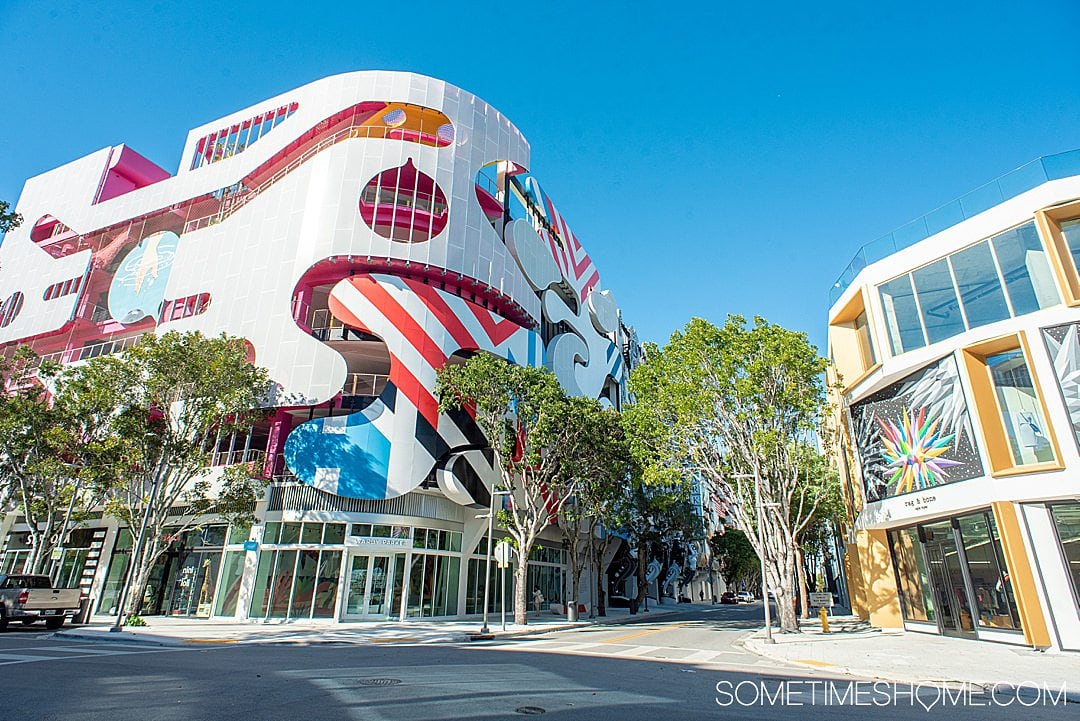
Place branding is the process of discovering, creating, and communicating a unique identity for a location to attract investment, talent, and tourism. Wynwood’s transformation was not accidental; it was a curated effort to build a brand from the ground up, utilizing art as the primary differentiator.
From Industrial Neglect to Visual Iconography
In the mid-2000s, Wynwood was a nondescript industrial district. The shift began when visionaries like Tony Goldman recognized that the windowless warehouse walls were not liabilities, but canvases. By treating the neighborhood as a curated outdoor museum rather than a series of disparate streets, the developers established a “Visual DNA.” This consistency in visual output—bold, large-scale, and high-quality—created a recognizable aesthetic that could be packaged and marketed worldwide. Today, the Wynwood “brand” is synonymous with raw creativity and urban edge, a feat achieved by maintaining strict control over the quality of the “content” (the murals) while allowing for organic community growth.
The “Wynwood Walls” as a Core Brand Asset
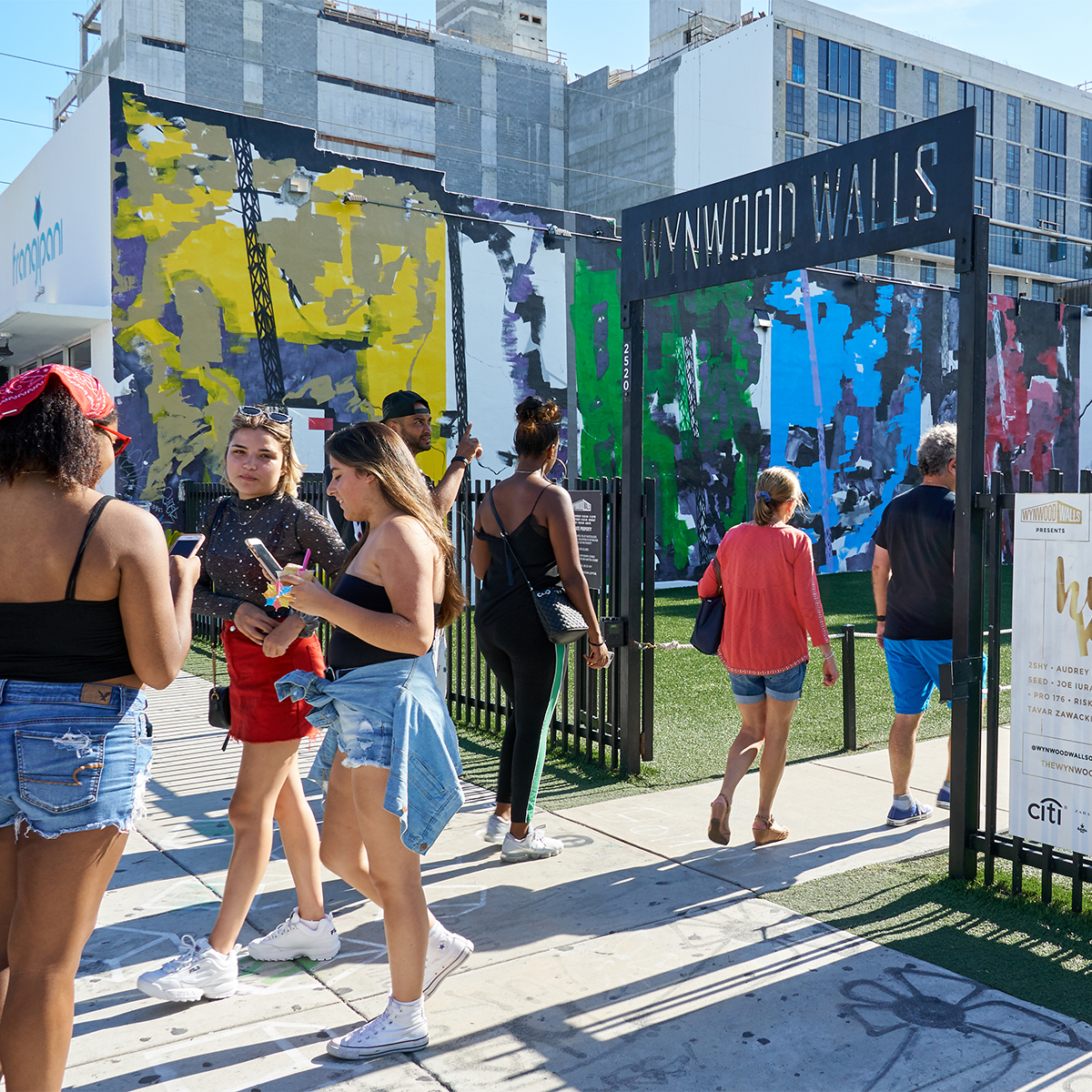
Every successful brand needs a flagship product. In Wynwood, that flagship is the “Wynwood Walls.” Established in 2009, this gated outdoor gallery serves as the brand’s headquarters. It provides a structured, high-conversion entry point for newcomers. By inviting world-renowned street artists to contribute, the developers leveraged “borrowed equity”—using the established reputations of artists like Shepard Fairey and Retna to validate the neighborhood’s brand. This strategy transformed a high-crime area into a must-visit destination, proving that when a brand provides enough cultural value, the consumer’s perception of risk and reward shifts entirely.
Strategic Aesthetic: Why Brands Choose Wynwood for Corporate Identity
For a modern corporation, establishing an authentic connection with a younger, more cynical demographic is a constant challenge. Wynwood offers a solution through its environment of “curated grit.” When a brand chooses to plant its flag in Wynwood, it is making a strategic decision to align its corporate identity with the neighborhood’s values of innovation, rebellion, and artistic excellence.
Leveraging Street Art for Authentic Consumer Connection
Traditional billboards are increasingly ignored by savvy consumers. However, in Wynwood, the “billboard” is the art itself. Major global brands—from BMW to Spotify—have moved into the district not just to open storefronts, but to commission murals. This is a subtle yet powerful form of brand integration. By contributing to the neighborhood’s aesthetic rather than merely extracting value from it, these companies earn “cultural capital.” The brand stops being an intruder and starts being a patron of the arts, a shift that significantly lowers consumer resistance and builds long-term brand loyalty.
High-End Retail Meets Gritty Sophistication
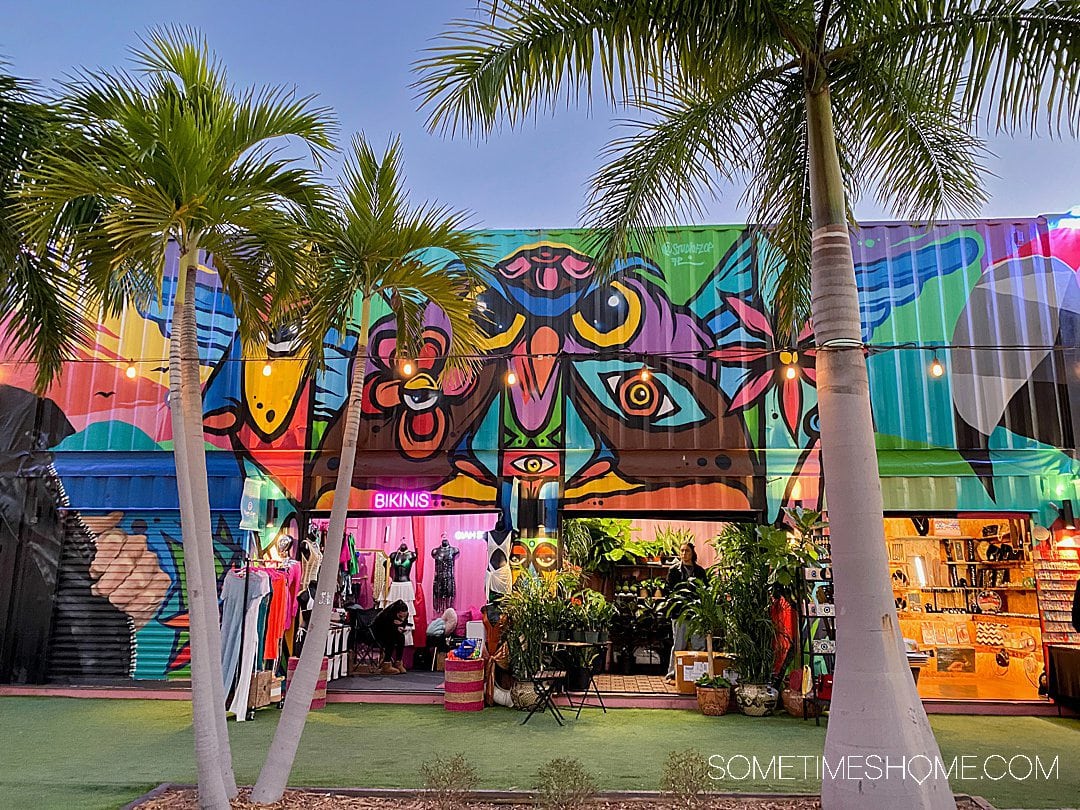
The evolution of Wynwood’s brand has reached a stage where “luxury” and “street” are no longer mutually exclusive. We see this in the arrival of high-end galleries and boutique retail spaces that maintain the industrial aesthetic. This “industrial-chic” brand identity allows businesses to charge premium prices while maintaining an aura of being “counter-culture.” This paradox is the holy grail of branding: the ability to scale and monetize while remaining perceived as “cool” and “authentic.” Businesses in Wynwood succeed by meticulously designing their physical spaces to reflect this duality, using exposed brick, polished concrete, and bold artwork to signal both quality and edge.
Experiential Marketing in the Wild: Lessons from the Wynwood Ecosystem
In the digital age, a brand is no longer just what you tell people; it is the experience you provide. Wynwood is perhaps the world’s most successful laboratory for experiential marketing, where the line between the physical and digital worlds is blurred through social-media-friendly environments.
Creating Instagrammable Moments as a Business Strategy
The “What to do at Wynwood” experience is intrinsically linked to digital sharing. Every mural, neon sign, and uniquely designed coffee shop serves as a backdrop for user-generated content (UGC). From a brand strategy perspective, this is genius-level efficiency. The neighborhood has incentivized its visitors to become its marketing department. By creating “Instagrammable moments” at every corner, Wynwood businesses ensure that their brand identity is broadcast globally every second of the day. This is a crucial lesson for modern brands: if your physical space doesn’t provide a compelling visual reason for a customer to take out their phone, you are missing out on free, high-trust marketing.
Pop-Up Culture and the Scarcity Principle
Wynwood thrives on the “Pop-Up” model. Because the neighborhood is in a constant state of flux—with murals being painted over and new galleries opening—it creates a sense of urgency. In marketing, this is known as the Scarcity Principle. Consumers are more likely to visit and engage when they feel the experience is temporary or exclusive. Brands utilize this by launching limited-edition product drops or short-term immersive installations in the district. This high-frequency change keeps the brand fresh and gives the audience a reason to return, preventing the “brand fatigue” that often plagues more traditional commercial districts.
Future-Proofing the Brand: Scaling Beyond the Walls
The greatest challenge for any successful brand is maintaining its soul while it scales. As Wynwood attracts more corporate investment and higher real estate prices, the “Wynwood Brand” faces the risk of dilution. Strategic management is required to ensure that the district doesn’t become a victim of its own success.
Maintaining Authenticity in a Commercialized Landscape
As big-box retailers and massive residential developments move in, the brand risks becoming “Disneyfied”—a sanitized version of its former self. To counter this, brand leaders in the area must focus on “Authenticity Management.” This involves protecting the core values that made the neighborhood famous: the support of local artists, the preservation of the industrial aesthetic, and the commitment to high-quality curation. Successful businesses in the area are those that integrate themselves into the community rather than imposing a generic corporate template. They use the neighborhood’s history as part of their storytelling, ensuring their brand narrative feels rooted in the local soil.
The Export of the Wynwood Aesthetic
The ultimate sign of a successful brand is its ability to be exported. We are now seeing the “Wynwood Effect” in cities around the world, from the Shoreditch district in London to the RiNo Art District in Denver. Developers are looking to Wynwood as a blueprint for how to use art and brand strategy to drive economic value. However, the lesson for brand strategists is that you cannot simply copy and paste a visual style; you must build an ecosystem. The “what to do” in Wynwood is more than just looking at art—it is participating in a living, breathing brand ecosystem that rewards creativity and values experience above all else.
In conclusion, Wynwood is much more than a destination for tourism; it is a sophisticated experiment in how brand identity can reshape the physical world. By focusing on curation, leveraging the power of experiential marketing, and strategically managing its visual assets, Wynwood has built a brand that is both globally recognized and locally impactful. For businesses and brand strategists, the lesson is clear: in a world of endless digital noise, the most powerful brands are those that create a physical sense of place, a visual language of their own, and a community that feels like it belongs to something bigger than a product. Whether you are walking through the Walls or designing a corporate strategy, the Wynwood blueprint offers an invaluable guide to building a brand that lasts.
aViewFromTheCave is a participant in the Amazon Services LLC Associates Program, an affiliate advertising program designed to provide a means for sites to earn advertising fees by advertising and linking to Amazon.com. Amazon, the Amazon logo, AmazonSupply, and the AmazonSupply logo are trademarks of Amazon.com, Inc. or its affiliates. As an Amazon Associate we earn affiliate commissions from qualifying purchases.