
In the landscape of modern branding, few assets are as potent as the ability to evoke a visceral emotional response. While many corporations spend millions on high-gloss advertisements and celebrity endorsements, the most enduring brands are built on a foundation of authentic storytelling and emotional vulnerability. A masterclass in this approach can be found not in a corporate boardroom, but in the discography of the indie-rock band Death Cab for Cutie—specifically their seminal track, “What Sarah Said.”
As a piece of intellectual property, “What Sarah Said” serves as a profound case study in brand positioning, narrative consistency, and the psychological mechanisms of audience loyalty. By examining the song through the lens of brand strategy, we can uncover how Ben Gibbard and his bandmates constructed a brand identity so resilient that it continues to resonate with consumers decades after its initial release.

The Anatomy of an Iconic Brand Identity
Brand identity is more than just a logo or a color palette; it is the “soul” of the organization as perceived by the public. For Death Cab for Cutie, the brand identity is synonymous with intellectualized melancholy, lyrical precision, and a specific type of Northwest-Pacific introspection. “What Sarah Said” is the pinnacle of this identity, serving as a flagship product that perfectly encapsulates the brand’s unique value proposition.
Defining the “Vulnerable” Brand Persona
In the mid-2000s, the music industry was saturated with high-energy pop-punk and emerging electronic influences. Death Cab for Cutie occupied a different niche: the vulnerable intellectual. By leaning into discomfort and the clinical realities of grief, the band carved out a “blue ocean” strategy—a market space where they had little direct competition because few other “brands” were willing to be that raw.
“What Sarah Said” does not shy away from the sterile, uncomfortable environment of a hospital waiting room. In branding terms, this is a commitment to authenticity. When a brand admits to the difficult parts of the human experience, it builds a level of trust with its audience that “perfect” brands can never achieve. This vulnerability becomes a competitive advantage, transforming the artist from a mere service provider into a trusted companion.
Consistency Across the Discography
A brand is only as strong as its consistency. If “What Sarah Said” had been released by a heavy metal band or a bubblegum pop star, it would have created “brand dissonance,” confusing the audience and diluting the message. However, because it fit perfectly within the established narrative of the album Plans, it reinforced the band’s core pillars.
Consistency in branding ensures that the consumer knows exactly what to expect. For Death Cab for Cutie fans, the expectation is a high-quality, emotionally taxing journey that rewards deep listening. By delivering on this promise consistently, the band built a “brand equity” that allowed them to survive the volatile shifts of the digital music revolution.
Narrative Marketing through Lyrical Storytelling
The most successful brands today are those that tell the best stories. Storytelling is the mechanism by which information is encoded into the human brain, and “What Sarah Said” is a masterclass in narrative structure. It moves from the specific—the “clatter of teaspoons” and the “fluorescent light”—to the universal: the realization that “love is watching someone die.”
Transcending Generic Messaging with Specificity
In marketing, generic messaging is where brands go to die. Saying “we care about our customers” is the brand equivalent of a song saying “I’m sad.” Neither leaves a lasting impression. Conversely, the power of “What Sarah Said” lies in its brutal specificity. The description of the “upholstery vinyl” and the “magazines that are six months old” creates a vivid mental image that anchors the listener in a specific moment.
For a brand, this highlights the importance of “show, don’t tell.” Instead of claiming to be innovative, a brand should describe the specific problem they solved and the minute details of how they did it. Specificity builds credibility. When a listener hears the detailed observations in Gibbard’s lyrics, they believe the emotion behind them. Similarly, when a brand provides detailed, transparent insights into their process, the consumer believes in the product.
Creating Emotional High-Stakes for the Audience
Great brands create a sense of stakes. They make the consumer feel that by choosing this product or service, they are participating in something meaningful. “What Sarah Said” raises the stakes to the highest possible level: the end of a life and the weight of love.
The song’s climax—the realization that “love is watching someone die”—is essentially a brand’s mission statement refined into a single, devastating sentence. It provides a “North Star” for the entire experience. In professional branding, having a clear, high-stakes mission statement allows the audience to align their own values with the brand’s, fostering a sense of shared purpose.
The Power of Distinctiveness in a Crowded Market
In a world of infinite choices, distinctiveness is the only way to avoid commoditization. If a brand is not distinct, it is forced to compete on price (or in the music world, on “catchiness”). “What Sarah Said” avoided the commoditization trap by being intentionally difficult and unapologetically somber.
Positioning Against Mainstream Trends
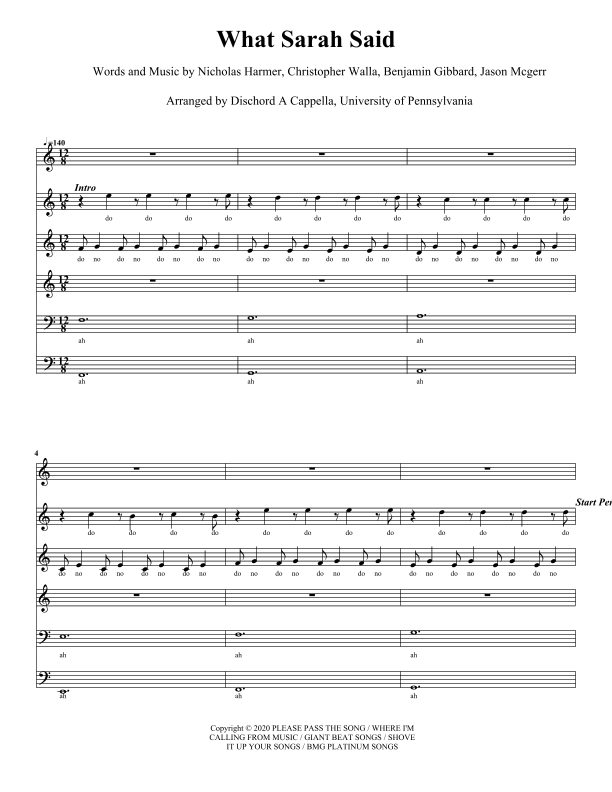
At the time of its release, the “radio-friendly” formula demanded upbeat choruses and high-tempo arrangements. “What Sarah Said” is a slow burn, built on a repetitive, hypnotic piano line that mimics the ticking of a clock or the steady drip of an IV. This was a deliberate positioning move.
By zigging while others zagged, the band established themselves as an “anti-commodity.” They weren’t just another band on the radio; they were a destination for a specific emotional need. This is a critical lesson for personal and corporate branding: do not try to be everything to everyone. By being the best at one specific, even if uncomfortable, niche, you create a dedicated “tribe” of followers who will support the brand for a lifetime.
Building Community through Shared Emotional Experiences
One of the hallmarks of a “Cult Brand” (a term used to describe brands with intense fan loyalty, like Apple or Harley-Davidson) is the creation of a shared experience. “What Sarah Said” has become a communal touchstone for anyone who has experienced loss.
When fans gather at a concert and hear the opening notes of that piano melody, there is a collective intake of breath. This is the ultimate goal of community-led branding. The brand (the band) provides the platform (the song) for the audience to process their own lives. In this way, the brand becomes an integral part of the consumer’s identity. They aren’t just fans of Death Cab for Cutie; they are people who “get it.”
Brand Longevity and the Legacy of “Plans”
The longevity of a brand is measured by its “staying power”—the ability to remain relevant across different eras and demographic shifts. “What Sarah Said” is nearly twenty years old, yet it remains a staple of modern playlists and cultural discussions. This is not an accident; it is the result of a brand built on timeless values rather than temporary trends.
Evolving While Staying True to Core Values
As Death Cab for Cutie evolved, their sound changed, and members came and went. However, the “brand promise” established by tracks like “What Sarah Said” remained intact. They never chased a trend that would have alienated their core base.
For a corporate brand, evolution is necessary, but it must be anchored by core values. If a brand changes its identity too drastically to follow a market trend (such as a sudden pivot to AI or the Metaverse without a logical connection to their previous work), they risk losing the trust of their legacy customers. Death Cab for Cutie’s brand longevity is a result of their ability to grow older with their audience while keeping the emotional “hook” consistent.
How “What Sarah Said” Became a Cultural Touchpoint
A brand reaches its peak when it becomes a “cultural touchpoint”—a reference that people use to describe a specific feeling or situation. “What Sarah Said” is often cited in literature, film, and social media as the definitive expression of “waiting-room anxiety” and the cost of deep connection.
Achieving this level of brand penetration requires more than marketing; it requires a deep understanding of the human condition. The song doesn’t just market an emotion; it defines it. For professionals in the brand strategy space, the lesson is clear: the most valuable brands are those that help us understand ourselves better.

Conclusion: The ROI of Emotional Authenticity
In the final analysis, “What Sarah Said” is more than just a song; it is a high-performing asset within the Death Cab for Cutie brand portfolio. It has generated immense “Return on Investment” not just in terms of streaming royalties, but in terms of brand loyalty, cultural relevance, and artistic legacy.
For marketers, brand managers, and entrepreneurs, the lessons are clear. To build a brand that lasts:
- Embrace Vulnerability: Authenticity is the ultimate differentiator in a world of curated perfection.
- Focus on Specificity: Use detailed storytelling to build credibility and anchor your brand in the consumer’s mind.
- Position Distinctively: Don’t be afraid to be “difficult” or “niche” if it means being the best at what you do.
- Prioritize the Audience’s Journey: Create assets that allow your audience to see themselves in your brand’s narrative.
“What Sarah Said” reminds us that at the heart of every great brand is a truth—sometimes painful, always honest—that resonates across the human experience. When you find that truth, you don’t just have a product; you have a legacy.
aViewFromTheCave is a participant in the Amazon Services LLC Associates Program, an affiliate advertising program designed to provide a means for sites to earn advertising fees by advertising and linking to Amazon.com. Amazon, the Amazon logo, AmazonSupply, and the AmazonSupply logo are trademarks of Amazon.com, Inc. or its affiliates. As an Amazon Associate we earn affiliate commissions from qualifying purchases.