
Plaster, in its myriad forms, has been a foundational element in architecture, art, and construction for millennia. Far from being a mere utilitarian covering, its appearance can range from starkly minimalist to sumptuously ornate, influencing the entire character of a space. But “what does plaster look like?” is a question that invites a far more complex answer than a simple visual description. It delves into material science, historical craftsmanship, and increasingly, the cutting edge of technology, brand identity, and financial implications. For professionals and enthusiasts alike, understanding plaster extends beyond its surface, touching upon its role in creating brand experiences, driving economic value, and adapting to a technologically advanced future.
The Tangible Aesthetics: Decoding Plaster’s Visual Spectrum
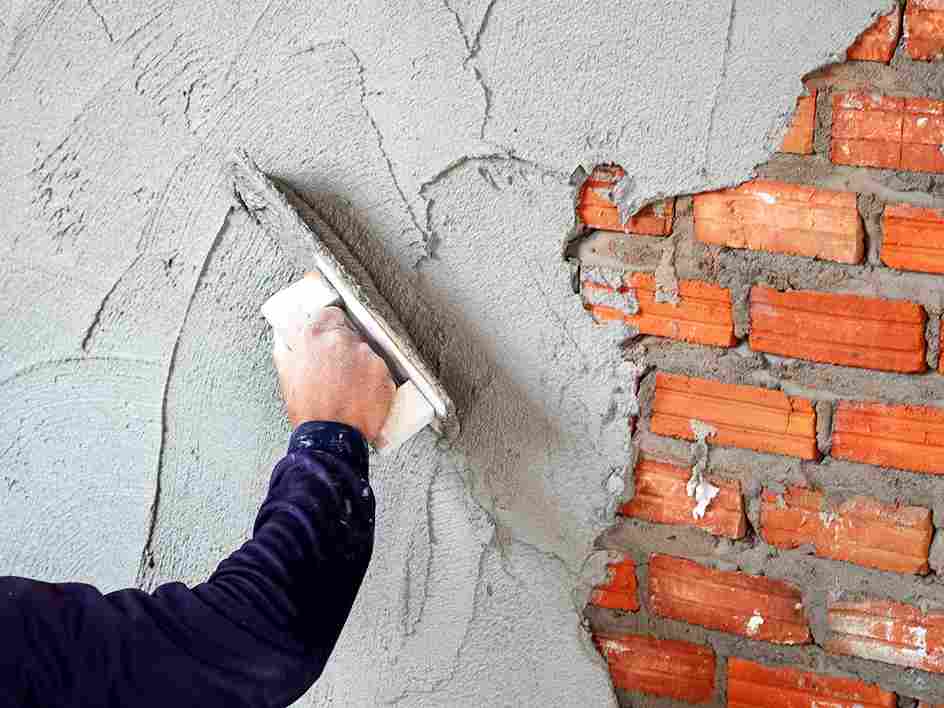
At its most fundamental, plaster is a building material used for coating walls and ceilings, often made from gypsum, lime, or cement, mixed with water and applied in a wet paste that hardens. Its appearance is profoundly shaped by its composition, application method, and the specific finish desired.
The Classic Canvas: Gypsum, Lime, and Cement Plasters
The most common types of plaster each present a distinct visual and textural profile. Gypsum plaster, widely used in modern construction for its ease of application and quick setting time, typically cures to a smooth, hard, off-white or light grey surface. Its appearance is often uniform and consistent, providing a pristine, ready-to-paint canvas. When left unpainted, it offers a soft, matte finish that diffuses light gently, creating a subtle backdrop for interiors. Small imperfections might show through if not meticulously sanded, but a well-executed gypsum plaster wall appears seamless and refined.
Lime plaster, a more traditional and breathable material, offers a more organic and nuanced aesthetic. Often found in historic buildings, it cures to a naturally warmer, often slightly mottled white or off-white hue. Its texture can range from buttery smooth (especially when burnished) to subtly irregular, depending on the aggregate and technique. The inherent translucency of lime allows for a greater depth of color if pigments are added, and its appearance can change subtly with ambient light, offering a living, evolving surface. Hairline cracks, a natural characteristic of lime, can sometimes develop, contributing to its authentic, aged charm rather than being seen as a flaw.
Cement plaster, or stucco when applied externally, is characterized by its robust, often coarser appearance. Typically grey, reflecting its cement base, it can also be pigmented. Its texture is generally rougher and more industrial than gypsum or lime, though various aggregates and troweling techniques can achieve smoother or more textured finishes, such as a “sand finish” or “dash finish.” Cement plaster offers a strong, durable, and weather-resistant surface, often seen in exterior applications or areas requiring high impact resistance, conveying a sense of solidity and permanence.
Beyond the Basics: Decorative and Specialty Finishes
Beyond these fundamental types, the world of plaster explodes into an array of decorative and specialty finishes that radically transform its appearance. Venetian plaster, for example, is a classic technique using lime-based putty to create a highly polished, multi-layered finish with incredible depth and sheen, mimicking the look of polished marble. Its appearance is characterized by subtle color variations and a lustrous, almost liquid-like reflection, making it a hallmark of luxury and sophistication. Similarly, Marmorino offers a slightly less polished, more matte version of the same aesthetic, with a soft, cloud-like movement.
Tadelakt, an ancient Moroccan lime plaster, is famed for its smooth, undulating, and waterproof surface, often seen in bathrooms and spas. Its appearance is incredibly tactile, with a soft sheen and a slight visual “cushioning” effect, lending an organic, handcrafted feel. Other specialized plasters might incorporate aggregates like mica or straw for unique textural effects, or be pigmented to achieve vibrant hues directly within the material, eliminating the need for paint. These techniques allow plaster to become a primary design element, shifting from a background material to a focal point, capable of evoking specific cultural styles, moods, or levels of opulence.
When Plaster Tells a Story: Signs of Age and Craftsmanship
The appearance of plaster isn’t static; it evolves with time and tells a story of its history and the hands that applied it. Old plaster, especially lime plaster, might exhibit a beautiful patina, a softening of color, and a subtle wear that speaks of decades or centuries of life. Minor cracking, or “crazing,” can appear, creating a fine network that some consider adds character. Repairs, if done skillfully, can seamlessly blend with the original, or if done poorly, stand out as visible patches.
The quality of craftsmanship is also immediately evident in plaster’s appearance. A master plasterer can achieve seamless transitions, perfectly flat or gracefully curved surfaces, and intricate decorative motifs with breathtaking precision. Conversely, amateur work might show trowel marks, unevenness, or visible joints. The ability to discern these nuances is key to appreciating plaster not just as a material, but as a testament to skill, heritage, and the enduring beauty of handcrafted surfaces.
The Tech-Infused Future: How Innovation is Reshaping Plaster’s Form and Function
While plaster has ancient roots, its future is increasingly intertwined with modern technology. From how it’s designed and applied to its intrinsic properties, technological advancements are revolutionizing what plaster looks like and what it can do.
Digital Design & Visualization: Seeing Plaster Before It’s Applied
The first point of intersection between plaster and technology lies in the design phase. Architectural firms and interior designers now extensively use CAD (Computer-Aided Design) and BIM (Building Information Modeling) software to plan and visualize spaces, including the specifications for plaster finishes. This allows for precise calculations of material quantities, exact detailing of curves and angles, and even the simulation of how different plaster textures and colors will interact with lighting conditions. 3D rendering and virtual reality (VR) tours take this a step further, enabling clients to “experience” a space with its specified plaster finishes before any physical work begins. This virtual prototyping allows for iterative design changes, ensuring the final plaster aesthetic perfectly aligns with the project’s vision, minimizing costly on-site adjustments. Furthermore, 3D printing technology is beginning to be used for creating intricate plaster molds for decorative elements, offering custom designs that were previously painstakingly hand-carved, making bespoke architectural details more accessible and precise.
Smart Materials & Application Robotics: The Evolution of Plaster Itself
The very composition of plaster is undergoing a technological transformation. Researchers are developing “smart plasters” that integrate sensors or exhibit advanced functional properties. Imagine plaster that can monitor internal wall moisture content to prevent damp, or even self-healing plasters that can automatically repair hairline cracks, maintaining a pristine appearance over a longer lifespan. Conductive plasters, embedded with nanoparticles, could potentially create surfaces that power low-voltage devices or serve as touch-sensitive interfaces, blurring the lines between structural material and interactive technology.
The application process itself is seeing a rise in automation. Robotic plastering machines are being developed and deployed, especially in large-scale commercial projects, to apply plaster with unparalleled speed, consistency, and precision. These robots can navigate complex geometries, apply multiple coats uniformly, and significantly reduce the physical strain on human workers. While specialized decorative finishes will likely always require the artisan’s touch, robotic systems can handle the bulk of standard applications, ensuring a consistently smooth and uniform base coat, which directly impacts the final visual quality of the plaster. Drones equipped with high-resolution cameras are also being used for inspecting plasterwork on tall buildings, identifying defects or areas needing repair with greater safety and efficiency.
AI and Data for Quality & Efficiency: Refining the Plastering Process
Artificial intelligence (AI) is poised to further enhance the quality and efficiency of plasterwork. AI-powered image recognition systems can be trained to detect subtle imperfections in applied plaster, such as unevenness, minor cracks, or inconsistencies in texture, even before they are visible to the untrained human eye. This allows for immediate remediation, ensuring a higher standard of finish. Data analytics, gathered from material performance, application conditions, and long-term durability, can inform the development of improved plaster formulations, making them more resilient, sustainable, and aesthetically consistent. AI can also optimize project scheduling and material ordering for plastering jobs, reducing waste and improving overall project timelines. This integration of data and AI not only refines the aesthetic outcome of plaster but also contributes to more sustainable and cost-effective construction practices.

Plaster as a Brand Statement: Crafting Identity and Reputation
In the realm of branding, whether for a corporation, an individual, or a product, every visual and tactile element contributes to a narrative. Plaster, often perceived as a background material, actually plays a significant, albeit subtle, role in shaping brand identity and reputation.
Architectural Identity: Plaster’s Role in Building Design and Brand Perception
For businesses, the physical spaces they occupy are crucial extensions of their brand. The choice of plaster finish can dramatically influence a customer’s perception of a brand. A high-end boutique or luxury hotel might opt for the rich, polished depth of Venetian plaster or Marmorino, instantly conveying opulence, sophistication, and attention to detail. This choice reinforces a brand that values craftsmanship, quality, and an elevated customer experience. Conversely, a minimalist tech startup might choose a perfectly smooth, unpainted gypsum plaster, creating a clean, understated aesthetic that communicates innovation, transparency, and a focus on essential functionality.
In hospitality, the warm, organic feel of a tadelakt or a subtly textured lime plaster can evoke a sense of calm, authenticity, and connection to nature, aligning with eco-conscious or wellness-focused brands. Historic preservation brands often choose traditional lime plasters not just for authenticity but to signal respect for heritage and enduring quality. In essence, plaster isn’t just a wall covering; it’s a silent communicator, setting the mood and informing expectations, directly impacting how a brand is perceived by its clientele.
The Artisan’s Mark: Personal Branding Through Plaster Craft
For individual plasterers and decorative artisans, their work is their personal brand. Specialists in challenging techniques like fresco restoration, intricate cornices, or bespoke Venetian plaster installations build formidable reputations based on their unique skill and artistic vision. Their “look” is in the flawless execution, the distinct sheen of their polished surfaces, or the authentic texture of their lime washes. These artisans market themselves not just on ability but on the unique aesthetic they bring to a project.
Platforms like Instagram, Pinterest, and personal websites become vital tools for showcasing their portfolio, illustrating their expertise, and demonstrating the transformative power of their plasterwork. Testimonials from satisfied clients and high-quality photography of their finished projects are crucial for building trust and attracting new clients who seek that specific level of artistry. This is where personal branding merges with the tangible appearance of plaster – the artisan’s brand becomes synonymous with the exquisite look of their work.
Product Branding and Market Differentiation: The Plaster Manufacturer’s Edge
Plaster manufacturers themselves heavily rely on branding to differentiate their products in a competitive market. Companies might brand their gypsum plaster as “ultra-smooth finish,” “crack-resistant,” or “eco-friendly,” highlighting specific attributes that appeal to contractors, architects, or environmentally conscious consumers. Brands specializing in decorative plasters often create proprietary formulations and unique color palettes, building a reputation around distinct aesthetics – perhaps an “ancient mineral finish” or a “contemporary concrete look” plaster.
Their branding extends to the packaging, marketing materials, and demonstration videos that showcase the ideal “look” of their product when properly applied. Technical specifications, certifications (e.g., low VOC, fire-rated), and performance guarantees also contribute to a manufacturer’s brand reputation, assuring customers of consistent quality and reliable aesthetic outcomes. In a market where appearance is paramount, a manufacturer’s brand promises a specific visual result, fostering trust and loyalty among professionals.
The Financial Facets: Plaster’s Impact on Investment, Income, and Opportunity
Beyond its aesthetic and technical dimensions, plaster has significant financial implications, affecting everything from property values and project budgets to entrepreneurial ventures and online income streams.
Cost vs. Value: Understanding the Economic Equation of Plaster
When considering plaster, particularly in renovation or new construction, the initial cost is a key factor. Standard gypsum plaster is generally the most economical choice for basic wall and ceiling finishes, offering a good balance of cost-effectiveness and a clean, paintable surface. However, decorative or specialty plasters like Venetian plaster, Tadelakt, or custom-textured finishes come with a higher price tag. This increased cost is due to the premium materials, the labor-intensive, multi-stage application process, and the specialized skills required of the plasterers.
The “look” of these premium plasters translates directly into increased property value and enhanced market appeal. In high-end residential or commercial properties, the presence of luxurious plaster finishes can be a significant selling point, justifying a higher price. They contribute to a perception of quality, craftsmanship, and timeless elegance that cheaper alternatives cannot replicate. Investing in durable, high-quality plaster also reduces long-term maintenance costs and the frequency of re-painting, offering a better return on investment over the lifespan of a property. For commercial spaces, a distinctive plaster finish can draw customers, enhance brand perception, and ultimately contribute to business success, demonstrating the non-tangible yet very real value of aesthetics.
Plastering as a Lucrative Trade and Business Venture
For skilled tradespeople, plastering offers a robust and often lucrative career path. The demand for experienced plasterers, especially those proficient in specialty techniques, remains strong. A master plasterer can command premium rates for their expertise in creating bespoke finishes, restoring historic plasterwork, or executing complex architectural details. Starting a plastering business, whether as a sole proprietor specializing in residential renovations or a larger contractor taking on commercial projects, can be highly profitable.
Key to success in this business is not just the technical skill but also business acumen: effective project management, accurate bidding, client communication, and smart marketing. The appearance of their past work, showcased through professional portfolios, is critical for attracting new clients. Business finance management, including budgeting for materials, labor, insurance, and equipment, is essential for maintaining profitability. The ability to consistently deliver high-quality, visually appealing plasterwork directly underpins the financial success and reputation of a plastering enterprise.

Monetizing Plaster Expertise in the Digital Age
The digital landscape has opened up new avenues for monetizing expertise related to plaster, extending beyond traditional on-site work. For those with deep knowledge of plaster materials, techniques, and aesthetics, online income opportunities abound:
- Online Courses and Tutorials: Creating and selling comprehensive video courses on specific plastering techniques (e.g., “Beginner’s Guide to Gypsum Plaster,” “Mastering Venetian Plaster,” “DIY Lime Wash Finishes”) can generate passive income. These courses cater to both aspiring professionals and homeowners looking to tackle projects themselves.
- Content Creation (Blogs, YouTube, Social Media): Developing engaging content around “what plaster looks like,” different finishes, application tips, historical context, and modern innovations can attract a significant audience. This audience can then be monetized through advertising revenue, sponsored content from plaster manufacturers, or affiliate marketing for tools and materials.
- Consultation Services: Experts can offer online consultations to architects, designers, or homeowners struggling with plaster choices, repair challenges, or aesthetic decisions, providing guidance on material selection, finish options, and troubleshooting.
- E-commerce: Selling specialized plaster tools, custom pigment blends, or even small decorative plaster items online can tap into a niche market. This might include curated kits for specific decorative plaster finishes or artisan-made plaster art pieces.
- Digital Products: Creating and selling eBooks, detailed guides, or even digital templates for plaster detailing can provide another income stream for those with design and technical expertise.
In conclusion, “what does plaster look like?” is a question that, when fully explored, reveals a material far richer and more dynamic than its humble origins suggest. From its foundational aesthetic qualities and the artistry of its application to the integration of cutting-edge technology, its role in brand identity, and its multifaceted financial implications, plaster continues to be a central player in how we shape, experience, and value our built environment. For anyone invested in architecture, design, technology, branding, or finance, understanding the many faces of plaster is not just about appreciating its appearance, but recognizing its enduring impact.
aViewFromTheCave is a participant in the Amazon Services LLC Associates Program, an affiliate advertising program designed to provide a means for sites to earn advertising fees by advertising and linking to Amazon.com. Amazon, the Amazon logo, AmazonSupply, and the AmazonSupply logo are trademarks of Amazon.com, Inc. or its affiliates. As an Amazon Associate we earn affiliate commissions from qualifying purchases.