
Lupus is a chronic autoimmune disease that can affect various parts of the body, leading to inflammation and damage in joints, skin, kidneys, blood cells, brain, heart, and lungs. While there is no cure for lupus, several treatment options aim to manage its symptoms, reduce inflammation, and prevent flares. Among these, Plaquenil (hydroxychloroquine) stands out as a cornerstone therapy for many individuals diagnosed with this complex condition. But what exactly does Plaquenil do for lupus? This article will delve into the mechanisms by which this medication helps, its broad impact on lupus symptoms, and how it fits into a comprehensive treatment plan, all while keeping in mind the underlying principles of effective management and long-term well-being, mirroring the strategic thinking often applied in technology, brand building, and financial planning.
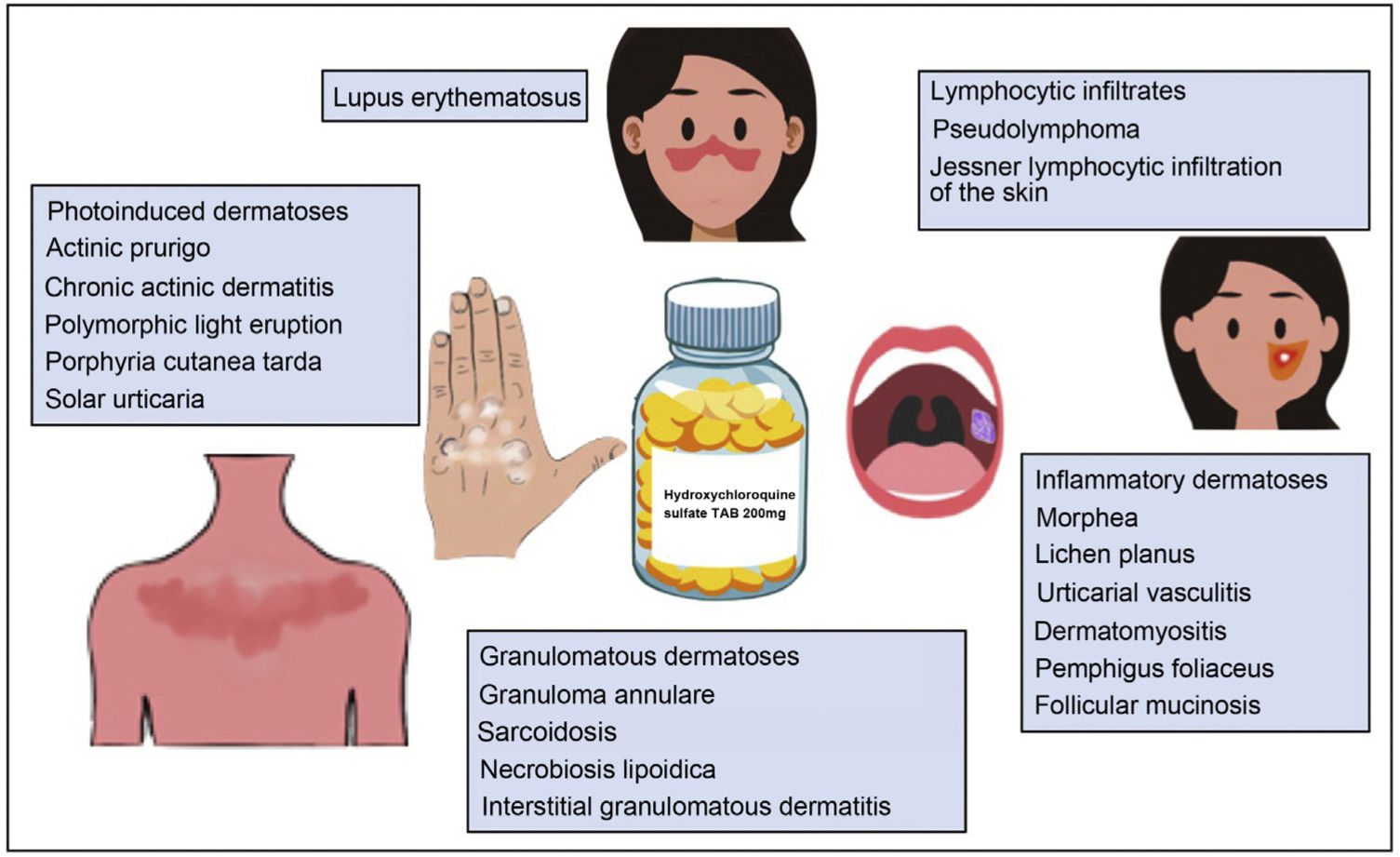
Understanding Lupus: The Immune System’s Misdirection
Before we can fully appreciate Plaquenil’s role, it’s essential to grasp the fundamental nature of lupus. In a healthy body, the immune system acts as a vigilant defender, distinguishing between foreign invaders like bacteria and viruses, and the body’s own healthy cells. In individuals with lupus, this intricate system malfunctions. The immune system mistakenly identifies the body’s own tissues as foreign and launches an attack, leading to inflammation and tissue damage. This autoimmune response can manifest in a wide array of symptoms, making lupus a notoriously challenging disease to diagnose and manage.
The chronic inflammation associated with lupus can lead to a cascade of problems:
- Joint pain and swelling (arthritis): A common and often debilitating symptom.
- Skin rashes: Butterfly-shaped rash across the face, discoid lupus lesions, or photosensitivity (rash triggered by sunlight).
- Fatigue: Profound and persistent tiredness that is not relieved by rest.
- Kidney problems (lupus nephritis): Can range from mild to severe and is a significant concern for long-term health.
- Neurological issues: Headaches, seizures, or cognitive difficulties.
- Blood disorders: Anemia, low white blood cell count, or low platelet count.
- Cardiovascular complications: Inflammation of the heart lining, blood clots, or accelerated atherosclerosis.
The variability in how lupus presents itself means that treatment strategies must be highly individualized. This is where medications like Plaquenil come into play, aiming to “re-educate” or modulate the overactive immune system.
The Multifaceted Action of Plaquenil in Lupus Management
Plaquenil, a medication that has been used for decades, is a type of antimalarial drug that also possesses potent anti-inflammatory and immunomodulatory properties. While its exact mechanisms in lupus are not fully understood, research has pointed to several key ways it exerts its beneficial effects:
Modulating Immune Cell Activity
One of the primary ways Plaquenil is believed to work is by influencing the behavior of immune cells involved in the autoimmune attack. It can affect the function of lymphocytes, a type of white blood cell crucial for the immune response. By altering the signaling pathways within these cells, Plaquenil can help to dampen their overzealous activity and reduce the production of autoantibodies – the rogue proteins that target the body’s own tissues.
Reducing Inflammation
Inflammation is the hallmark of lupus, causing the pain, swelling, and tissue damage characteristic of the disease. Plaquenil has demonstrated significant anti-inflammatory properties. It can interfere with the release of inflammatory mediators and cytokines, chemical messengers that promote inflammation throughout the body. By reducing this inflammatory cascade, Plaquenil helps to alleviate symptoms like joint pain, fatigue, and skin rashes.
Protecting Against Photosensitivity and Skin Manifestations
Many individuals with lupus experience heightened sensitivity to sunlight, which can trigger or worsen skin rashes and flares. Plaquenil has a notable protective effect against photosensitivity. It is thought to absorb ultraviolet (UV) light, preventing it from reaching and damaging skin cells. This can lead to fewer sun-induced rashes and a reduction in the severity of existing skin lesions, contributing to a better quality of life.
Preventing Organ Damage
Perhaps one of the most critical roles of Plaquenil in lupus is its ability to help prevent or slow down organ damage, particularly in the kidneys. Lupus nephritis, or inflammation of the kidneys, is a serious complication that can lead to kidney failure. Studies have shown that long-term use of Plaquenil can significantly reduce the risk of developing lupus nephritis and improve kidney function in those already affected. This preventative aspect is vital for long-term survival and a better prognosis for individuals with lupus.
Addressing Fatigue and Other Systemic Symptoms
Beyond its direct impact on inflammation and immune cells, Plaquenil can also help to alleviate more generalized symptoms of lupus, such as profound fatigue. By reducing the underlying inflammation and immune dysregulation that contribute to this pervasive tiredness, Plaquenil can empower individuals to regain energy and improve their overall functioning and engagement with daily life.
Strategic Application: Plaquenil as a Cornerstone Therapy
The decision to prescribe Plaquenil is not made lightly. It is a strategic choice that forms a crucial part of a broader treatment plan designed to achieve remission or at least a state of well-controlled disease. This approach mirrors the strategic planning seen in other fields:
Brand Equity and Patient Trust: Building a Foundation of Reliability

In the realm of Brand strategy, establishing trust and reliability is paramount. Plaquenil has earned significant “brand equity” in rheumatology due to its long history of efficacy and safety. For patients, understanding that their physician is utilizing a well-established and proven therapy can build confidence and a sense of security in their treatment plan. This builds trust, a critical component in the patient-physician relationship, much like a strong brand builds loyalty with its consumers. The consistent, predictable benefits of Plaquenil contribute to this reliable reputation.
Technological Integration for Optimal Outcomes: Monitoring and Refinement
In Tech, the focus is often on leveraging tools and data for optimal performance and continuous improvement. Similarly, while Plaquenil is a medication, its effective use involves a “technological” approach to patient care. This includes:
- Regular Monitoring: Physicians meticulously monitor patients on Plaquenil for both its effectiveness and potential side effects. This often involves regular blood work to check organ function, blood cell counts, and inflammatory markers.
- Ophthalmological Exams: A critical aspect of Plaquenil management is regular eye exams to monitor for any rare but serious side effects on the retina. This proactive “diagnostic technology” ensures safety.
- Symptom Tracking: Patients are encouraged to track their symptoms, flares, and response to medication. This data is invaluable for physicians to refine treatment dosages and strategies, akin to analyzing user feedback for software development.
This diligent monitoring and data-driven approach ensure that Plaquenil is used to its full potential while minimizing risks, embodying a principle of “intelligent design” for patient well-being.
Financial Prudence and Long-Term Value: The Economic Impact of Effective Management
From a Money perspective, managing a chronic illness like lupus can have significant financial implications. Effective treatment with Plaquenil offers substantial long-term economic value:
- Reduced Healthcare Costs: By preventing severe flares and organ damage, Plaquenil can reduce the need for costly hospitalizations, emergency room visits, and more aggressive, expensive treatments. This is akin to an investment strategy that prioritizes long-term growth and stability over short-term gains, minimizing future liabilities.
- Maintained Productivity: When lupus symptoms are well-controlled, individuals are better able to maintain their employment, contribute to the economy, and achieve financial independence. This translates to reduced reliance on disability benefits and a sustained capacity for earning income, a crucial aspect of personal finance.
- Improved Quality of Life and Reduced Out-of-Pocket Expenses: A better quality of life, free from the constant burden of debilitating symptoms, has immeasurable value. Furthermore, by preventing complications, Plaquenil can help individuals avoid the substantial out-of-pocket expenses associated with treating advanced organ damage or severe flares.
Therefore, Plaquenil is not just a medication; it’s a strategic investment in a patient’s long-term health and financial well-being, offering a significant return in terms of reduced suffering and increased life participation.
Integrating Plaquenil into a Comprehensive Lupus Treatment Plan
It’s crucial to understand that Plaquenil is rarely used in isolation for lupus. It is typically part of a multi-pronged treatment strategy that may include:
Lifestyle Modifications: The Foundation of Well-being
Just as a strong Brand is built on consistent values and a clear message, a healthy lifestyle forms the bedrock of managing lupus. This includes:
- Sun Protection: Rigorous use of sunscreen, protective clothing, and avoiding peak sun hours is vital, especially for those experiencing photosensitivity.
- Balanced Diet: A nutrient-rich diet supports overall health and can help manage inflammation.
- Regular Exercise: Gentle, low-impact exercise can improve joint flexibility, reduce fatigue, and boost mood.
- Stress Management: Chronic stress can trigger lupus flares, so incorporating stress-reducing techniques is important.
These lifestyle choices complement the pharmacological interventions, creating a holistic approach to wellness.
Other Medications: Addressing Specific Symptoms and Severity
Depending on the severity and specific manifestations of lupus, Plaquenil may be used in conjunction with other medications, such as:
- Nonsteroidal Anti-inflammatory Drugs (NSAIDs): For mild joint pain and inflammation.
- Corticosteroids (e.g., prednisone): For more severe inflammation and to quickly suppress active disease during flares. These are used judiciously due to potential long-term side effects.
- Immunosuppressants (e.g., methotrexate, azathioprine, mycophenolate mofetil): For severe disease activity, particularly when organs like the kidneys or brain are involved, or when Plaquenil alone is insufficient. These medications are powerful and require careful monitoring.
- Biologics: Newer therapies that target specific parts of the immune system, offering another avenue for treatment in severe cases.
The selection and combination of these medications are carefully tailored to each individual’s disease profile, much like selecting the right combination of software and hardware for a specific technological application.

Conclusion: Plaquenil as a Vital Tool for Empowerment
In summary, Plaquenil plays a significant and multifaceted role in managing lupus. It acts by modulating the immune system, reducing inflammation, protecting against photosensitivity, and, crucially, helping to prevent long-term organ damage. Its long history of use, established safety profile, and broad efficacy make it a cornerstone therapy for many individuals.
When viewed through the lenses of strategic planning in technology, brand building, and financial management, Plaquenil’s application in lupus care reveals a sophisticated approach to chronic disease management. It represents a reliable “brand” of treatment, its use is integrated with “technological” monitoring and data analysis for optimal outcomes, and it provides significant long-term “financial” value by preventing costly complications and enabling sustained productivity.
While Plaquenil is a powerful tool, it is most effective when integrated into a comprehensive treatment plan that includes lifestyle modifications and potentially other medications. For individuals living with lupus, understanding how medications like Plaquenil work empowers them to actively participate in their care, fostering a sense of control and optimism in their journey towards managing this complex autoimmune disease.
aViewFromTheCave is a participant in the Amazon Services LLC Associates Program, an affiliate advertising program designed to provide a means for sites to earn advertising fees by advertising and linking to Amazon.com. Amazon, the Amazon logo, AmazonSupply, and the AmazonSupply logo are trademarks of Amazon.com, Inc. or its affiliates. As an Amazon Associate we earn affiliate commissions from qualifying purchases.