
While many viewers watch Robert Zemeckis’s 2000 masterpiece Cast Away and see a harrowing tale of survival, brand strategists and marketing professionals see something entirely different: one of the most successful examples of destination and corporate branding in cinematic history. The movie, famously filmed on the tiny, uninhabited island of Monuriki in the Mamanuca archipelago of Fiji, did more than just win awards; it transformed a remote geographic coordinate into a global brand and forever altered the landscape of product placement.
Understanding the branding mechanics behind the “Cast Away” island requires looking past the white sands and turquoise waters. It involves analyzing how a film can serve as a multi-decade marketing vehicle for a destination, a global logistics giant, and a sporting goods manufacturer.
The FedEx and Wilson Effect: A New Era of Product Integration
The success of Cast Away is inextricably linked to its central “characters” that aren’t actually human: the FedEx brand and a Wilson volleyball. In the world of brand strategy, this film represents a pivot point where product placement evolved into narrative integration.
Redefining Product Placement as Narrative
Before Cast Away, product placement was often seen as a clunky, intrusive necessity—a soda can turned toward the camera or a specific car brand driven by the hero. FedEx, however, took a massive strategic risk. The brand allowed its identity to be used in a story centered around a catastrophic plane crash—a scenario most logistics companies would view as a public relations nightmare.
From a brand strategy perspective, the payoff was immense. By allowing the story to focus on the dedication of Chuck Noland (Tom Hanks) to deliver a single package years later, FedEx moved from being a utility to a symbol of reliability and human resilience. The brand didn’t just appear in the movie; it became the catalyst for the protagonist’s survival and eventual return to society. This taught modern marketers that “brand safety” is sometimes less important than “narrative resonance.”
The Wilson Sporting Goods Phenomenon
Perhaps the most accidental branding triumph in history is “Wilson.” By personifying a volleyball, the film gave Wilson Sporting Goods a level of emotional equity that billions of dollars in traditional advertising could never buy. Wilson became a companion, a confidant, and an icon of human connection.
Decades later, Wilson still sells “Cast Away” edition volleyballs. This is a masterclass in brand longevity. The product ceased to be a piece of sports equipment and became a cultural artifact. For brand managers, the lesson is clear: when a product solves a psychological need within a story (in this case, the need for companionship), it gains an indestructible place in the consumer’s psyche.
Destination Branding: Turning Monuriki into “Cast Away Island”
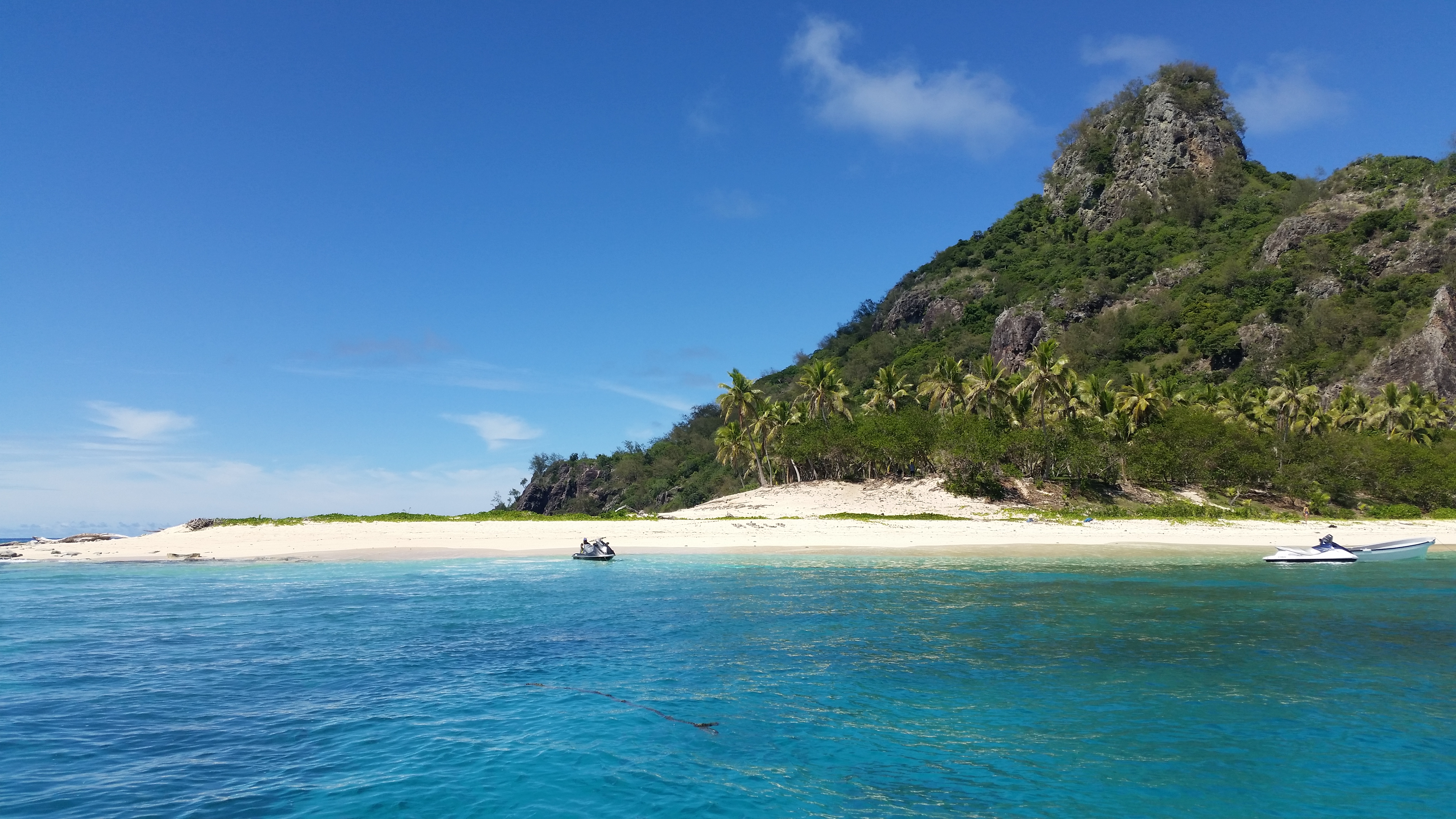
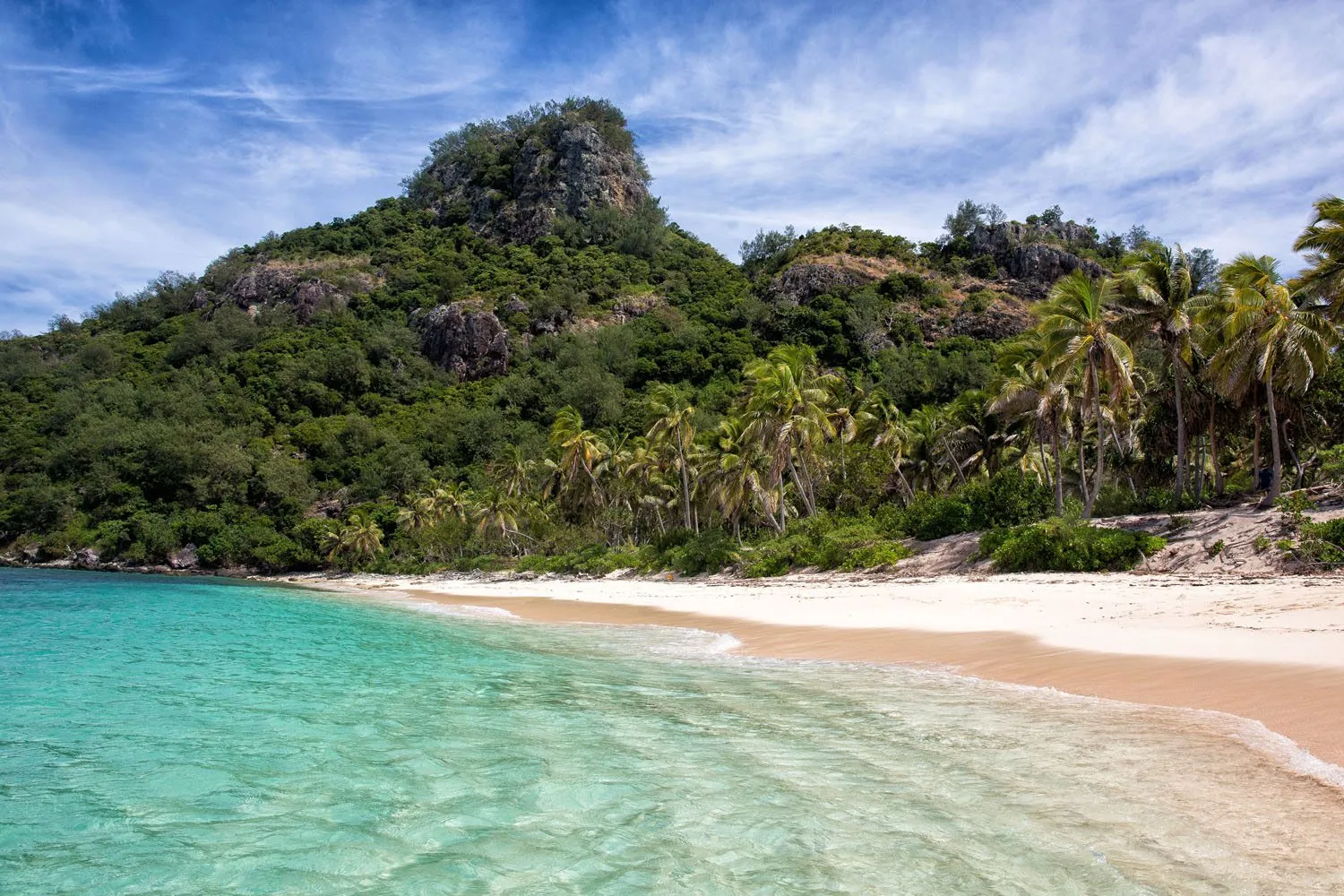
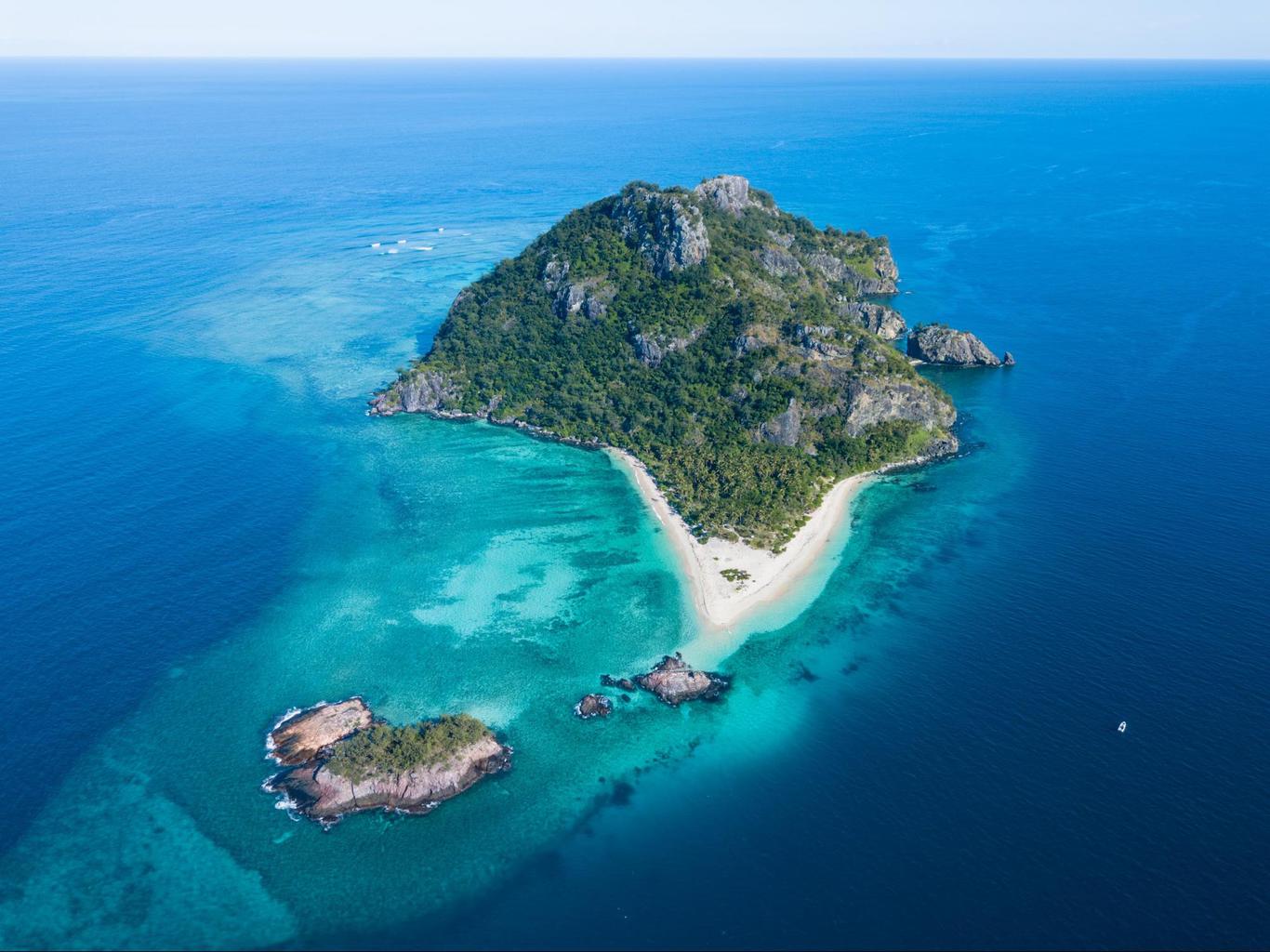
Monuriki, the actual island where the film was shot, is a tiny volcanic islet in Fiji. Before 2000, it was a hidden gem known mostly to locals and intrepid sailors. Today, it is a cornerstone of Fiji’s multi-million dollar tourism brand, often colloquially referred to by tourists simply as “Cast Away Island.”
The Power of Cinematic Tourism
Monuriki serves as a primary case study in “Cinematic Tourism” as a brand strategy. The Fijian government and local tourism boards leveraged the film’s success to create a premium destination brand. They didn’t just market a beach; they marketed an experience of “luxurious isolation.”
The branding of Monuriki relies on the contrast between the struggle depicted in the film and the reality of visiting today. Tourists travel to Monuriki to see where Chuck Noland wrote “HELP” in the sand, but they do so via high-end catamarans with champagne in hand. The island’s brand is built on the “prestige of the location,” allowing Fiji to differentiate itself from other South Pacific destinations like Tahiti or Bora Bora by offering a specific, recognizable cultural narrative.
Sustainable Branding in the Mamanuca Islands
One of the most insightful aspects of the Monuriki brand strategy is its focus on preservation. Because the island is a sanctuary for the Fiji Crested Iguana and various sea birds, the “brand” of the island had to balance high-volume tourism with ecological sensitivity.
By positioning Monuriki as a “pristine, untouched” location—exactly as it appeared in the film—the stakeholders created a high-value, low-impact tourism model. This alignment of “brand image” (the deserted island) with “environmental reality” is a sophisticated move in corporate social responsibility (CSR). It ensures that the very asset that makes the brand valuable is not destroyed by its own popularity.
Corporate Identity Through the Lens of Survival
The “Cast Away” narrative provides a unique framework for analyzing how corporate identity can be forged through themes of adversity. Both the island (Monuriki) and the primary corporate entity (FedEx) are branded through the lens of survival and essentialism.
FedEx: Reliability in the Face of Isolation
In brand strategy, “reliability” is often a dry, functional attribute. Cast Away transformed it into an emotional one. The FedEx brand identity was reinforced by the imagery of the unopened package with the angel wings. This package represented hope and duty.
For modern brand strategists, this highlights the importance of “The Hero’s Journey” in corporate storytelling. When a brand is positioned as the tool that helps the hero survive or achieve their goal, the brand inherits the hero’s virtues. FedEx didn’t just deliver packages; in the context of the Monuriki brand story, they delivered a reason to live.
Managing Brand Reputation During Crisis Narrative
It is worth noting that FedEx did not pay for the placement in the film; they provided technical support and locations. This was a strategic move in reputation management. By collaborating with the filmmakers rather than trying to control the script, they ensured the brand felt authentic.
In an era of “cancel culture” and extreme brand scrutiny, the Cast Away model shows that transparency and a willingness to be part of a “human” (and sometimes messy) story can build more trust than a perfectly polished, controlled advertisement. The island of Monuriki, with its harsh sun and lack of water, provided the “authentic” backdrop that made the corporate brand’s resilience believable.
Lessons for Modern Marketers and Brand Strategists
The legacy of the island of Monuriki and the film it hosted offers several high-level takeaways for today’s marketing professionals and business leaders.
Emotional Resonance vs. Direct Advertising
The most successful brands of the next decade will not be those that shout the loudest, but those that integrate most deeply into the stories people tell themselves. The “Cast Away” island brand works because it taps into a universal human archetype: the survivor. Whether it is a volleyball or a logistics company, the brands associated with Monuriki are now part of that archetype.
Marketers should ask: “What story is my customer living, and how does my brand serve as a vital character in that story?” If your brand is just a prop, it is replaceable. If it is a character—like Wilson—it is immortal.
The Longevity of Movie-Linked Brands
The “Cast Away” effect has lasted over twenty years. This suggests that cinematic branding offers a much higher Return on Investment (ROI) than traditional digital ad spends. While a social media campaign might have a lifespan of 48 hours, a well-placed narrative integration on a “brand-able” location like Monuriki can drive revenue for decades.
For businesses looking to build a “legacy brand,” the lesson is to look for partnerships that have cultural staying power. Investing in experiences, locations, and deep-narrative cinema can create a self-sustaining marketing ecosystem.
Conclusion
The island of Monuriki is no longer just a piece of volcanic rock in the Pacific; it is a global landmark of brand strategy. Through the lens of Cast Away, we see how a location can become a destination brand, how a product can become a personified companion, and how a corporation can turn a potential PR disaster into a testament to reliability.
As we look toward the future of marketing, the “Cast Away” island remains the gold standard for how to weave brand identity into the very fabric of human experience. It proves that with the right narrative, even the most isolated place on Earth can become a central hub for global brand recognition.
aViewFromTheCave is a participant in the Amazon Services LLC Associates Program, an affiliate advertising program designed to provide a means for sites to earn advertising fees by advertising and linking to Amazon.com. Amazon, the Amazon logo, AmazonSupply, and the AmazonSupply logo are trademarks of Amazon.com, Inc. or its affiliates. As an Amazon Associate we earn affiliate commissions from qualifying purchases.