
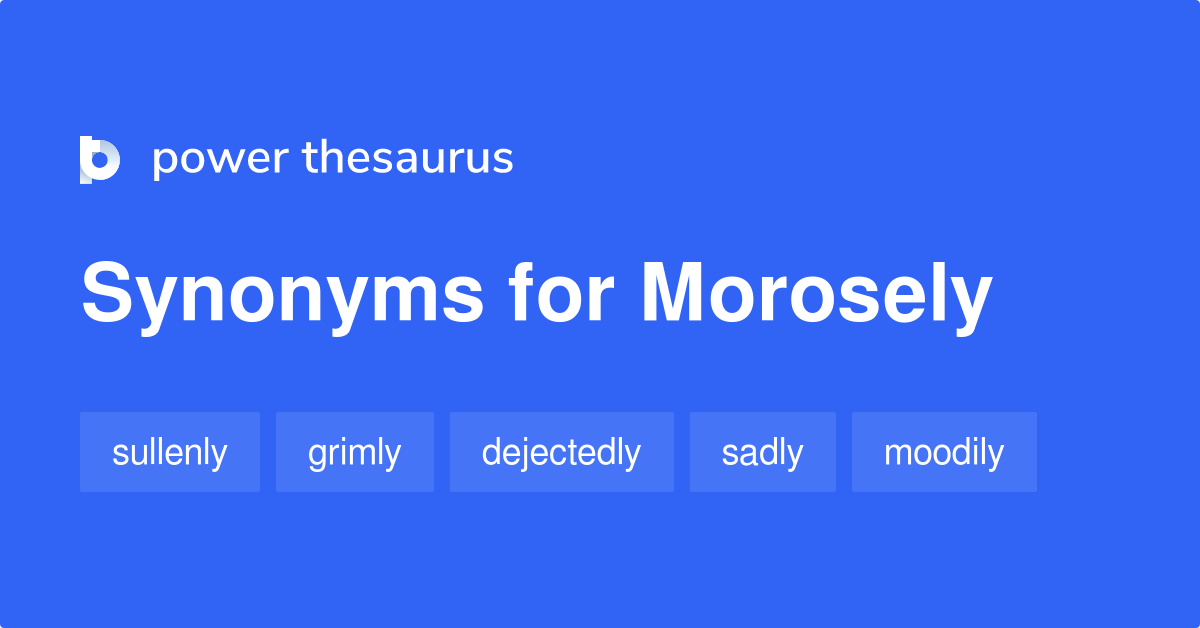
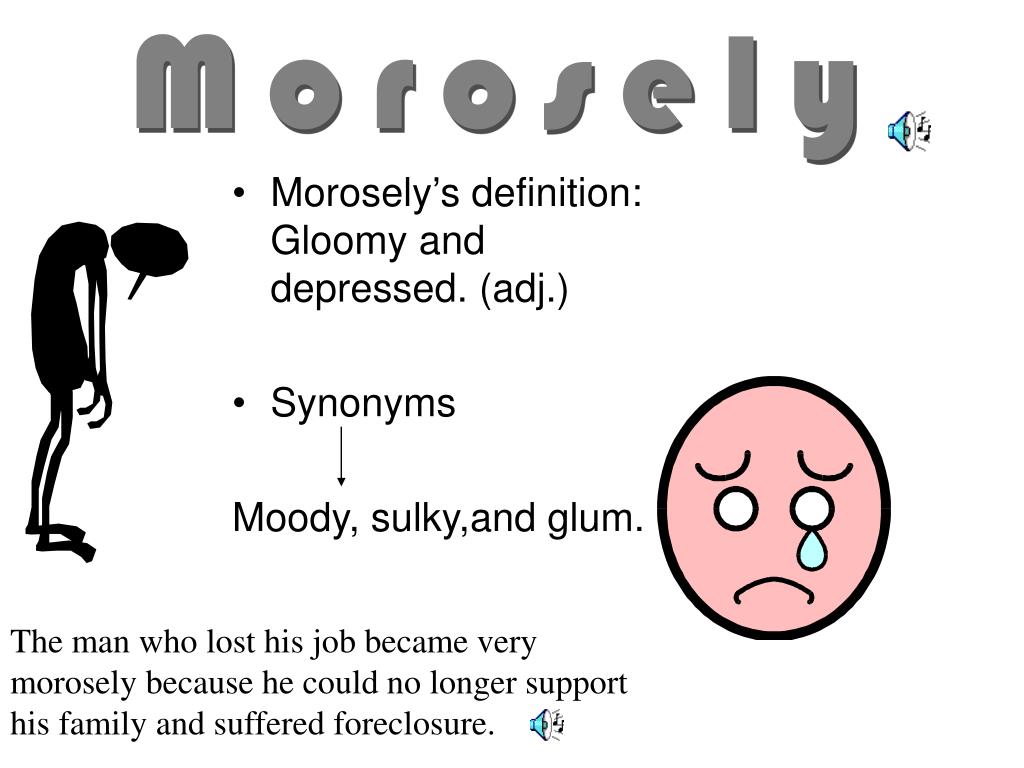
The English language is a vast tapestry of words, each carrying its own unique shade of meaning, capable of painting vivid pictures of emotions, actions, and states of being. Among these, “morosely” stands out, not for its cheerfulness, but for its profound ability to convey a specific, often heavy, emotional state. At its core, “morosely” means in a gloomy, sullen, or ill-humored manner. It describes an action or attitude marked by a deep sense of unhappiness, often accompanied by a reluctance to engage, a quiet despair, or a persistent negativity that casts a shadow over one’s demeanor.
To act morosely is to move through the world with a visible weight on one’s shoulders, to speak with a sigh, or to remain silent in a way that communicates displeasure or sadness. It’s more than just being sad; it’s a sadness tinged with sullenness, a resistance to joy, and an inward focus on one’s own unhappiness. This word, though seemingly simple, carries significant implications, particularly when we consider its impact on our interactions, our professional lives, and even our relationship with the rapidly evolving digital landscape of technology, brand perception, and financial well-being. Understanding “morosely” is not merely an exercise in vocabulary; it’s an exploration of a human condition that, if left unaddressed, can profoundly affect individuals and ripple through communities, both online and off.
Unpacking Moroseness: Definition and Nuance
The journey to truly grasp “morosely” begins with a closer look at its definition, its subtle variations, and how it manifests in human behavior. It’s a term that describes both an internal state and its external expression, often leading to misunderstandings or, conversely, profound empathy.
The Core Meaning and Synonyms: Sullen, Gloomy, Ill-humored
At its heart, “morosely” is an adverb derived from the adjective “morose,” which traces its origins back to the Latin word “morosus,” meaning “fussy, fastidious, self-willed, peevish.” Over time, its meaning evolved to encompass a deeper sense of gloominess and ill-temper. When someone acts morosely, they are typically expressing or experiencing:
- Sullenness: A silent resentment or bad temper, often visible in one’s expression or posture. A sullen person might avoid eye contact, cross their arms, or respond with monosyllabic answers.
- Gloominess: A pervasive feeling of sadness, darkness, or despondency. This isn’t just a fleeting moment of sadness but a lingering cloud that colors everything.
- Ill-humor: A state of being irritable, grumpy, or in a bad mood, making one difficult to approach or please.
Unlike simple sadness, which can be openly expressive, moroseness often carries a component of withdrawal or passive resistance. A morose person might not actively complain but rather emanate an air of unhappiness that makes others hesitate to engage. They might refuse comfort, reject attempts at humor, or simply dwell in their own melancholic thoughts. It’s a quiet form of despair that speaks volumes without uttering many words, and recognizing this nuance is crucial for effective communication and support.
Behavioral Manifestations and Psychological Roots
The external signs of moroseness can vary but often include a slumped posture, a downturned mouth, a lack of enthusiasm, and a general disinterest in activities that would normally bring joy. In conversation, a morose individual might offer short, uncommunicative responses, sigh frequently, or avoid direct engagement. Their eyes might lack sparkle, or their voice might carry a flat, unmodulated tone.
Psychologically, moroseness can stem from a variety of sources. It can be a temporary state induced by disappointment, frustration, or a setback. However, when it persists, it can be a symptom of deeper underlying issues such as depression, anxiety, grief, or chronic stress. Financial difficulties, career dissatisfaction, relationship problems, or even perceived failures can all contribute to a morose outlook. In some cases, it can be a learned behavior or a habitual response to stress. Understanding these potential roots is vital, as simply telling someone to “cheer up” is rarely effective when dealing with true moroseness. Instead, it often requires a more empathetic approach, recognizing that the individual may be struggling with internal battles that are not immediately apparent. The challenge, especially in an increasingly digital and brand-conscious world, is to identify and address this state not just in ourselves, but also in those around us, and even in the collective sentiment surrounding products, services, and online communities.
The Digital Echo Chamber: Moroseness in the Age of Tech
In an era defined by constant connectivity and rapid technological advancement, the concept of moroseness takes on new dimensions. Technology, while offering unprecedented opportunities for connection and convenience, also presents unique challenges that can either alleviate or exacerbate feelings of gloom and sullenness.
Tech’s Dual Role: Fueling and Fighting Gloom
The digital world offers a paradox: it can be a potent catalyst for moroseness even as it provides tools designed to combat it. On one hand, phenomena like “doomscrolling”—the tendency to endlessly consume negative news or content—can plunge individuals into a state of persistent anxiety and despondency. Social media, with its curated highlight reels, often fosters comparison culture, leading users to feel inadequate, isolated, or generally worse about their own lives, cultivating a quiet sense of moroseness. Cyberbullying, online harassment, and the sheer volume of negative interactions in digital spaces can erode mental well-being, leaving individuals feeling sullen and withdrawn. The constant pressure to be “on” and responsive can also lead to digital burnout, where the very act of engaging with technology becomes a source of dread.
On the other hand, technology has also become a crucial arena for fighting gloom. Mental health apps, online therapy platforms, mindfulness exercises, and communities dedicated to support and shared experiences offer lifelines. AI-powered chatbots designed for emotional support, virtual reality therapies for anxiety, and digital tools for tracking mood and well-being provide new avenues for self-care and professional intervention. Wearable tech that monitors sleep patterns and stress levels can offer data-driven insights into one’s mental state, enabling proactive measures against developing moroseness. The key lies in mindful engagement and leveraging technology not as an escape from reality, but as a tool for understanding and improving it.
User Experience and Digital Fatigue
Beyond explicit content, even the design and usability of technology can subtly contribute to or prevent moroseness. A poorly designed user interface (UI) or a frustrating user experience (UX) can evoke feelings of annoyance, helplessness, and ultimately, a form of digital moroseness. Imagine struggling with a complex software, encountering constant bugs, or navigating an illogical website—these experiences don’t just waste time; they can create a lingering sense of frustration that sours one’s mood. Tech companies invest heavily in intuitive design precisely because they understand the psychological impact of a smooth, enjoyable interaction versus a clunky, irritating one.
Furthermore, the sheer cognitive load imposed by modern technology can lead to digital fatigue. The constant influx of notifications, emails, updates, and information overload can overwhelm the mind, making it difficult to focus or find peace. This persistent state of being “on alert” can contribute to a general sense of being worn down, leading to a morose disposition where one simply feels too tired or overwhelmed to engage joyfully with the digital world or even the real world. Recognizing these subtle influences is vital for tech developers and users alike, promoting not just efficiency, but also mental well-being.
AI and the Analysis of Sentiment
Artificial intelligence is increasingly playing a role in understanding and even detecting moroseness, albeit in an analytical rather than empathetic capacity. Sentiment analysis tools, powered by natural language processing (NLP), can scan vast amounts of text data—social media posts, customer reviews, employee feedback, and forum discussions—to identify emotional tones, including negativity, sadness, and even specific indicators of moroseness. For businesses, this means being able to gauge public perception of their brand, identify customer pain points, and even detect early signs of employee dissatisfaction that could lead to decreased morale or turnover.
In healthcare, AI can assist in monitoring patient communications for signs of deteriorating mental health, flagging potentially morose or depressed language patterns for clinical review. While AI cannot feel moroseness, its ability to process and interpret human language at scale provides powerful insights into collective and individual emotional states. This analytical capacity allows organizations to be more responsive to emotional shifts, enabling proactive interventions that might mitigate widespread moroseness within a user base or workforce. However, the ethical implications of such monitoring, particularly concerning privacy and potential misuse, remain a crucial consideration.
Branding and Reputation: Avoiding a Morose Image
In the highly competitive landscapes of commerce and personal promotion, how a brand—whether corporate or individual—is perceived emotionally is paramount. A brand that accidentally projects moroseness can face significant challenges in attracting customers, retaining talent, or building trust.
The Brand’s Emotional Footprint
Every brand, through its marketing, design, communication, and product delivery, creates an emotional footprint. This footprint dictates whether consumers feel uplifted, inspired, secure, or, conversely, cynical, frustrated, or even morose when interacting with the brand. An overly serious tone, a lack of personality, or marketing that focuses excessively on problems without offering hope can inadvertently contribute to a morose brand image. Conversely, brands that are perceived as authentic, empathetic, and optimistic tend to resonate more positively with audiences. This isn’t about forced cheerfulness, which can appear disingenuous, but about cultivating a genuine connection that understands consumer pain points while also offering solutions and fostering a sense of progress.
Consider a brand known for its poor customer service; every interaction might leave the customer feeling frustrated and eventually morose about their purchase. Or a tech brand whose products are constantly buggy, instilling a sense of dread and unhappiness in its users. A brand’s commitment to quality, transparency, and responsive support directly contributes to its emotional standing. The goal is to build a brand identity that evokes trust, reliability, and perhaps even joy, actively working against any perception of dullness, negativity, or disinterest.
Crisis Communication and Rebuilding Trust
When a brand faces a crisis—a product recall, a data breach, a public scandal, or negative publicity—its communication strategy becomes critical in preventing a morose perception. Mishandling a crisis can deepen public distrust, making the brand appear defensive, uncaring, or even indifferent to the concerns of its stakeholders. This can lead to a widespread “morose” public sentiment towards the brand, characterized by disappointment, anger, and a general lack of faith.
Effective crisis communication involves transparency, swift action, sincere apologies, and a clear plan for rectification. It’s about acknowledging the problem without making excuses, demonstrating empathy for those affected, and showing a genuine commitment to improvement. A brand that navigates a crisis with integrity can often emerge stronger, having demonstrated resilience and a willingness to learn. Conversely, a brand that remains silent, offers insincere platitudes, or attempts to deflect blame will likely find itself shrouded in a morose cloud of public disapproval, making the journey to rebuild reputation significantly harder. This isn’t just about financial recovery; it’s about repairing the emotional bond with consumers.
Personal Branding in a Transparent World
In today’s interconnected professional landscape, personal branding is just as crucial as corporate branding. Whether you’re an entrepreneur, a job seeker, or a thought leader, your online persona and public interactions shape how others perceive you. A personal brand that consistently projects moroseness—through negative social media posts, overly critical comments, or a general air of discontent—can significantly hinder career opportunities and networking efforts. No one wants to hire or collaborate with someone who seems perpetually unhappy or difficult to work with.
Maintaining a positive, professional, and authentic personal brand doesn’t mean always being cheerful, but it does mean being mindful of the emotional tone you project. It involves sharing insights, celebrating successes (both personal and professional), engaging constructively in discussions, and demonstrating resilience in the face of challenges. Actively managing one’s online presence, being judicious about what one shares, and cultivating a reputation for reliability and optimism are key. Just as a company strives to avoid a morose image, individuals must also ensure their digital footprint reflects a professional who is approachable, capable, and a pleasure to engage with.
The Financial Shadow: Money, Stress, and Moroseness
Few aspects of life have as profound an impact on human well-being as personal finance. The pursuit, management, and lack of money can be powerful drivers of emotions, and financial insecurity is an all-too-common root cause of moroseness.
Economic Woes and Mental Well-being
Financial stress is a leading contributor to anxiety, depression, and a pervasive sense of moroseness for millions worldwide. Debt, job loss, stagnant wages, rising costs of living, and economic uncertainty can create a relentless psychological burden. The constant worry about making ends meet, providing for family, or securing one’s future can lead to sleepless nights, irritability, and a general loss of zest for life. When an individual feels trapped by financial circumstances, a morose outlook can become their default state, manifesting as withdrawal, a lack of motivation, and a persistent feeling of being overwhelmed.
This isn’t just about poverty; even those with seemingly stable incomes can experience financial moroseness due to poor money management, high expectations, or unforeseen expenses. The psychological toll of living paycheck to paycheck, even if the paycheck is substantial, can be immense. Furthermore, the societal pressure to achieve certain financial milestones—owning a home, saving for retirement, affording luxuries—can amplify feelings of inadequacy and gloom if those goals seem unattainable. Recognizing the deep connection between financial stability and mental health is the first step toward addressing this type of moroseness.
Navigating Financial Uncertainty
The world of investing and personal finance is inherently unpredictable, making it a common source of anxiety and, for some, moroseness. Market downturns, investment losses, or even the simple act of trying to understand complex financial instruments can be daunting. A morose investor might dwell excessively on past losses, be overly pessimistic about future prospects, or become paralyzed by fear, unable to make sound financial decisions. The “fear of missing out” (FOMO) and the “fear of losing money” (FOMO-L) are two powerful emotional drivers that can lead to impulsive, regretted decisions, further fueling moroseness.
Financial literacy and a sound understanding of risk tolerance are crucial antidotes to this uncertainty. Education about diversification, long-term planning, and the cyclical nature of markets can help temper the emotional roller coaster. Online financial tools, budgeting apps, and access to professional financial advice can empower individuals to take control of their money, moving from a reactive, fear-driven approach to a proactive, informed one. The goal is to cultivate a rational, disciplined approach to money management that minimizes emotional volatility and fosters a sense of financial control, thereby reducing the breeding ground for moroseness.
Pathways to Financial Serenity
While money itself may not guarantee happiness, financial serenity can significantly reduce sources of moroseness. Developing sound personal finance habits is a powerful pathway to achieving this. This includes creating a realistic budget, building an emergency fund, managing debt strategically, and planning for long-term goals like retirement or education. The empowerment that comes from understanding one’s financial situation and having a plan can dramatically alleviate stress and shift one’s outlook from morose to hopeful.
Furthermore, the rise of online income opportunities and side hustles provides avenues for individuals to supplement their earnings, reduce financial pressure, and even pursue passions that might eventually lead to full-time income. These ventures can offer a sense of agency and control, combating the feelings of helplessness that often accompany financial struggles. Learning new skills, investing in personal development, and seeking out opportunities to increase income can be transformative. By actively engaging with personal finance, seeking knowledge, and implementing strategic plans, individuals can build a foundation of security that helps ward off the shadow of financial moroseness, fostering instead a sense of peace and potential.
Conclusion
The word “morosely” carries a weight that transcends mere definition; it describes a state of being characterized by gloom, sullenness, and a quiet despair that can permeate every aspect of life. From an individual’s internal struggles to the collective sentiment surrounding brands and economic conditions, moroseness acts as a powerful undercurrent. In our modern world, this emotional state is intricately linked to the forces of technology, brand perception, and financial stability.
Technology, for all its wonders, can both exacerbate and alleviate moroseness, depending on how it’s designed and utilized. Brands must navigate a landscape where their emotional footprint and crisis response dictate their very survival, making a concerted effort to avoid projecting a morose image. And fundamentally, financial well-being remains a critical determinant of personal happiness, with economic woes often casting the longest shadows of gloom.
Understanding “what does morosely mean” is therefore more than an academic exercise. It’s an imperative for fostering greater empathy, designing more human-centric technologies, building resilient brands, and promoting sound financial practices. By recognizing the signs and sources of moroseness across these interconnected domains, we can collectively work towards creating environments that nurture hope, foster connection, and empower individuals to navigate the complexities of life with greater resilience and a more positive outlook. The journey away from moroseness begins with awareness, action, and a commitment to nurturing well-being in all its forms.
aViewFromTheCave is a participant in the Amazon Services LLC Associates Program, an affiliate advertising program designed to provide a means for sites to earn advertising fees by advertising and linking to Amazon.com. Amazon, the Amazon logo, AmazonSupply, and the AmazonSupply logo are trademarks of Amazon.com, Inc. or its affiliates. As an Amazon Associate we earn affiliate commissions from qualifying purchases.