
When we ask, “What is the worst jail in America?” the mind typically drifts toward images of high-security fences, iron bars, and the harsh realities of life behind the wire. However, from a financial and business perspective, the “worst” jails are often defined not just by their physical conditions, but by their economic inefficiency, their burden on the taxpayer, and the controversial business models that sustain them. In the world of finance and business strategy, the American carceral system represents a complex intersection of private equity, government spending, and a cycle of debt that affects millions.
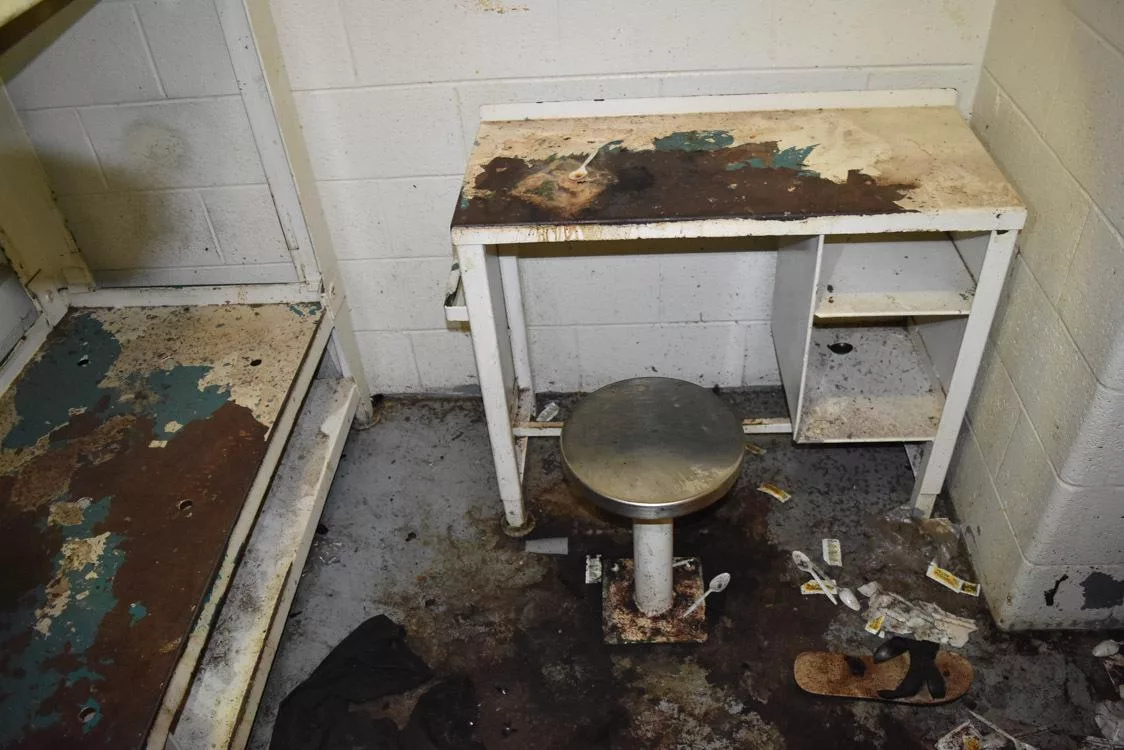
Understanding the “worst” jails in America requires an analytical look at the “Prison-Industrial Complex”—a term used to describe the overlapping interests of government and industry that use surveillance and punishment as solutions to social, political, and economic problems. This article explores the fiscal architecture of the American jail system, identifying where capital is mismanaged and how the business of incarceration impacts the broader economy.
The Economics of the Private Prison Industry
To identify the worst-performing institutions in the American carceral landscape, one must first look at the rise of private prison corporations. Unlike state-run facilities, these are profit-driven entities listed on major stock exchanges. The two largest players, CoreCivic (formerly Corrections Corporation of America) and The GEO Group, have turned incarceration into a multi-billion dollar industry.
Revenue Streams and Government Contracts
The financial viability of a private jail depends almost entirely on government contracts. These contracts often include “occupancy guarantees,” which require the state to pay for a certain percentage of beds regardless of whether they are occupied. From a business standpoint, this creates a perverse incentive structure. The “worst” jails under this model are those where the cost to the taxpayer remains fixed even when crime rates drop, leading to a massive drain on municipal and state budgets. Investors in these companies look for high recidivism rates and long-term contracts, which directly contradicts the public goal of rehabilitation.
The Hidden Costs of Privatization
While proponents of private jails argue that they save the government money through corporate efficiency, the long-term financial data often suggests otherwise. To maximize margins, private facilities frequently cut costs on staffing, medical care, and food services. This lead to a “race to the bottom” where the facility becomes the “worst” in terms of safety and liability. From a risk management perspective, these facilities often face expensive litigation and high turnover rates, creating a volatile financial environment that often requires government bailouts or emergency interventions.
Financial Inefficiency and the Burden on Taxpayers
Beyond the private sector, the vast majority of American jails are publicly funded. When we evaluate which of these are the “worst,” we must look at the Return on Investment (ROI) for the taxpayer. Currently, the United States spends over $80 billion annually on incarceration. In many jurisdictions, the cost per inmate exceeds the cost of an Ivy League education, yet the outcomes—measured by recidivism and successful reintegration—remain abysmal.
Cost Per Inmate vs. Rehabilitation Value
In high-cost states like New York or California, the annual cost to house a single inmate can exceed $100,000. When a jail fails to provide vocational training or mental health services, that $100,000 is effectively a sunk cost with no future economic benefit. The “worst” jails are those with the highest “cost-per-bed” but the lowest “rehabilitation-per-dollar” ratio. This inefficiency represents a catastrophic failure in public sector resource management, diverting funds away from education, infrastructure, and healthcare.
Administrative Bloat and Resource Mismanagement
A significant portion of jail budgets is consumed by administrative overhead rather than direct care or security. Inefficient staffing models, outdated technology, and bloated middle management contribute to a fiscal environment where money is “trapped” within the system. From a business finance perspective, many American jails operate like failing legacy corporations: they have high fixed costs, declining productivity, and an inability to innovate. This makes them the “worst” from a budgetary standpoint, as they consume an ever-increasing share of local tax revenue.
The “Worst” Financial Models: Case Studies in Economic Failure
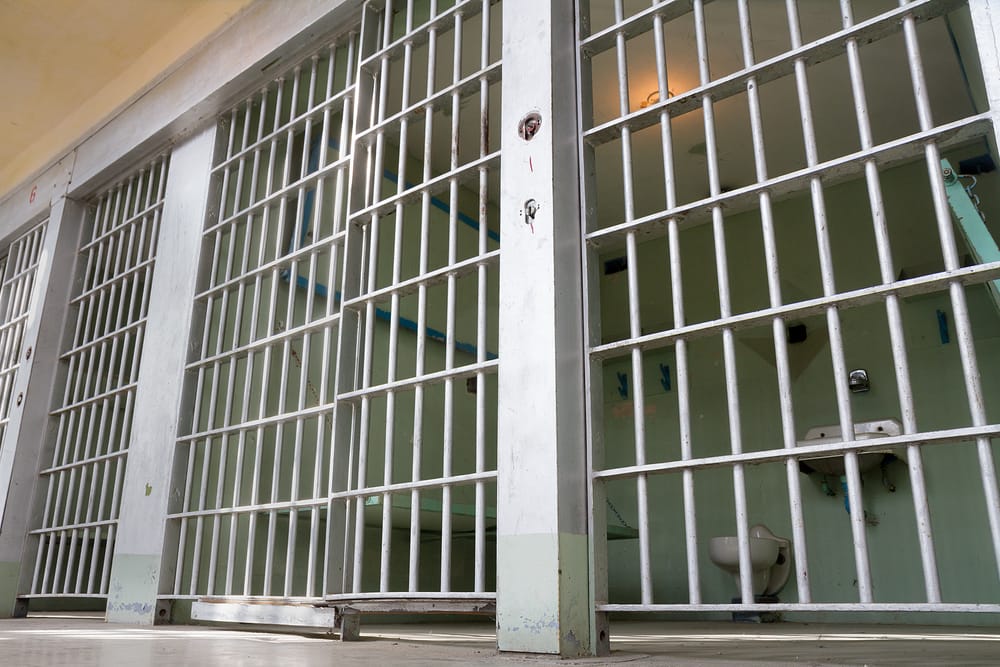
When identifying specific institutions that represent the “worst” of the American system, we often look at facilities that have become “money pits”—places where legal liabilities and operational failures have led to financial ruin for the local government.
The High Price of High Security
Facilities like ADX Florence (the “Alcatraz of the Rockies”) represent the extreme end of the cost spectrum. While these facilities are designed for the “worst” offenders, their operational costs are astronomical. The technology required for total isolation and 24-hour surveillance makes these the most expensive jails to maintain in the world. While they serve a specific security function, from a pure balance sheet perspective, they are the most capital-intensive assets in the federal portfolio, requiring constant reinvestment in specialized infrastructure.
Municipal Debt and Jail Expansion Projects
Many rural counties have attempted to solve their economic woes by building large jail facilities, hoping to “rent” beds to the federal government or other states. This “build it and they will come” business strategy has often backfired. When federal policies change—such as shifts in immigration enforcement—these counties are left with massive bond debts and empty facilities. These “speculative jails” are among the worst in America because they threaten the very solvency of the municipalities that built them, leading to credit downgrades and reduced public services for residents.
The Impact on Personal Finance and Generational Wealth
The financial impact of the “worst” jails is not limited to the government or corporations; it extends to the individuals and families caught in the system. The American jail system acts as a significant barrier to wealth accumulation, particularly for low-income communities.
Pay-to-Stay Fees and Economic Barriers
In many jurisdictions, the “worst” jails are those that implement “pay-to-stay” policies, where inmates are charged for their room and board, medical visits, and even the use of electronic monitoring devices. This creates a cycle of “legal financial obligations” (LFOs) that can follow a person for a lifetime. From a personal finance perspective, these fees act as a 100% tax on the poor, preventing formerly incarcerated individuals from ever achieving financial stability. This systemic drain on capital prevents the growth of small businesses and homeownership in affected neighborhoods.
The Post-Release Financial Gap
The economic “worst” case scenario for an inmate is leaving a facility with no savings, high debt, and a “felony tax” on their future earnings. Studies show that a stint in jail can reduce lifetime earning potential by up to 40%. When a large segment of the population is sidelined from the workforce, it reduces the overall GDP and increases the need for social safety net spending. In this way, the worst jails are those that fail to prepare individuals for the modern digital economy, effectively “jailing” their financial future long after they have left the physical cell.
Investing in Reform: The Future of Prison Finance
As the financial flaws of the current system become more apparent, a new trend is emerging in the world of investing and business: Social Impact Bonds and ESG (Environmental, Social, and Governance) investing. The financial world is beginning to recognize that the “worst” jails are also the “worst” investments.
The Shift Toward Social Responsibility
Major institutional investors, including pension funds and university endowments, have begun divesting from private prison stocks. The logic is both moral and financial: the legal and reputational risks associated with these companies are too high. Instead, capital is being redirected toward “Social Impact Bonds” that fund recidivism-reduction programs. In these models, investors only get a return if the program successfully keeps people out of jail, aligning profit motives with positive social outcomes.
Divestment Trends and Market Reaction
The market’s reaction to the “worst” jails has been a steady decline in the valuation of traditional incarceration companies. As the public demands reform, the business model of mass incarceration is becoming increasingly untenable. Forward-thinking financial leaders are now looking at “de-carceration” as an economic opportunity—a chance to reallocate billions of dollars toward productive sectors of the economy like tech, green energy, and infrastructure.
In conclusion, the “worst” jail in America is not just a place of physical hardship; it is a fiscal entity that fails its stakeholders—the taxpayers, the inmates, and the economy at large. By analyzing these institutions through the lens of money and business, we see a system in desperate need of a “turnaround strategy” that prioritizes economic efficiency and long-term human capital over short-term corporate profit.
aViewFromTheCave is a participant in the Amazon Services LLC Associates Program, an affiliate advertising program designed to provide a means for sites to earn advertising fees by advertising and linking to Amazon.com. Amazon, the Amazon logo, AmazonSupply, and the AmazonSupply logo are trademarks of Amazon.com, Inc. or its affiliates. As an Amazon Associate we earn affiliate commissions from qualifying purchases.