
In the vast, interconnected world of modern technology, precision is the primary currency. Whether you are a software developer integrating a hardware API, a systems architect designing a data center, or a consumer searching for a specific replacement component for a high-end laptop, the margin for error is razor-thin. At the heart of this precision lies a fundamental alphanumeric string known as the Manufacturer Part Number, or MPN.
While it may appear to be a random sequence of letters and numbers, the MPN is the definitive “fingerprint” of a technological product. It transcends simple branding and marketing, acting as the bridge between raw manufacturing and the digital global marketplace. In this article, we will explore the technical nuances of the MPN, its differentiation from other identification systems, and why it is an indispensable tool for the tech industry, from supply chain logistics to search engine optimization.
Decoding the MPN: Technical Foundations and Definitions
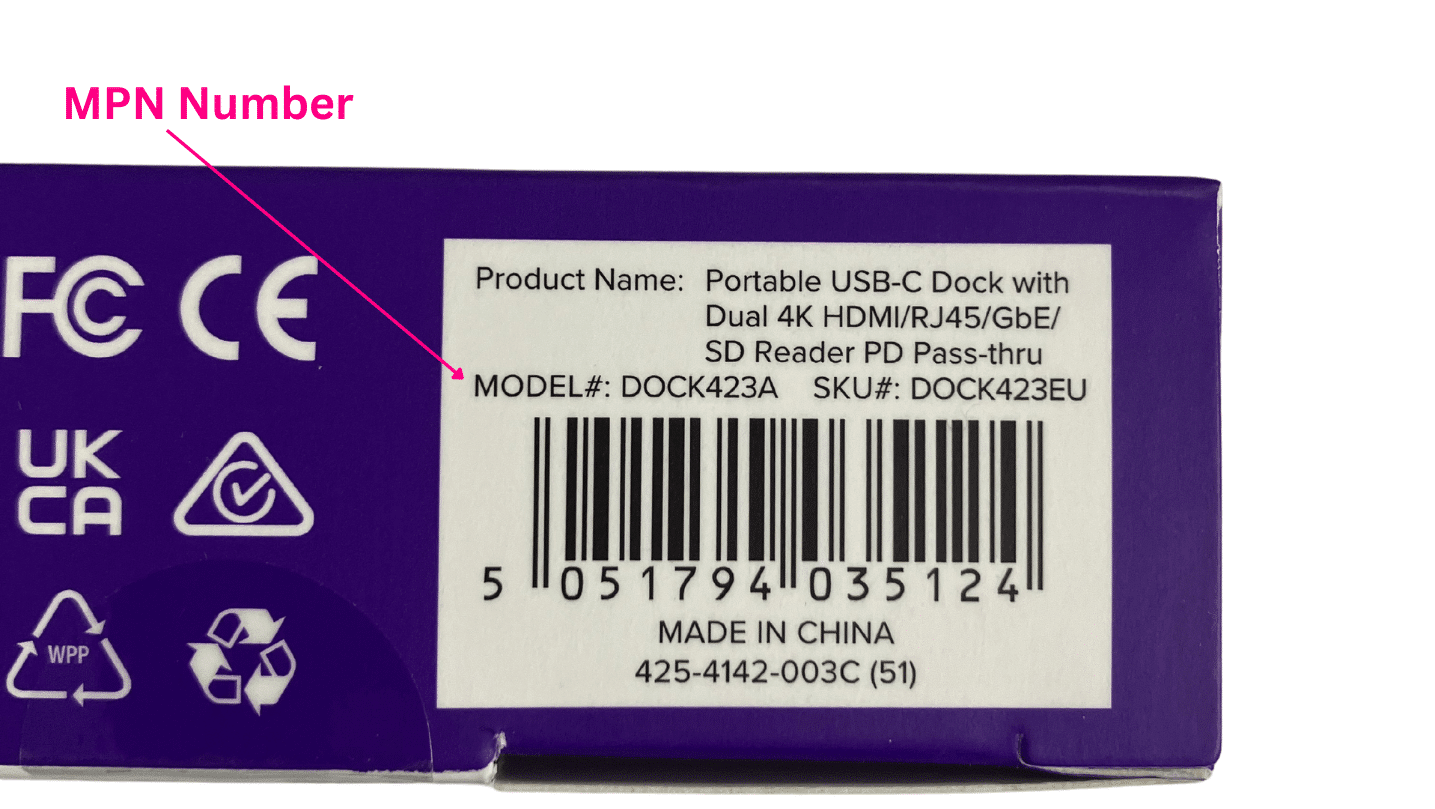
To understand the significance of the MPN, one must first look at its structural purpose within the tech hardware landscape. An MPN is a unique identifier assigned by the manufacturer to a specific product or component. It is designed to distinguish a product from others, especially those within the same brand or product line that might share similar names but different specifications.
What is a Manufacturer Part Number?
The MPN is the most granular level of identification for a physical piece of technology. For instance, a tech giant like Apple or Dell may produce a “Latitude” or “MacBook” series, but within those series are hundreds of variations involving different RAM configurations, processor speeds, or regional keyboard layouts. Each of these specific iterations is assigned a unique MPN. This ensures that when a business orders a fleet of 500 laptops, they receive the exact internal specifications required for their software stack, rather than a generic model that might lack the necessary processing power.
The Critical Difference Between MPN, SKU, and UPC
In the tech sector, nomenclature is frequently confused. It is vital to distinguish the MPN from its counterparts: the SKU (Stock Keeping Unit) and the UPC (Universal Product Code).
- MPN (Manufacturer Part Number): Issued by the manufacturer. It remains the same regardless of who is selling the product. If Cisco produces a specific network switch, the MPN is identical whether you buy it from an authorized distributor or a secondary tech marketplace.
- SKU (Stock Keeping Unit): This is an internal identifier used by retailers. Amazon, Best Buy, and a local tech shop will all have different SKUs for the exact same MPN. SKUs are meant for inventory tracking within a specific company’s database.
- UPC (Universal Product Code): These are the 12-digit barcodes used primarily in North America for point-of-sale scanning. While a UPC identifies the product type, it often lacks the technical granularity found in an MPN, which can denote specific revisions or hardware “steppings.”
The Role of MPN in E-commerce and Search Algorithms
For tech retailers and software platforms, the MPN is more than an inventory tag; it is a critical data point for digital discoverability. As the world moves toward AI-driven shopping and automated procurement, the MPN serves as the primary “anchor” for product data.
Enhancing Discoverability on Global Marketplaces
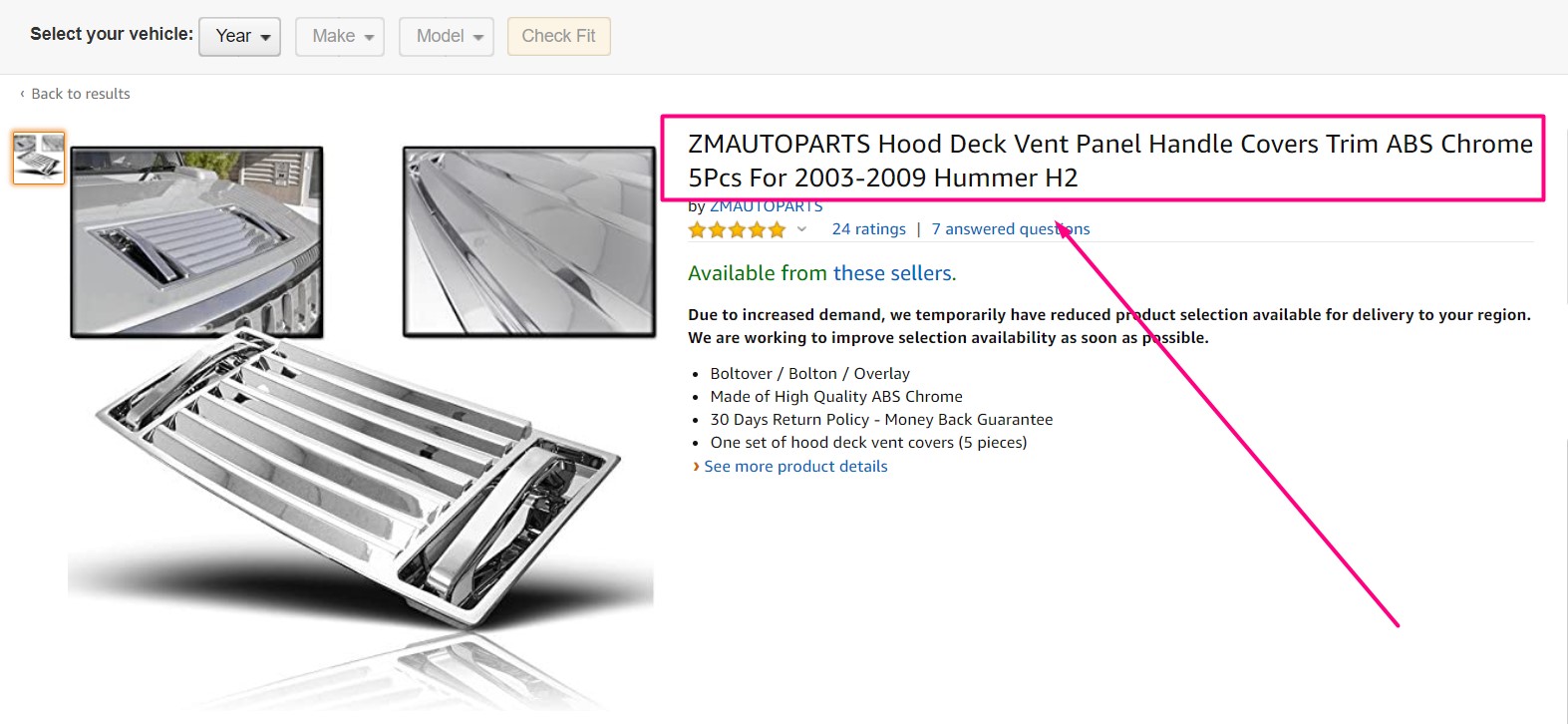
Search engines like Google and marketplaces like Amazon use the MPN to group identical products from different sellers. In the world of tech gadgets, where consumers are highly specific about their needs—searching for a “Sony WH-1000XM5” is common, but a professional might search for the specific variant “WH1000XM5/B” to ensure they get the black model with specific regional firmware.
When a tech vendor includes the MPN in their metadata, they are essentially signaling to the Google Shopping algorithm that their product is an exact match for a highly specific query. This reduces “search noise” and ensures that the user is not presented with a similar, yet incompatible, peripheral. For tech-focused SEO, the MPN is the most effective way to capture high-intent traffic from users who know exactly what technical specifications they require.
Accuracy in Technical Specifications and Compatibility
One of the greatest challenges in the tech industry is hardware compatibility. If an IT technician is looking for a motherboard that supports a specific version of a TPM (Trusted Platform Module) for digital security compliance, they cannot rely on a generic product title. They must rely on the MPN.
Software databases and “PC Builder” tools use MPNs to cross-reference compatibility tables. By pulling data associated with a specific MPN, these tools can automatically alert a user if their chosen CPU is incompatible with their motherboard’s socket or if a power supply lacks the necessary wattage for a high-end GPU. Without the standardization of the MPN, the digital tech economy would be plagued by a high rate of returns and hardware failures.
Strategic Inventory Management and Supply Chain Integration
Beyond the consumer-facing side of tech, the MPN is the backbone of the enterprise supply chain. In an era of global semiconductor shortages and rapid hardware iteration, tracking components at the MPN level is the only way to maintain operational efficiency.
Streamlining the Digital Supply Chain
Modern tech manufacturing relies on “Just-In-Time” (JIT) delivery. A smartphone manufacturer may source components from dozens of different vendors across the globe. To ensure the assembly line never stops, the Enterprise Resource Planning (ERP) software must track every capacitor, screen digitizer, and sensor by its MPN.
In this context, the MPN allows for “interchangeability mapping.” If a manufacturer cannot source a specific MPN due to a factory shutdown, their procurement software can search for “equivalent” MPNs—parts from different manufacturers that meet the exact same technical tolerances. This high-level technical mapping is only possible because the MPN provides a standardized reference point that transcends language barriers and regional branding.
Mitigating Counterfeiting and Ensuring Digital Security
The tech industry is a prime target for counterfeit hardware, which can introduce significant digital security risks. Counterfeit network equipment or storage devices can contain “backdoors” or malicious firmware that compromises an entire corporate network.
The MPN plays a role in the “Chain of Custody.” Authorized distributors use MPNs in conjunction with serial numbers to verify the authenticity of hardware. By tracking the MPN from the point of manufacture through the distribution channel, companies can ensure they are installing genuine hardware. In the realm of digital security, knowing the exact MPN also allows IT departments to track “End of Life” (EOL) and “End of Service” (EOS) dates. When a manufacturer announces that a specific MPN will no longer receive security patches or firmware updates, businesses can proactively plan for a hardware refresh, thereby closing potential security loopholes.
The Future of Product Identification in an AI-Driven World
As we look toward the future of technology, the role of the MPN is evolving from a static label to a dynamic data carrier. The integration of Artificial Intelligence and Machine Learning is changing how we interact with product data.
Automated Cataloging and Machine Learning
AI tools are now being used to scrape the web and build massive technical databases. These AI models use the MPN as the primary key to link disparate pieces of information—user manuals, driver download links, firmware update logs, and YouTube review videos—into a single, cohesive profile for a product. This means that in the near future, a developer might simply feed an MPN into an AI assistant, which will then automatically generate the necessary configuration code or driver integration for that specific piece of hardware.
The Integration of Dynamic Data Standards
We are also seeing a shift toward “Smart MPNs” or extended identifiers that include QR codes or RFID tags. This allows for real-time tracking of a product’s lifecycle. Imagine a server rack where every component can be scanned via a mobile app to instantly reveal its MPN, its current warranty status, and its power consumption history.
Furthermore, as global sustainability regulations become stricter (such as the EU’s Digital Product Passport), the MPN will likely be the foundation for tracking the “circularity” of tech products. By following an MPN, recyclers can identify exactly which precious metals are contained within a gadget, making the urban mining process much more efficient and environmentally friendly.
Conclusion
The Manufacturer Part Number is far more than a logistical necessity; it is the fundamental building block of the global tech infrastructure. It enables the precision required for high-stakes hardware integration, drives the algorithms that power our e-commerce experiences, and secures the supply chains that bring innovation to our doorsteps.
For professionals in the tech industry—whether you are in software development, hardware engineering, or digital marketing—mastering the use of the MPN is essential. It is the language of accuracy in a world of complexity. By ensuring that every component and every gadget is correctly identified by its MPN, we create a more efficient, compatible, and secure digital future. As technology continues to advance, the humble MPN will remain the silent, alphanumeric guardian of technical integrity.
aViewFromTheCave is a participant in the Amazon Services LLC Associates Program, an affiliate advertising program designed to provide a means for sites to earn advertising fees by advertising and linking to Amazon.com. Amazon, the Amazon logo, AmazonSupply, and the AmazonSupply logo are trademarks of Amazon.com, Inc. or its affiliates. As an Amazon Associate we earn affiliate commissions from qualifying purchases.