
The human body, a marvel of biomechanical engineering, is susceptible to a range of injuries that can disrupt its intricate functioning. Among these, injuries to the knee joint are particularly common and can significantly impact mobility and quality of life. The medial collateral ligament (MCL), a crucial stabilizer on the inner side of the knee, is frequently involved in such injuries. But what exactly does MCL pain feel like? This isn’t just a question for athletes or those with active lifestyles; understanding the sensation and implications of MCL pain is vital for anyone seeking to comprehend their body and maintain their well-being.
While the website’s core focus lies in the dynamic realms of Tech, Brand, and Money, the human element underpinning all these pursuits cannot be overstated. A healthy body is foundational to leveraging technological advancements, building a robust brand, and managing one’s finances effectively. Ignoring physical well-being can lead to setbacks that reverberate through all aspects of life. Therefore, delving into the specifics of an injury like MCL pain offers a practical lens through which we can appreciate the importance of proactive health management, allowing us to better engage with and benefit from the opportunities presented by technology, branding, and finance.
This article aims to demystify MCL pain, exploring its typical sensations, common causes, and the broader implications for your physical and, by extension, your broader life pursuits.
Understanding the Medial Collateral Ligament (MCL)
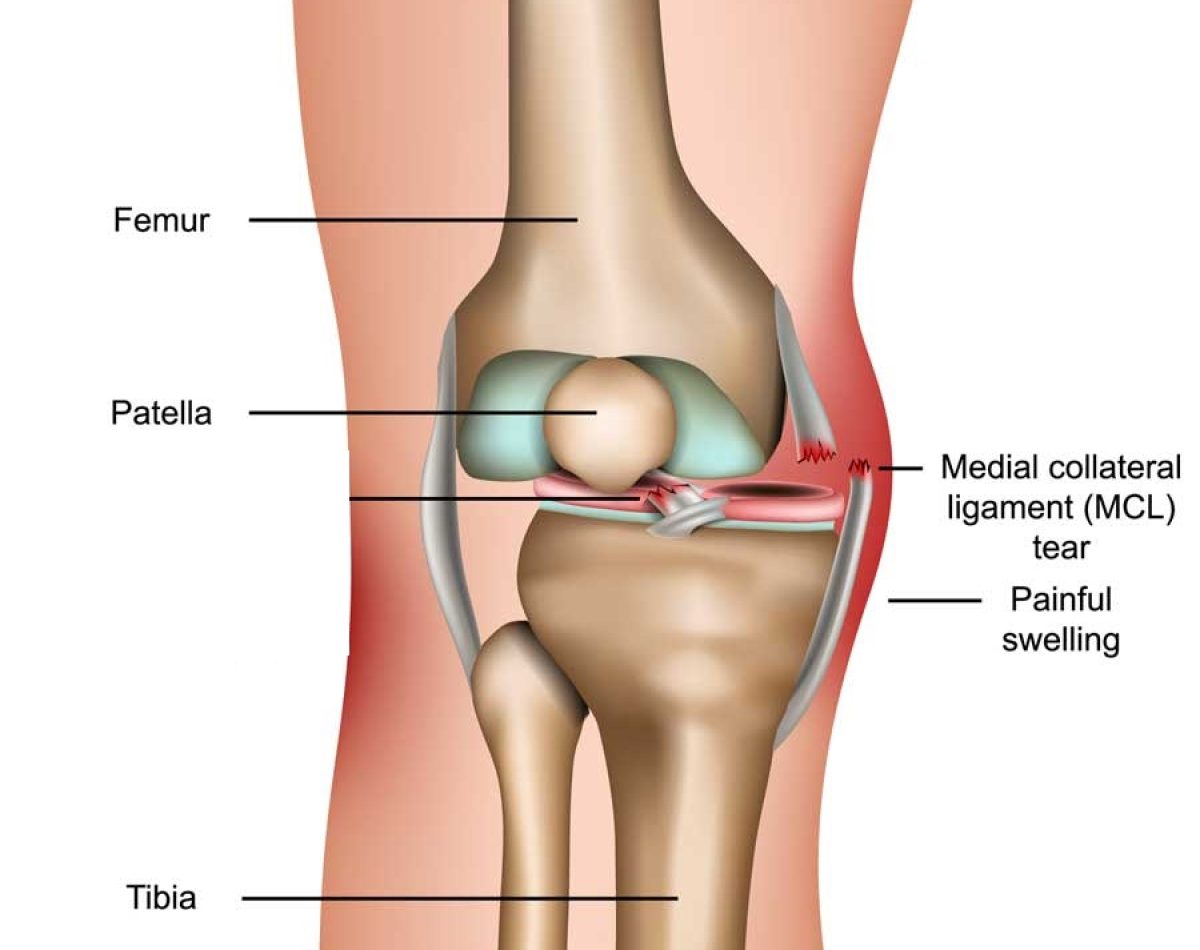
Before we can describe the feeling of pain, it’s essential to understand what the MCL is and its role within the knee joint. The knee is a complex hinge joint formed by the femur (thigh bone), tibia (shin bone), and patella (kneecap). It relies on a network of ligaments for stability, preventing excessive movement in various directions.
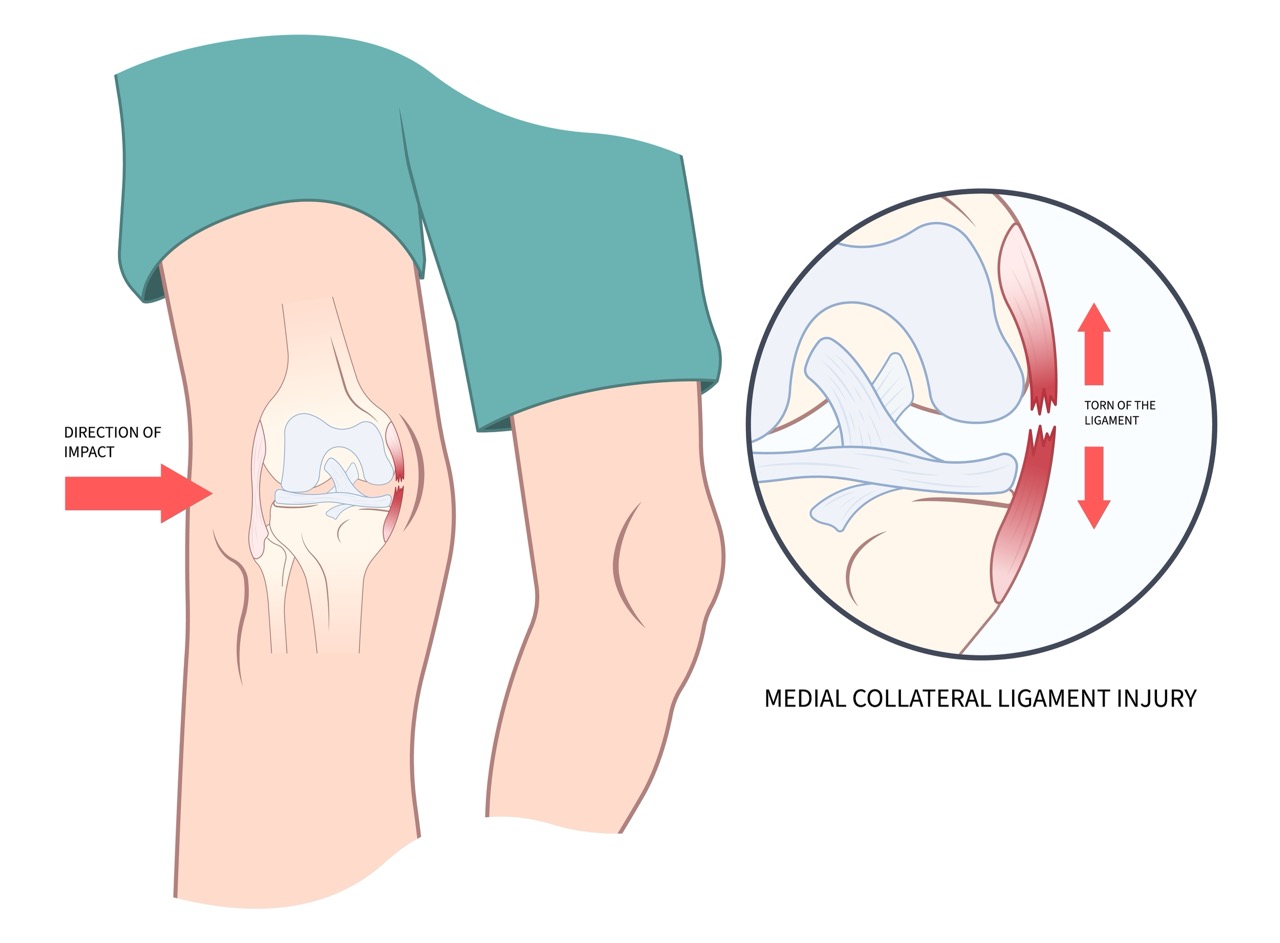
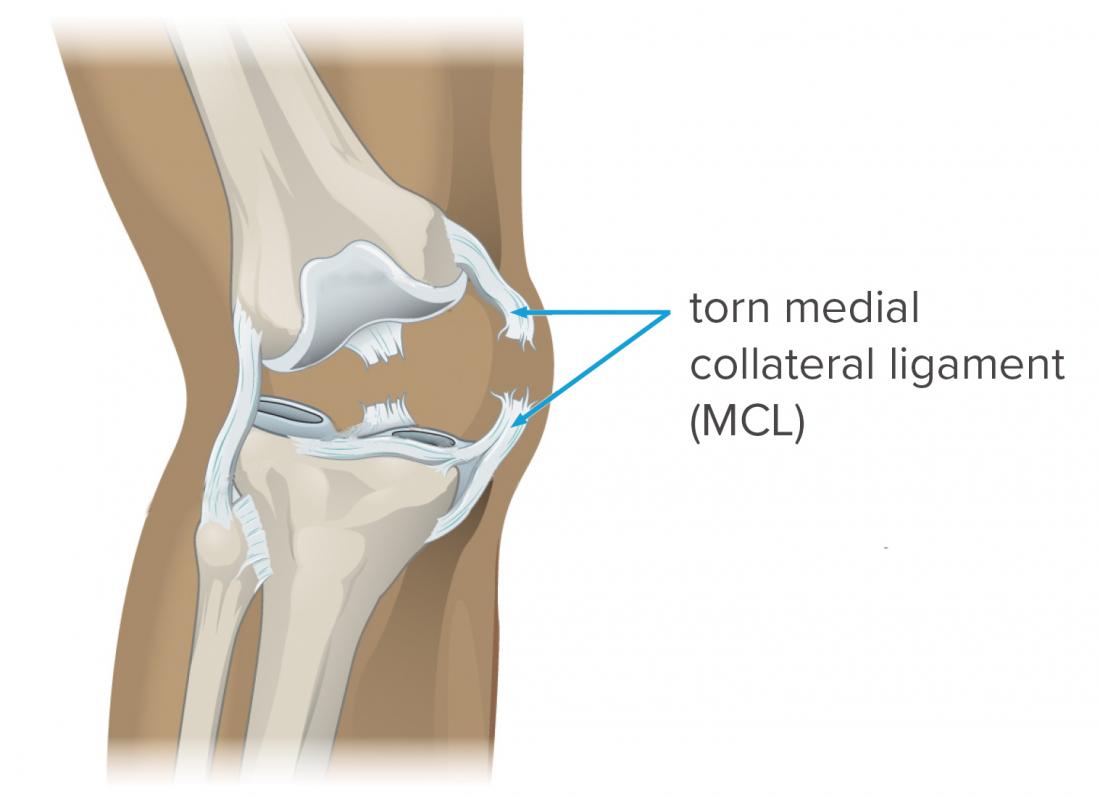
The MCL is a broad, flat band of fibrous tissue that runs along the inner (medial) aspect of the knee. Its primary function is to resist valgus stress – forces that push the knee inward from the outside. Imagine standing with your legs slightly apart and someone pushing on the outside of your knee, trying to force it inwards; the MCL is the key structure preventing this from happening excessively. This ligament plays a critical role in maintaining the knee’s stability during activities that involve cutting, pivoting, and sudden changes in direction, such as those seen in sports like soccer, basketball, and skiing.
Injuries to the MCL often occur due to a direct blow to the outside of the knee, or when the knee is forced into a valgus position. This can happen during awkward landings, tackles in sports, or even from a fall. The severity of MCL injuries can range from a mild sprain (stretch) to a complete tear, and the resulting pain and instability will vary accordingly.
The Sensations of MCL Pain: Beyond a Simple Ache
When people ask “what does MCL pain feel like,” they are often looking for a precise description that goes beyond a generic “pain.” The sensation can be multifaceted, and its intensity and specific character depend heavily on the degree of injury.
H2: Acute Pain and Immediate Sensations
Immediately following an injury to the MCL, the pain is typically sharp, sudden, and localized to the inner side of the knee. Many individuals report a distinct “pop” or “snap” at the moment of injury, although this isn’t always present, especially in less severe sprains.
- Sharp and Intense: The initial pain is often described as a stabbing or tearing sensation directly over the MCL. This is the body’s immediate alarm signal, indicating tissue damage.
- Location: The pain is almost always felt on the medial side of the knee, just above or below the joint line. Some people might feel it slightly deeper within the joint, but the hallmark is the medial localization.
- Tenderness to Touch: The injured area will be exquisitely tender to the touch. Even light pressure can elicit significant pain.
- Swelling: Almost immediately after the injury, or developing over the next few hours, you’ll likely experience swelling on the inner side of the knee. This swelling can make the knee feel tight and full.
- Instability: A significant component of MCL pain, especially with moderate to severe tears, is a feeling of instability. The knee might feel like it’s “giving way” or “buckling” inwards, particularly when bearing weight or making quick movements. This sensation of instability is often more distressing than the pain itself, as it directly impacts functional ability.
H3: Lingering Discomfort and Functional Impairments
As the initial acute pain subsides, a different set of sensations and functional limitations emerge, characterizing the ongoing experience of MCL pain.
- Dull Aching: Instead of sharp pain, you might experience a persistent, dull ache along the inner knee. This ache can be aggravated by prolonged standing, walking, or any activity that puts stress on the MCL.
- Stiffness: The knee joint can feel stiff, especially after periods of rest. Getting up after sitting for a while might be challenging, with a noticeable tightness on the medial side.
- Pain with Specific Movements: Certain movements will predictably aggravate the pain. These include:
- Walking: Especially on uneven surfaces or inclines.
- Stair Climbing: Both ascending and descending stairs can be painful due to the bending and straightening of the knee under load.
- Pivoting and Cutting: Any movement that involves rotating the knee or quickly changing direction will likely elicit pain and a sense of instability.
- Direct Pressure: Leaning on the inner side of the knee, or even certain sleeping positions, can cause discomfort.
- Bruising (Ecchymosis): In more severe MCL tears, bruising may appear on the inner side of the knee and can track down the leg over several days.
- Clicking or Popping Sensations: While not always indicative of MCL pain itself, sometimes the altered biomechanics of an injured knee can lead to secondary sensations of clicking or popping within the joint.
The subjective experience of MCL pain is highly personal. Factors like an individual’s pain threshold, the precise mechanism of injury, and the presence of other knee injuries (such as meniscus tears or ACL tears, which often occur concurrently with MCL injuries) can all influence how MCL pain is perceived.
Beyond the Physical: The Ripple Effect of MCL Pain
The impact of MCL pain extends far beyond the immediate physical discomfort. For individuals deeply engaged in pursuits involving technology, branding, or finance, an MCL injury can present significant challenges that necessitate adaptation and strategic thinking.
H2: Impact on Daily Life and Productivity
The most immediate and obvious impact of MCL pain is on daily activities. For someone whose work involves significant physical presence, or for those who rely on technology for active recreation and networking, the inability to move freely can be a major impediment.
- Mobility Restrictions: Simple tasks like walking to meetings, standing for extended periods, or even commuting can become difficult and painful. This directly affects productivity and the ability to engage in networking events crucial for personal and corporate branding.
- Reduced Physical Activity: If you are accustomed to using technology for fitness tracking, engaging in sports, or even taking breaks for walks, an MCL injury will curtail these activities. This can impact mental well-being, a crucial component of a strong personal brand and the focus needed for financial management.
- Workplace Challenges: For those in careers that require physical dexterity or prolonged standing, an MCL injury can necessitate time off work, impacting income streams and potentially requiring adjustments to job roles. This links directly to the “Money” aspect of our website’s focus.
- Dependency: In severe cases, individuals might need assistance with daily tasks, creating a temporary reliance on others, which can be frustrating and impact independence.
H3: Strategic Adjustments in a Tech-Centric World
In today’s tech-driven environment, MCL pain might necessitate a strategic shift in how one approaches work and life. This is where the domains of Tech, Brand, and Money intersect with physical well-being.
- Leveraging Technology for Remote Work: For those whose roles allow, the challenge of MCL pain can be an impetus to embrace remote work technologies. Utilizing video conferencing for meetings, collaborative software for projects, and cloud-based tools for access to information can maintain productivity even with limited mobility. This aligns perfectly with the “Tech” pillar, showcasing how technology can be a lifeline during times of physical constraint.
- Re-evaluating Personal Branding Strategies: A personal brand is often built on a perception of capability and dynamism. An MCL injury might require a temporary adjustment to how one presents themselves. Perhaps focusing more on thought leadership through digital content rather than in-person presentations, or using accessible language to describe resilience and problem-solving in the face of adversity. This speaks directly to the “Brand” pillar, highlighting adaptability in communication.
- Financial Planning and Unexpected Expenses: The “Money” aspect becomes acutely relevant. An MCL injury can lead to unexpected medical bills, rehabilitation costs, and potential loss of income. This underscores the importance of having adequate health insurance, emergency funds, and considering income protection policies. It also highlights the need for careful budgeting to manage rehabilitation expenses, which can be substantial. For those running businesses, it might mean reallocating resources or seeking temporary support.
Diagnosis and Management: A Path to Recovery
Understanding what MCL pain feels like is the first step. The next is seeking proper diagnosis and initiating a management plan.
H2: Professional Assessment is Key
Self-diagnosis can be misleading. If you suspect an MCL injury, seeking professional medical advice is crucial.
- Physical Examination: A doctor or physiotherapist will perform a physical examination, assessing the knee’s range of motion, stability, and tenderness. They may perform specific tests to evaluate the integrity of the MCL.
- Imaging: In many cases, an MRI (Magnetic Resonance Imaging) is the most effective way to visualize the MCL and determine the extent of the tear, as well as to identify any concurrent injuries to other knee structures. X-rays can rule out fractures.
H3: The Pillars of MCL Injury Management
Treatment for MCL injuries typically follows a tiered approach, focusing on pain reduction, restoring function, and preventing re-injury.
- RICE Protocol (Rest, Ice, Compression, Elevation): For acute injuries, this fundamental approach helps manage inflammation and pain.
- Bracing: Knee braces, particularly those designed to support the medial side of the knee, are often used to provide stability and protect the healing ligament. This is where wearable tech intersects with rehabilitation.
- Physical Therapy: This is the cornerstone of recovery. A tailored rehabilitation program will focus on:
- Restoring Range of Motion: Gradually regaining full movement of the knee joint.
- Strengthening Exercises: Targeting the muscles surrounding the knee, especially the quadriceps and hamstrings, to provide dynamic support.
- Proprioception and Balance Training: Re-educating the body’s sense of joint position and improving balance, crucial for preventing future injuries.
- Gradual Return to Activity: A carefully phased return to sports and daily activities is essential to avoid re-injury.
- Pain Management: Over-the-counter or prescription pain relievers may be used to manage discomfort.
- Surgery: In severe cases, where there is a complete tear or significant instability, surgery may be required to repair the MCL.
Conclusion: Integrating Health into Our Tech, Brand, and Money Pursuits
The question “what does MCL pain feel like” is more than just a query about physical sensation; it’s an entry point into understanding the interconnectedness of our physical selves with the broader aspects of our lives. While our focus on Tech, Brand, and Money drives innovation and prosperity, it is our physical health that underpins our capacity to fully engage with these domains.
An MCL injury, with its distinct sensations of sharpness, tenderness, swelling, and debilitating instability, serves as a potent reminder that well-being is not a secondary concern but a foundational element. It compels us to adapt, to leverage technological solutions for remote work, to refine our branding strategies with resilience, and to ensure our financial plans account for the unexpected.
By understanding the nuances of MCL pain and its implications, we are better equipped to prioritize our health, enabling us to continue exploring, building, and thriving in the ever-evolving landscape of technology, branding, and finance. A healthy body is, after all, the most valuable asset for any venture, personal or professional.
aViewFromTheCave is a participant in the Amazon Services LLC Associates Program, an affiliate advertising program designed to provide a means for sites to earn advertising fees by advertising and linking to Amazon.com. Amazon, the Amazon logo, AmazonSupply, and the AmazonSupply logo are trademarks of Amazon.com, Inc. or its affiliates. As an Amazon Associate we earn affiliate commissions from qualifying purchases.