
In the intricate world of electricity, where power flows silently to fuel our modern lives, certain terms carry immense significance, often without being fully understood by the general public. “Load” is one such term. Far from being a mere technical jargon, understanding what electrical load means is fundamental to grasping how our power grids function, how technology is advancing, how businesses manage their finances, and even how brands build their reputation in an increasingly energy-conscious world.
At its core, “load” in electricity refers to any component or device that consumes electric power. From the smallest LED bulb to the largest industrial motor, every appliance, gadget, and machine connected to an electrical circuit contributes to the overall load. It’s the collective demand placed on a power source – be it a battery, a generator, or the vast national grid – by all the active electrical devices. This seemingly simple concept underpins the stability, efficiency, and economics of our entire electrical infrastructure, linking directly to technological innovation, strategic financial decisions, and the very identity of modern brands.

Understanding Electrical Load: The Fundamentals
To truly appreciate the multifaceted impact of electrical load, we must first establish a foundational understanding of what it entails and why its management is so critical.
Defining Electrical Load
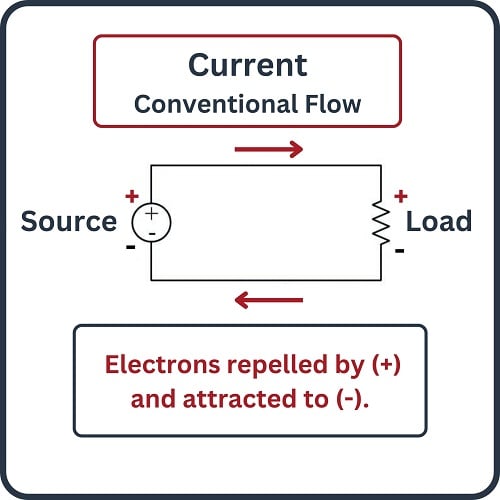
Imagine electricity as water flowing through pipes. The power source is the reservoir, and the wires are the pipes. An electrical load, in this analogy, would be akin to opening a tap or activating a sprinkler system. Each tap, or appliance, demands a certain amount of water, or electricity, to perform its function. The more taps open, the greater the collective demand on the reservoir. Similarly, the more electrical devices plugged in and turned on, the higher the electrical load on the power grid.
Electrically speaking, a load draws current and consumes power. This consumption typically manifests as work done (e.g., spinning a motor, heating an element) or light produced. Loads can be categorized in various ways, but for practical purposes, we often think of them by their power consumption characteristics:
- Resistive Loads: Convert electrical energy purely into heat or light (e.g., incandescent bulbs, heaters, toasters). They are simple and their power factor is typically 1.
- Inductive Loads: Create magnetic fields to perform work (e.g., motors, transformers, refrigerators, air conditioners). These loads cause the current to lag behind the voltage, impacting the power factor.
- Capacitive Loads: Store energy in an electric field (e.g., capacitors, long transmission lines). These loads cause the current to lead the voltage.
Most modern electrical systems are a complex mix of these load types. The aggregate demand from millions of homes, businesses, and industrial facilities creates a constantly fluctuating total load that the power grid must perpetually meet.
Why Load Management Matters
The ability of a power grid to reliably deliver electricity hinges entirely on its capacity to match supply with demand, or load. If the demand exceeds the supply, the grid becomes unstable, potentially leading to voltage drops, frequency deviations, and ultimately, widespread power outages or “blackouts.” Conversely, if supply significantly exceeds demand, it can also lead to instability and waste.
This delicate balance underscores the paramount importance of load management. Effective load management involves strategies and technologies designed to influence, predict, and optimize the consumption of electricity. It ensures grid stability, enhances efficiency by minimizing waste, reduces operational costs for utility providers, and ultimately safeguards the continuous flow of power that fuels our technological society. For businesses and consumers alike, understanding and influencing one’s own electrical load translates directly into significant financial savings and operational resilience.
The Technological Dimension of Load Management
In the 21st century, the concept of electrical load is inextricably linked with advancements in technology. From smart grids to AI-driven analytics, technology provides the tools and intelligence needed to manage, predict, and optimize energy consumption on an unprecedented scale. This synergy is not just about efficiency; it’s about building a smarter, more resilient, and sustainable energy future.
Smart Grids and AI in Load Forecasting
The traditional electrical grid was a relatively “dumb” system, with power flowing largely in one direction from large generation plants to consumers. Today, we are transitioning to “smart grids,” which integrate advanced digital communication, sensors, and control technologies. These grids can monitor, analyze, control, and communicate within the supply chain to help both consumers and utilities manage electrical demand.
Artificial Intelligence (AI) and machine learning are at the forefront of this revolution. AI-powered algorithms can process vast amounts of data – historical consumption patterns, weather forecasts, economic indicators, even social media trends – to predict future electrical load with remarkable accuracy. This “load forecasting” is crucial for utilities to plan generation, manage reserves, and optimize the distribution of power, minimizing waste and preventing potential overloads or underloads. Internet of Things (IoT) devices, ranging from smart meters in homes to industrial sensors, feed real-time data into these AI systems, creating a dynamic feedback loop that constantly refines load management strategies. This real-time visibility and predictive capability enable proactive responses rather than reactive ones, significantly enhancing grid resilience and operational efficiency.
Renewable Energy Integration and Demand Response
The global push towards renewable energy sources like solar and wind power introduces unique challenges to load management. Unlike traditional fossil fuel plants, renewables are intermittent; their output fluctuates with weather conditions. This variability means that the supply side of the energy equation is no longer entirely predictable or controllable.
This is where sophisticated load management, often enabled by technology, becomes critical. Demand response programs, for instance, incentivize consumers (both residential and industrial) to reduce their electricity consumption during peak demand periods or when renewable energy output is low. This can involve automatically adjusting thermostats in smart homes or temporarily powering down non-essential equipment in factories. Technologies like smart appliances, energy management systems, and even grid-scale battery storage solutions play vital roles in balancing the variable supply from renewables with the ever-present demand. By intelligently shifting or reducing load, we can maximize the utilization of clean energy, reduce reliance on fossil fuel “peaker plants,” and accelerate the transition to a sustainable energy future.
Powering Our Digital World: Data Centers and Edge Computing
Our increasingly digital lives rely on massive infrastructure that consumes prodigious amounts of electricity. Data centers, the unseen engines of the internet, are among the largest electrical loads globally. A single large data center can consume as much power as a small town. Managing this enormous load efficiently is not just about cost savings; it’s about ensuring uptime, optimizing cooling, and reducing the environmental footprint of digital services. Advanced power management units, AI-driven cooling systems, and redundant power supplies are all technological solutions aimed at maintaining stability and efficiency within these critical facilities.
The rise of edge computing – processing data closer to the source rather than in centralized data centers – represents another evolution in load distribution. By decentralizing some processing, edge computing can potentially distribute electrical load more evenly, reduce transmission losses, and provide greater resilience against localized power disruptions. While individual edge devices might have smaller loads, their collective impact, along with the sophisticated network required to manage them, underscores the ongoing technological challenges and opportunities in distributed load management.
The Economic and Financial Implications of Load
Beyond the technicalities, electrical load has profound financial implications for individuals, businesses, and entire economies. Energy costs represent a significant operational expense for many, and strategic load management can translate directly into substantial monetary savings and competitive advantages.
Energy Costs and Billing Structures
For both residential and commercial consumers, electricity bills are often more complex than a simple per-unit charge. Utilities frequently employ dynamic pricing models designed to reflect the fluctuating cost of generating and delivering power.
- Time-of-Use (TOU) Rates: Charge different prices for electricity depending on the time of day, with higher rates during “peak” demand hours (e.g., late afternoon/early evening) and lower rates during “off-peak” hours.
- Peak Demand Charges: Primarily for commercial and industrial customers, these charges are based on the highest amount of electricity consumed in any short interval (e.g., 15 minutes) during the billing cycle. Even if total consumption is low, a single spike in demand can lead to significant charges.
Understanding and managing one’s electrical load allows consumers and businesses to adapt their consumption patterns to these pricing structures. Shifting energy-intensive activities to off-peak hours, or employing demand-side management techniques to reduce peak load, can dramatically reduce monthly electricity expenses. This requires investment in smart meters, energy monitoring software, and potentially automated load control systems, which offer a clear return on investment (ROI) through sustained cost savings.
Investing in Energy Efficiency and Sustainability
The financial benefits of smart load management extend beyond just reducing current bills. Investing in energy-efficient appliances, HVAC systems, building management systems, and renewable energy installations (like rooftop solar) can significantly alter a facility’s overall electrical load profile. These investments, while requiring initial capital, often yield long-term financial returns through reduced operating costs, eligibility for government incentives (tax credits, rebates), and even participation in carbon credit markets.
For businesses, a strong commitment to reducing electrical load through efficiency and sustainable practices is increasingly becoming a strategic financial decision. It hedges against volatile energy prices, enhances financial stability, and aligns with growing investor demand for Environmental, Social, and Governance (ESG) performance. Furthermore, by participating in demand response programs, companies can receive direct payments or bill credits for their willingness to curtail usage during critical periods, turning their energy flexibility into a revenue stream.
The Business Case for Reliable Power
Beyond direct energy costs, the financial implications of electrical load management also encompass the cost of unreliable power. For many businesses – from data centers and manufacturing plants to retail operations and financial institutions – an unexpected power outage can be catastrophic. Downtime leads to lost productivity, missed sales, data corruption, and damaged equipment, translating into millions of dollars in losses.
Consequently, managing electrical load to ensure uninterrupted power supply becomes a paramount financial concern. This often involves investing in redundant power systems, uninterruptible power supplies (UPS), and backup generators. These are not merely technical components but critical financial insurance policies. Proactive load shedding and load balancing strategies can prevent overloads that might otherwise trigger grid instability or local circuit breakers, safeguarding operations and ensuring business continuity. The ability to guarantee consistent power is directly linked to a company’s financial health and operational viability.
Brand, Reputation, and Corporate Responsibility in the Age of Energy
In an era defined by increasing environmental awareness and corporate accountability, how a brand manages its electrical load and energy consumption has become a crucial element of its public image, reputation, and commitment to corporate social responsibility (CSR). Energy choices are no longer just operational decisions; they are brand statements.
Green Branding and Sustainability Initiatives
Consumers today are more informed and ethically conscious than ever before. They increasingly prefer brands that demonstrate a genuine commitment to sustainability and environmental stewardship. For many companies, showcasing proactive efforts in reducing electrical load, improving energy efficiency, and sourcing renewable energy has become a core component of their “green branding” strategy.
This can manifest in various ways:
- Public reporting: Transparently sharing energy consumption data and progress towards sustainability goals.
- Product innovation: Developing and marketing energy-efficient products and services that help customers reduce their own electrical load.
- Facility management: Implementing smart building technologies, LED lighting, and on-site renewable energy generation to lower the operational footprint.
- Certifications: Achieving industry-recognized sustainability certifications (e.g., LEED for buildings) that validate their efforts.
Such initiatives not only resonate with environmentally conscious consumers but also attract talent, satisfy investor ESG criteria, and foster a positive brand image that differentiates them in a competitive marketplace. A brand’s approach to electrical load directly reflects its values and commitment to a sustainable future.
Operational Resilience and Customer Trust
For brands whose services are intrinsically tied to stable and continuous power – think cloud computing providers, e-commerce platforms, telecommunication companies, or even modern healthcare facilities – effective load management is not just about cost or green branding; it’s about fundamental operational resilience and maintaining customer trust. A power outage, even a brief one, can disrupt critical services, lead to customer frustration, and severely damage a brand’s reputation for reliability.
Brands that actively invest in robust load management strategies, redundant power systems, and energy storage solutions are, in essence, investing in their promise to customers. The ability to withstand grid fluctuations, prevent service interruptions, and ensure data integrity becomes a cornerstone of their brand identity. Conversely, a failure to manage electrical load effectively, leading to frequent service disruptions, can erode customer loyalty, invite negative press, and inflict lasting damage on a brand’s perceived reliability and competence. Proactive load management is therefore a testament to operational excellence and a strategic imperative for safeguarding customer relationships.
The Future of Responsible Energy Consumption
As technology continues to advance and global energy demands intensify, brands are increasingly expected to lead the way in responsible energy consumption. This means not only optimizing their own electrical load but also contributing to broader energy solutions. This includes investing in research and development for energy-efficient products, advocating for smart grid policies, and collaborating with utilities to build a more resilient and sustainable energy ecosystem.
The discussion around “load” transcends a mere technical definition; it encapsulates the core challenges and opportunities of our modern energy landscape. It’s a concept that powerfully connects technology, financial prosperity, and brand reputation, urging us all – as individuals, businesses, and communities – to engage more thoughtfully with how we generate, consume, and manage the electrical power that sustains our world. The future belongs to those who understand, innovate, and act responsibly in the face of ever-evolving electrical loads.
aViewFromTheCave is a participant in the Amazon Services LLC Associates Program, an affiliate advertising program designed to provide a means for sites to earn advertising fees by advertising and linking to Amazon.com. Amazon, the Amazon logo, AmazonSupply, and the AmazonSupply logo are trademarks of Amazon.com, Inc. or its affiliates. As an Amazon Associate we earn affiliate commissions from qualifying purchases.