
In the world of consumer packaged goods (CPG), every detail of a product is a deliberate choice made by brand strategists to influence perception, justify price points, and drive loyalty. Perhaps no product illustrates the power of visual branding more subtly—and more effectively—than American cheese. When a consumer stands before the dairy case, they are often presented with a binary choice: white or yellow. While the culinary differences are virtually non-existent, the branding implications are vast.
The difference between white and yellow American cheese is not a matter of ingredients or quality, but a masterclass in brand strategy, historical positioning, and consumer psychology. Understanding this distinction provides deep insights into how corporate identity and market design shape our daily consumption habits.
The Psychology of Pigment: Visual Cues in Brand Strategy
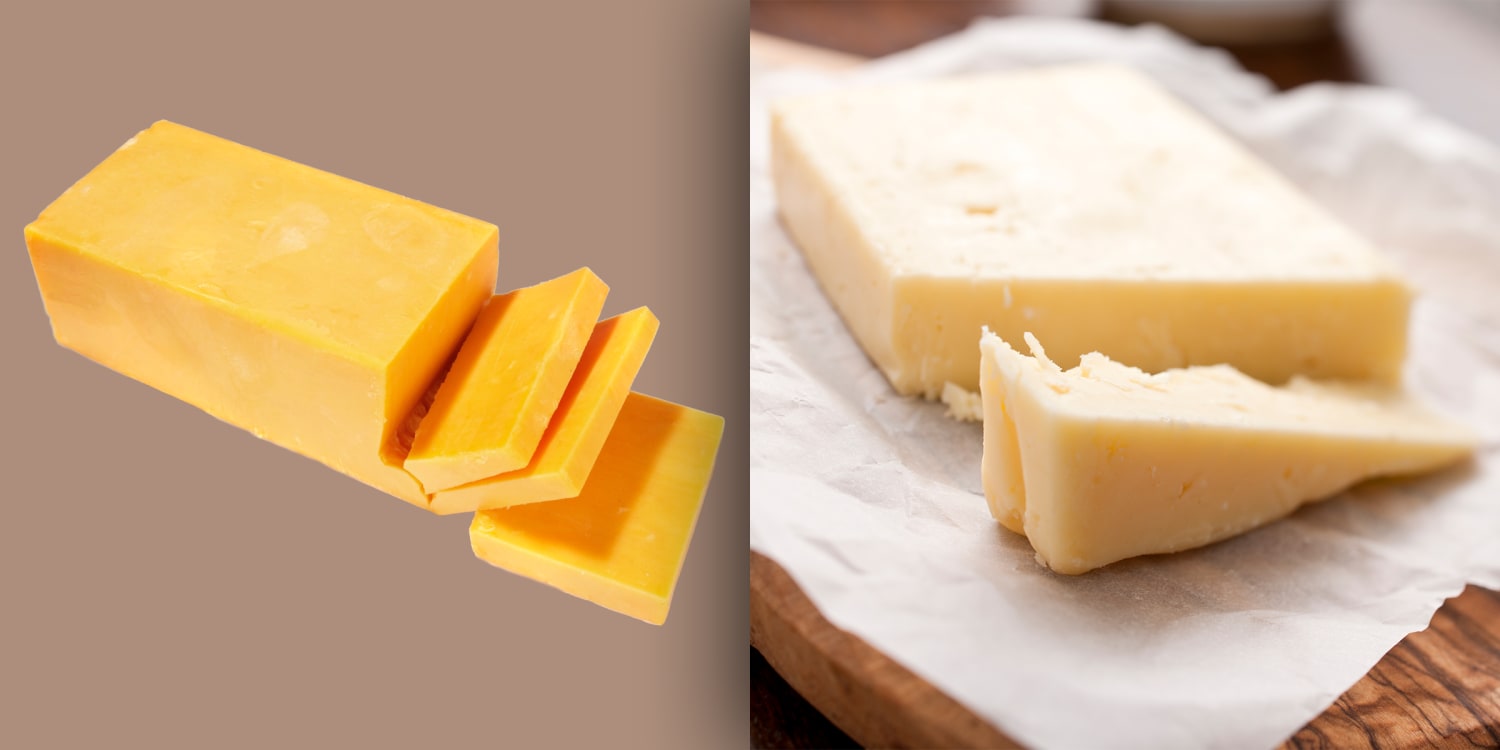
In brand design, color is never an accident. It is a non-verbal language that communicates a brand’s values before the consumer ever reads the label. When it comes to American cheese, the presence or absence of color is the primary tool used to segment the market.
Sensory Expectation and Consumer Perception
In the early days of dairy branding, color was used to signal richness. High-quality summer milk, rich in beta-carotene from fresh grass, produced a naturally golden hue. Brands eventually began adding annatto—a seed-derived coloring agent—to mimic this high-quality appearance year-round. Today, yellow American cheese has become a visual shorthand for “classic,” “comforting,” and “traditional.”
From a brand perspective, the vibrant orange-yellow hue of processed cheese evokes the nostalgia of the classic American sandwich. It is a visual cue that triggers an emotional response linked to accessibility and consistency. Brands that utilize this color are often positioning themselves as the “standard” or “utility” option, appealing to a mass-market demographic that values familiarity.
The “Natural” vs. “Gourmet” Aesthetic
Conversely, white American cheese has been strategically branded to represent “purity” and “cleanliness.” As consumer trends shifted toward the “Clean Label” movement, the removal of coloring agents became a powerful marketing tool. White cheese is often positioned as the “delicatessen” or “premium” choice.
By removing the annatto, brands can lean into a more artisanal corporate identity. This strategy targets the health-conscious or gourmet-leaning consumer who equates a lack of dyes with a more “natural” product. Even though the fat content and processing methods may be identical to the yellow counterpart, the white aesthetic allows brands to command a higher shelf position and, often, a higher price point.
Historical Market Positioning: From Farmhouse Traditions to Industrial Standards
To understand why a brand would choose one color over another, we must look at the historical trajectory of the dairy industry and how it informed modern corporate identity.
Origin Stories: From Cheddar Traditions to Processed Identity
The branding of yellow cheese traces its roots back to 17th-century England. Cheesemakers in the Gloucester region realized that consumers associated a yellow tint with high-fat content. To maintain a premium brand image even when using skimmed milk, they began adding saffron or annatto.
When American manufacturers began mass-producing “process cheese” in the early 20th century, they adopted this color to align their industrial product with the legacy of traditional cheddar. This was a strategic move to build trust. By mimicking the color of aged cheddar, early brands like Kraft were able to bridge the gap between “science-driven food” and “farm-fresh tradition.”
Standardization as a Corporate Value
One of the most critical aspects of brand strategy is consistency. For a brand like Kraft or Land O’Lakes, the ability to deliver the exact same shade of yellow in every package across the globe is a sign of industrial mastery. This standardization becomes a core part of the brand’s promise: reliability.
Yellow American cheese became the flagship of the industrial food movement because it could be standardized in a way that natural white cheese could not. This reliability allowed these brands to dominate the fast-food industry and the school lunch market, cementing the yellow slice as an American cultural icon.
Product Differentiation: Segmenting the Market Through Hue
In a competitive market, brands must find ways to differentiate their offerings to capture various segments of the audience. The choice between white and yellow is a primary tool for market segmentation.

White Cheese and the Move Toward Premiumization
In the current retail landscape, “White American” is frequently marketed under a different brand hierarchy than “Yellow American.” If you look at deli brands like Boar’s Head, their white American cheese is often presented as the sophisticated sibling. It is the cheese of the “Subway-style” sandwich or the high-end Philly Cheesesteak.
This is a deliberate move toward premiumization. By offering a white version, a brand can distance itself from the “processed” stigma associated with bright orange slices. It allows a corporate entity to play in both the “budget/family” space (with yellow) and the “gourmet/deli” space (with white) without needing to change the fundamental recipe of the product.
Yellow Cheese: The Iconic Utility Brand
Yellow cheese remains the king of utility. Its branding is focused on performance: it melts perfectly, it looks striking on a burger, and it is instantly recognizable. From a design standpoint, the contrast of yellow cheese against a brown burger bun or white bread is a powerful visual hook used in food photography and advertising.
Brands that stick to yellow are doubling down on the “Americana” brand identity. They are not trying to be artisanal; they are trying to be the “Original.” This is an example of a brand leveraging its legacy to maintain market share against newer, “cleaner” competitors.
Case Studies in Dairy Marketing: Kraft vs. The Artisanal Movement
Analyzing the corporate strategies of major dairy players reveals how they navigate the color divide to maintain their market dominance.
The Power of Consistency in Global Brands
Kraft Heinz is perhaps the most prominent example of using color as a brand asset. The specific shade of “Kraft Orange” is nearly as protected as a trademark. For Kraft, the yellow-orange hue is the brand. It represents a promise of a specific melting point and a specific flavor profile that has been consistent for decades.
When Kraft introduced “Select” or “Natural” lines, they often moved toward white or lighter hues. This internal brand architecture allows the parent company to capture the “nostalgia” market with their classic yellow singles while capturing the “health-conscious” market with white, “dye-free” alternatives.
Navigating the Clean Label Trend
As corporate transparency becomes a requirement rather than a choice, brands are facing a challenge: how to keep the iconic yellow color while adhering to “no artificial colors” demands. This has led to a shift in brand messaging. Many brands now emphasize that their yellow cheese is colored with “natural annatto,” turning a formerly hidden ingredient into a marketing highlight.
This pivot is a fascinating case of brand defense. Instead of abandoning the yellow identity that consumers love, they are rebranding the dye itself as a plant-based, natural additive. This allows them to maintain their visual identity while aligning with modern corporate social responsibility (CSR) and health trends.
The Strategic Importance of the “Halo Effect”
In branding, the “Halo Effect” occurs when one trait of a product influences the overall perception of that product. In the case of American cheese, the color creates a halo that affects how the consumer perceives the taste and quality.
Studies have shown that consumers often report that yellow American cheese tastes “sharper” or “more flavorful,” while white American cheese is perceived as “milder” or “creamier,” even when the chemical composition is identical. Brand strategists leverage these sensory illusions to direct their marketing copy. A yellow cheese might be marketed with words like “Bold” and “Classic,” while white cheese is marketed as “Smooth” and “Authentic.”
By understanding that color dictates the perceived flavor profile, brands can target specific culinary applications. They can market white cheese for upscale paninis and yellow cheese for backyard barbecues, effectively doubling their presence in the consumer’s refrigerator.
Conclusion: The Brand is in the Eye of the Beholder
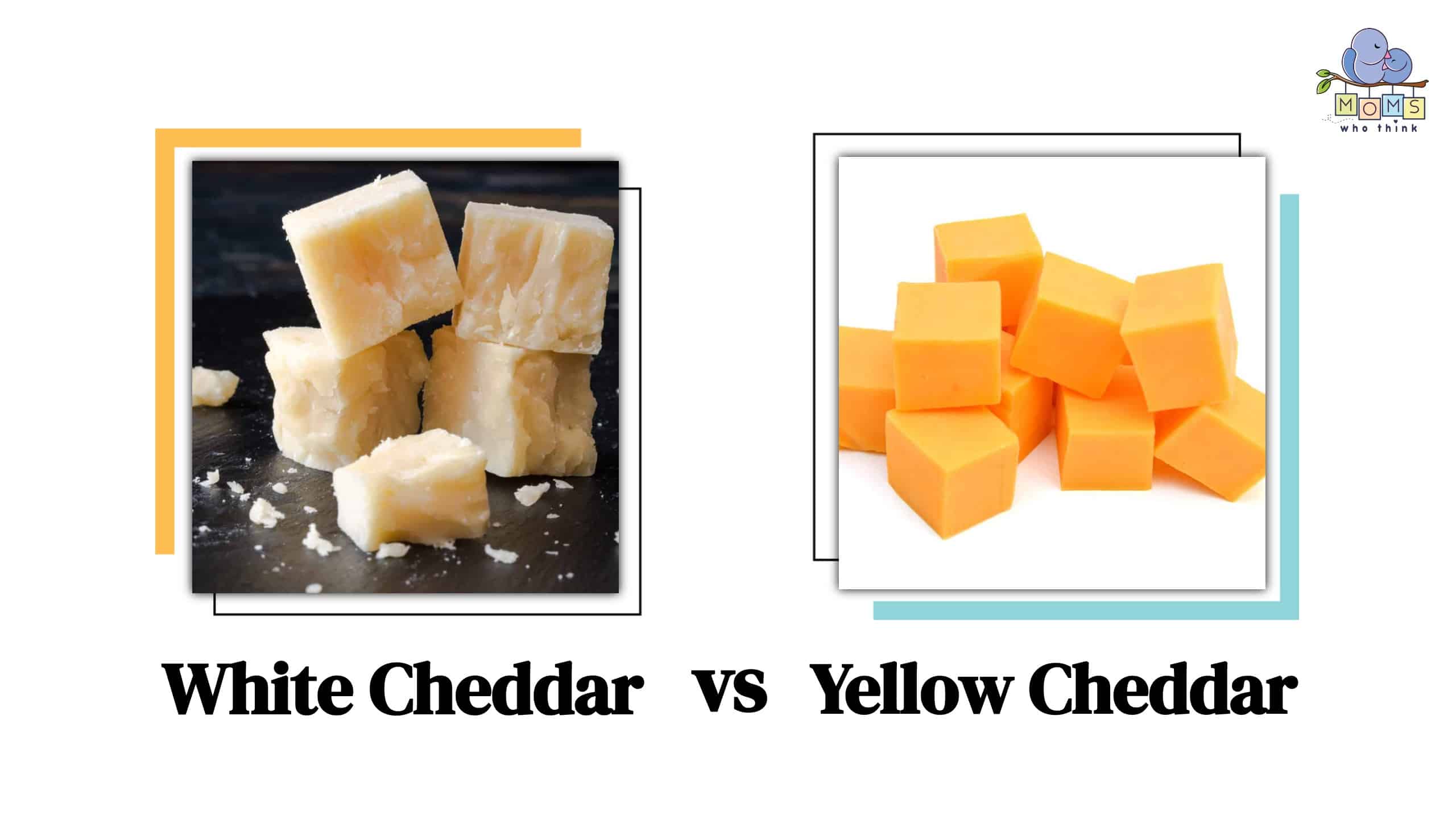
Ultimately, the difference between white and yellow American cheese is a testament to the power of branding over substance. While the milk, the cultures, and the processing methods remain largely the same, the strategic application of color allows companies to create two distinct market categories out of a single product.
White American cheese is a brand play for purity, premiumization, and the “clean label” consumer. Yellow American cheese is a brand play for tradition, consistency, and iconic American utility. For the corporate strategist, the choice between the two is not a culinary decision, but a move on a global chessboard of consumer perception. In the end, whether you choose white or yellow, you are not just choosing a cheese—you are buying into a carefully crafted brand identity that has been decades in the making.
aViewFromTheCave is a participant in the Amazon Services LLC Associates Program, an affiliate advertising program designed to provide a means for sites to earn advertising fees by advertising and linking to Amazon.com. Amazon, the Amazon logo, AmazonSupply, and the AmazonSupply logo are trademarks of Amazon.com, Inc. or its affiliates. As an Amazon Associate we earn affiliate commissions from qualifying purchases.