
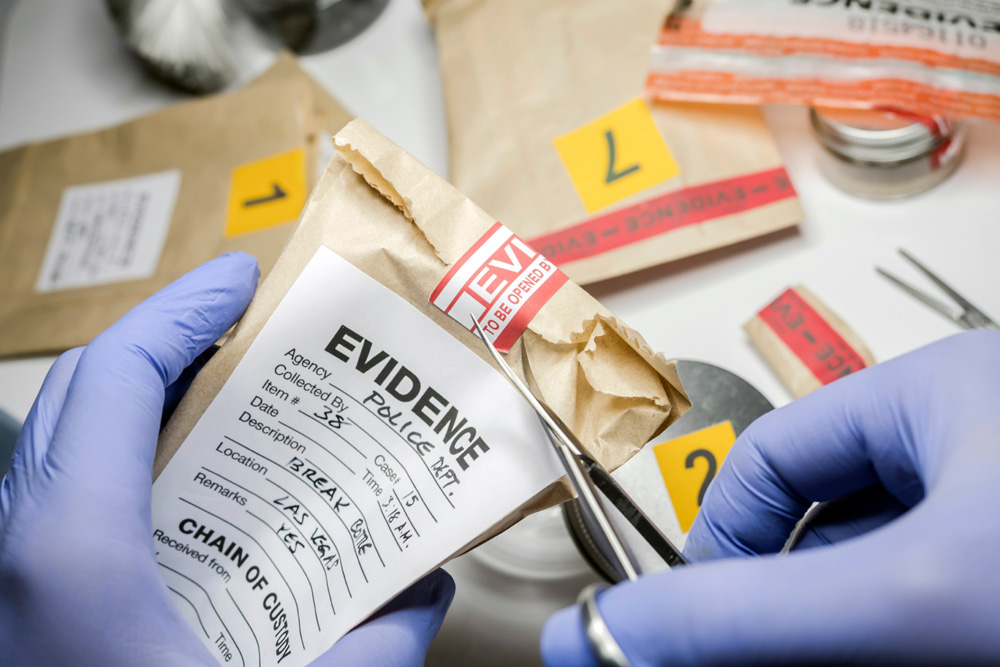
In the traditional legal landscape, tampering with evidence was often visualized as a dramatic act: a shredding machine working overtime in a dimly lit office, the wiping of fingerprints from a physical weapon, or the intentional misplacement of a paper file. However, as our lives and business operations have migrated into the digital realm, the definition and execution of evidence tampering have undergone a radical transformation. In the modern tech-driven world, evidence is no longer just physical; it is comprised of bits, bytes, metadata, and encrypted logs.
Understanding what constitutes tampering with evidence today requires a deep dive into digital forensics, cybersecurity protocols, and the sophisticated tools used to both alter and protect the integrity of data. As technology evolves, so too do the methods of manipulation, making the preservation of digital integrity one of the most critical challenges in contemporary law and corporate governance.
The Evolution of Evidence: From Physical Paper to Digital Data
The shift from physical to digital evidence has fundamentally changed how legal professionals and IT experts approach the concept of “tampering.” Today, most evidence is classified as Electronically Stored Information (ESI). This includes emails, server logs, social media posts, GPS data, and database entries. Unlike a physical document, digital evidence is volatile, easily duplicated, and—crucially—susceptible to subtle alterations that may not be visible to the naked eye.
Defining Digital Evidence Tampering
In a technological context, tampering with evidence refers to the unauthorized alteration, destruction, concealment, or falsification of digital data with the intent to impede an investigation or legal proceeding. This can range from a high-level executive deleting Slack messages before a regulatory audit to a hacker modifying server logs to hide their trail after a data breach. The legal threshold for “spoliation”—the term often used for the loss or destruction of evidence—hinges on the “duty to preserve.” Once a party anticipates litigation, any technical action that results in the loss of relevant data can be classified as tampering.
The Legal Implications of “Delete” and “Modify”
One of the most common misconceptions in the tech world is that clicking “delete” or “empty trash” permanently removes evidence. From a forensic perspective, deletion is often just a change in the file system’s index; the data remains on the disk until overwritten. Therefore, the act of attempting to delete data can be used as evidence of “guilty mind” (mens rea) in court. Furthermore, modifying a file’s “Last Accessed” or “Last Modified” timestamp is a form of tampering that tech-savvy investigators can easily detect through deeper analysis of the Master File Table (MFT) or system registry.
Technical Mechanisms of Tampering and Detection
As the methods for tampering become more sophisticated, the field of digital forensics has developed equally advanced methods for detection. The battle for digital truth is fought through the analysis of underlying file structures and cryptographic signatures.
Hash Values and the Digital Fingerprint
The gold standard for ensuring that digital evidence has not been tampered with is the use of cryptographic hash functions, such as SHA-256 or MD5. A hash function takes an input (a file, a folder, or an entire hard drive) and produces a unique, fixed-length string of characters. This is the file’s “digital fingerprint.”
If even a single bit of data is changed—such as adding a comma to a document or changing a single pixel in an image—the hash value will change completely. In digital forensic workflows, the first step is to “image” a drive and generate a hash. If the hash of the original matches the hash of the copy used for analysis, it proves that no tampering occurred during the investigation.
Metadata Manipulation: The Silent Red Flag
Every digital file contains metadata—data about the data. For an image, this might include the GPS coordinates of where it was taken, the device used, and the exact millisecond of creation. For a Word document, it includes the total editing time and the names of all previous contributors.
Tampering often involves attempts to scrub or “spoof” this metadata to create a false timeline of events. However, advanced forensic tools can cross-reference file metadata with system logs, network traffic, and even “shadow copies” created by the operating system. Discrepancies between these different data points are often the “smoking gun” that proves tampering has taken place.
Anti-Forensics Tools and Their Impact
There is a growing market for “anti-forensics” software designed specifically to prevent the recovery of data. These tools use techniques like “wiping” (overwriting data multiple times with random patterns), “steganography” (hiding data inside other files), and “trail obfuscation” (spoofing system logs). While these tools have legitimate uses for privacy, their deployment in the face of an investigation is a primary indicator of evidence tampering. Forensics experts look for the presence of such software as a red flag, often leading to a “negative inference” in legal settings—where the court assumes the destroyed evidence was unfavorable to the party who destroyed it.
Protecting Digital Assets: Cybersecurity Frameworks
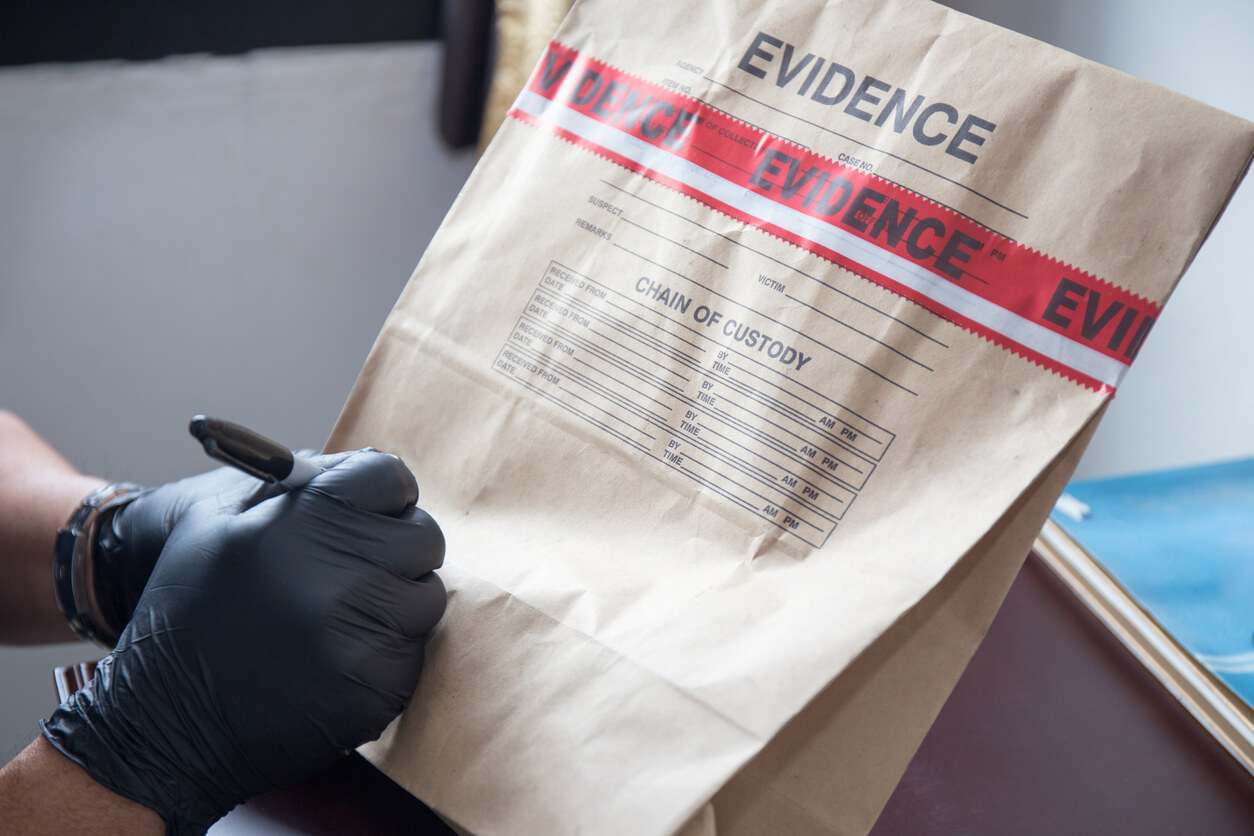
To prevent tampering, organizations must move away from reactive measures and toward proactive digital preservation frameworks. This involves integrating legal requirements into the very architecture of their IT systems.
Blockchain and Immutable Ledgers
One of the most promising technological solutions to evidence tampering is blockchain technology. By its nature, a blockchain is an immutable ledger. Once a transaction or a piece of data is recorded and validated across a decentralized network, it cannot be altered or deleted without the consensus of the entire network.
Enterprises are increasingly using blockchain to create “audit trails” for sensitive documents. By “anchoring” the hash of a document to a blockchain at the moment of its creation, a company can provide mathematical proof years later that the document has remained untampered. This creates a “trustless” environment where the integrity of the evidence is guaranteed by mathematics rather than human oversight.
The Role of EDR and SIEM in Evidence Preservation
Modern cybersecurity infrastructures utilize Endpoint Detection and Response (EDR) and Security Information and Event Management (SIEM) systems. These tools act as the “black box” of a corporate network. They continuously monitor and log every action taken on a system—who accessed what file, what processes were run, and what data left the network.
When tampering is suspected, these logs provide an immutable timeline that is difficult for even sophisticated actors to manipulate. Because SIEM systems typically aggregate logs in a centralized, read-only environment, an attacker (or an insider) who tampers with a local machine cannot easily reach into the SIEM to erase the record of their actions.
Future Trends in Evidence Integrity
The landscape of evidence tampering is shifting again with the advent of Artificial Intelligence and decentralized technologies. As we look forward, the challenge will be distinguishing between authentic data and highly sophisticated fabrications.
AI-Generated Content and Deepfakes
Perhaps the greatest threat to the integrity of evidence in the next decade is the rise of Deepfakes and generative AI. When a video, audio clip, or photograph can be generated from scratch to look indistinguishable from reality, the traditional definition of “tampering” expands. It is no longer just about altering existing evidence; it is about the “synthetic creation” of evidence.
To combat this, the tech industry is developing “Content Authenticity” protocols. Led by organizations like the C2PA (Coalition for Content Provenance and Authenticity), these standards involve embedding a digital “pedigree” into media files at the point of capture. This allows viewers to verify the source and see a history of any edits made to the file, effectively creating a built-in defense against AI-driven tampering.
Quantum Computing and the Threat to Traditional Encryption
As quantum computing matures, the cryptographic methods we currently use to verify digital integrity—such as the hash functions mentioned earlier—may become vulnerable. If a quantum computer can “crack” a hash, it could theoretically allow an actor to alter a file and then recalculate a hash that matches the original, making tampering completely invisible. The tech industry is already responding with “Post-Quantum Cryptography” (PQC), developing new algorithms that are resistant to quantum attacks to ensure that the digital evidence of the future remains secure.

Conclusion
Tampering with evidence has evolved from a physical act into a sophisticated digital battleground. In a world where data is our most valuable asset, the ability to verify its integrity is paramount. Whether through the use of cryptographic hashing, immutable blockchain ledgers, or advanced forensic analysis, technology provides the tools to both commit and detect tampering.
For businesses and individuals alike, the lesson is clear: in the digital age, nothing is truly “deleted,” and every action leaves a footprint. Maintaining digital integrity is not just a technical requirement; it is a fundamental pillar of justice and corporate accountability. As AI and quantum computing continue to reshape the horizon, our strategies for protecting the truth must be as dynamic and sophisticated as the technologies that threaten it.
aViewFromTheCave is a participant in the Amazon Services LLC Associates Program, an affiliate advertising program designed to provide a means for sites to earn advertising fees by advertising and linking to Amazon.com. Amazon, the Amazon logo, AmazonSupply, and the AmazonSupply logo are trademarks of Amazon.com, Inc. or its affiliates. As an Amazon Associate we earn affiliate commissions from qualifying purchases.