
In the high-stakes world of the global beverage industry, a product launch is rarely just about flavor. It is a calculated maneuver involving brand architecture, consumer psychology, and aggressive market positioning. When PepsiCo introduced Starry in early 2023, it wasn’t simply adding a new lemon-lime soda to the grocery aisle; it was executing a total brand pivot. By sunsetting the decades-old Sierra Mist and replacing it with Starry, PepsiCo signaled a massive shift in its corporate identity strategy, aiming to reclaim a territory long dominated by Coca-Cola’s Sprite.
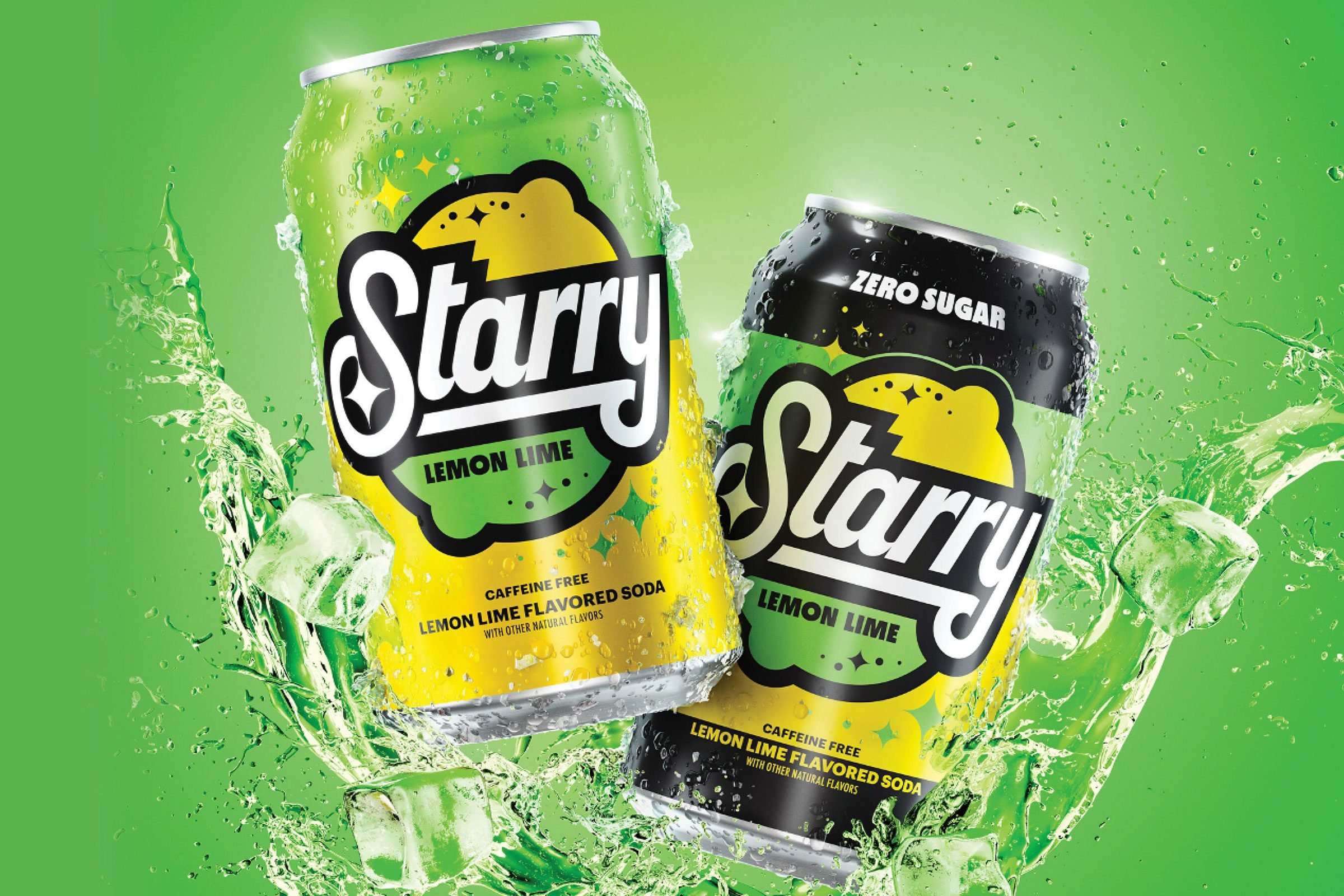
To understand “what is Starry drink” is to understand the evolution of modern branding. It is a case study in how a legacy corporation identifies a “brand-fit” gap and moves with surgical precision to capture a younger, more elusive demographic.
Decoding the Brand Identity: From Sierra Mist to Starry
The transition from Sierra Mist to Starry represents one of the most significant brand overhauls in the non-alcoholic beverage sector in recent years. To understand why Starry exists, one must analyze the perceived failure of its predecessor’s brand equity.
Why Sierra Mist Failed to Capture the Modern Market
Sierra Mist was launched in 1999 with a focus on “natural” ingredients, eventually pivoting to real sugar. While this appealed to a specific niche of health-conscious consumers, it failed to build a distinct cultural identity. In the world of brand strategy, Sierra Mist occupied a “liminal space”—it wasn’t as cool as Sprite, nor as nostalgic as 7-Up. Its branding was soft, focused on “mist” and “nature,” which lacked the high-energy, high-contrast visual language required to stand out in a digital-first economy. PepsiCo realized that to compete, they didn’t need a better version of Sierra Mist; they needed a completely different brand archetype.
The Visual Language of Starry: Optimism and Bold Design
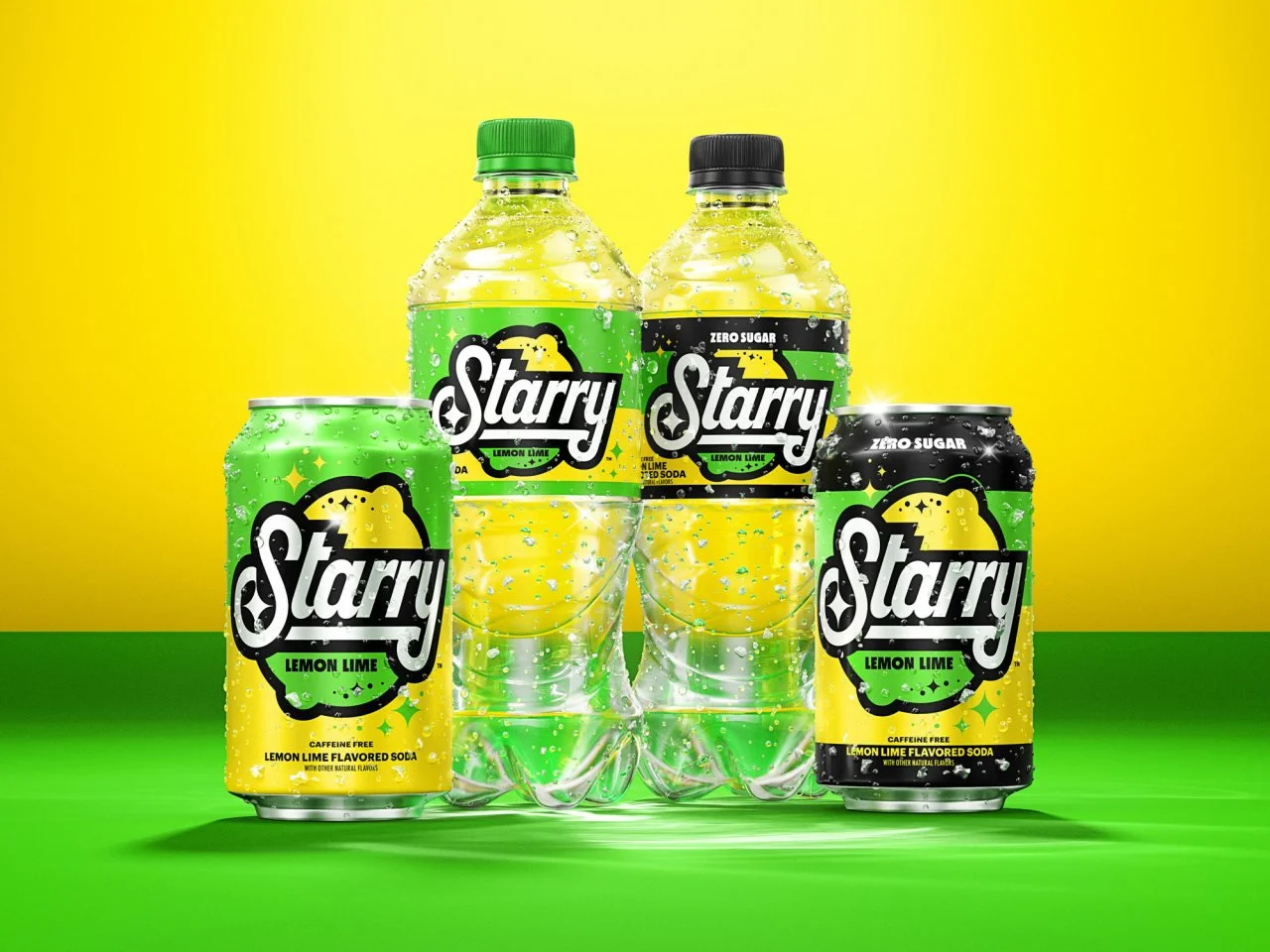
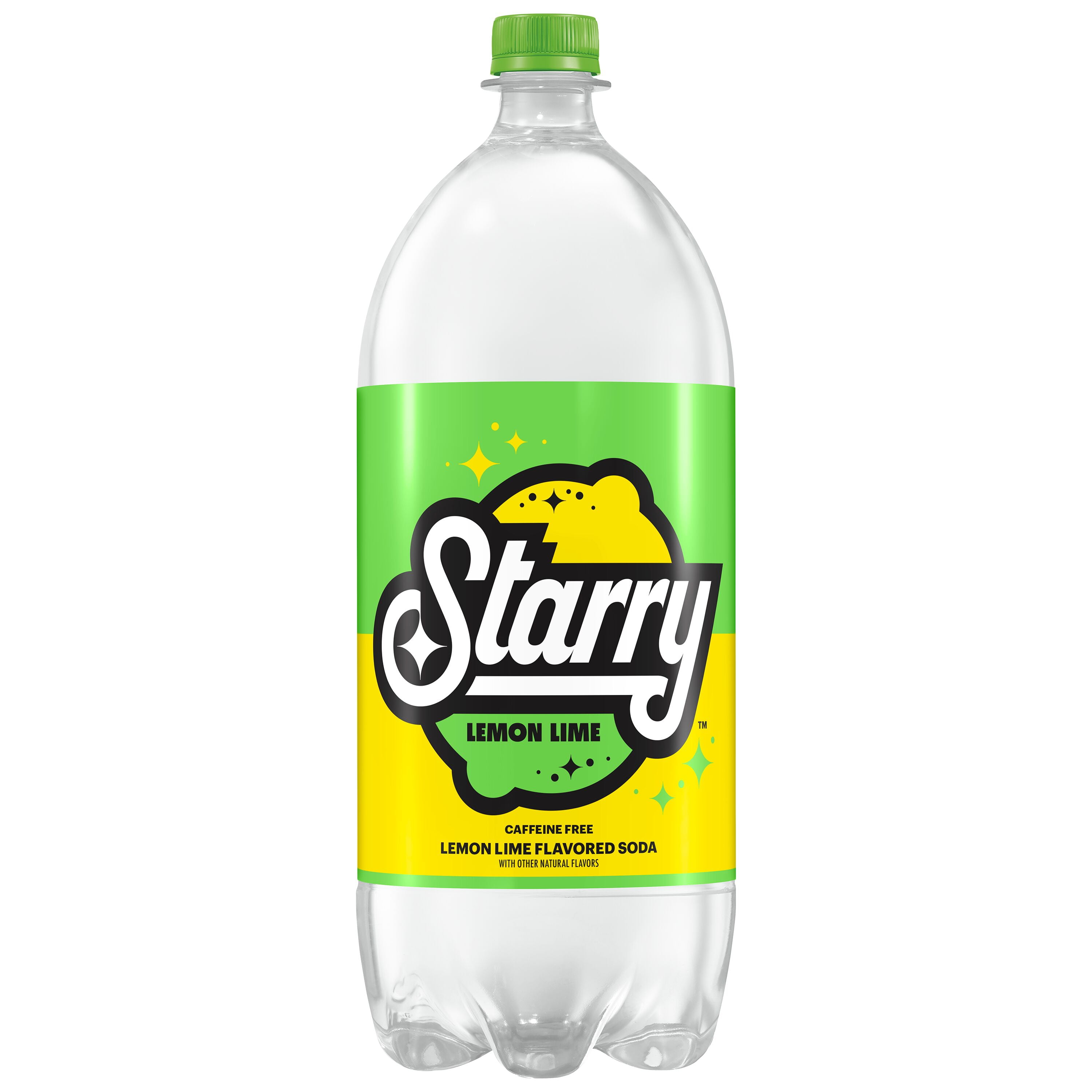
Starry’s visual identity is a masterclass in “Gen Z Aesthetic.” Moving away from the muted greens and blues of Sierra Mist, Starry utilizes a vibrant, high-contrast palette of bright lemon-yellow and lime-green, set against a deep black or dark green background. The typography is rounded, bold, and modern, signaling “optimism” and “energy.” This design choice is rooted in the “Dopamine Decor” trend—the idea that bright, clashing colors trigger positive emotional responses. In branding terms, Starry is designed to pop on a mobile screen and a retail shelf simultaneously.
Brand Voice: Engaging the Gen Z Consumer
The brand’s tagline, “Starry Hits Different,” is a direct appropriation of Gen Z slang. This is a high-risk, high-reward marketing tactic. When a corporate entity uses youth slang, it can often feel “cringe” or forced. However, Starry’s brand voice manages to maintain authenticity by leaning into a self-aware, eclectic, and slightly chaotic digital persona. The brand isn’t trying to be your father’s soda; it is positioning itself as the “refreshing” alternative to the status quo.
Strategic Positioning Against Category Leaders
The lemon-lime soda category is a multibillion-dollar segment, and for decades, Sprite has held a virtual monopoly on the “cool” factor within this niche. Starry’s market entry was a strategic disruption designed to challenge this dominance.
The Battle for Lemon-Lime Dominance: Sprite vs. Starry
Coca-Cola’s Sprite has successfully tethered its brand to hip-hop culture and basketball for over thirty years. For PepsiCo to gain a foothold, Starry had to find a different cultural “hook.” While Sprite leans into “Cool” and “Streetwear,” Starry leans into “Quirky” and “Inclusive.” By positioning Starry as the drink for the “eclectic” and the “online,” PepsiCo is attempting to bifurcate the market. They are not trying to take every Sprite drinker; they are trying to capture the new generation of drinkers who are looking for a brand that feels less like a legacy institution and more like a modern startup.
Leveraging PepsiCo’s Massive Distribution Network
The success of a brand is often determined by its “physical availability”—a core tenet of the Ehrenberg-Bass Institute’s marketing philosophy. Starry’s rapid “What is this?” to “It’s everywhere” trajectory was made possible by PepsiCo’s formidable bottling and distribution infrastructure. By replacing Sierra Mist’s shelf space overnight, Starry achieved 100% category presence instantly. This is a “power move” in brand strategy: using existing corporate muscle to force a new brand into the consumer’s consideration set without the slow build-up typical of a new product.
The Marketing Playbook: Cultural Relevance and Multi-Channel Campaigns
A brand is a promise kept, but a launch is a story told. Starry’s marketing playbook focused on high-visibility touchpoints that aligned with the brand’s high-energy persona.
Influencer Partnerships and Social Media Integration
Starry’s launch relied heavily on TikTok and Instagram, utilizing creators who embody the “eclectic” brand pillar. Rather than traditional celebrity endorsements, the brand initially sought out influencers who felt “native” to the platform. The goal was to create a “viral” loop where the drink became a prop in the background of the culture. This is the “Product-as-Content” strategy, where the packaging itself is so visually distinct that it serves as a creative asset for influencers.
Sports Marketing: The NBA Partnership as a Catalyst
In a bold move to challenge Sprite’s historic connection to the NBA, Starry became the official soft drink of the NBA, WNBA, and NBA G League in North America. By sponsoring the 3-Point Contest, Starry positioned itself at the center of “high-pressure, high-reward” moments. This partnership provided the brand with immediate “institutional” credibility. In the eyes of the consumer, a brand that sponsors the NBA is a “major league” brand, erasing any lingering “newcomer” skepticism.
Consumer Psychology and the “Refreshment” Narrative
At its core, the beverage industry sells an experience, not just a liquid. The branding of Starry is built on a specific psychological profile of the modern consumer: someone who is overwhelmed by information and seeking “crisp” clarity.
The Science of Flavor Profiling in Brand Loyalty
While the brand is the “software,” the liquid is the “hardware.” PepsiCo’s R&D team developed Starry to have a “crisper” finish than Sierra Mist. In consumer testing, “crisp” is a buzzword for refreshment. From a branding perspective, the name “Starry” itself evokes something bright, sparkling, and clean. The flavor profile—citrus-forward with a sharp carbonation—is designed to reinforce the visual promise of the packaging. When the taste matches the brand’s visual intensity, brand loyalty is forged.
Nostalgia vs. Innovation: Balancing Legacy with Newness
One of the greatest challenges in brand strategy is moving consumers away from a legacy product. There was a segment of the population that enjoyed Sierra Mist. To migrate these users, Starry had to offer something “better,” not just “different.” PepsiCo used a “Bridge Strategy,” ensuring that while the name and look were new, the category (lemon-lime) remained familiar. This minimized the “risk” of the switch for the consumer. It wasn’t a “new category” launch; it was a “category upgrade.”
Conclusion: The Future of Starry in the Global Beverage Portfolio
As Starry enters its second and third years of existence, its success will be measured by its “Brand Salience”—the ease with which a consumer thinks of the brand in a buying situation. By moving away from the “natural” positioning of Sierra Mist and toward the “cultural” positioning of Starry, PepsiCo has successfully revitalized its standing in the lemon-lime segment.
Starry is more than just a drink; it is a testament to the power of a cohesive brand strategy. It demonstrates that in the modern market, a brand must be bold, it must be digitally native, and it must have the courage to leave its past behind to secure its future. For marketers and business leaders, Starry serves as a reminder that when a brand no longer resonates, the answer isn’t always to “fix” it—sometimes, the answer is to reimagine it entirely, from the name up to the “vibe.” Starry has successfully navigated the transition from a corporate project to a cultural contender, proving that with the right branding, even the most crowded markets can be disrupted.
aViewFromTheCave is a participant in the Amazon Services LLC Associates Program, an affiliate advertising program designed to provide a means for sites to earn advertising fees by advertising and linking to Amazon.com. Amazon, the Amazon logo, AmazonSupply, and the AmazonSupply logo are trademarks of Amazon.com, Inc. or its affiliates. As an Amazon Associate we earn affiliate commissions from qualifying purchases.