
Polymorphism is widely considered one of the four pillars of Object-Oriented Programming (OOP), standing alongside Encapsulation, Inheritance, and Abstraction. Derived from the Greek words “poly” (many) and “morph” (forms), polymorphism in the context of Java refers to the ability of an object, a variable, or a method to take on multiple forms. For software engineers and developers, mastering this concept is not merely a matter of passing a technical interview; it is a fundamental requirement for building scalable, maintainable, and robust enterprise applications.
In the Java ecosystem, polymorphism allows developers to perform a single action in different ways. This versatility enables the creation of “generic” code that can process different types of objects through a unified interface, significantly reducing code redundancy and enhancing system extensibility.

The Two Primary Types of Polymorphism in Java
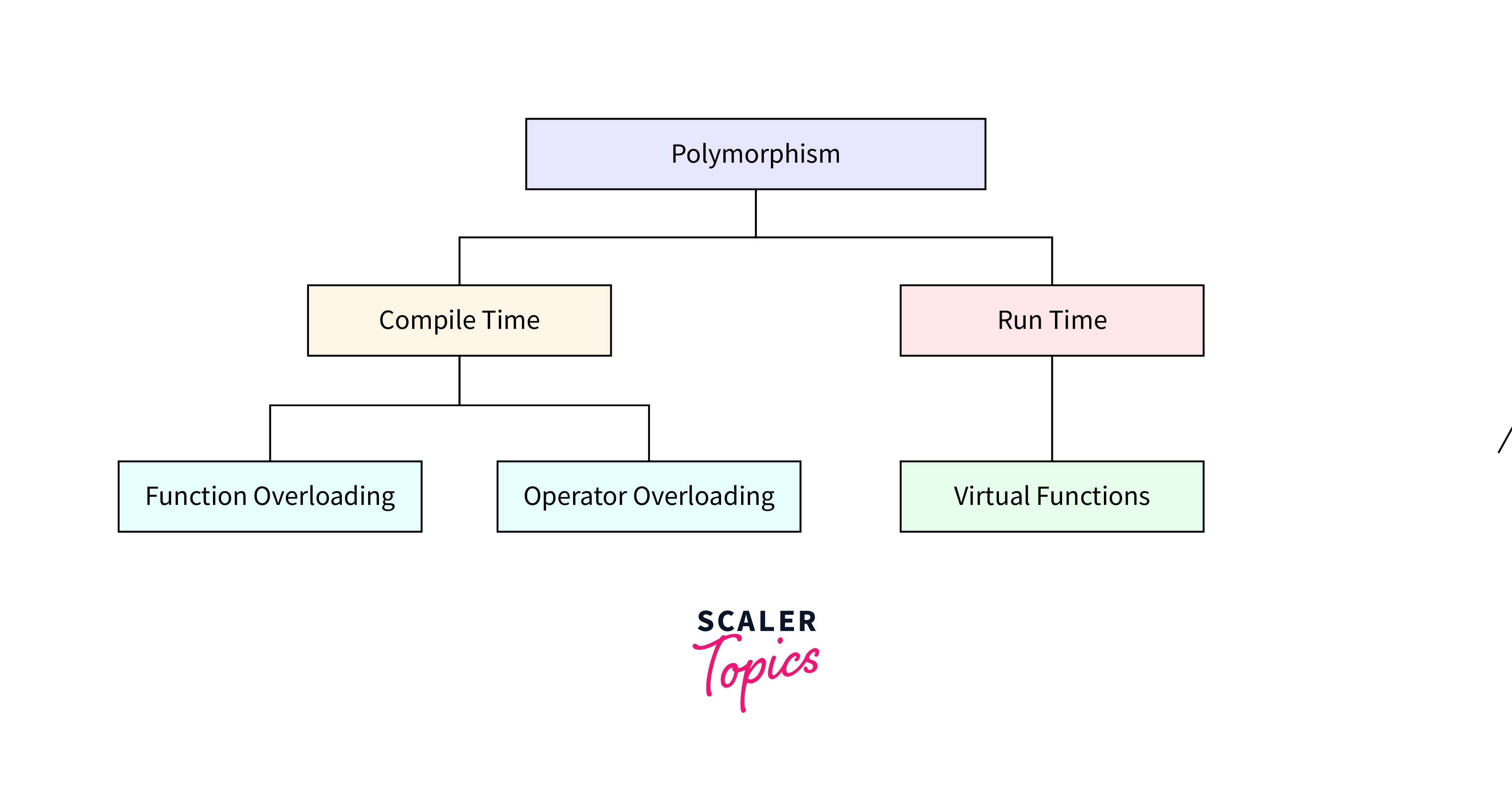
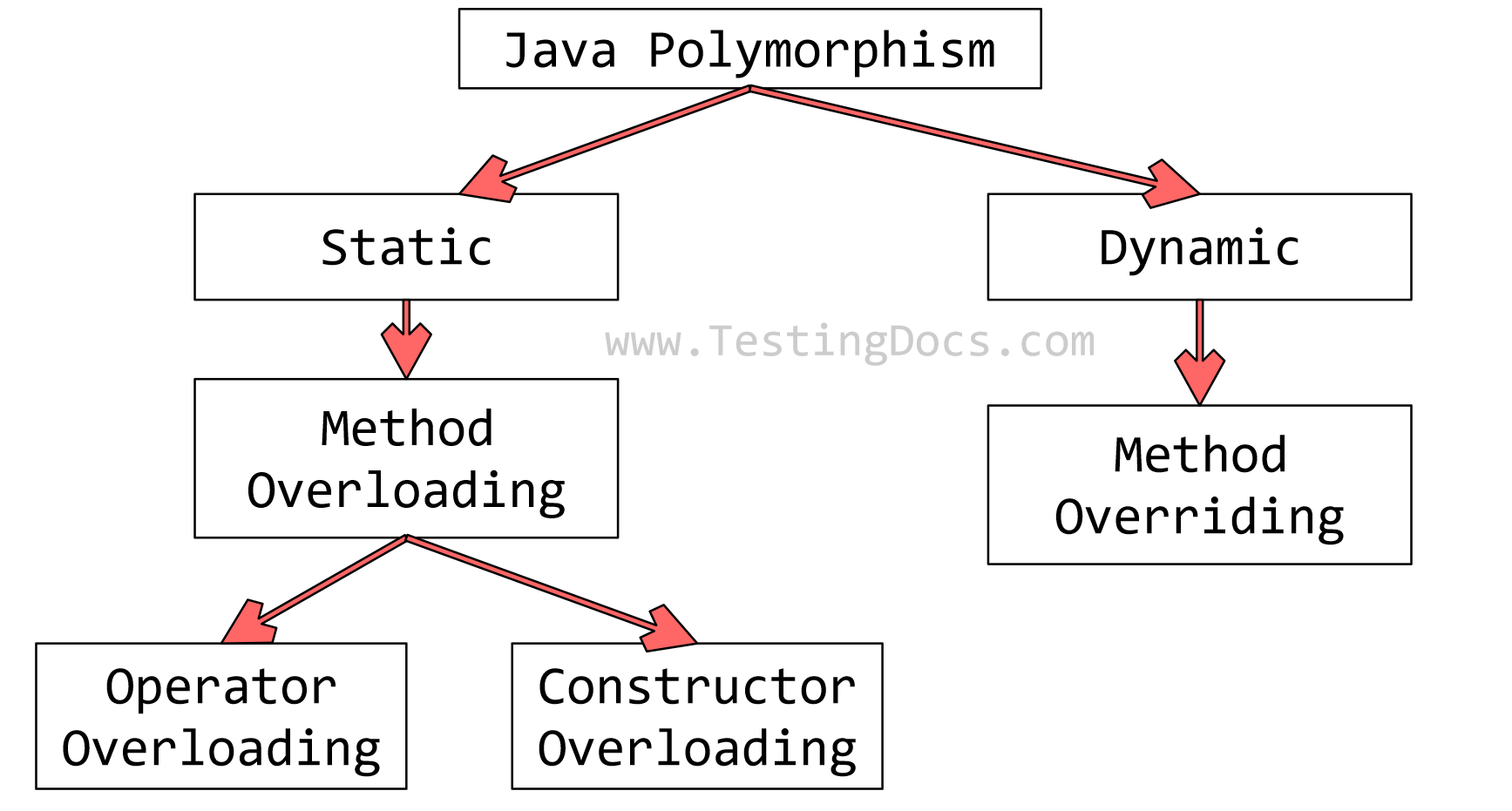
To understand how Java implements polymorphism, we must distinguish between the two stages of the program lifecycle where it occurs: compilation and execution. Java provides two distinct mechanisms—Method Overloading and Method Overriding—to facilitate these behaviors.
Compile-Time Polymorphism (Static Binding)
Compile-time polymorphism, also known as static polymorphism or early binding, is resolved by the Java compiler during the compilation process. The primary mechanism for achieving this is Method Overloading.
Method Overloading occurs when a class has multiple methods with the same name but different parameter lists (different types, number of arguments, or both). The compiler determines which method to invoke based on the method signature provided at the call site. Because this decision happens before the program even runs, it is highly efficient.
For example, consider a Logger class that provides a log method. You might want to log a simple string, an integer error code, or a complex object. By overloading the log() method, you provide a consistent interface for the developer while allowing the system to handle different data types appropriately.
Runtime Polymorphism (Dynamic Binding)
Runtime polymorphism, or dynamic method dispatch, is the process where a call to an overridden method is resolved at runtime rather than at compile time. This is achieved through Method Overriding.
Method Overriding occurs when a subclass provides a specific implementation for a method that is already defined in its superclass. The key to runtime polymorphism is the use of a superclass reference variable to point to a subclass object. When the method is invoked, the Java Virtual Machine (JVM) looks at the actual object type (not the reference type) to decide which version of the method to execute. This is the heart of flexible Java architecture, as it allows for the “is-a” relationship to be fully utilized.
Implementation Mechanics: Inheritance and Interfaces
Polymorphism does not exist in a vacuum; it relies heavily on the structures of inheritance and interfaces. These mechanisms provide the “contract” that ensures different objects can be treated as the same type.
The Power of Inheritance-Based Polymorphism
Inheritance allows a class (subclass) to inherit fields and methods from another class (superclass). Polymorphism leverages this by allowing a parent class reference to hold a child class instance.
Imagine a base class called Shape with a method draw(). Subclasses like Circle, Square, and Triangle all override the draw() method with their specific logic. In a graphics application, you can maintain a List<Shape> containing various shapes. When you iterate through this list and call shape.draw(), the JVM dynamically determines whether to draw a circle or a square based on the specific object instance. The calling code doesn’t need to know the specific type of shape; it only needs to know that it is a Shape.
Interface-Driven Polymorphism
While inheritance is powerful, Java’s support for single inheritance (a class can only extend one parent) can be limiting. This is where interfaces come in. An interface defines a contract—a set of methods that a class must implement—without dictating how those methods should work.
Interface-driven polymorphism is the backbone of modern Java frameworks like Spring and Hibernate. By coding to an interface rather than an implementation, developers can swap out the underlying logic without changing the client code. For instance, an interface called PaymentProcessor might have a method processTransaction(). Whether the actual implementation uses PayPal, Stripe, or a direct bank transfer, the rest of the application remains agnostic to the specific vendor.
The Role of the instanceof Operator and Type Casting
As we work with polymorphic references, we occasionally need to regain access to the specific features of a subclass that aren’t present in the superclass. This is where downcasting and the instanceof operator come into play.
The instanceof operator allows a program to test whether an object is an instance of a specific class or implements a particular interface. Once verified, the developer can safely cast the reference to the specific subclass type. While overusing instanceof can sometimes signal a design flaw, it remains a critical tool for handling complex object hierarchies where specific behaviors must be triggered based on an object’s concrete type.
Practical Benefits in Software Development
Understanding “how” polymorphism works is important, but understanding “why” it is used provides the insight necessary for high-level software design. Polymorphism is not just a syntax feature; it is a philosophy of clean code.
Code Reusability and Maintainability
One of the most immediate benefits of polymorphism is the reduction of “boilerplate” or repetitive code. Without polymorphism, developers would often find themselves writing long switch statements or if-else chains to check the type of an object before performing an action.
With polymorphism, these conditional blocks disappear. If you need to add a new type of object to your system, you simply create a new class that extends the parent or implements the interface. The existing logic that processes these objects remains untouched. This adheres to the “Open/Closed Principle” of SOLID design: software entities should be open for extension but closed for modification.
Extensibility through Design Patterns
Polymorphism is the fundamental ingredient in many classic Design Patterns. For example:
- The Strategy Pattern: Uses polymorphism to switch between different algorithms at runtime.
- The Factory Pattern: Uses a common interface to return different object types based on input, allowing the client to remain decoupled from the instantiation logic.
- The Observer Pattern: Relies on a common interface for “observers” so that a subject can notify various different objects of changes without knowing their specific types.
By utilizing these patterns, Java developers can create systems that are highly adaptable to changing business requirements.
Real-World Scenarios and Performance Considerations
To truly grasp polymorphism, it helps to see how it functions within a complex system, such as a modern enterprise application.
Case Study: A Cloud-Based Notification System
Consider a system designed to send notifications to users. There are multiple delivery channels: Email, SMS, and Push Notifications.
Instead of writing separate logic for each channel, a developer defines a NotificationProvider interface with a send(Message m) method. Classes like EmailProvider, SmsProvider, and PushProvider implement this interface. When a user triggers an event, the system fetches the user’s preferred providers and stores them in a collection. The system then loops through the collection and calls send(). If a new technology emerges—say, a messaging app integration—the developer only needs to write one new class. The core engine of the notification system requires zero changes.
Performance and the JVM
A common question among performance-conscious developers is whether runtime polymorphism introduces overhead. Because the JVM must look up the method implementation at runtime (a process known as virtual table lookup), there is a slight performance cost compared to static method calls.
However, modern Just-In-Time (JIT) compilers are incredibly efficient. Through a process called “monomorphic inline caching,” the JVM can often optimize these calls if it detects that a specific method is consistently called on the same object type. In almost all enterprise use cases, the benefits of code maintainability and flexibility far outweigh the negligible micro-overhead of dynamic dispatch.
Conclusion
Polymorphism in Java is a transformative concept that shifts the focus from “what an object is” to “what an object can do.” By allowing a single interface to represent multiple underlying forms, Java enables developers to write code that is elegant, extensible, and easy to debug. From the simplicity of method overloading to the architectural power of interface-driven design, polymorphism remains the cornerstone of professional Java development. As you continue to build complex software, remember that the goal of polymorphism is to decouple the “what” from the “how,” creating a seamless bridge between abstract logic and concrete implementation.
aViewFromTheCave is a participant in the Amazon Services LLC Associates Program, an affiliate advertising program designed to provide a means for sites to earn advertising fees by advertising and linking to Amazon.com. Amazon, the Amazon logo, AmazonSupply, and the AmazonSupply logo are trademarks of Amazon.com, Inc. or its affiliates. As an Amazon Associate we earn affiliate commissions from qualifying purchases.