
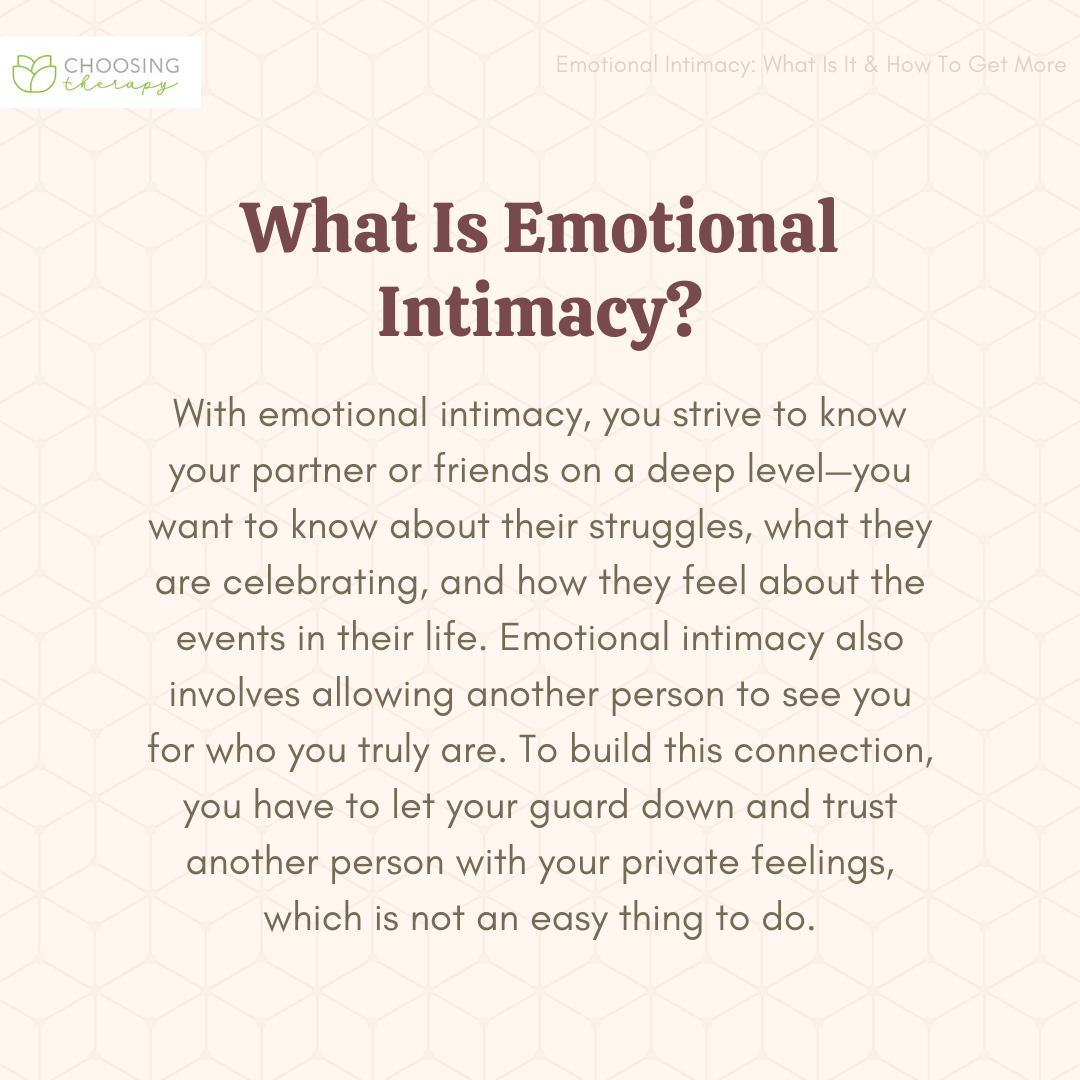
Emotional intimacy is the bedrock of deep, meaningful relationships, whether platonic, familial, or romantic. It’s the profound sense of connection, understanding, and trust that allows individuals to be truly vulnerable with one another, sharing their innermost thoughts, feelings, fears, and dreams without judgment. It’s a space where authenticity thrives, and both parties feel seen, heard, and deeply valued. While the essence of emotional intimacy remains timeless, its manifestation and the pathways to achieving it are continually reshaped by the evolving landscape of our modern lives, particularly through the lenses of technology, personal branding, and financial dynamics. Understanding emotional intimacy in today’s world requires us to look beyond conventional definitions and consider these contemporary influences.
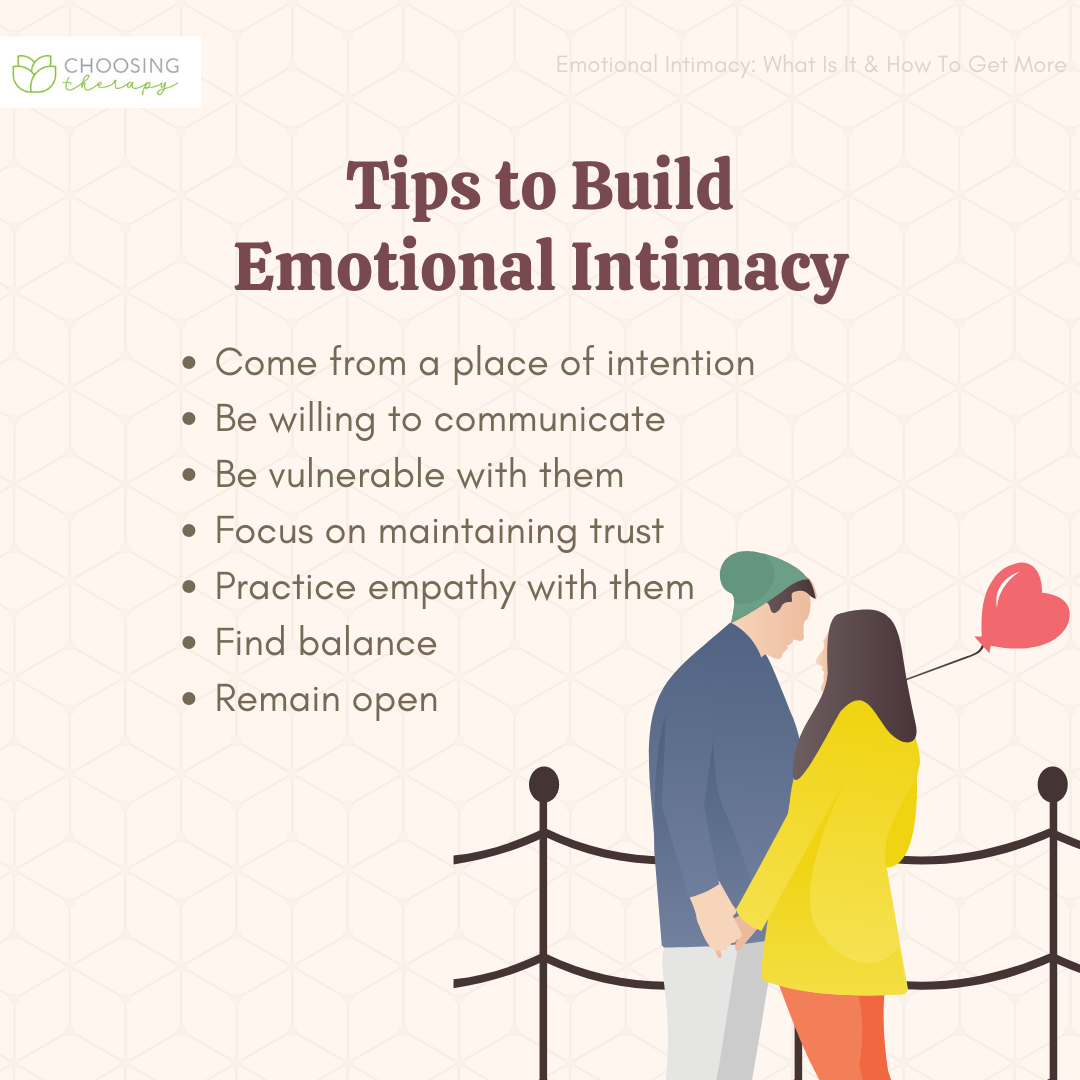
The Core Elements of Emotional Intimacy
At its heart, emotional intimacy is built upon several foundational pillars that foster a secure and nurturing environment for connection. These elements are universally applicable, providing a framework for understanding what true closeness entails.
Trust and Vulnerability
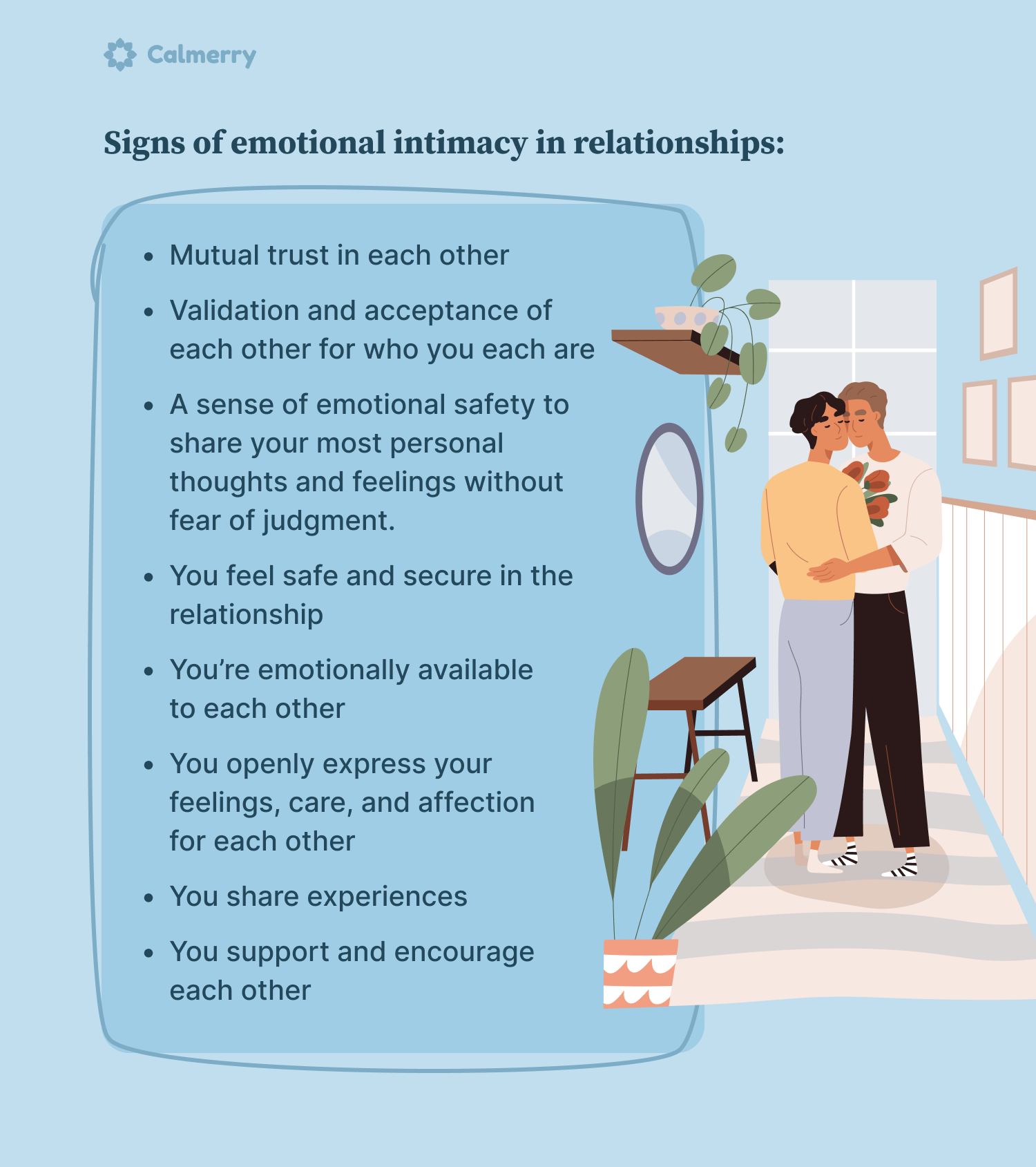
Perhaps the most crucial component, trust is the unwavering belief in another person’s reliability, integrity, and good intentions. It’s the confidence that they will not intentionally hurt you, betray your secrets, or exploit your weaknesses. Hand-in-hand with trust is vulnerability – the courage to reveal your authentic self, imperfections and all. This means sharing your fears, insecurities, past traumas, hopes, and dreams, knowing that they will be met with acceptance and empathy, not ridicule or dismissal. True intimacy blossoms when we drop our guards and allow ourselves to be truly seen. This isn’t a one-time act but an ongoing process of mutual disclosure and reaffirmation that deepens over time, creating a safe space for both individuals to be fully present and unmasked.
Open Communication and Active Listening
Emotional intimacy thrives on honest, direct, and empathetic communication. This isn’t just about exchanging information but about conveying feelings, needs, and desires clearly and respectfully. It involves being able to discuss difficult topics, express disagreements constructively, and share joyous moments with equal enthusiasm. Crucially, it also demands active listening – truly hearing and understanding what the other person is saying, both verbally and non-verbally, without immediately formulating a response or jumping to conclusions. Active listening involves asking clarifying questions, reflecting on what’s been said, and validating their experience, even if you don’t fully agree. It’s about creating a dialogue where both parties feel their voice matters and their perspective is acknowledged.
Empathy and Validation
Empathy is the ability to understand and share the feelings of another. It’s about putting yourself in their shoes, perceiving the world from their perspective, and recognizing the validity of their emotional experience. Validation, then, is the act of communicating that understanding and acceptance. It doesn’t necessarily mean agreeing with their perspective or choices, but rather acknowledging that their feelings are legitimate and make sense given their experience. When someone feels empathized with and validated, it strengthens their sense of being understood and cared for, fostering a profound sense of connection and reducing feelings of isolation. This emotional mirroring reinforces the bond and encourages further sharing, creating a virtuous cycle of intimacy.
Shared Experiences and Mutual Support
Emotional intimacy is also cultivated through the accumulation of shared experiences – both the mundane and the momentous. These can range from daily routines and inside jokes to navigating significant life challenges and celebrating major milestones together. These shared moments create a unique history and a deeper understanding of each other’s characters and coping mechanisms. Furthermore, mutual support is paramount; it’s the assurance that you have someone in your corner, ready to offer encouragement, comfort, and practical assistance when needed. This reciprocal giving and receiving of support reinforces the feeling of being a team, strengthening the bond and demonstrating commitment, especially during times of adversity.
Navigating Intimacy in a Digitally Saturated World
In an age dominated by screens and constant connectivity, the quest for emotional intimacy takes on new dimensions. Technology, while offering unprecedented tools for connection, also presents unique challenges and distractions that can either foster or hinder deep emotional bonds.
The Double-Edged Sword of Communication Technology
Technology’s impact on intimacy is undeniably complex. On one hand, tools like video calls, instant messaging, and social media platforms can bridge geographical distances, allowing long-distance partners, friends, and family to maintain a sense of closeness. They facilitate immediate sharing of moments, thoughts, and feelings, making it easier to stay updated on each other’s lives and offer timely support. For individuals with social anxiety or those in marginalized groups, online communities can provide safe spaces for sharing and finding kindred spirits, fostering a sense of belonging that might be harder to achieve offline.
However, the proliferation of digital communication also introduces significant pitfalls. The sheer volume of information and constant notifications can lead to “phubbing” (phone snubbing), where individuals prioritize their devices over the person in front of them, eroding presence and creating feelings of neglect. Social media, while connecting us to many, often promotes curated, idealized versions of life, fostering comparison and potentially leading to feelings of inadequacy or envy that can strain relationships. The ease of superficial connection online can also sometimes replace the effort required for deep, meaningful, in-person interactions, where subtle non-verbal cues and shared physical presence are vital for building true intimacy. Moreover, the immediacy of digital communication can sometimes lead to misunderstandings, as tone and context are often lost in text, escalating conflicts rather than resolving them.
Leveraging Technology for Deeper Bonds
The key to navigating this digital landscape lies in mindful integration. Rather than demonizing technology, we can leverage it strategically to enhance, not replace, emotional intimacy. This means setting boundaries, such as designating “no-phone zones” during meals or intimate conversations. It involves using video calls not just for information exchange but for sharing genuine emotional expressions, recreating some of the nuances of in-person communication. Couples and families can use shared digital calendars or apps to coordinate schedules, plan activities, and remind each other of important dates, demonstrating thoughtfulness and shared commitment. Technology can also be a tool for self-reflection and emotional growth; mindfulness apps, mood trackers, or online therapy platforms can help individuals better understand and regulate their own emotions, making them more capable of engaging in intimate connections. Ultimately, technology serves as a tool; its impact on intimacy is determined by how consciously and intentionally we choose to wield it.
AI, VR, and the Future of Connection: Opportunities and Perils
Looking ahead, emerging technologies like Artificial Intelligence (AI) and Virtual Reality (VR) present intriguing, if somewhat unsettling, prospects for emotional intimacy. AI companions and chatbots are becoming increasingly sophisticated, capable of engaging in seemingly empathetic conversations and offering personalized support. While these tools can combat loneliness for some, especially the elderly or isolated, they also raise questions about the nature of genuine connection. Can an AI truly understand or feel? Can a relationship with an algorithm provide the same depth of emotional fulfillment as one with another human being, including the messiness, unpredictability, and mutual growth that characterize human relationships?
Similarly, VR and Augmented Reality (AR) offer immersive shared experiences, allowing people to “meet” and interact in virtual spaces regardless of physical location. This could revolutionize long-distance relationships, making shared activities and even physical touch simulations more realistic. However, the risk lies in potentially retreating further into virtual worlds, where relationships might feel safer or more controllable than the complexities of real-world interactions. As these technologies evolve, society will need to grapple with the ethical and psychological implications for how we define and pursue emotional intimacy, ensuring that the convenience of technology does not inadvertently diminish the profound value of authentic human connection.
Building an Authentic “Relationship Brand”
In a world saturated with personal branding and corporate identities, we can gain insights into emotional intimacy by metaphorically applying some of these concepts to our relationships. Understanding how we present ourselves and how we perceive the “brand” of our relationships can offer valuable perspectives on fostering genuine connection.
The Personal Brand vs. Authentic Self in Relationships
Our modern society often encourages the cultivation of a “personal brand” – a carefully curated image we present to the world, particularly online. This brand highlights our strengths, achievements, and desired persona, often masking vulnerabilities and imperfections. While useful in professional contexts, bringing this branded self into intimate relationships can be detrimental. Emotional intimacy demands authenticity; it requires dropping the facade and revealing the true self, complete with flaws, fears, and insecurities. If an individual is constantly operating from their “personal brand,” they risk creating a barrier to true closeness, as their partner may feel they are connecting with an image rather than the real person. The pressure to maintain a perfect online persona can make vulnerability feel risky, thereby inhibiting the very essence of emotional intimacy. Recognizing this tension and actively choosing to prioritize authenticity over perfection is a critical step towards deeper connection.
Cultivating a Shared Identity: The “Brand” of a Couple or Family
Just as individuals have personal brands, relationships themselves – be it a couple, a family, or a close-knit group of friends – develop a “relationship brand” or a shared identity. This isn’t about marketing, but about the collective values, traditions, and unique dynamics that define the relationship. What message does your relationship “brand” send to yourselves and to the outside world? Is it one of mutual respect, shared laughter, unwavering support, or perhaps one of constant conflict or emotional distance? Cultivating a strong, positive relationship brand involves consciously defining shared values, creating meaningful traditions, and presenting a unified front when appropriate. This shared identity strengthens the emotional bond, giving both individuals a sense of belonging to something greater than themselves. It reinforces the idea that “we” are a unit, with a distinct character and purpose, which deeply contributes to emotional intimacy.
Learning from Brand Loyalty: Consistency, Trust, and Value Proposition in Relationships
Businesses strive for brand loyalty by consistently delivering on their promises, building trust, and offering a compelling “value proposition” to their customers. Metaphorically, these principles hold significant lessons for emotional intimacy. Consistency in affection, support, and presence builds a powerful sense of security and reliability in a relationship. Just as consumers trust brands that consistently meet their needs, partners trust those who reliably show up, follow through on commitments, and maintain a steady emotional presence. The “value proposition” of a relationship could be defined by the unique emotional benefits it provides – the sense of belonging, unconditional love, intellectual stimulation, or shared adventure. When both partners consistently provide high emotional value and build trust through their actions, the “loyalty” to the relationship deepens, making it resilient through challenges. Understanding these parallels can inspire a more intentional approach to nurturing the enduring qualities that sustain emotional bonds.
The Financial Foundation of Emotional Intimacy
While often considered a practical rather than an emotional matter, money plays a profound and often overlooked role in shaping emotional intimacy. Financial dynamics can be a source of deep connection or significant conflict, revealing much about an individual’s values, fears, and ability to collaborate.
Money Talks: The Gateway to Deeper Trust and Understanding
Discussions about money are often fraught with anxiety, yet they are crucial for building emotional intimacy. True financial transparency – openly sharing incomes, debts, spending habits, and financial goals – is a powerful act of vulnerability and trust. It requires laying bare potential insecurities, past mistakes, and future aspirations. When partners can have honest, non-judgmental conversations about money, it signals a deep level of trust and a willingness to operate as a unified team. These conversations are not just about numbers; they reveal underlying values, priorities, and attitudes towards security, risk, generosity, and future planning. Successfully navigating financial discussions, even when there are disagreements, builds resilience in the relationship and fosters a deeper understanding of each other’s perspectives and emotional triggers related to finances. Conversely, financial secrecy or power imbalances can severely erode trust and create significant emotional distance.
From Scarcity to Security: How Financial Stability Impacts Emotional Well-being
Financial stress is a leading cause of relationship strife, directly impacting emotional intimacy. The constant pressure of making ends meet, dealing with debt, or worrying about the future can deplete emotional resources, making individuals less available for empathy, patience, and connection. When basic financial security is lacking, the focus shifts to survival, leaving little room for emotional nurturing. Conversely, achieving a degree of financial stability or working collaboratively towards shared financial goals can significantly reduce stress, allowing individuals to redirect their energy towards emotional and relational needs. Shared financial goals – whether saving for a home, retirement, or a shared experience – create a powerful sense of partnership and a tangible future to work towards together. This shared purpose strengthens the emotional bond, demonstrating mutual commitment and a unified vision for their life together.
Investing in Relationships: Time, Experiences, and Shared Futures
Beyond literal financial investments, the concept of “investing” extends to how we allocate our resources, time, and energy within a relationship. While money can purchase experiences, it’s the shared experiences that create lasting emotional memories and strengthen bonds. Prioritizing quality time, planning joint activities, and investing in shared hobbies or learning opportunities are all forms of investing in the relationship’s emotional capital. This can range from a dedicated date night to planning a joint vacation, or even simply committing to regular, undistracted conversation. Furthermore, financial planning for a shared future – be it a joint savings account for a dream trip, shared property, or long-term financial security for a family – represents a tangible commitment that reinforces emotional intimacy. It signifies a belief in the relationship’s longevity and a willingness to intertwine destinies, building a foundation of emotional and financial interconnectedness.
In conclusion, emotional intimacy, though rooted in fundamental human needs for connection and belonging, is profoundly shaped by the contemporary world. What emotional intimacy looks like today is an intricate tapestry woven with threads of personal vulnerability, mindful technological engagement, conscious relationship building akin to brand development, and transparent financial stewardship. To cultivate deep, lasting bonds in the 21st century, we must not only understand the timeless principles of trust, communication, and empathy but also learn to navigate and integrate these principles within our increasingly interconnected, branded, and financially complex lives. It is in this mindful synthesis that true and resilient emotional intimacy can truly flourish.
aViewFromTheCave is a participant in the Amazon Services LLC Associates Program, an affiliate advertising program designed to provide a means for sites to earn advertising fees by advertising and linking to Amazon.com. Amazon, the Amazon logo, AmazonSupply, and the AmazonSupply logo are trademarks of Amazon.com, Inc. or its affiliates. As an Amazon Associate we earn affiliate commissions from qualifying purchases.