
The term “hulled” often surfaces in discussions about agriculture, food processing, and even certain technological applications involving grains and seeds. While seemingly straightforward, understanding what it means to be “hulled” unlocks a deeper appreciation for the processes involved in preparing these vital resources. This article delves into the technological advancements and methodologies that define hulling, exploring its significance in various industries and its surprising connections to the digital world, particularly in the realm of data processing and computational techniques.
The Mechanical and Biological Imperative of Hulling
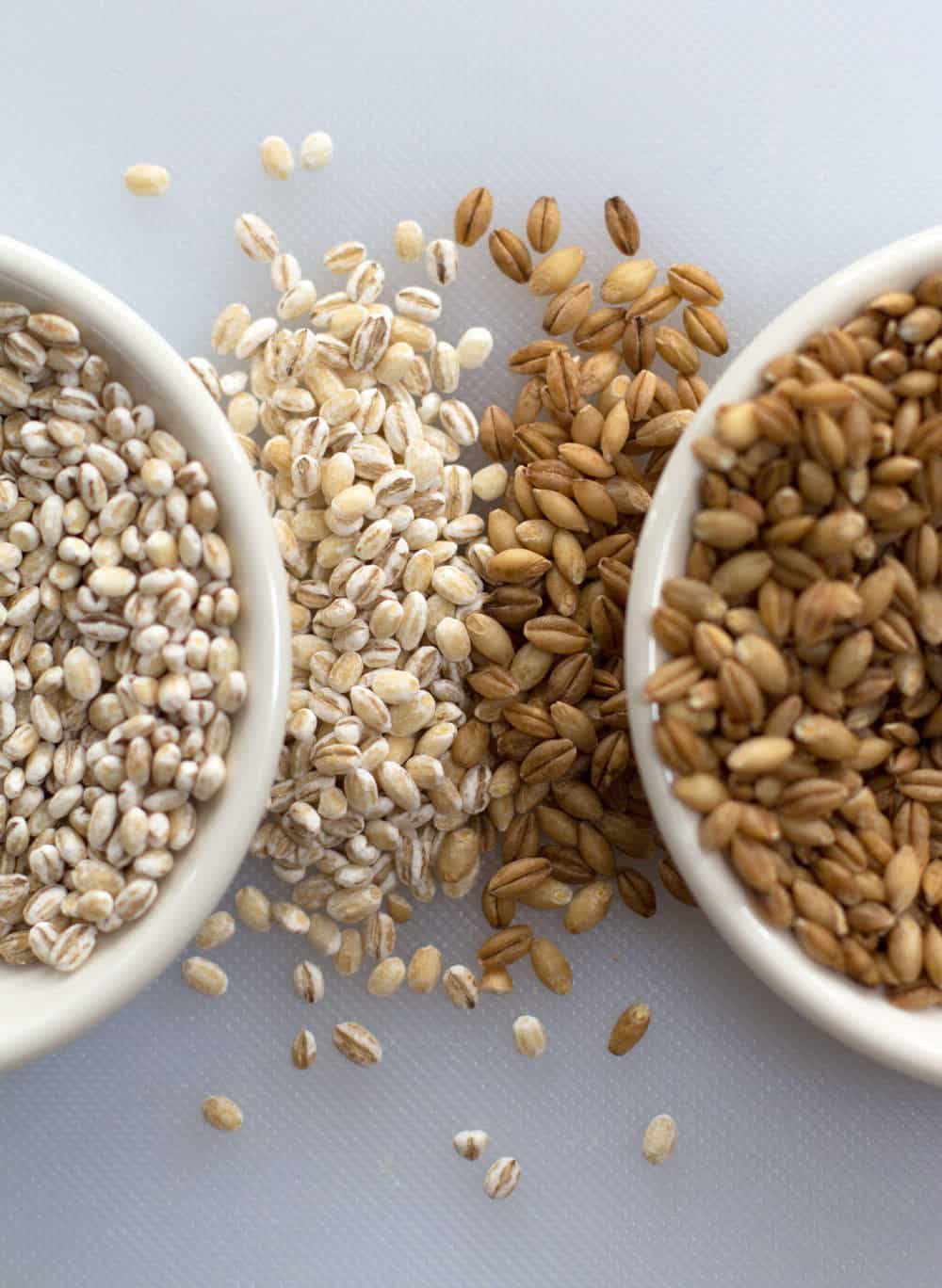
Hulling, at its core, is the process of removing the outer husk or hull from a seed, grain, or legume. This seemingly simple mechanical action is underpinned by a complex interplay of biological structures and engineering principles. The hull itself serves a crucial protective function for the seed, shielding it from environmental damage, pests, and premature germination. However, for human consumption, industrial processing, and even for specific technological applications, this protective layer often needs to be removed to access the nutrient-rich kernel within or to prepare the material for further transformation.
The Structure of the Hull: A Biological Fortress
Understanding the biological architecture of a seed’s hull is fundamental to comprehending the challenges and intricacies of hulling. Hulls are typically composed of tough, fibrous materials, often including cellulose and lignin. These structural components provide rigidity and resilience, making them resistant to abrasion and degradation. The specific composition and thickness of the hull vary significantly across different species. For instance, the tough outer casing of a rice grain (paddy rice) is considerably different from the papery husk of a sunflower seed or the tough shell of a peanut. This variability dictates the type of mechanical force and processing techniques required for effective hull removal. Biologically, the hull can also contain specialized cells that contribute to water impermeability, disease resistance, and even germination inhibition, all of which are critical for the plant’s survival but pose a hurdle during processing.
Mechanical Principles in Action: From Simple to Sophisticated
The technology of hulling has evolved dramatically over millennia, driven by the need for increased efficiency, reduced labor, and higher quality end products. Early methods relied on manual labor, employing tools like mortars and pestles, or simple threshing techniques. These were often labor-intensive and resulted in significant seed breakage. The advent of mechanization brought about revolutionary changes.
- Abrasion and Friction: Many modern hulling machines utilize abrasive surfaces to rub off the hull. Examples include rotary hullers where seeds are passed between rotating abrasive discs or cylinders. The friction generated effectively grinds away the outer layer without excessively damaging the kernel.
- Impact and Percussion: In some cases, impact or percussive forces are employed. Machines like hammer mills or impact hullers use rotating hammers or blades to strike the seeds, shattering the hull. This method is particularly effective for seeds with brittle hulls, but care must be taken to control the impact force to minimize kernel breakage.
- Shearing and Cutting: For tougher hulls, shearing or cutting mechanisms might be incorporated. Machines with rotating knives or blades can be used to slice through the hull, particularly for crops like sunflower seeds.
- Air Classification and Gravity Separation: Post-hulling, air jets and gravity-based separation systems are crucial. The lighter, often chaffy hulls are blown away by air currents, while the denser, hulled kernels settle. This technological pairing is vital for achieving a clean product.
- Fluidization and De-hulling: Advanced techniques sometimes involve fluidizing the seeds, suspending them in a stream of air or water. This allows for more uniform exposure to hulling mechanisms or facilitates the removal of loosened hulls through gentle agitation.
The design and operation of these machines are a testament to applied physics and mechanical engineering, optimizing for factors like throughput, energy consumption, seed damage rates, and the purity of the final hulled product.
The Digital Underpinning of Hulling Technologies
While hulling is fundamentally a mechanical and biological process, its modern execution is increasingly intertwined with digital technologies, particularly in the areas of process control, optimization, and data analysis. The transition from purely mechanical systems to intelligently controlled operations represents a significant technological leap, mirroring advancements seen in other industrial sectors.
Sensor Technologies and Real-Time Monitoring
Modern hulling facilities are equipped with a sophisticated array of sensors that provide real-time data on critical parameters. These include:
- Moisture Sensors: The moisture content of seeds significantly impacts their hulling characteristics. High moisture can make hulls gummy and difficult to remove, while excessively dry seeds are prone to breakage. Sensors provide continuous feedback, allowing for adjustments in processing speed or temperature.
- Pressure and Force Sensors: These sensors monitor the forces applied during hulling, ensuring that the optimal pressure is maintained to effectively remove hulls without causing damage to the valuable kernel.
- Optical Sensors and Image Processing: Advanced systems employ cameras and image processing algorithms to analyze the seeds in real-time. These can identify unhulled seeds, detect damaged kernels, and even assess the quality of the hulling process. This allows for automated sorting and rejection of subpar products.
- Vibration and Acoustic Sensors: Monitoring the vibrations and sounds produced by hulling machinery can indicate operational anomalies, such as worn parts or inefficient processing. This predictive maintenance capability reduces downtime and prevents costly failures.
Automation and Artificial Intelligence in Process Optimization
The data generated by these sensors feeds into automated control systems, which can dynamically adjust machine parameters. However, the true revolution lies in the application of Artificial Intelligence (AI) and Machine Learning (ML) to this data.
- Predictive Modeling: AI algorithms can analyze historical data to predict optimal processing parameters based on the specific type of seed, its condition, and environmental factors. This moves beyond reactive adjustments to proactive optimization.
- Machine Learning for Quality Control: ML models can be trained to identify subtle patterns in sensor data that correlate with product quality. This allows for a more nuanced and consistent quality control process than traditional manual inspection.
- Adaptive Control Systems: AI-powered systems can learn from ongoing operations and adapt their control strategies to improve efficiency and yield over time. This creates a self-optimizing hulling process that continuously refines its performance.
- Robotics in Post-Hulling Handling: While not directly part of the hulling mechanism itself, robotics are increasingly used in the handling and packaging of hulled products, further integrating digital automation into the entire supply chain.
This integration of digital technologies transforms hulling from a brute-force mechanical operation into a precise, data-driven process, significantly enhancing efficiency, reducing waste, and improving the quality and consistency of the final product.
The Data Dimension: Hulling as a Metaphor for Information Processing
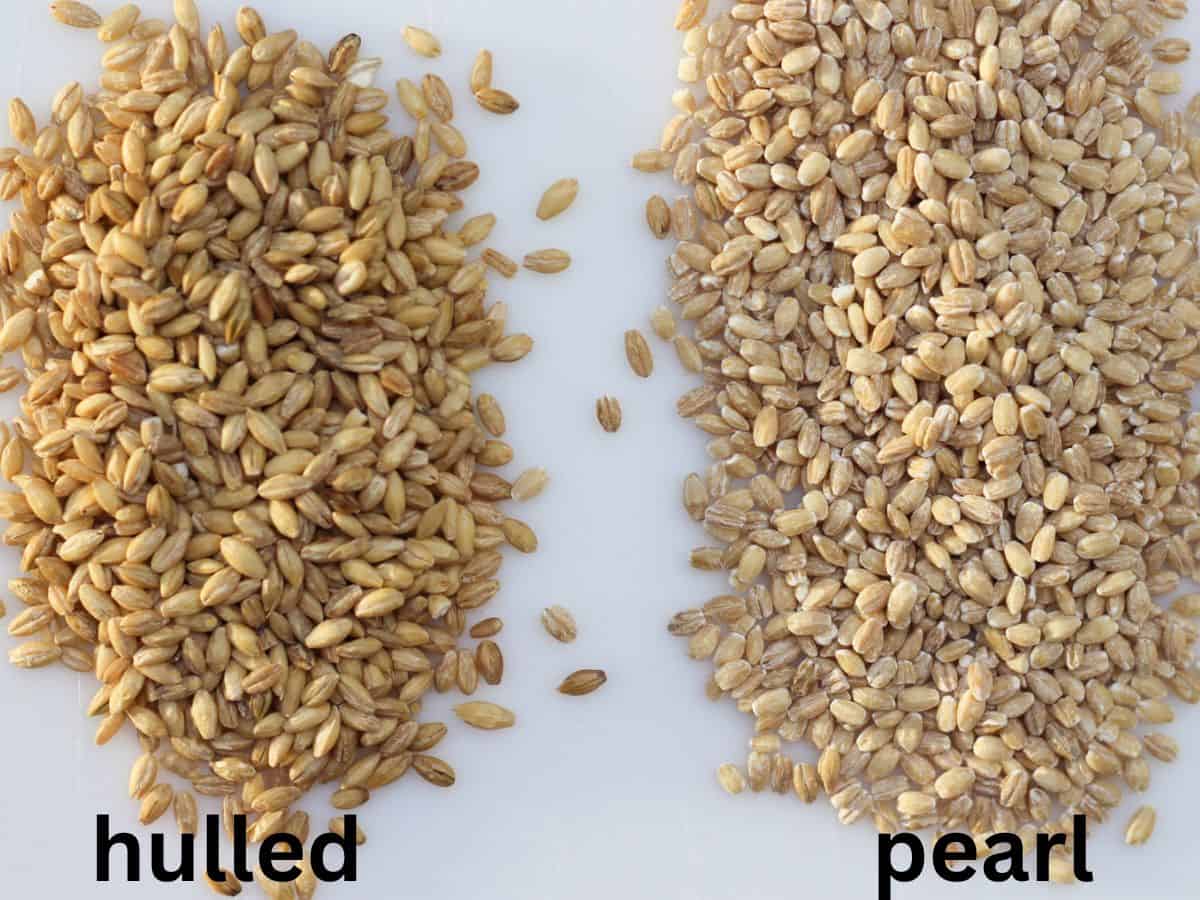
The technological processes involved in hulling offer a compelling analogy for how we handle and refine data in the digital realm. Just as hulling separates the valuable kernel from the unwanted husk, data processing involves extracting meaningful information from raw, often noisy, datasets. This metaphorical connection highlights the shared principles of isolation, purification, and value extraction.
Feature Extraction and Noise Reduction in Data
In data science, the concept of “feature extraction” is akin to hulling. Raw data, much like a raw seed, contains essential information (the kernel) embedded within extraneous or less relevant components (the husk). Feature extraction techniques aim to identify and isolate these key features, discarding noise and redundancy.
- Dimensionality Reduction: Techniques like Principal Component Analysis (PCA) or Singular Value Decomposition (SVD) can be seen as forms of “digital hulling.” They reduce the number of variables (dimensions) in a dataset by identifying the most significant underlying patterns, much like a hulling machine removes the outer layer to expose the core.
- Data Cleaning and Preprocessing: Similar to how hulling removes physical contaminants, data cleaning involves removing errors, duplicates, and inconsistencies. This “purification” process ensures that the subsequent analysis is based on accurate and relevant information.
- Filtering and Signal Processing: In signal processing, filters are used to remove unwanted frequencies or noise from a signal. This parallels the physical removal of the hull to isolate the desired signal (the kernel). The objective is to enhance the signal-to-noise ratio, making the underlying information more discernible.
Algorithm Design and Pattern Recognition
The algorithms designed to perform hulling can inspire approaches to pattern recognition and classification in AI. The iterative nature of some hulling processes, where seeds might be passed through multiple stages for finer separation, mirrors the layered approach often employed in deep learning models.
- Iterative Refinement: Algorithms that learn and refine their parameters over multiple iterations are conceptually similar to multi-stage hulling systems designed for increasingly precise separation. Each iteration aims to further isolate the desired component.
- Classification Tasks: The classification of seeds as “hulled” or “unhulled” based on their physical characteristics is a direct parallel to binary classification problems in machine learning, where data points are categorized into distinct classes.
- Unsupervised Learning and Clustering: In some hulling scenarios, where pre-defined criteria for “hulled” might be less rigid, unsupervised learning techniques could be applied. Clustering algorithms could group seeds based on their physical properties, allowing for the identification of distinct categories, some of which might represent optimally hulled material.
By understanding the technological principles behind physical hulling, we can draw valuable insights into the design and application of algorithms that extract meaningful information from complex digital datasets, ultimately driving advancements in AI and data analytics.
Implications and Future Trends in Hulled Product Technology
The technology behind hulling is not static. Continuous innovation is driven by demands for greater sustainability, higher efficiency, and the exploration of new applications for hulled seeds and grains. The future of hulling technology is likely to be shaped by advancements in materials science, robotics, and further integration with digital intelligence.
Sustainable Hulling Practices and Resource Optimization
Environmental concerns are increasingly influencing the design of hulling machinery. Efforts are focused on reducing energy consumption, minimizing water usage, and managing by-products more effectively.
- Energy-Efficient Designs: Innovations in motor technology, improved gear systems, and optimized machine configurations aim to reduce the energy footprint of hulling operations.
- Waterless Hulling Technologies: For certain crops, research is exploring methods that eliminate or significantly reduce water usage, addressing water scarcity concerns in agricultural regions.
- By-product Valorization: The hulls themselves, once considered waste, are now increasingly viewed as valuable by-products. Research into their use as animal feed, biofuels, or even as components in composite materials is driving new processing techniques that might influence hulling methodologies to optimize hull quality for these secondary uses.
Advanced Robotics and Automation in Seed Handling
The integration of robotics is set to revolutionize every stage of the seed processing pipeline, including hulling.
- Automated Sorting and Inspection: Robotic arms equipped with advanced vision systems can perform highly accurate sorting and inspection of seeds both before and after hulling, identifying and removing imperfections with greater speed and precision than human operators.
- Intelligent Material Handling: Robots can be programmed for efficient and gentle handling of seeds and hulled products, reducing damage during transport and packaging.
- Predictive Maintenance with AI: As mentioned earlier, AI algorithms will play a crucial role in predicting maintenance needs for robotic systems and hulling machinery, minimizing unplanned downtime and optimizing operational efficiency.

The Future of “Digital Hulling”: Enhanced Data Purity and Insight
The metaphorical connection between physical hulling and data processing will continue to strengthen. As datasets become larger and more complex, the need for sophisticated “digital hulling” techniques will grow.
- Explainable AI (XAI) in Data Processing: Just as understanding the mechanics of hulling allows for better control and predictability, the development of Explainable AI will be crucial for understanding how algorithms extract features and make decisions. This will build trust and enable more effective application of data insights.
- On-Device Data Processing: The trend towards edge computing will require efficient, on-device data processing, akin to compact and efficient hulling machines that can operate with minimal external infrastructure.
- Synthetic Data Generation: Techniques for generating synthetic data that mimic real-world scenarios will become increasingly important, requiring robust methods to “hull” or extract key informational characteristics from this generated data for training AI models.
In conclusion, the concept of “hulled” extends far beyond its agricultural origins. It embodies a fundamental technological principle of separation and purification that has evolved through sophisticated mechanical engineering and is now being augmented by the transformative power of digital technologies. From the precise mechanics of removing a grain’s husk to the complex algorithms that sift through vast datasets, the spirit of hulling—isolating the valuable essence from the extraneous—remains a driving force in innovation across industries. As technology continues to advance, the methods and implications of both physical and “digital hulling” will undoubtedly continue to shape our world.
aViewFromTheCave is a participant in the Amazon Services LLC Associates Program, an affiliate advertising program designed to provide a means for sites to earn advertising fees by advertising and linking to Amazon.com. Amazon, the Amazon logo, AmazonSupply, and the AmazonSupply logo are trademarks of Amazon.com, Inc. or its affiliates. As an Amazon Associate we earn affiliate commissions from qualifying purchases.