
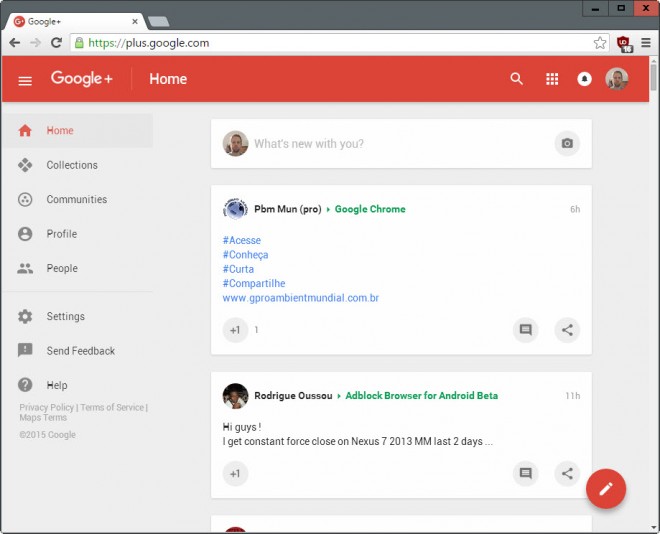
The digital landscape is a graveyard of ambitious projects that, despite significant investment and innovation, ultimately failed to capture widespread adoption or achieve their intended purpose. Among these fallen giants, Google+ (often stylized as G+) stands as a particularly poignant case study. Launched in 2011 with immense fanfare and a strategic aim to dethrone Facebook, Google’s foray into the social networking arena was met with initial curiosity and then, over time, a slow and steady decline that culminated in its eventual shutdown. Understanding “what is G+ Google” isn’t just about recalling a defunct social platform; it’s about dissecting the complex interplay of technology, user behavior, and market dynamics that led to its demise, offering invaluable lessons for the future of tech innovation and platform development.
The Genesis of a Social Giant: Google’s Strategic Imperative
Google, a titan of the internet primarily known for its search engine and advertising prowess, harbored a long-held desire to establish a significant presence in the burgeoning social media space. The early 2010s marked a period of explosive growth for social platforms, with Facebook emerging as the dominant force, wielding immense power over user data and online interaction. Google recognized that without a robust social offering, its ability to understand user intent, personalize experiences, and monetize through social advertising was fundamentally limited. This strategic imperative fueled the development of Google+, a platform designed not merely to compete, but to fundamentally reshape how users interacted with Google’s vast ecosystem and with each other.
The “Circles” Revolution: A Differentiated Approach to Privacy and Sharing
From its inception, Google+ aimed to differentiate itself from its primary rival, Facebook, by addressing perceived shortcomings in user privacy and control. The cornerstone of this differentiation was the introduction of “Circles.” This innovative feature allowed users to segment their connections into distinct groups – family, friends, colleagues, acquaintances, etc. – and then share specific content with only those chosen circles. This was a significant departure from Facebook’s more monolithic approach to sharing, where users often struggled to manage different audiences for their posts.
The Promise of Integration: Seamlessly Connecting Google’s Services
Beyond Circles, Google+ was conceived as a deeply integrated hub for Google’s suite of services. The vision was to weave social functionality into everything Google did, from Search and YouTube to Gmail and Calendar. A user’s Google+ profile would, in theory, become a central identity across the Google universe, enriching search results with social context, personalizing video recommendations, and facilitating collaboration. This promised a seamless and intuitive user experience, where social interaction would enhance, rather than detract from, the utility of Google’s existing products. The integration was intended to leverage Google’s existing user base and technical infrastructure to propel Google+ to rapid adoption.
The Unfolding Narrative: Challenges and User Adoption Hurdles
Despite its innovative features and the formidable resources of Google, Google+ struggled to gain and maintain traction with users. The platform’s journey was marked by a series of challenges that, over time, eroded its potential and contributed to its ultimate failure. These challenges were not solely technical; they encompassed user behavior, the network effect, and Google’s own strategic missteps.
The Network Effect: A Catch-22 for Social Platforms
One of the most significant hurdles for any new social platform is overcoming the “network effect.” This phenomenon posits that a platform’s value increases with the number of users. For Google+, this presented a classic catch-22: people were hesitant to join because their friends weren’t there, and their friends weren’t there because people like them weren’t joining. While Google aggressively pushed its existing user base to adopt Google+, the inherent inertia of established social connections on other platforms proved to be a powerful barrier. Users were already invested in Facebook’s ecosystem, its relationships, and its content. Migrating required a significant effort and a compelling reason, which Google+ struggled to provide consistently.
The “Ghost Town” Perception: Content and Engagement Deficit
As a consequence of slow adoption and the persistent dominance of other social networks, Google+ often suffered from a perception of being a “ghost town.” While a significant number of Google accounts were technically linked to Google+ profiles, active engagement and content creation were often sparse. Users would create profiles out of necessity or curiosity but found little incentive to post regularly or interact with others. This lack of vibrant content and active community feedback further reinforced the perception of emptiness, creating a vicious cycle that deterred new users and led existing ones to disengage.
Google’s Internal Conflicts and Strategic Indecision
Google’s approach to Google+ was also hampered by internal conflicts and a degree of strategic indecision. The platform was initially led by Vic Gundotra, who championed a bold, Facebook-challenging vision. However, after his departure, the platform’s direction became less clear, with various product teams within Google having different priorities and levels of commitment to integrating Google+ functionality. This led to inconsistent development, a dilution of its core vision, and a lack of unified strategic focus, which is crucial for the success of any large-scale platform initiative. Furthermore, the pressure to monetize Google+ directly often led to aggressive integration of advertising and data collection practices, which, while familiar to Google users, were perceived by some as intrusive within a social context.
The Inevitable End: Sunset and Lessons Learned
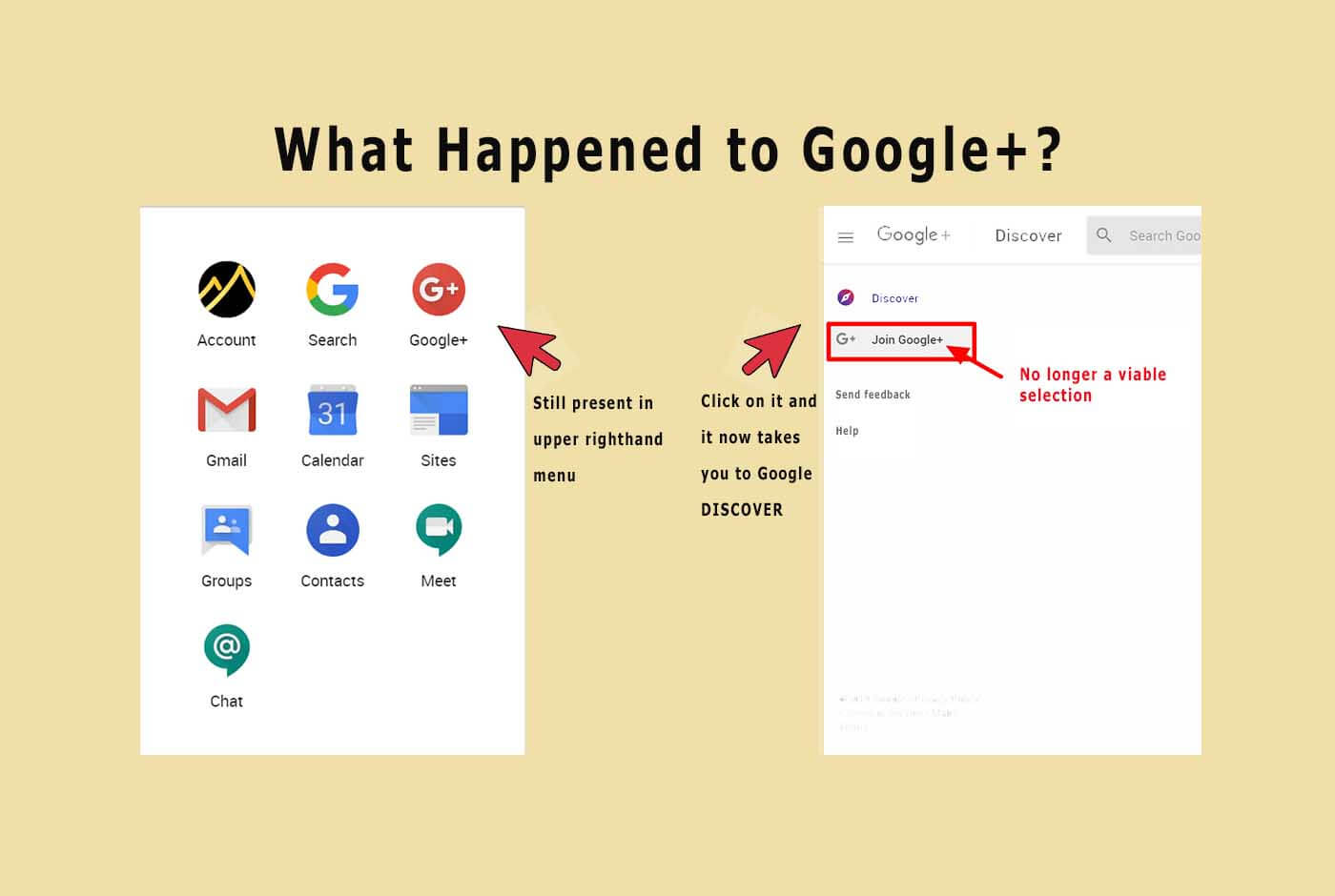
By the late 2010s, it was clear that Google+ was not going to achieve its ambitious goals. The platform had become a drain on resources with dwindling active users. In 2018, Google announced the shutdown of its consumer-facing Google+ social network, with the full closure occurring in April 2019. This marked the definitive end of Google’s significant effort to conquer the social media landscape.
The “Demise of G+” as a Tech Case Study
The story of Google+ serves as a critical case study in technology and platform development. It highlights the immense difficulty of dislodging incumbents, especially in network-driven industries like social media. It underscores the importance of understanding user behavior and motivations, not just technological capabilities. While Google+ possessed innovative features like Circles, it failed to resonate deeply with users in a way that outweighed their existing social commitments. The platform also serves as a cautionary tale about the challenges of integrating new technologies into vast existing ecosystems without alienating users or diluting the core value proposition of either.

Beyond Social Networking: The Lingering Impact of Google+
While Google+ as a social network is defunct, its legacy is not entirely erased. Many of the features and concepts pioneered on Google+, such as the enhanced privacy controls offered by Circles, have influenced subsequent platform designs. Furthermore, the data and insights gained from the Google+ experiment undoubtedly informed Google’s understanding of user engagement and social dynamics, likely influencing the development of other, more successful Google products. The integration of Google+ profiles into other Google services, like YouTube comments and Google Play reviews, even after the main platform’s shutdown, demonstrated the enduring effort to leverage social identity across Google’s ecosystem. The story of G+ Google is a powerful reminder that even the most technologically advanced and well-resourced companies can falter in the complex and ever-evolving world of technology, particularly in establishing dominant social platforms.
aViewFromTheCave is a participant in the Amazon Services LLC Associates Program, an affiliate advertising program designed to provide a means for sites to earn advertising fees by advertising and linking to Amazon.com. Amazon, the Amazon logo, AmazonSupply, and the AmazonSupply logo are trademarks of Amazon.com, Inc. or its affiliates. As an Amazon Associate we earn affiliate commissions from qualifying purchases.