
Dopamine decor, in its essence, is a burgeoning trend within the realm of interior design that prioritizes the creation of spaces intended to elicit feelings of joy, pleasure, and overall well-being. It’s a design philosophy that moves beyond mere aesthetics to deeply consider the psychological impact of our surroundings. This approach leverages an understanding of how colors, textures, lighting, and even the arrangement of objects can stimulate the brain’s reward pathways, specifically those associated with dopamine, the neurotransmitter linked to motivation, pleasure, and learning. Far from being a fleeting fad, dopamine decor is a thoughtful integration of design principles and psychological insights, aiming to craft environments that are not just visually appealing but also actively contribute to a positive mental state.
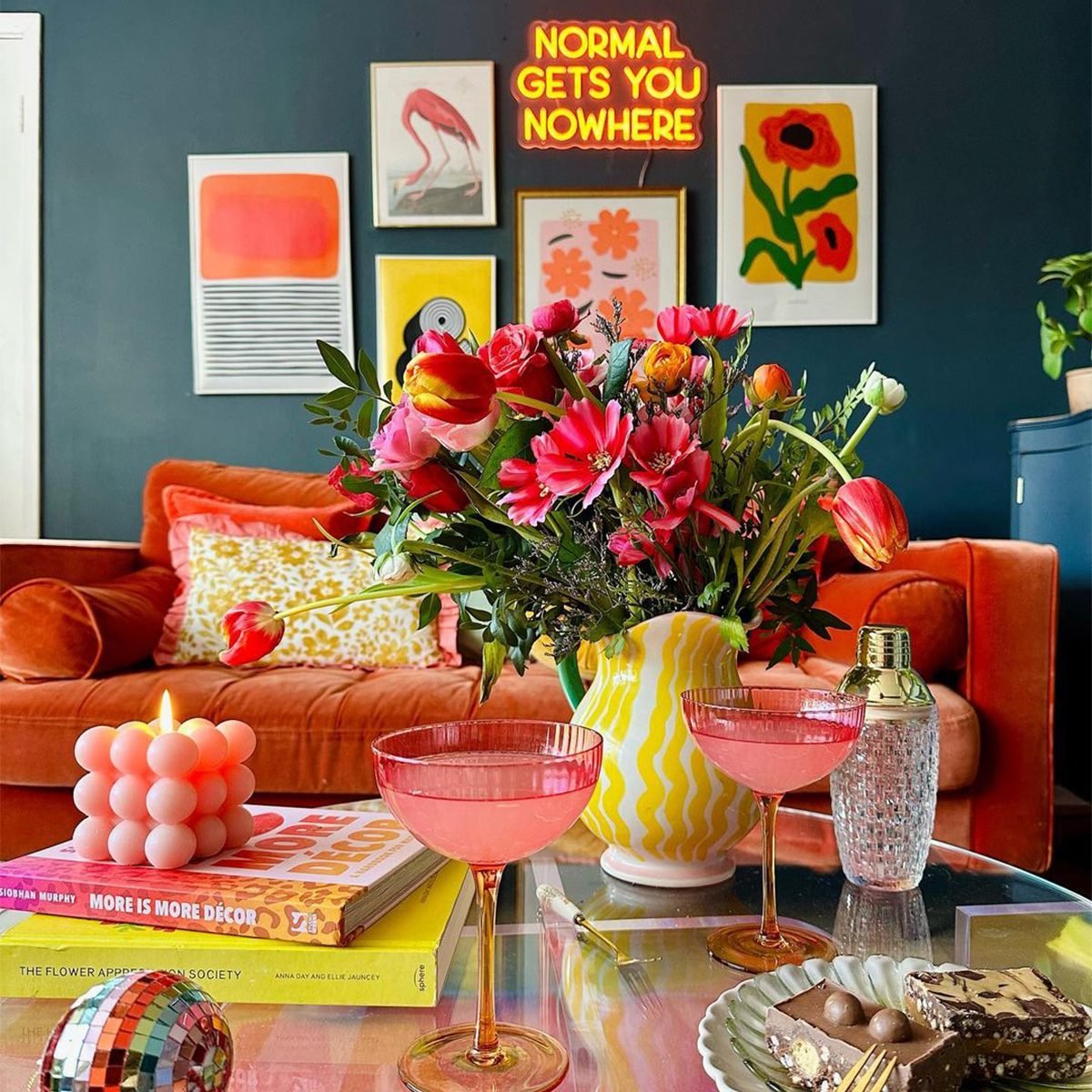
While the term “dopamine decor” itself might be relatively new, the underlying principles have roots in various design and psychological theories. Historically, designers have sought to create comfortable and inviting spaces, but dopamine decor elevates this by making the stimulation of positive emotions a central, intentional goal. It’s about designing spaces that are not just lived in, but that actively enhance life, fostering a sense of contentment and happiness. This can translate into a wide array of design choices, from the strategic use of vibrant colors to the incorporation of personal mementos and stimulating sensory experiences.
This approach recognizes that our homes are more than just physical structures; they are extensions of ourselves and powerful influences on our moods and behaviors. In an increasingly fast-paced and often stressful world, the ability to retreat into a sanctuary that actively nurtures our mental and emotional health is invaluable. Dopamine decor offers a tangible framework for achieving this, by providing actionable strategies and considerations for homeowners and designers alike.
The Psychological Underpinnings of Dopamine Decor
At its core, dopamine decor is deeply intertwined with the science of human psychology, particularly the role of dopamine in our experience of pleasure and reward. Understanding this connection is crucial to appreciating the intentionality behind this design trend. Dopamine is a neurotransmitter produced in the brain that plays a significant role in the brain’s reward and motivation system. It’s released when we experience something pleasurable, anticipate a reward, or engage in activities that are rewarding. Dopamine decor seeks to tap into this system by designing spaces that consistently trigger these positive neurochemical responses.
The Dopamine Reward Pathway in Design
The brain’s dopamine reward pathway is a complex network of neurons that are activated when we encounter stimuli that are perceived as rewarding. In the context of our living spaces, this can be triggered by a variety of factors. For example, the sight of a beloved object, the smell of a favorite scent, or the feeling of a particular texture can all lead to the release of dopamine. Dopamine decor deliberately incorporates these elements to create environments that are inherently pleasurable to inhabit. This isn’t about superficial additions; it’s about curated choices that resonate with our individual preferences and psychological needs.
Consider the impact of color. Vibrant hues, such as warm oranges, cheerful yellows, and calming blues, have been shown to evoke specific emotional responses. Warm colors are often associated with energy and happiness, while cool colors can promote feelings of tranquility and relaxation. Dopamine decor leverages this knowledge, using color palettes that are not only aesthetically pleasing but also psychologically stimulating in a positive way. Similarly, the play of light and shadow can dramatically alter the mood of a space, with bright, natural light often contributing to feelings of alertness and well-being, while softer, warmer lighting can create a sense of coziness and comfort.
Sensory Stimulation and Emotional Resonance
Beyond visual elements, dopamine decor also emphasizes the importance of engaging other senses to create a richer, more rewarding experience. This can include the use of varied textures, such as soft rugs, smooth wood surfaces, or plush fabrics, which provide tactile pleasure. The incorporation of pleasant aromas, whether through diffusers, natural elements like fresh flowers, or even the subtle scent of natural materials, can also significantly impact mood and evoke positive memories. Sound, too, plays a role, with the careful selection of ambient music or the mitigation of jarring noises contributing to a more peaceful and enjoyable environment.
The emotional resonance of a space is paramount in dopamine decor. This is where personalization becomes key. A space that is filled with cherished photographs, meaningful art, or objects that hold significant sentimental value can be a powerful source of dopamine release. These items act as constant reminders of positive experiences, loved ones, and personal achievements, fostering a deep sense of connection and well-being. Dopamine decor encourages the integration of these personal touches, transforming a house into a truly personalized sanctuary that reflects and enhances the inhabitant’s unique journey. It’s about creating spaces that feel authentic, that tell a story, and that bring a smile to your face every time you encounter them.
Key Elements of Dopamine Decor in Practice
Translating the psychological principles of dopamine decor into tangible design choices involves a deliberate and thoughtful approach. It’s about more than just filling a room with bright objects; it’s about strategically integrating elements that have a proven impact on our mood and well-being. This section explores the practical application of dopamine decor, highlighting the key components that contribute to its effectiveness.
Color Psychology and Vibrant Palettes
The strategic use of color is perhaps one of the most accessible and impactful ways to implement dopamine decor. Certain colors are known to stimulate specific emotional responses. For instance, warm colors like yellow, orange, and red are often associated with energy, happiness, and optimism. A splash of sunny yellow on an accent wall, or vibrant orange cushions on a sofa, can instantly uplift a room’s mood. Green, representing nature and growth, can evoke feelings of peace and rejuvenation. Blue hues, particularly softer shades, can promote calmness and serenity, making them ideal for bedrooms or relaxation areas.
However, dopamine decor isn’t solely about bright, saturated colors. It’s also about understanding the nuances of color and how they interact. For example, a well-chosen pastel shade can be just as effective at creating a cheerful atmosphere as a bolder hue. The key is to select colors that resonate personally and that contribute to a sense of joy. This might involve incorporating a color that reminds you of a cherished childhood memory, or a hue that you find inherently uplifting. It’s also important to consider the interplay of colors, ensuring that the chosen palette creates a harmonious and pleasing aesthetic.
Textural Richness and Tactile Engagement
The sense of touch plays a significant role in our perception of comfort and pleasure. Dopamine decor actively incorporates a variety of textures to create a multisensory experience that is both inviting and stimulating. Imagine sinking your feet into a plush, deep-pile rug after a long day, or running your hand over a smooth, polished wooden surface. These tactile sensations can trigger positive feelings and contribute to a sense of groundedness and well-being.
This can manifest in numerous ways. Think of incorporating soft, velvety throws on a sofa, adding woven baskets for storage, or choosing furniture with interesting upholstery like bouclé or faux fur. Natural materials like wood, stone, and linen also offer unique textural qualities that can enhance the sensory experience of a room. Even small details, such as decorative pillows with intricate embroidery or artisanal ceramic pieces, can add layers of tactile interest. The goal is to create a space that encourages interaction and exploration through touch, making it more engaging and enjoyable to inhabit.
Personalization and Sentimental Value
Perhaps the most crucial element of dopamine decor is its emphasis on personalization and the integration of sentimental items. A home should be a reflection of its inhabitants, their experiences, and their cherished memories. Objects that hold personal meaning are powerful triggers for positive emotions and can significantly contribute to a sense of happiness and contentment.
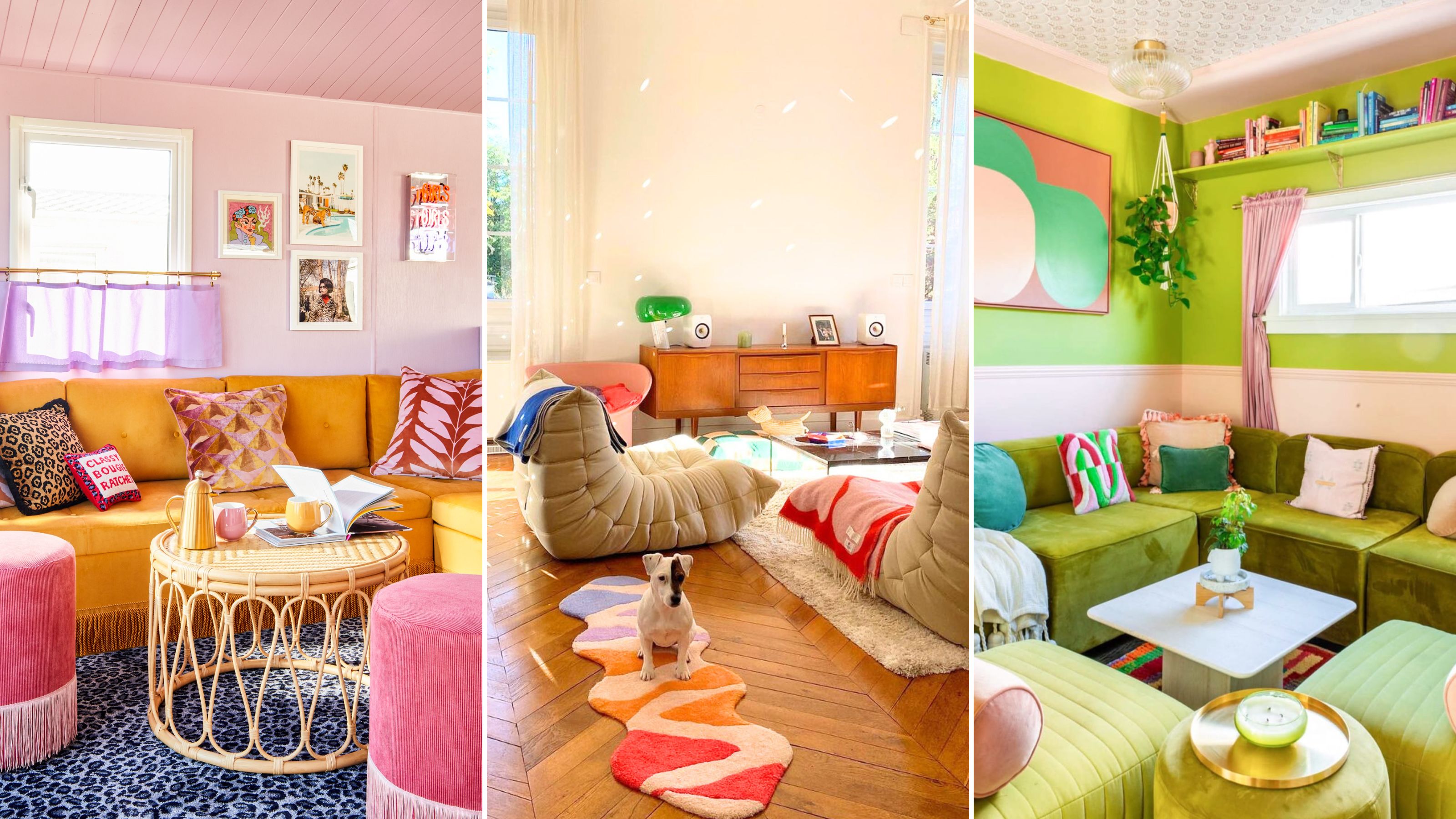
This could involve displaying photographs of loved ones, art that holds personal significance, or souvenirs from memorable trips. Collections of favorite books, treasured heirlooms, or even handmade items can all add a layer of deeply personal connection to a space. Dopamine decor encourages the intentional display of these items, rather than them being relegated to storage. It’s about creating a narrative within your home, where each object tells a story and evokes a positive emotion. This personalization transforms a generic living space into a unique sanctuary that truly resonates with the individual, fostering a profound sense of belonging and joy.
Lighting and Ambiance
The quality and type of lighting in a space have a profound impact on mood and atmosphere. Dopamine decor often emphasizes the use of layered lighting to create a dynamic and inviting environment. Natural light is always a priority, as it is intrinsically linked to our well-being and circadian rhythms. Maximizing natural light through large windows, strategically placed mirrors to reflect light, and sheer window treatments can create a bright and energizing atmosphere during the day.
As daylight fades, artificial lighting becomes crucial for setting the right mood. Dopamine decor advocates for a thoughtful approach to artificial lighting, moving beyond harsh overhead fixtures. This often involves incorporating multiple light sources at different levels, such as floor lamps, table lamps, and accent lighting. Warm-toned bulbs are generally preferred, as they create a cozy and inviting ambiance. Dimmable switches offer the flexibility to adjust the intensity of light, allowing for different moods to be created throughout the day and evening. Consider the use of fairy lights or decorative string lights for a whimsical touch, or task lighting that is both functional and aesthetically pleasing. The goal is to create a space that feels welcoming, comfortable, and conducive to positive emotions, regardless of the time of day.
Implementing Dopamine Decor in Your Home
Adopting the principles of dopamine decor doesn’t necessitate a complete overhaul of your living space. Instead, it’s about making intentional choices that prioritize your well-being and happiness. This section provides practical guidance on how to infuse your home with the joy-inducing elements of dopamine decor, making it a more uplifting and rewarding place to live.
Small Changes, Big Impact: Budget-Friendly Strategies
One of the most accessible aspects of dopamine decor is its scalability. You don’t need to invest in expensive furniture or a complete renovation to experience its benefits. Many impactful changes can be achieved with minimal investment. Start by decluttering and organizing your space. A tidy environment reduces stress and promotes a sense of calm, which is foundational to positive emotions.
Consider introducing pops of color through accessories like throw pillows, blankets, or artwork. Vibrant cushions on a neutral sofa can instantly inject energy into a room. Rearranging existing furniture to optimize natural light flow or create more inviting conversation areas can also make a significant difference. Introducing plants is another budget-friendly way to bring life, color, and a sense of natural well-being into your home. Their presence can be visually soothing and improve air quality. Even small decorative items that hold personal meaning, like a favorite mug displayed on an open shelf or a framed photo of a happy memory, can contribute to the overall dopamine-boosting atmosphere.
Curating Your Space: Intentional Design Choices
Beyond small tweaks, dopamine decor encourages a more intentional approach to curating your living space. This involves thoughtfully selecting items that not only look good but also make you feel good. When acquiring new pieces, consider their emotional impact. Does a particular piece of art evoke a sense of joy or inspiration? Does a comfortable armchair invite relaxation?
This also extends to how you arrange your belongings. Instead of simply storing things away, think about how you can display items that bring you pleasure. A collection of vintage ceramics can be artfully arranged on a shelf, and a favorite book can be placed on a side table as a reminder to engage in a rewarding activity. Consider creating “happy corners” or “inspiration zones” within your home – small areas dedicated to activities or items that bring you particular joy, such as a reading nook filled with cozy blankets and inspiring books, or a space for creative pursuits.
The Role of Scent and Sound
The often-overlooked senses of smell and sound play a crucial role in our emotional landscape. Incorporating pleasing scents can significantly enhance the dopamine-decor experience. Natural essential oils diffused in the air, fresh flowers, or even the subtle aroma of natural wood can create a more inviting and calming atmosphere. Experiment with scents that you personally find uplifting or relaxing.
Similarly, consider the impact of sound on your mood. Soft, ambient music can create a soothing backdrop to your daily life. Conversely, minimizing harsh or jarring noises can contribute to a more peaceful environment. This might involve investing in sound-dampening solutions if your home is prone to external noise. Creating playlists that evoke positive memories or promote a sense of calm can be a simple yet effective way to use sound to boost your well-being. The goal is to create a holistic sensory experience that engages and delights, fostering a consistent sense of pleasure and contentment within your home.
The Future of Dopamine Decor: Wellness as a Design Imperative
As our understanding of the mind-body connection deepens, the principles of dopamine decor are poised to become increasingly integral to interior design. The trend signifies a broader shift towards prioritizing well-being and mental health within our living and working environments. This isn’t just about aesthetics; it’s about creating spaces that actively contribute to a fulfilling and joyful life.
From Trend to Standard Practice
What was once considered a niche design trend is evolving into a fundamental aspect of creating healthy and harmonious spaces. As designers and homeowners become more aware of the profound impact that their surroundings have on their emotional and psychological states, the demand for spaces that are intentionally designed for well-being will continue to grow. This will likely lead to a greater integration of psychological principles into architectural and interior design education and practice.
The concept of “biophilic design,” which seeks to connect humans with nature, already shares many commonalities with dopamine decor by recognizing the inherent restorative qualities of natural elements. As these concepts merge and evolve, we can expect to see more homes and workplaces designed with an explicit focus on fostering joy, reducing stress, and enhancing overall happiness. This could involve incorporating more natural light, an abundance of plants, calming color palettes, and tactilely rich materials as standard design elements, rather than optional additions.

The Home as a Personal Sanctuary for Well-being
In an era where work and life often blur, the home is increasingly recognized as a crucial sanctuary for mental and emotional restoration. Dopamine decor provides a practical framework for transforming our living spaces into havens that actively support our well-being. By consciously incorporating elements that stimulate positive emotions, engage the senses, and reflect our personal values, we can create environments that not only look beautiful but also feel deeply nurturing.
The future of dopamine decor lies in its ability to empower individuals to consciously shape their environments to enhance their quality of life. It’s a movement that champions the idea that our homes should be sources of comfort, inspiration, and sustained happiness. As this philosophy gains traction, we can anticipate a future where interior design is not just about creating aesthetically pleasing spaces, but about crafting experiences that are intrinsically linked to our psychological health and overall sense of joy. This approach moves beyond fleeting fads to establish a lasting paradigm where design serves as a powerful tool for cultivating personal well-being.
aViewFromTheCave is a participant in the Amazon Services LLC Associates Program, an affiliate advertising program designed to provide a means for sites to earn advertising fees by advertising and linking to Amazon.com. Amazon, the Amazon logo, AmazonSupply, and the AmazonSupply logo are trademarks of Amazon.com, Inc. or its affiliates. As an Amazon Associate we earn affiliate commissions from qualifying purchases.