
While often associated with severe misconduct, a dishonorable discharge is more than just a negative mark on a service member’s record. It represents the most severe form of punitive discharge available to the U.S. military, reserved for those convicted of serious offenses, typically through a court-martial. Unlike other separation types, a dishonorable discharge carries significant and lasting repercussions, impacting an individual’s civilian life in profound ways. Understanding the nuances of this discharge is crucial for service members, veterans, and those who interact with them, as its implications extend far beyond the military sphere.

Understanding the Severity and Process of a Dishonorable Discharge
A dishonorable discharge is not an administrative separation; it is a punitive measure. This distinction is critical. It signifies that the service member has been found guilty of offenses that fundamentally violate the trust and standards expected of military personnel. The process leading to such a discharge is rigorous and legally driven, ensuring that the decision is made only after thorough investigation and adjudication.
The Legal Framework: Court-Martial Conviction
The primary pathway to a dishonorable discharge is through a conviction at a general court-martial. Courts-martial are military tribunals that operate under the Uniform Code of Military Justice (UCMJ). A general court-martial has the authority to try the most serious offenses and can impose sentences, including confinement, forfeiture of pay, and, in the most severe cases, a dishonorable discharge.
-
Types of Offenses Leading to Dishonorable Discharge: The offenses that can result in a dishonorable discharge are varied but generally involve grave violations of the UCMJ. These can include:
- Felony-level crimes: Acts that would be considered felonies in civilian law, such as murder, rape, aggravated assault, drug trafficking, or serious theft.
- Desertion: Leaving military service without leave, especially for extended periods or under aggravated circumstances.
- Mutiny or Sedition: Actions that disrupt good order and discipline or undermine military authority.
- Gross Neglect of Duty: Willful dereliction of duty that results in significant harm or risk.
- Disobedience of Orders: Persistent and serious defiance of lawful orders.
- Crimes involving violence or significant property damage.
-
The Court-Martial Process: The court-martial process is a formal legal proceeding with protections for the accused, including the right to legal counsel. It involves several stages:
- Investigation: A thorough investigation into the alleged offense.
- Charges and Specifications: Formal charges are preferred against the service member.
- Trial: The case proceeds to trial before a military judge and often a panel of military members (jury).
- Verdict: The panel or judge determines guilt or innocence.
- Sentencing: If found guilty, the panel or judge determines the sentence, which may include a dishonorable discharge.
- Review: Convictions and sentences, especially those involving a dishonorable discharge, are subject to mandatory review by higher military authorities.
Distinguishing Dishonorable Discharge from Other Separations
It is imperative to differentiate a dishonorable discharge from other types of separations from military service. The military has several categories of discharge, each with its own implications.
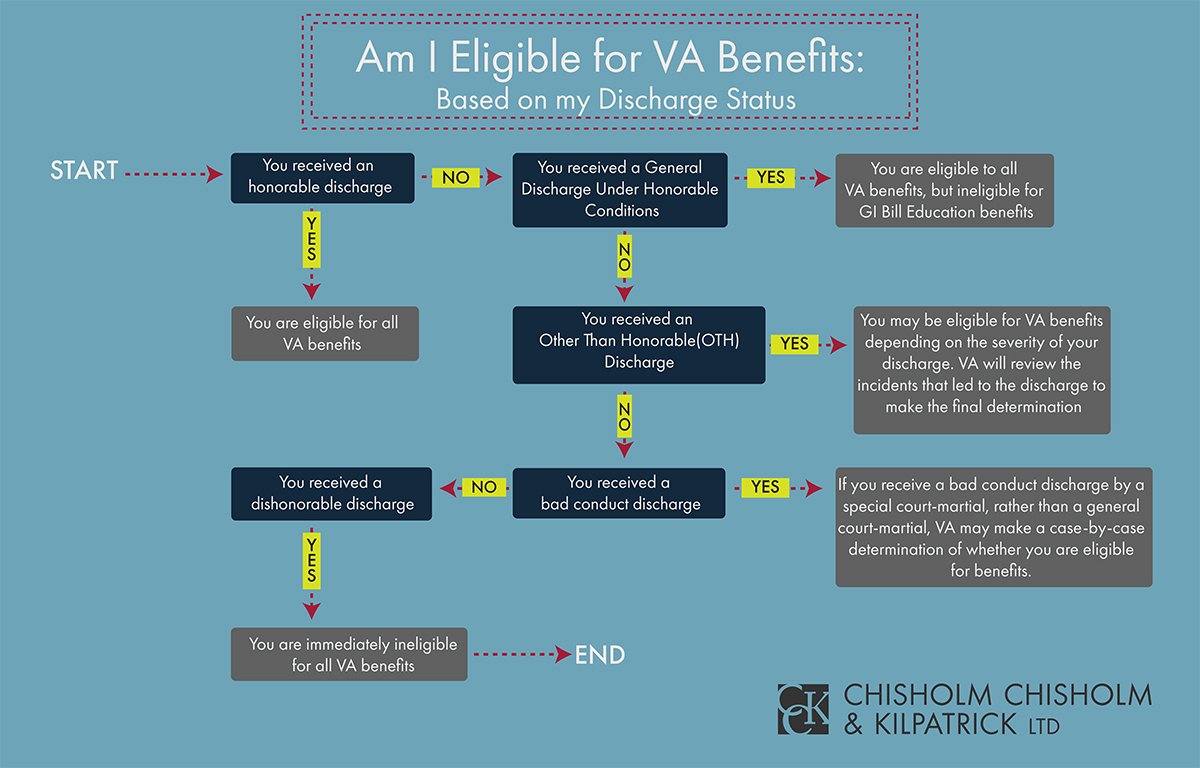
- Honorable Discharge: The highest form of discharge, awarded to service members who have completed their obligated service with exemplary conduct and met all military standards.
- General Discharge (Under Honorable Conditions): Awarded to service members whose performance of duty has been honest and faithful, but whose service has been marred by certain kinds of misconduct or minor infractions that do not warrant a discharge under other than honorable conditions.
- Other Than Honorable (OTH) Discharge: A punitive discharge generally reserved for more serious misconduct than that which warrants a general discharge, but less severe than that which warrants a dishonorable discharge. OTH discharges can result from administrative proceedings or summary/special courts-martial. While severe, they do not carry the same stigma as a dishonorable discharge.
- Bad Conduct Discharge: This is also a punitive discharge, typically awarded by a court-martial (often a special court-martial). It is considered less severe than a dishonorable discharge but more severe than an OTH discharge.
The key differentiator for a dishonorable discharge is its punitive nature, stemming from a court-martial conviction for serious offenses, and the resulting legal and social ramifications.
The Profound Consequences of a Dishonorable Discharge
The repercussions of a dishonorable discharge are far-reaching and can profoundly impact an individual’s life for years, if not a lifetime. These consequences are not merely symbolic; they are tangible and often create significant barriers to reintegration into civilian society.
Legal and Civil Rights Limitations
A dishonorable discharge strips individuals of many rights and benefits typically afforded to honorable veterans. This is a direct consequence of the serious nature of the offenses that led to the discharge.
-
Loss of Veteran Benefits: This is arguably the most significant consequence. Individuals with a dishonorable discharge are generally ineligible for a wide range of federal benefits administered by the Department of Veterans Affairs (VA). This includes:
- Healthcare: Access to VA medical facilities and services is typically denied.
- Disability Compensation: They cannot receive compensation for service-connected disabilities.
- Education Benefits: G.I. Bill benefits for higher education or vocational training are unavailable.
- Home Loan Guarantees: They cannot utilize VA-backed home loan programs.
- Job Counseling and Placement Services: These essential reintegration services are also out of reach.
-
Loss of Civil Rights: In some jurisdictions, a dishonorable discharge may be treated similarly to a felony conviction, leading to the loss of certain civil rights, such as:
- Right to vote: In some states, individuals with serious criminal convictions (which a dishonorable discharge implies) may lose their right to vote.
- Right to bear arms: Possession of firearms may be restricted.
- Eligibility for public office: Holding elected positions may be prohibited.
-
Criminal Record: The conviction that led to the dishonorable discharge itself creates a criminal record, which can hinder employment, housing, and other opportunities.
Employment and Social Stigma
The label of a dishonorable discharge carries a heavy social stigma that can significantly impede an individual’s ability to find stable and meaningful employment.
-
Employment Barriers: Many civilian employers are hesitant to hire individuals with a dishonorable discharge, viewing it as an indicator of untrustworthiness, poor character, or criminal behavior. This is particularly true for positions requiring security clearances or involving responsibility.
- “Catch-22” for employment: Service members with less than honorable discharges often face a challenging situation where their military record makes them undesirable to employers, yet the lack of civilian experience or education may also be a barrier.
- Limited industry access: Certain professions, such as law enforcement, education, or roles involving finance, may have explicit prohibitions against hiring individuals with dishonorable discharges.
-
Social Stigma and Reputation: The perception of a dishonorable discharge can lead to social ostracization and damage an individual’s reputation within their community, family, and among peers. This can have a profound psychological impact, contributing to feelings of shame, isolation, and despair.
-
Financial Hardship: The combined effect of limited access to veteran benefits and significant employment barriers often leads to chronic financial hardship for those separated under a dishonorable discharge. This can perpetuate cycles of poverty and instability.
Navigating the Aftermath: Challenges and Limited Recourse
For individuals who receive a dishonorable discharge, the path forward is often fraught with challenges. While some avenues for recourse exist, they are typically limited and difficult to pursue.
Reversing or Upgrading a Discharge
In certain circumstances, individuals may attempt to appeal or upgrade their discharge status. However, the grounds for such appeals are generally narrow and require substantial evidence.
-
Board for Correction of Military Records (BCMR): Each branch of the military has a BCMR. Service members or veterans can petition these boards to correct an error or injustice in their military record. For a discharge upgrade, they would need to demonstrate that the original discharge was unjust, inequitable, or factually incorrect. This often involves presenting new evidence, proving procedural errors, or demonstrating significant rehabilitation and positive contributions to society post-discharge.
-
The Discharge Review Board (DRB): The DRB reviews discharges for all branches of the military. It primarily reviews the service record and the basis for the discharge. While it can upgrade certain types of discharges, its authority regarding punitive discharges like dishonorable ones can be more limited, often referring such cases to the BCMR or requiring substantial new evidence.
-
Challenges to Upgrades: Obtaining a discharge upgrade, especially from a dishonorable discharge, is exceptionally difficult. The severity of the offenses that led to the discharge is a significant factor. The military’s primary responsibility is to uphold standards and discipline; therefore, reversing a punitive discharge requires compelling justification.
Seeking Support and Rehabilitation
Despite the severe consequences, support systems and rehabilitation programs do exist, though access may be limited for those with dishonorable discharges.
-
Legal Assistance: Access to legal counsel is crucial, particularly when considering an appeal. Organizations specializing in military law may offer pro bono or reduced-fee services for veterans.
-
Mental Health and Substance Abuse Support: The psychological toll of a dishonorable discharge can be immense. While VA healthcare may be inaccessible, community mental health services, substance abuse programs, and private therapy can provide vital support.
-
Civilian Reintegration Programs: Some non-profit organizations and community groups focus on assisting veterans in their transition to civilian life. While they may not be able to provide the same level of benefits as the VA, they can offer guidance, networking opportunities, and emotional support.
-
Focus on Rehabilitation and Redemption: While the military may not offer direct benefits, individuals can work towards rehabilitation and demonstrate their commitment to positive citizenship. This can involve obtaining education, pursuing stable employment, contributing to their communities, and maintaining a law-abiding lifestyle. Over time, demonstrating significant positive change can be a factor in any appeal for a discharge upgrade.
In conclusion, a dishonorable discharge is the most severe form of separation from the U.S. military, reserved for individuals convicted of serious offenses through a court-martial. Its implications extend far beyond the military, stripping individuals of veteran benefits, impacting civil rights, and creating significant employment and social barriers. While challenging, understanding the process, consequences, and limited avenues for recourse is crucial for those affected by this significant disciplinary action.
aViewFromTheCave is a participant in the Amazon Services LLC Associates Program, an affiliate advertising program designed to provide a means for sites to earn advertising fees by advertising and linking to Amazon.com. Amazon, the Amazon logo, AmazonSupply, and the AmazonSupply logo are trademarks of Amazon.com, Inc. or its affiliates. As an Amazon Associate we earn affiliate commissions from qualifying purchases.