
Dashi granules, a concentrated form of the foundational Japanese broth, represent a compelling case study in culinary efficiency and financial savvy. For businesses in the food industry, home cooks managing budgets, and entrepreneurs seeking online income streams, understanding the economics of dashi granules goes far beyond mere flavor. This potent ingredient offers significant operational advantages, cost savings, and market opportunities, making it a pivotal component in modern culinary finance.
The Financial Appeal of Umami: Understanding Dashi Granules as a Culinary Investment
At its core, dashi is the savory backbone of Japanese cuisine, a clear broth rich in umami. Traditionally, it’s made by steeping kombu (dried kelp) and katsuobushi (dried, smoked bonito flakes), sometimes with dried shiitake mushrooms. Dashi granules encapsulate this complex flavor in a shelf-stable, instant format. From a financial viewpoint, they are an investment in flavor consistency and time efficiency, offering a superior return on investment (ROI) compared to traditional methods in many contexts.
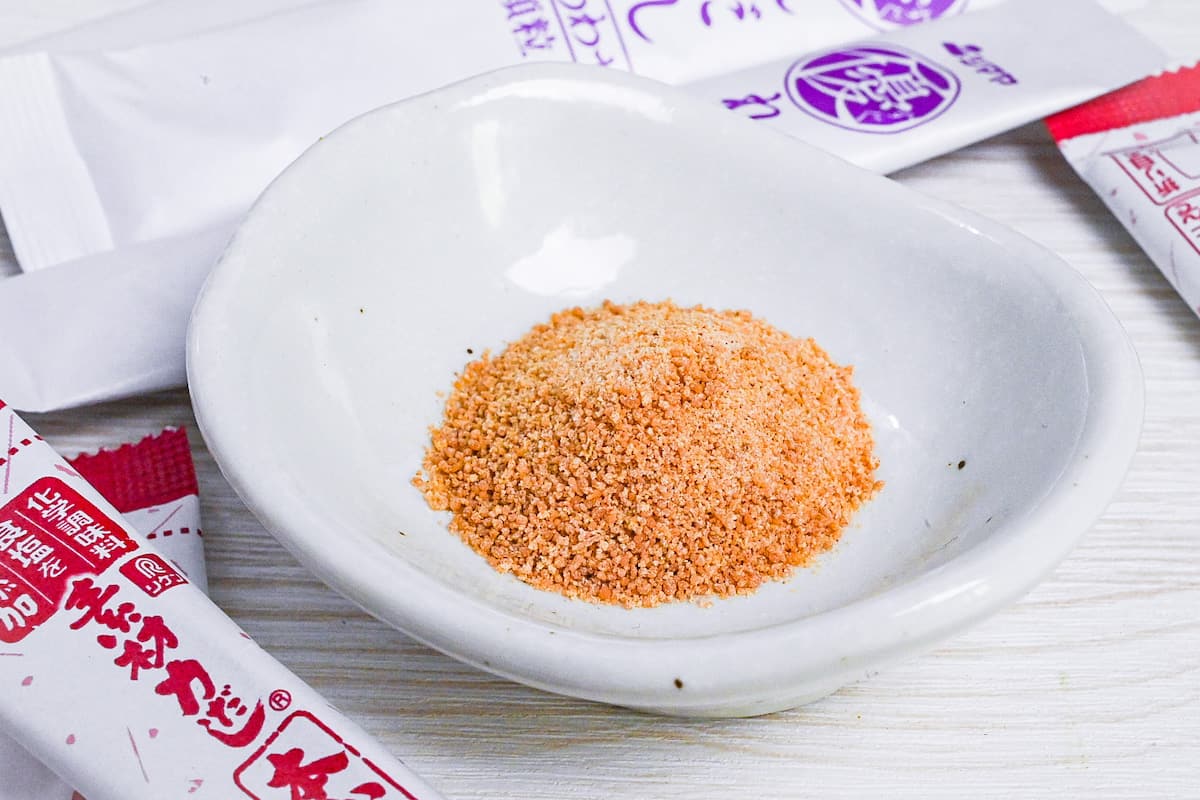
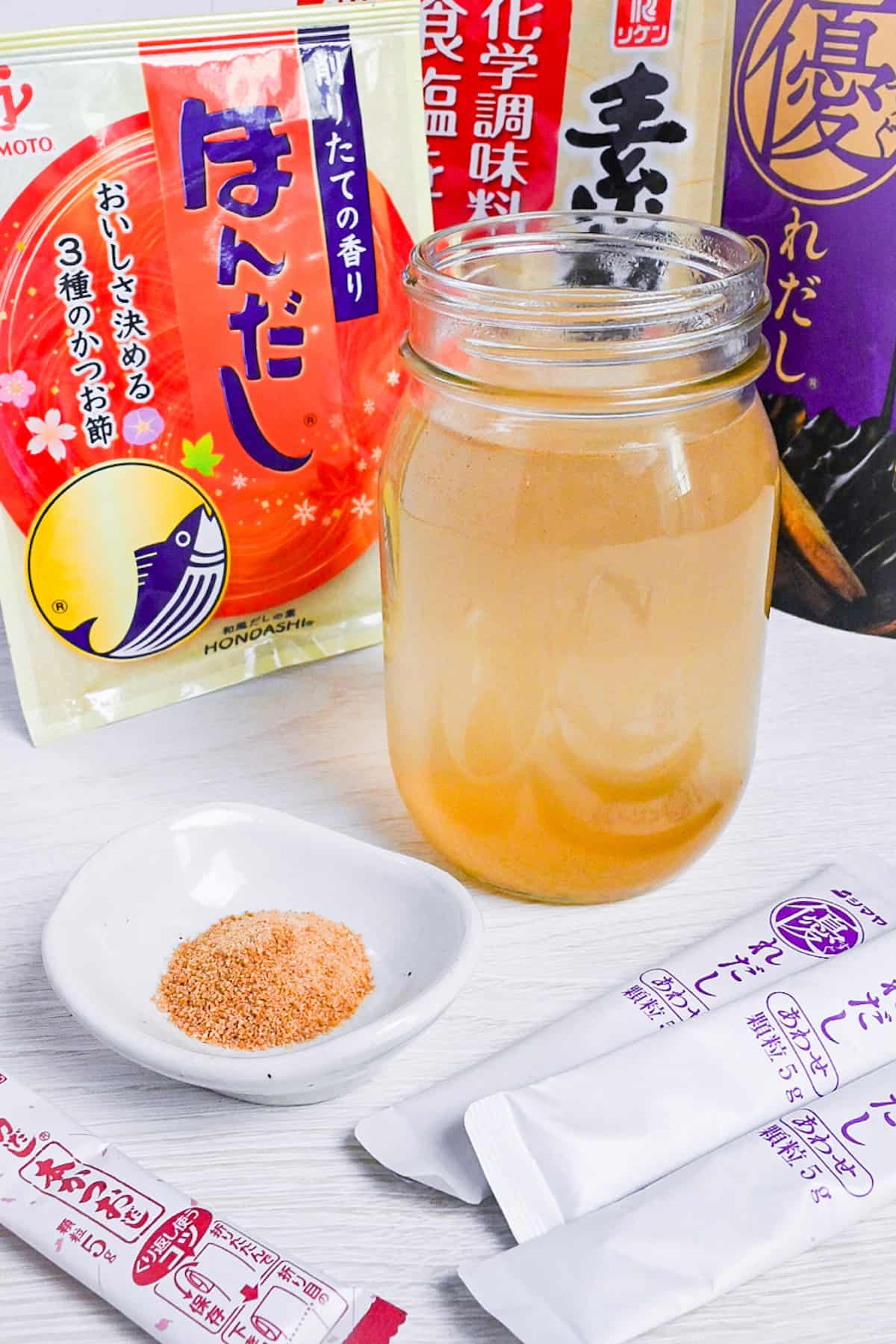
Granulated dashi is produced by extracting the umami compounds from ingredients like kombu, katsuobushi, shiitake, or a combination thereof (awase dashi), and then drying them into a powder or granule form, often with added salt, sugar, and sometimes MSG to enhance flavor and stability. This process not only preserves the essence of dashi but also significantly extends its shelf life, reducing waste and associated inventory costs for both commercial and domestic users.
Granules vs. Scratch: Cost-Benefit Analysis for the Home Cook
For the budget-conscious home cook, the decision between making dashi from scratch and using granules involves a direct cost-benefit analysis. While the raw ingredients for traditional dashi—high-quality kombu and katsuobushi—can be expensive upfront, they yield multiple batches of broth. However, the time investment for steeping, simmering, and straining can be considerable. Furthermore, storing fresh dashi effectively, typically for only a few days in the refrigerator or longer if frozen, requires planning and can lead to waste if not used promptly.
Dashi granules, conversely, offer unparalleled convenience. A single container, often costing a modest amount, can provide dozens of servings. The per-serving cost of granulated dashi is frequently lower than that of scratch-made dashi, particularly when factoring in the opportunity cost of time spent preparing it. For families prioritizing quick, nutritious meals without compromising on authentic flavor, granules represent a smart financial choice, enabling them to replicate restaurant-quality tastes at a fraction of the dining-out cost. This shift contributes to significant savings in a household’s food budget over time, empowering home cooks to explore a wider range of Japanese-inspired dishes more frequently and affordably.
Operational Efficiency: Why Food Businesses Opt for Granulated Dashi
In professional kitchens, where efficiency directly translates to profitability, dashi granules are a game-changer. Restaurants, catering companies, and food manufacturers face constant pressure to manage labor costs, inventory, and consistency. Traditional dashi preparation is labor-intensive, requiring skilled staff, dedicated prep time, and precise execution to ensure uniform flavor across batches. Any deviation can lead to wasted ingredients or dissatisfied customers, both detrimental to the bottom line.
Granulated dashi eliminates these variables. It reduces preparation time from minutes to seconds, freeing up valuable kitchen staff to focus on more complex tasks. The precise measurements of granules ensure consistent flavor profiles every time, a critical factor for brand reputation and customer loyalty. Moreover, the long shelf life of granules drastically cuts down on spoilage and inventory management complexities. Restaurants can purchase in bulk, reducing per-unit costs and ensuring a stable supply without the risk of fresh ingredients deteriorating. This robust operational efficiency directly impacts profitability by lowering labor expenditures, minimizing ingredient waste, and guaranteeing a predictable, high-quality product output. For businesses, adopting dashi granules is not just about convenience; it’s a strategic financial decision that optimizes resource allocation and enhances overall operational solvency.
Market Dynamics: Investing in the Flavor Profile of Asian Cuisine
The global culinary landscape is increasingly embracing diverse flavors, with Asian cuisine, and particularly Japanese food, experiencing sustained growth. Dashi, as a fundamental building block of this cuisine, plays a pivotal role. The market for dashi granules is not static; it reflects broader trends in consumer demand for convenience, authenticity, and health-conscious options. Understanding these dynamics is crucial for investors and entrepreneurs looking to capitalize on this growing segment.
Growth Trends and Consumer Demand for Convenience
The market for instant, easy-to-use culinary ingredients is robust and expanding. Consumers worldwide, driven by busy lifestyles, are increasingly seeking products that simplify meal preparation without sacrificing taste or quality. Dashi granules perfectly align with this trend. Their instant nature allows consumers to quickly infuse authentic Japanese umami into a variety of dishes, from soups and stews to dressings and marinades, with minimal effort.
This convenience factor isn’t just a personal preference; it’s a significant market driver for food manufacturers and retailers. Companies that invest in producing high-quality, ethically sourced, or specialty dashi granules (e.g., vegetarian, gluten-free) can tap into niche markets and command premium prices. The increasing awareness of umami as the “fifth taste” further fuels demand, as more consumers recognize the unique depth dashi brings to both traditional and fusion cooking. For businesses, monitoring these growth trends and adapting product offerings is key to maintaining a competitive edge and maximizing market share in this expanding sector.
Supply Chain and Sourcing: Implications for Business Finance
The supply chain for dashi granules presents both opportunities and challenges that impact business finance. Key ingredients like kombu and katsuobushi are often sourced from specific regions in Japan, making them susceptible to environmental factors, harvesting regulations, and geopolitical influences that can affect pricing and availability. Businesses must establish robust and resilient supply chains to mitigate these risks.
Strategic sourcing involves identifying reliable suppliers, negotiating favorable contracts, and potentially diversifying ingredient origins to avoid dependency on a single source. For smaller businesses or startups, partnering with established distributors who manage complex international logistics can be a more financially viable option than direct sourcing. Furthermore, investing in sustainable sourcing practices, such as partnering with kombu farmers who practice responsible harvesting, can enhance brand reputation and appeal to environmentally conscious consumers, potentially justifying a higher price point. Understanding the intricate balance of supply, demand, and ethical sourcing within the dashi granule market is fundamental for sustainable financial planning and long-term business success.
Monetizing Mastery: Dashi Granules in Online Income & Side Hustles
Beyond its direct use in cooking, the knowledge and application of dashi granules can serve as a foundation for various online income streams and side hustles. The growing interest in home cooking, global cuisines, and culinary education creates fertile ground for entrepreneurs to monetize their expertise and passion.
Content Creation: Blogging, Vlogging, and Recipe Development
The digital landscape offers countless opportunities for individuals to earn income by sharing their knowledge of dashi granules. Food bloggers can create detailed articles comparing different brands, offering cost-saving tips, or developing innovative recipes that highlight the versatility of dashi granules. Vloggers on platforms like YouTube can produce engaging video tutorials on how to use dashi granules effectively, demonstrate budget-friendly meal prep, or even review subscription boxes featuring Japanese ingredients.
Monetization strategies for content creators include advertising revenue, sponsored posts from dashi granule manufacturers or related brands, affiliate marketing for kitchen tools or ingredients, and selling e-cookbooks or premium recipe guides. By consistently producing high-quality, insightful content that solves a problem (e.g., “How to make authentic Japanese meals on a budget”) or inspires creativity, content creators can build a loyal audience, establish themselves as culinary authorities, and generate substantial passive income over time.
Specialty Product Sales and Niche Market Opportunities
For entrepreneurs with a more direct product focus, dashi granules can be a component of a specialty food business or a niche online store. This could involve curating and selling premium dashi granule brands, especially those with unique flavor profiles, organic certifications, or specific dietary attributes (e.g., vegan dashi granules made from shiitake and kombu). Entrepreneurs could also create and sell complementary products, such as ready-to-assemble meal kits that feature dashi granules as a core ingredient, or custom spice blends designed to enhance dashi-based dishes.
Identifying and targeting niche markets is key. This could include health-conscious consumers seeking low-sodium options, busy professionals looking for gourmet convenience, or aspiring home chefs keen on authentic flavors. By offering unique value propositions—be it through rare ingredients, sustainable packaging, or innovative product combinations—entrepreneurs can carve out a profitable segment in the broader food market. The online platform provides a low-overhead entry point for such ventures, allowing individuals to reach a global audience with specialized dashi granule products or related culinary offerings.
Strategic Financial Planning with Dashi Granules
Incorporating dashi granules into one’s financial planning, whether personal or business, offers distinct advantages. It’s not merely about purchasing an ingredient but understanding how it contributes to overall economic efficiency and value creation.
Budgeting for Flavor: Smart Grocery Spending
For personal finance, dashi granules are a secret weapon in smart grocery budgeting. By enabling the preparation of flavorful, restaurant-quality Japanese meals at home, they significantly reduce reliance on expensive takeout or dining out. A small investment in a container of dashi granules can unlock a vast array of affordable recipes, from miso soup and noodle dishes to flavorful braises and marinades, all of which are typically cheaper to prepare than their pre-made counterparts. This strategy extends the variety of home-cooked meals, preventing meal fatigue that often drives consumers back to costlier external options. By empowering home cooks to create delicious and diverse meals economically, dashi granules become an indispensable tool for managing household food expenses effectively and consistently.

Reducing Waste and Maximizing Value in the Kitchen
Both home cooks and commercial kitchens can leverage dashi granules to minimize food waste, a critical aspect of financial management. Unlike fresh stocks or broths that have a limited shelf life, dashi granules can be stored for extended periods without spoilage. This drastically reduces the likelihood of unused broth being discarded, which is a direct loss of money. Furthermore, the ability to prepare dashi “on demand” means users only make the precise amount needed, avoiding excess.
From a business perspective, reducing waste directly improves profit margins. For home cooks, it means getting the maximum value out of every grocery dollar spent. Dashi granules enhance the flavor of leftover vegetables, meats, and grains, transforming potential waste into new, appealing dishes. This versatility and long shelf life ensure that every purchase of dashi granules delivers sustained financial benefits through waste reduction and maximized ingredient utility, reinforcing their value as a smart culinary and financial choice.
aViewFromTheCave is a participant in the Amazon Services LLC Associates Program, an affiliate advertising program designed to provide a means for sites to earn advertising fees by advertising and linking to Amazon.com. Amazon, the Amazon logo, AmazonSupply, and the AmazonSupply logo are trademarks of Amazon.com, Inc. or its affiliates. As an Amazon Associate we earn affiliate commissions from qualifying purchases.