
Chalked paint, often referred to as “chalk paint” or “chalk finish paint,” has emerged as a transformative medium in the world of DIY décor and furniture refinishing. While its name evokes a simple, matte finish, the reality of chalked paint extends far beyond this visual characteristic. It represents a revolutionary approach to painting surfaces, particularly furniture, that emphasizes ease of use, exceptional adhesion, and a distinctive aesthetic that can be both rustic and modern. Understanding what chalked paint is, how it works, and its unique properties is key to unlocking its full potential for creative projects.
The Genesis and Evolution of Chalked Paint
The concept of a paint that adheres to virtually any surface without extensive preparation and dries to a velvety, matte finish has a fascinating backstory. While “chalk paint” is a registered trademark of Annie Sloan, the inventor who popularized this specific formulation in the late 1990s, the idea of using chalk-like powders to create decorative finishes has a longer history. However, Sloan’s innovation lay in creating a ready-made, water-based paint that offered these desirable qualities in a user-friendly package.
Precursors to Modern Chalked Paint
Before the advent of commercially available chalked paints, DIY enthusiasts and professional painters often experimented with various methods to achieve a similar matte, distressed look. These might have involved mixing plaster of Paris or unsanded grout with latex paint. While these methods could produce a chalky texture, they often came with challenges: inconsistent results, durability issues, and a laborious application process. The pigments could settle unevenly, and the mixture might not adhere well to all surfaces, requiring priming and sanding.
Annie Sloan’s Revolutionary Formulation
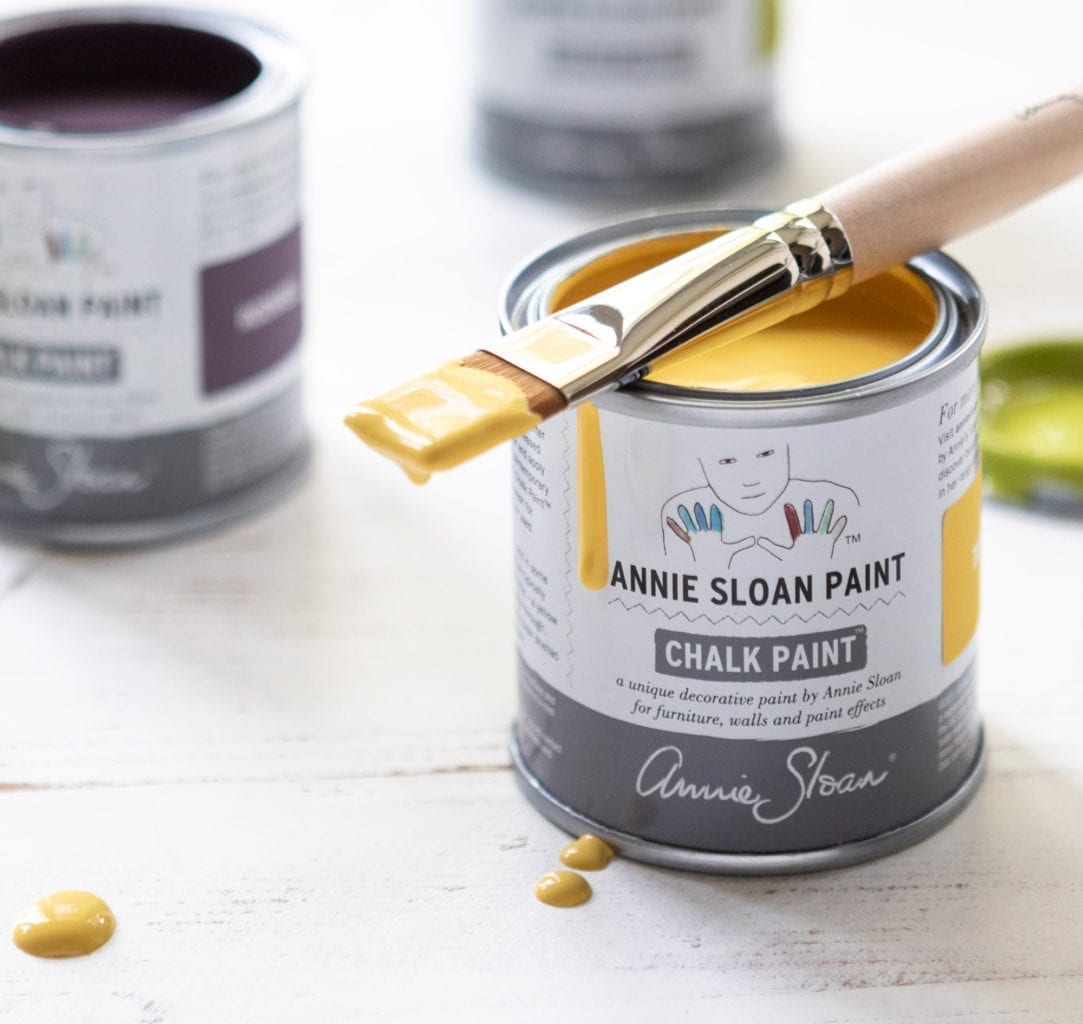
Annie Sloan’s creation of “Chalk Paint®” (the registered trademark) marked a significant turning point. She developed a unique, water-based formulation that was specifically designed to stick to almost any surface – wood, metal, laminate, plaster, brick, stone, and even fabric – with minimal or no preparation. This meant eliminating the arduous tasks of extensive sanding and priming that were traditionally associated with furniture refinishing. The paint’s thick consistency and exceptional opacity allow for a rich, matte finish that dries quickly, making it an ideal choice for both beginners and experienced crafters.
The “Chalky” Aesthetic: Beyond the Name
The term “chalky” refers to the paint’s characteristic matte finish. When dry, it has a soft, velvety texture that looks and feels almost like chalk. This finish is incredibly versatile. It can be left as is for a modern, minimalist look, or it can be easily distressed with sandpaper or a damp cloth to reveal layers of color underneath, creating a charming, vintage, or Shabby Chic aesthetic. This ability to achieve both contemporary and antique looks from a single product is a significant part of its appeal.
The Unique Properties and Advantages of Chalked Paint
The widespread popularity of chalked paint stems from a combination of its inherent properties and the practical advantages it offers to users. These features distinguish it from traditional paints and make it a preferred choice for a wide range of projects.
Unparalleled Adhesion: The “Stick-Anything” Factor
Perhaps the most lauded characteristic of chalked paint is its remarkable adhesion. Unlike conventional paints that often require extensive surface preparation, including sanding and priming, chalked paint adheres exceptionally well to a multitude of surfaces. This means you can often paint directly over old finishes, varnish, or even laminate without needing to sand the surface down to bare material. This dramatically reduces the time and effort required for projects, making furniture refinishing and DIY décor more accessible to a broader audience.
- Minimal Surface Preparation: The ability to bypass heavy sanding and priming is a game-changer. For most surfaces, a quick clean to remove dirt and grease is all that is needed. This makes it ideal for busy individuals or those who are new to DIY projects.
- Versatility Across Materials: Chalked paint isn’t limited to wood. It readily adheres to metal, plastic, glass, ceramics, fabric, and even textured surfaces like brick or plaster. This opens up a vast array of possibilities for upcycling and creative expression.
The Signature Matte Finish and Texture
The defining visual characteristic of chalked paint is its ultra-matte, chalky finish. This velvety texture provides a sophisticated, non-reflective surface that is highly desirable in interior design.
- Soft and Inviting Appearance: The matte finish lends a soft, inviting quality to furniture and décor, contributing to a warm and cozy ambiance. It diffuses light, avoiding the glare often associated with glossy or satin finishes.
- Distressing Potential: The chalky nature of the paint makes it incredibly easy to distress. A light sanding or rub with a damp cloth can quickly reveal the underlying layers of paint or the original surface, creating the beloved worn, antique look. This control over distressing is a key element of its artistic versatility.
Ease of Application and Quick Drying Time
Chalked paint is formulated for user-friendliness, making it accessible even for novice painters. Its consistency and drying properties contribute to a smooth and efficient painting experience.
- Thick, Creamy Consistency: The paint has a relatively thick consistency, which helps it to cover imperfections and provide excellent opacity in just one or two coats. This also means it tends to be less drippy than thinner paints.
- Fast Drying: Chalked paint dries remarkably quickly, typically within 15-30 minutes. This allows for faster project completion, enabling multiple coats or the application of different colors in a single day. It also means that a second coat can be applied soon after the first, speeding up the refinishing process.
Low VOCs and Odor
Many chalked paints are formulated with low volatile organic compounds (VOCs) and have a minimal odor, making them a more pleasant choice for indoor painting projects. This is particularly important for individuals who are sensitive to strong chemical smells or are painting in enclosed spaces.
The Finishing Touches: Waxing and Sealing Chalked Paint
While chalked paint dries to a matte finish, it is not inherently durable or waterproof on its own. To protect the paint, enhance its longevity, and achieve the desired final look, a topcoat is almost always recommended. The most traditional and effective method for finishing chalked paint is by using wax.
The Role of Furniture Wax
Furniture wax is the quintessential partner to chalked paint. It seals the porous, matte surface, protecting it from scuffs, moisture, and everyday wear and tear. The wax also imparts a subtle sheen, transforming the ultra-matte finish into a more refined, satin-like appearance, and deepening the colors.
- Protection and Durability: Applied correctly, wax creates a durable barrier that shields the painted surface from damage. This is crucial for furniture that sees regular use.
- Enhancing the Aesthetic: Waxing not only protects but also enhances the visual appeal of chalked paint. It can create a subtle glow and a smoother feel to the touch. It also plays a vital role in the distressing process; wax applied to areas you intend to distress can make it easier to rub away the paint.
- Types of Wax: Clear furniture wax is the most common choice, providing protection without altering the color. Dark wax can be used to add depth, highlight details, and create an aged or antiqued effect by settling into crevices and corners. White wax can be used to lighten colors or create a limewash effect.
Alternative Topcoats
While wax is the traditional choice, other topcoats can also be used over chalked paint, depending on the intended use of the painted item.
- Water-Based Polyurethane: For surfaces that require a higher level of durability and water resistance, such as tabletops or high-traffic furniture, a water-based polyurethane sealant can be applied over the chalked paint. It’s important to ensure the chalked paint is fully cured before applying polyurethane to avoid clouding or cracking.
- Spray Sealants: Clear spray sealants can be used for smaller items or intricate details, offering a quick and easy way to seal the painted surface.
Applications and Versatility of Chalked Paint
The ease of use, excellent adhesion, and distinctive aesthetic of chalked paint have made it a go-to medium for a wide array of DIY projects, from simple home décor updates to complete furniture transformations. Its versatility allows users to achieve a variety of styles, catering to both modern and traditional design preferences.
Furniture Refinishing and Upcycling
This is arguably the most popular application for chalked paint. It allows individuals to breathe new life into old, outdated, or damaged furniture pieces without the labor-intensive preparation typically required.
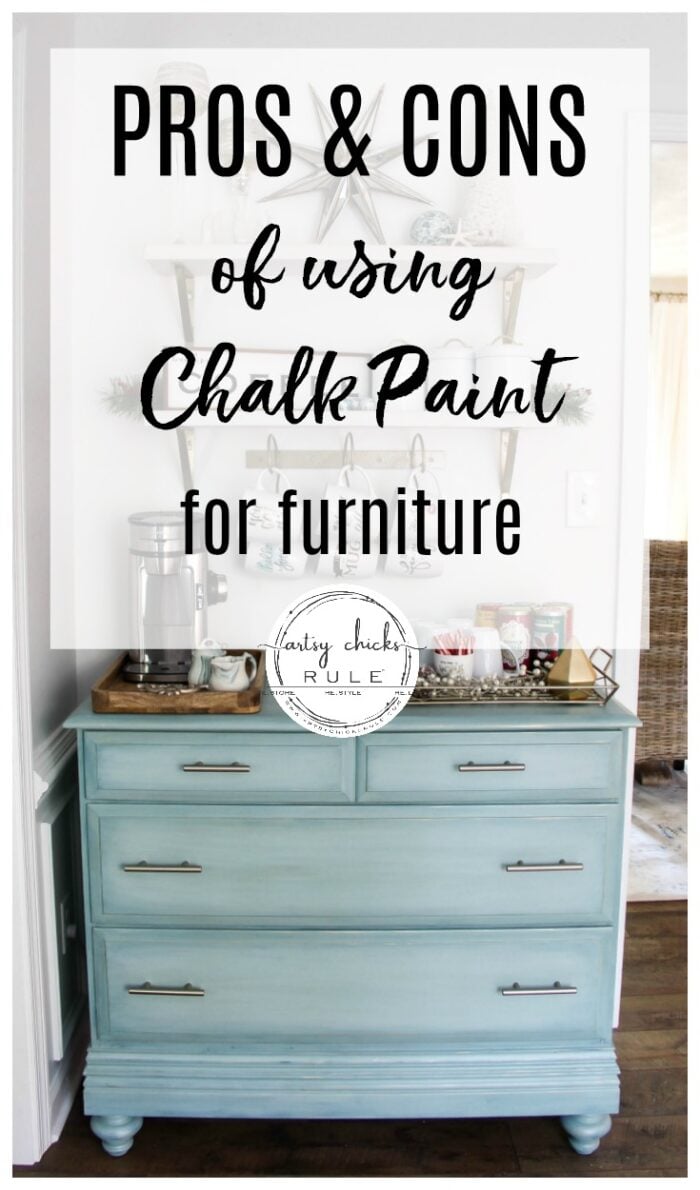
- Chic Modern Updates: Painting a dated dresser in a solid, contemporary color like a deep charcoal or a soft sage can completely modernize its look.
- Vintage and Shabby Chic Transformations: The ease of distressing chalked paint makes it perfect for creating that coveted, gently worn, antique look. Layering different colors and then sanding back to reveal the underlying hues is a popular technique for achieving depth and character.
- Kitchen Cabinet Makeovers: Chalked paint is an excellent option for refreshing kitchen cabinets. Its strong adhesion means it can often be applied directly over existing laminate or painted surfaces, offering a cost-effective alternative to cabinet replacement.
Home Décor and Accent Pieces
Beyond furniture, chalked paint is ideal for a multitude of home décor items, allowing for personalization and stylistic cohesion throughout a home.
- Decorative Objects: Vases, picture frames, lamp bases, candle holders, and decorative boxes can all be transformed with a coat of chalked paint.
- Wall Treatments: While not a primary application, chalked paint can be used for accent walls or specific decorative effects. However, for large wall areas, dedicated wall paints with a matte finish are generally more practical.
- Upholstery and Fabric: Certain formulations of chalked paint can be diluted with water to create a fabric paint, ideal for refreshing upholstery, cushions, or even lampshades. This allows for a custom color palette for soft furnishings.
Creative and Artistic Projects
The unique properties of chalked paint also lend themselves to more experimental and artistic endeavors.
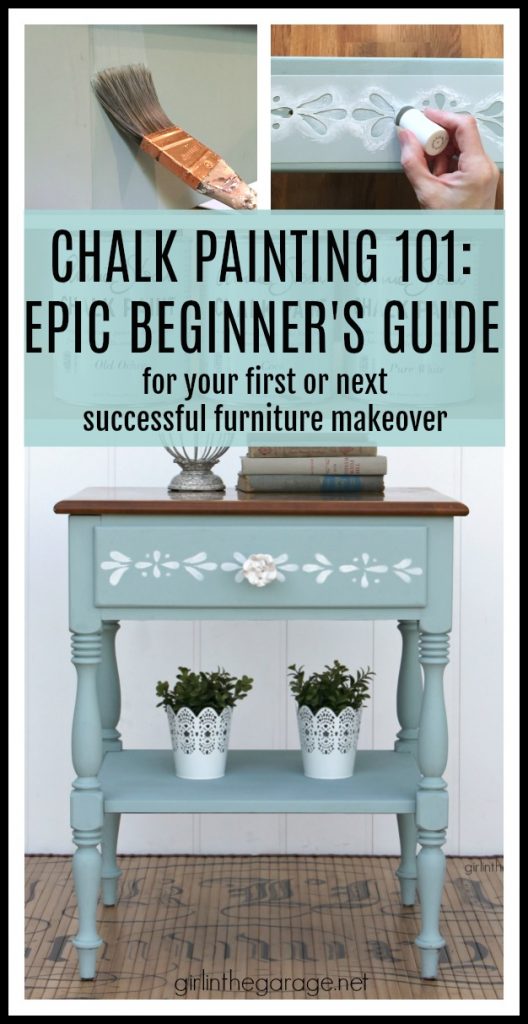
- Stenciling: The matte surface is perfect for stencil work, holding crisp lines and allowing for layering of colors.
- Mixed Media Art: Artists may incorporate chalked paint into mixed media pieces for its texture and matte finish.
- Seasonal Décor: Holiday decorations, seasonal crafts, and DIY projects for special occasions can all benefit from the quick and easy application of chalked paint.
In conclusion, chalked paint is far more than just a name; it represents a paradigm shift in how we approach painting and refinishing. Its inherent properties—exceptional adhesion, a distinctive matte finish, ease of application, and the ability to be easily distressed—empower creators of all skill levels to achieve stunning results. By understanding its characteristics and mastering the art of finishing with wax or other sealants, chalked paint opens up a world of creative possibilities for transforming furniture, décor, and more, proving itself to be an indispensable tool in the modern DIYer’s arsenal.
aViewFromTheCave is a participant in the Amazon Services LLC Associates Program, an affiliate advertising program designed to provide a means for sites to earn advertising fees by advertising and linking to Amazon.com. Amazon, the Amazon logo, AmazonSupply, and the AmazonSupply logo are trademarks of Amazon.com, Inc. or its affiliates. As an Amazon Associate we earn affiliate commissions from qualifying purchases.