
English grammar, a foundational pillar of communication, has long been a subject of meticulous study and application. Traditionally, understanding its intricacies involved textbooks, classroom instruction, and dedicated practice. However, the advent and rapid evolution of Artificial Intelligence (AI) have fundamentally reshaped how we interact with, learn, and even define what is “about” in English grammar. AI tools are no longer mere digital dictionaries or spell checkers; they are sophisticated engines capable of parsing complex sentence structures, identifying nuanced errors, and even generating grammatically sound text. This article delves into the multifaceted ways AI is becoming intrinsically linked with English grammar, transforming its study, application, and our very comprehension of linguistic precision.
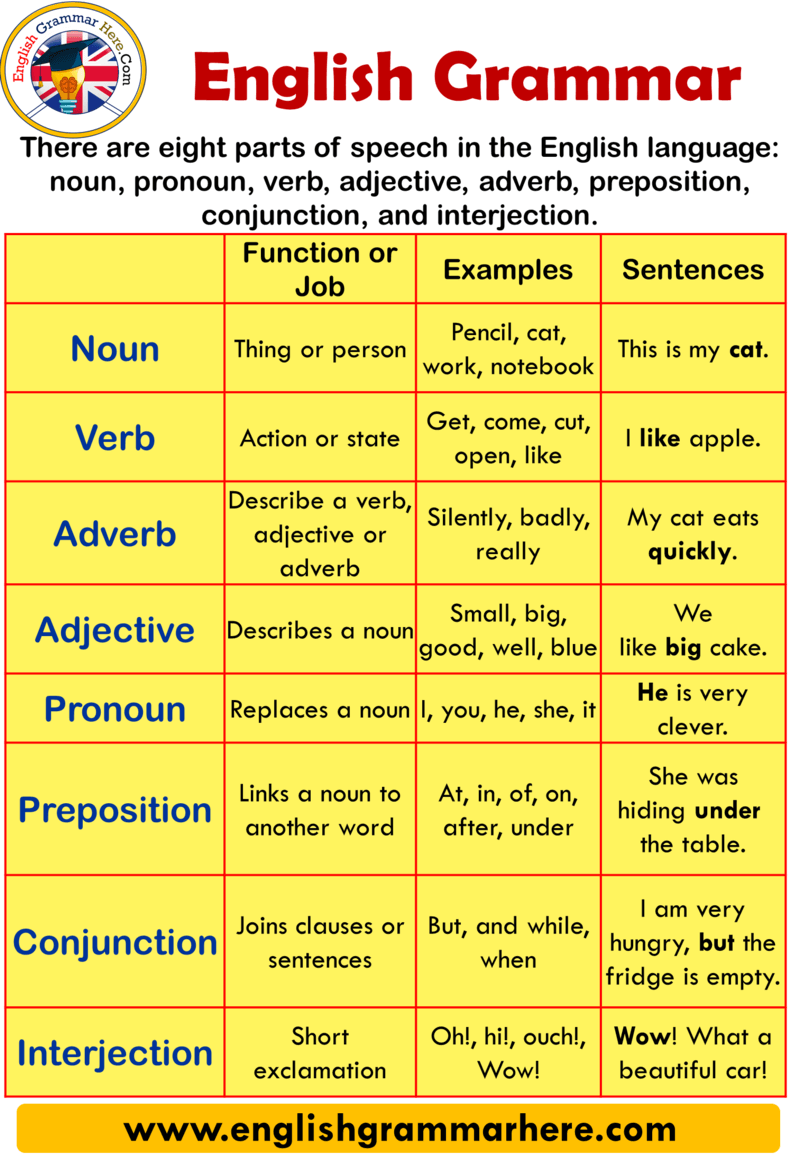
The Evolving Landscape of Grammar: From Rules to Recognition
The very concept of “English grammar” has shifted. Historically, it was a set of prescriptive rules designed to dictate correct usage. While these rules remain important, the modern understanding, amplified by AI’s capabilities, leans more towards descriptive linguistics and the recognition of patterns and structures within natural language. AI’s ability to process vast datasets of text and identify recurring linguistic phenomena allows for a more dynamic and data-driven approach to grammar.
From Prescriptive Rules to Descriptive Analysis
The traditional approach to grammar education often focused on memorizing rules and identifying grammatical components. While effective for some, this method could feel rigid and disconnected from real-world language use. AI, however, operates on a fundamentally different principle: learning from data. By analyzing millions of sentences, AI algorithms can identify statistical patterns, common constructions, and deviations from typical usage. This enables a more nuanced understanding of grammar, recognizing that language is not always a rigid adherence to a predefined set of rules, but rather a fluid system with observable tendencies.
For instance, the rule against ending a sentence with a preposition, while historically considered a strict guideline, is frequently violated in everyday English without sacrificing clarity. AI, trained on diverse corpuses, can recognize the acceptability and context-dependency of such “violations,” offering a more sophisticated grammatical analysis that moves beyond simplistic right or wrong judgments. This descriptive analysis allows for a deeper appreciation of linguistic variation and evolution.
Natural Language Processing (NLP) as the Engine of Grammar
At the heart of AI’s involvement in English grammar lies Natural Language Processing (NLP). NLP is a subfield of AI that focuses on enabling computers to understand, interpret, and manipulate human language. This encompasses a wide range of tasks, from simple word recognition to complex sentiment analysis and machine translation. For grammar, NLP provides the underlying technology to dissect sentences, identify parts of speech, understand syntactical relationships, and detect grammatical errors.
Key NLP techniques that are crucial for grammatical analysis include:
- Tokenization: Breaking down text into individual words or units (tokens).
- Part-of-Speech Tagging (POS Tagging): Identifying the grammatical role of each word (e.g., noun, verb, adjective).
- Parsing: Analyzing the grammatical structure of a sentence, identifying the relationships between words and phrases. This can be done syntactically (how words are arranged) and semantically (the meaning of the relationships).
- Named Entity Recognition (NER): Identifying and classifying named entities in text, such as names of people, organizations, and locations, which can have grammatical implications.
- Dependency Parsing: Mapping the relationships between words in a sentence, illustrating which words modify or depend on others.
These fundamental NLP processes form the bedrock upon which AI-powered grammar tools are built, allowing them to go far beyond simple keyword matching to truly understand the structure and meaning of written English.
AI-Powered Tools: Transforming Grammar Learning and Application
The most tangible impact of AI on English grammar is through the proliferation of sophisticated tools designed to assist users. These applications leverage NLP to provide real-time feedback, facilitate learning, and enhance the quality of written communication across various platforms.
Intelligent Writing Assistants and Grammar Checkers
Gone are the days of basic spell checkers that only flag obvious typos. Modern AI-powered writing assistants, such as Grammarly, ProWritingAid, and the built-in checkers in word processors and email clients, offer comprehensive grammatical analysis. They can identify a wide array of errors, including:
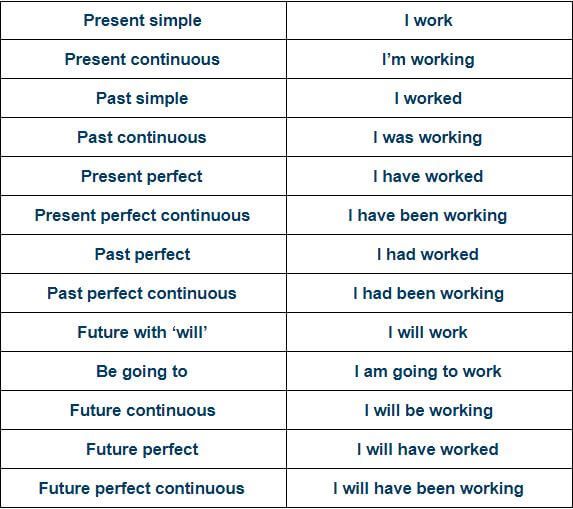
- Subject-verb agreement: Ensuring that the verb agrees in number with its subject.
- Tense consistency: Maintaining a logical progression of tenses throughout a piece of writing.
- Pronoun agreement: Ensuring pronouns correctly refer to their antecedents in number and gender.
- Misplaced modifiers: Identifying phrases or clauses that are positioned incorrectly, leading to confusion.
- Dangling participles: Correcting participial phrases that do not clearly modify the intended noun or pronoun.
- Punctuation errors: Going beyond simple comma splices to understand complex punctuation rules.
- Sentence structure issues: Suggesting ways to improve clarity, conciseness, and flow by restructuring sentences.
- Word choice and style: Offering synonyms and suggesting more appropriate vocabulary based on context and tone.
These tools often provide explanations for their suggestions, turning them into learning opportunities. By understanding why a change is recommended, users can gradually improve their grammatical accuracy and develop a better intuitive grasp of English syntax. The personalized feedback, tailored to individual writing habits, makes them invaluable for both native speakers and English language learners.
AI in Educational Platforms and Language Learning Apps
The impact of AI extends significantly into the educational sphere, revolutionizing how English grammar is taught and learned. AI-driven platforms can offer personalized learning paths, adaptive assessments, and interactive exercises that cater to the specific needs and pace of each student.
Language learning applications, for example, increasingly incorporate AI to:
- Provide intelligent feedback on written and spoken exercises: AI can analyze the grammatical correctness of a student’s responses, offering targeted corrections and explanations.
- Create adaptive learning modules: Based on a student’s performance, AI can adjust the difficulty and focus of lessons, ensuring that areas of weakness are addressed effectively.
- Simulate conversational practice: AI chatbots can engage learners in dialogues, providing opportunities to practice grammar in a practical, interactive setting.
- Identify common error patterns: By analyzing data from numerous learners, AI can pinpoint frequently occurring grammatical mistakes, allowing educators to refine their teaching strategies.
This personalized approach, driven by AI’s analytical capabilities, makes grammar learning more efficient, engaging, and ultimately, more effective. Students are no longer confined to a one-size-fits-all curriculum; instead, they receive support that is specifically designed to help them overcome their individual challenges.
The Future of Grammar: AI as Collaborator and Creator
As AI continues to advance, its role in English grammar will undoubtedly expand, moving beyond simple error detection to more profound forms of collaboration and even creation. The lines between human and machine-generated text, particularly in terms of grammatical correctness, are becoming increasingly blurred.
Beyond Error Correction: AI in Content Generation and Style Enhancement
The capabilities of large language models (LLMs) have opened new frontiers in text generation. These models are trained on immense datasets and can produce human-like text that is often grammatically impeccable. This has implications for various professional fields, from marketing and journalism to creative writing.
- Automated Content Creation: AI can generate articles, summaries, social media posts, and even creative content, all while adhering to grammatical standards. This frees up human writers to focus on higher-level tasks such as ideation, strategy, and nuanced storytelling.
- Style and Tone Adaptation: Advanced AI can not only ensure grammatical correctness but also adapt writing to specific styles, tones, and target audiences. This allows for the rapid production of tailored content for diverse communication needs.
- Translation and Localization: AI-powered translation tools, while still evolving, are becoming increasingly adept at producing grammatically sound translations, bridging language barriers with greater efficiency.
The development of LLMs represents a significant shift from simply identifying grammatical errors to actively producing grammatically sound and contextually appropriate language. This raises interesting questions about authorship, originality, and the future of writing itself.

The Ethical and Cognitive Implications of AI in Grammar
The pervasive integration of AI into the realm of English grammar also brings forth important ethical and cognitive considerations. As we rely more on AI for grammatical assistance, there’s a concern that our own innate grammatical understanding might atrophy. Furthermore, the biases present in the data used to train AI can inadvertently be perpetuated in its grammatical suggestions.
- Cognitive Dependence: Over-reliance on AI tools might lead to a decline in independent grammatical skill, much like GPS navigation can impact our spatial reasoning. The key lies in using AI as a supplementary tool for learning and refinement, rather than a crutch that prevents the development of intrinsic understanding.
- Bias in AI Models: AI models are trained on existing text data. If this data contains historical biases or non-standard grammatical usage that is not clearly distinguished from errors, the AI might inadvertently propagate these biases or flag correct but unconventional usage as incorrect. Continuous refinement and ethical considerations in data curation are crucial to mitigate this.
- The Nature of “Correctness”: As AI becomes more sophisticated, it can help us re-evaluate what constitutes “correct” grammar in evolving language. By analyzing vast patterns of usage, AI can provide data-driven insights into linguistic norms, influencing how we perceive and teach grammar in the future.
Ultimately, the question of “what is about in English grammar” in the age of AI is no longer solely about syntax and semantics. It is about the evolving relationship between humans and intelligent machines, how we leverage technology to enhance our communication, and how we ensure that this powerful partnership fosters deeper understanding and continued linguistic growth. The future of English grammar is intrinsically intertwined with the advancements in AI, promising a dynamic and ever-evolving landscape of linguistic precision.
aViewFromTheCave is a participant in the Amazon Services LLC Associates Program, an affiliate advertising program designed to provide a means for sites to earn advertising fees by advertising and linking to Amazon.com. Amazon, the Amazon logo, AmazonSupply, and the AmazonSupply logo are trademarks of Amazon.com, Inc. or its affiliates. As an Amazon Associate we earn affiliate commissions from qualifying purchases.