
The concept of a “street address” is so ingrained in our daily lives that we often use it without a second thought. It’s the digital key that unlocks physical locations, the fundamental building block for communication, commerce, and navigation in the real world. While seemingly straightforward, the humble street address is a complex system with profound implications, especially within the realm of technology. This article delves into the technical underpinnings, operational nuances, and evolving significance of street addresses in our increasingly digital landscape, focusing exclusively on its role within the Tech niche.
The Anatomy of a Street Address: More Than Just Words and Numbers
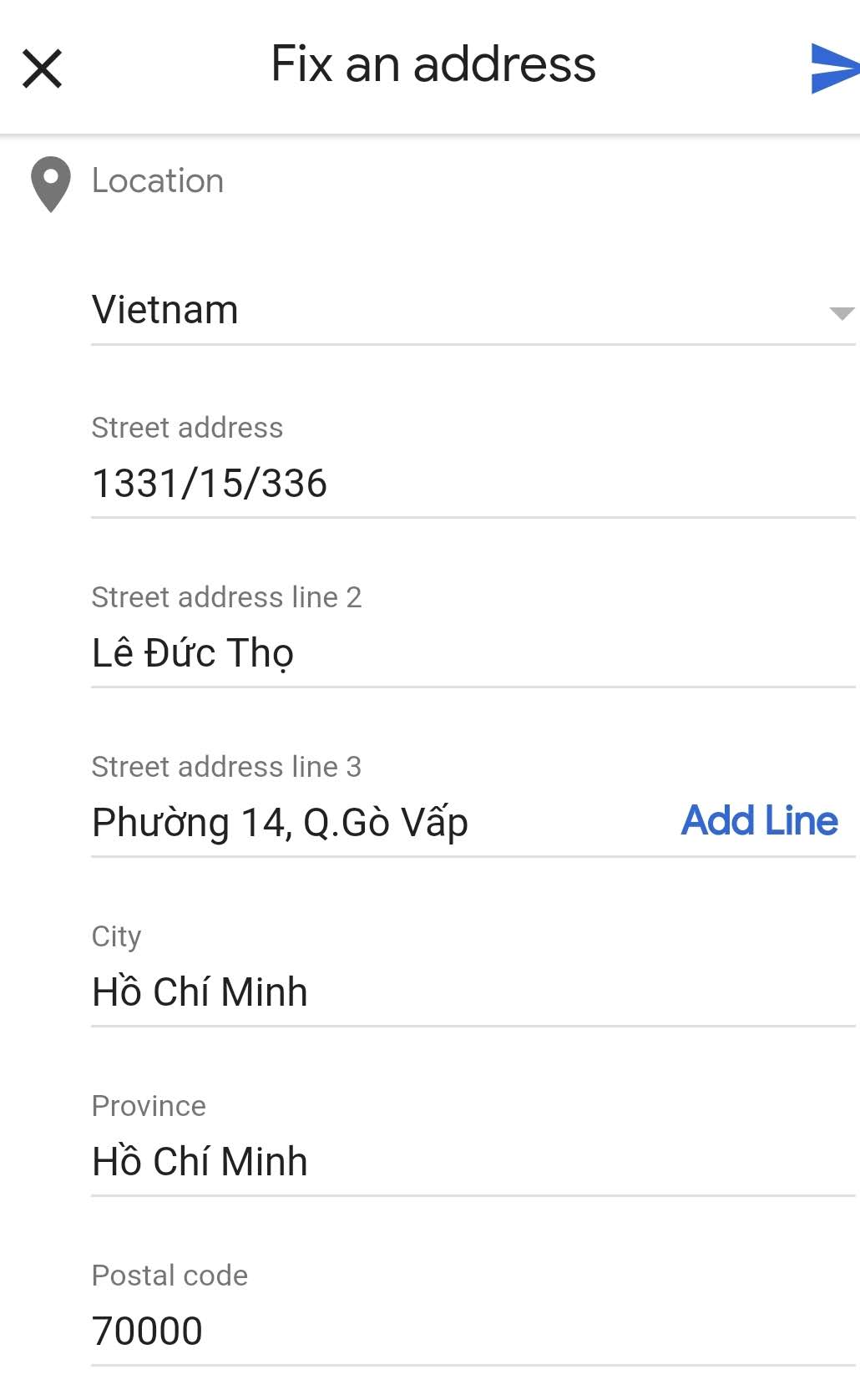
A street address is not a random string of characters; it’s a structured piece of data designed for precision and machine readability. Understanding its components is crucial to appreciating its function in various technological applications, from GPS navigation to logistical optimization.
Postal Code Systems: The Global Language of Location
At the broadest level, street addresses are organized by postal code systems. These systems, managed by national postal services, provide a hierarchical structure that allows for efficient sorting and delivery of mail and packages.
The Logic of Zip Codes and Postcodes
Whether it’s the alphanumeric codes of the United Kingdom’s postcode system or the numerical zip codes of the United States, the underlying principle is the same: to divide a geographical area into smaller, manageable delivery zones. For instance, a US zip code like “90210” not only identifies a specific area in Beverly Hills but also implies a particular postal sorting facility and a defined set of delivery routes. The technical implementation of these systems often involves intricate databases that map these codes to geographical regions, facilitating automated mail sorting machines and the routing of delivery vehicles. Modern postal services leverage sophisticated optical character recognition (OCR) and machine learning algorithms to read handwritten and printed addresses, further enhancing the efficiency of these systems.
Geocoding: Translating Human-Readable to Machine-Readable Coordinates
The magic that transforms a street address into a precise point on a map is called geocoding. This is a critical technological process that links a textual address to its corresponding geographical coordinates (latitude and longitude). Geocoding engines, often powered by vast databases maintained by companies like Google, Esri, and HERE Technologies, are sophisticated algorithms that parse address components, match them against reference datasets, and return the most accurate positional data.
The Role of Address Databases and Validation
The accuracy of geocoding hinges on the quality and comprehensiveness of underlying address databases. These databases contain millions of valid addresses, often standardized and verified. Address validation services, integrated into many online forms and systems, use these databases to check if an entered address exists and is deliverable. This not only prevents delivery errors but also helps maintain data integrity for businesses and organizations. The technical challenge lies in handling variations in address formats, abbreviations, and potential errors entered by users. Advanced techniques involve fuzzy matching, spell correction, and the use of authoritative geocoding sources to ensure high accuracy.
Street Addresses in the Digital Ecosystem: The Foundation of Location-Based Services
The rise of the internet and mobile technology has amplified the importance of street addresses, transforming them from static identifiers into dynamic data points that power a myriad of location-based services (LBS).
Navigation and Mapping: From Paper Maps to Real-Time Guidance
The most obvious and ubiquitous application of street addresses in technology is in navigation. GPS devices and smartphone applications have revolutionized how we find our way, all starting with the input of a street address.
GPS and the Power of Coordinates
Global Positioning System (GPS) technology, a network of satellites orbiting Earth, enables devices to determine their precise location. However, for a user to navigate to a destination, that destination needs to be represented as a set of coordinates. This is where geocoding comes in. When you input a street address into a navigation app, the system first geocodes that address to obtain its latitude and longitude. Then, the GPS receiver in your device uses the satellite signals to determine your current coordinates. The navigation software then calculates the optimal route between your current coordinates and the destination coordinates, providing turn-by-turn directions. The underlying technology involves complex algorithms for route optimization, traffic prediction, and real-time map updates, all of which rely on the foundational accuracy of the initial address geocoding.
Real-Time Data and Dynamic Routing
Modern navigation systems go beyond static routes. They incorporate real-time traffic data, road closures, and even parking availability, dynamically rerouting users to avoid delays. This is made possible by a continuous flow of data from various sources, including sensors embedded in roads, anonymized location data from other users’ devices, and official incident reports. The street address serves as the initial anchor point for this dynamic information, allowing the system to understand where specific traffic events are occurring relative to potential routes.
E-commerce and Logistics: Delivering the Digital to the Doorstep

The explosive growth of e-commerce has placed an unprecedented demand on the efficient processing and delivery of physical goods, making the street address the critical last-mile link in the digital supply chain.
Order Fulfillment and Warehouse Management
When an online order is placed, the street address provided by the customer is a crucial piece of data for the entire fulfillment process. It dictates which warehouse the order should be routed to for picking and packing, and it is essential for generating shipping labels and delivery manifests. Warehouse management systems (WMS) use this information to optimize internal workflows, ensuring that items are picked from the correct locations and consolidated for shipment to the right destinations. The accuracy of the address is paramount; a slightly misspelled street name or an incorrect building number can lead to significant delays or failed deliveries.
Last-Mile Delivery Optimization
The “last mile” of delivery, from the local distribution center to the customer’s doorstep, is often the most complex and expensive part of the logistics chain. Technology plays a vital role in optimizing this stage. Delivery management software uses street addresses to:
- Batch Deliveries: Grouping orders by proximity to create efficient delivery routes.
- Dynamic Routing: Adjusting routes in real-time based on traffic conditions, new orders, or delivery exceptions.
- Proof of Delivery (POD): Capturing signatures, photos, or GPS stamps to confirm successful delivery at the specified street address.
- Customer Notifications: Providing estimated delivery times and updates, often referencing the street address for clarity.
The underlying technologies include sophisticated routing algorithms, predictive analytics for demand forecasting, and mobile applications for delivery drivers that seamlessly integrate with the street address data.
The Future of Street Addresses in a Hyper-Connected World
As technology continues to evolve, the role and representation of street addresses are also undergoing transformation, moving beyond simple text strings to become more integrated and dynamic entities.
The Digital Twin of Physical Space
The concept of a “digital twin” – a virtual replica of a physical object or system – is increasingly being applied to urban environments. Street addresses are a fundamental component of these digital twins.
Smart Cities and Urban Planning
In smart cities, vast amounts of data are collected and analyzed to improve urban living. Street addresses, when geocoded and integrated with other data layers, become crucial for urban planning, infrastructure management, and public services. For example, emergency services can use precise street address data combined with building floor plans and occupant information to respond more effectively to incidents. Utility companies can leverage this data to monitor and manage infrastructure like power lines and water pipes associated with specific addresses. The technical challenge here lies in creating and maintaining a unified, accurate, and accessible digital representation of the urban fabric, where street addresses are a key identifier.
Enhanced Indoor and Outdoor Positioning
While GPS excels at outdoor positioning, challenges remain indoors and in dense urban canyons. Emerging technologies like Wi-Fi triangulation, Bluetooth beacons, and even the precise measurement of cellular signal strengths are being used to enhance indoor location accuracy. When these technologies are integrated with street address data, they can provide a more granular and seamless location experience, bridging the gap between the macro-level street address and the micro-level indoor space. Imagine receiving a notification to turn left at aisle 7 in a large retail store, a level of precision built upon the initial street address.
Challenges and Innovations in Address Data Management
Despite its ubiquity, managing and utilizing street address data presents ongoing technical challenges.
Data Accuracy, Standardization, and Privacy
Ensuring the accuracy and standardization of street address data across different regions and systems is a continuous effort. Variations in naming conventions, abbreviations, and the inclusion of unit numbers or apartment details can all lead to data quality issues. Furthermore, the increasing use of street addresses in data analysis raises privacy concerns. Technologies like anonymization and differential privacy are being explored to leverage the insights derived from location data while protecting individual privacy. The development of robust, secure, and privacy-preserving address databases and geocoding services is a significant area of ongoing technological innovation.

The Role of APIs and Blockchain
Application Programming Interfaces (APIs) are instrumental in allowing different software systems to access and utilize address data. Geocoding APIs, mapping APIs, and routing APIs form the backbone of many location-based applications. Looking ahead, blockchain technology is also being explored for its potential to create secure, immutable, and transparent address registries, which could enhance data integrity and reduce fraud in various applications, from property records to supply chain management.
In conclusion, the seemingly simple concept of a street address is a sophisticated technological construct that underpins a vast array of modern services and systems. From the fundamental principles of postal services to the cutting-edge innovations in smart cities and the digital twin of our world, the street address remains an indispensable piece of data, constantly evolving with the technological advancements that shape our digital and physical lives. Its continued relevance highlights the enduring power of precise, structured information in navigating and interacting with our environment.
aViewFromTheCave is a participant in the Amazon Services LLC Associates Program, an affiliate advertising program designed to provide a means for sites to earn advertising fees by advertising and linking to Amazon.com. Amazon, the Amazon logo, AmazonSupply, and the AmazonSupply logo are trademarks of Amazon.com, Inc. or its affiliates. As an Amazon Associate we earn affiliate commissions from qualifying purchases.