
The question “what size rim is 650b?” might seem straightforward, but delving into its meaning reveals a fascinating intersection of historical evolution, precise engineering, and modern application within the realm of cycling technology. 650b, often encountered in discussions about road bikes, gravel bikes, and even some mountain bikes, refers to a specific wheel and tire diameter that has carved out a significant niche for itself. Understanding the “size” of a 650b rim isn’t just about measuring its diameter; it’s about appreciating its historical context, its technical specifications, and the performance advantages it offers to cyclists.

The Evolution and Nuances of 650b Wheel Sizing
The story of 650b is one of rediscovery and adaptation. While it might feel like a modern innovation, this wheel size has roots in older European cycling standards. Its resurgence is a testament to its unique ability to bridge the gap between traditional 700c wheels and smaller diameters, offering a distinct set of advantages that have been embraced by contemporary bike designers.
Historical Roots and the “Metric” Standard
Before diving into the precise measurements of a 650b rim, it’s important to understand its lineage. The “b” in 650b doesn’t refer to a measurement itself, but rather to a sub-category within the 650mm French sizing system. This system, developed in the early 20th century, categorized tire sizes based on an approximate outer diameter and a letter designation indicating the tire width. So, 650b represents a specific tire width within the broader 650mm French standard.
In this French system, the first number (e.g., 650) indicated the nominal outer diameter of the tire and rim combination in millimeters. The letters that followed (a, b, c) denoted different tire widths. The “b” designation historically corresponded to a narrower tire width compared to “a” and a wider width than “c”.
However, the modern interpretation and application of 650b have largely decoupled from the exact historical tire dimensions. Today, when we refer to a 650b wheel, we are primarily concerned with the rim’s bead seat diameter (BSD), which is the critical measurement that dictates tire compatibility.
Deciphering the “Size” of a 650b Rim: ISO and ETRTO Standards
While the “650b” designation originates from a French system, modern bicycle wheel sizing is governed by more standardized international metrics, primarily the ISO (International Organization for Standardization) and ETRTO (European Tire and Rim Technical Organization) standards. These organizations provide precise definitions for rim diameters and widths to ensure interoperability and safety.
For a 650b wheel, the ISO 559mm standard is the crucial identifier. This 559mm measurement refers to the Bead Seat Diameter (BSD) of the rim. The BSD is the diameter of the rim where the tire bead seats. This is the most critical dimension for determining tire compatibility. A tire designed for a 650b rim must have a bead diameter that precisely matches the rim’s BSD.
It’s important to note that while the nominal outer diameter of a 650b wheel and tire combination can vary (influenced by tire width and pressure), the rim’s BSD remains constant at 559mm. This is what fundamentally defines a 650b wheel from a technical standpoint.
To put this into perspective, a common 700c road bike wheel has an ISO 559mm BSD, but the rim’s actual diameter is larger, typically around 622mm. So, while the BSD is the same for both, the rim itself is physically larger in the 700c standard. This difference in rim diameter is a key factor in how each wheel size performs.
Rim Width Considerations for 650b
Beyond the diameter, the width of the rim is another crucial aspect of wheel sizing. Rim width affects tire profile, tire pressure range, and overall wheel stability. Modern 650b rims come in a variety of widths, catering to different cycling disciplines and tire choices.
Rim widths are typically measured in millimeters, and manufacturers often provide both internal and external measurements. The internal rim width is particularly important as it directly influences the supported tire width and the resulting tire shape.
- Narrower 650b rims (e.g., 18-23mm internal width): These are often found on older road bikes or some touring setups and are designed for narrower tires (e.g., 28-35mm). They provide a more traditional road bike feel.
- Medium 650b rims (e.g., 23-27mm internal width): These are increasingly common on gravel bikes and all-road bikes. They are well-suited for wider tires (e.g., 35-45mm) and offer a good balance of responsiveness and comfort.
- Wider 650b rims (e.g., 27mm+ internal width): These are typically found on mountain bikes or some very aggressive gravel bikes and are designed for wider, high-volume tires (e.g., 45mm and above). They offer maximum comfort, traction, and stability for rough terrain.
The choice of rim width should always be guided by the intended use of the bike and the type of tires the rider plans to use. Manufacturers typically provide clear guidelines on compatible tire widths for their rims.
The Technical Advantages and Performance Implications of 650b
The enduring appeal and resurgence of 650b wheels are directly linked to the distinct performance characteristics they offer, particularly when paired with wider tires. This wheel size effectively bridges a gap in the cycling world, providing a unique blend of agility, comfort, and rolling resistance that makes it ideal for specific applications.
Balancing Agility and Comfort: The Sweet Spot of 650b
One of the primary technical advantages of 650b wheels is their ability to provide a more compliant and comfortable ride without sacrificing too much in terms of rolling efficiency. This is achieved through a combination of factors.
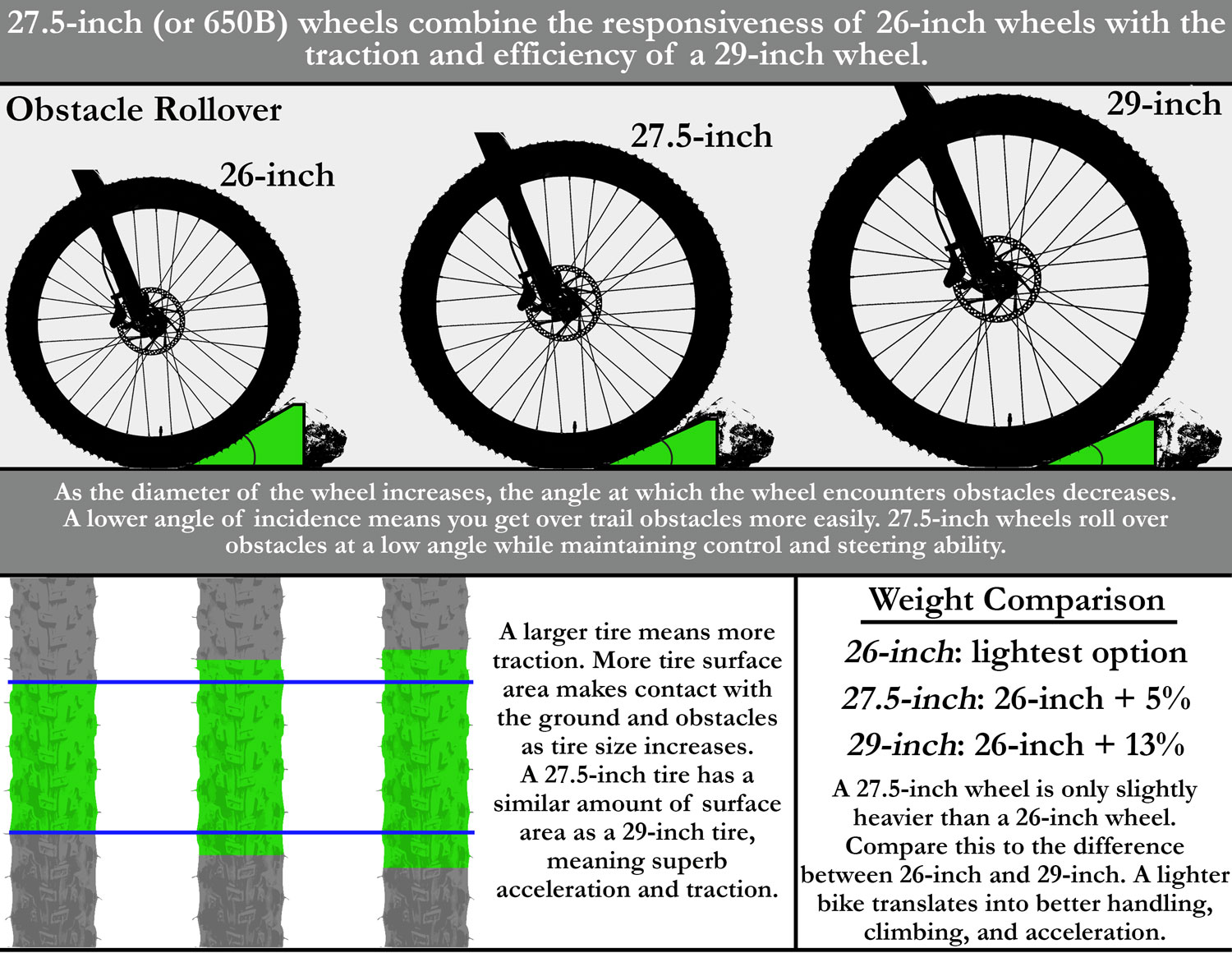
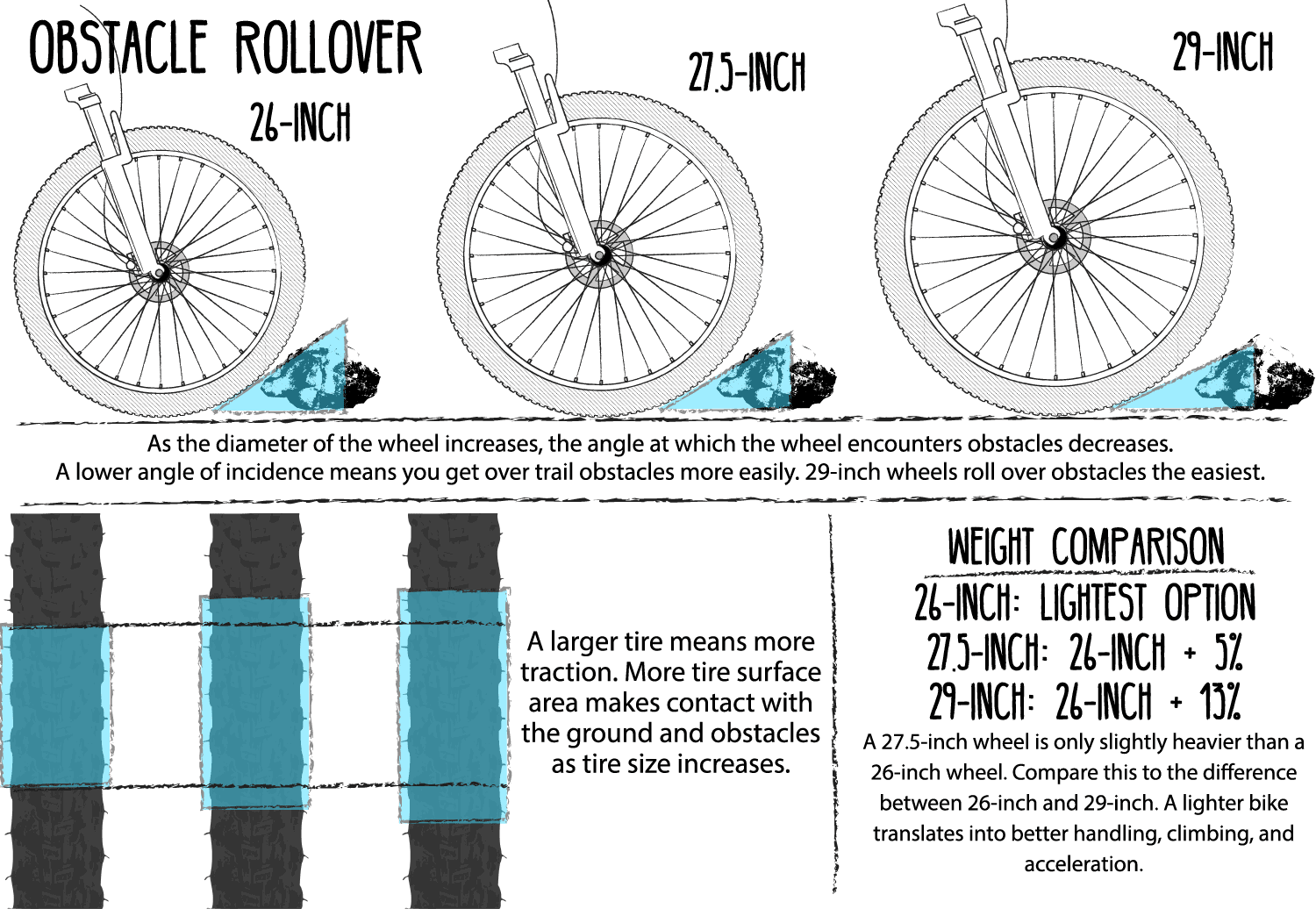
When a 650b wheel is fitted with a tire of comparable volume to a 700c wheel, the 650b setup generally has a smaller outer diameter. This smaller diameter, coupled with a wider tire, allows the tire to deform more readily over bumps and imperfections in the road or trail. This increased compliance translates to a smoother, more comfortable ride for the cyclist, reducing fatigue on longer rides or rough terrain.
Furthermore, the smaller wheel diameter contributes to a sensation of quicker acceleration and more nimble handling. Think of it like a smaller steering wheel: it requires less effort to initiate a turn. This makes 650b-equipped bikes feel more agile and responsive, particularly in situations that demand frequent changes in direction, such as weaving through singletrack trails or navigating technical descents.
The perceived trade-off for this increased comfort and agility is often a slight increase in rolling resistance compared to a high-pressure, narrow tire on a 700c wheel. However, modern tire technology and the ability to run lower pressures with wider 650b tires have significantly closed this gap. In many real-world scenarios, especially on uneven surfaces, the reduced energy loss from the tire deforming less drastically can actually make 650b competitive, or even superior, in terms of overall speed and efficiency.
Wider Tire Compatibility and Its Benefits
A key enabler of the 650b revolution is its inherent compatibility with wider tires. While 700c wheels are traditionally associated with narrower road tires, and larger mountain bike wheels (29er) are designed for very wide tires, 650b occupies a versatile middle ground.
650b rims, especially those with modern internal widths, can comfortably accommodate a wide range of tire sizes, typically from 35mm up to 50mm and sometimes even wider. This flexibility is a significant advantage for cyclists who ride in varied conditions or want to optimize their bike for specific terrain.
- Gravel Riding: Wider 650b tires excel on gravel roads, offering increased traction, comfort, and puncture resistance. They allow riders to confidently tackle loose surfaces, washboard roads, and even light singletrack.
- All-Road and Commuting: For cyclists who split their time between paved roads and light off-road excursions, 650b with medium-width tires provides a superb all-around solution. They offer a more comfortable ride than a pure road bike while still being efficient enough for daily commutes.
- Mountain Biking (Smaller Frames/Specific Disciplines): In some mountain bike applications, particularly for smaller frame sizes or bikes designed for agility and playfulness, 650b wheels can be a preferred choice. They can offer better standover height and a more responsive feel on tight, technical trails.
The ability to fit wider tires also means that riders can run lower tire pressures. Lower tire pressures increase the tire’s contact patch with the ground, leading to improved grip, enhanced traction, and further benefits to ride comfort by absorbing more road vibrations. This is a critical factor in the appeal of 650b for long-distance touring or for riders seeking a more forgiving ride.
The Impact on Bike Geometry and Handling
The choice of wheel size has a profound impact on a bicycle’s overall geometry and, consequently, its handling characteristics. 650b wheels, with their smaller diameter, offer frame designers a unique opportunity to optimize a bike’s performance.
When a frame is designed around 650b wheels, it often allows for a lower bottom bracket height relative to the axle, or a shorter fork and chainstays, compared to an equivalent 700c frame. This can lead to several desirable outcomes:
- Lower Center of Gravity: A lower bottom bracket can result in a lower center of gravity for the rider and the bike. This contributes to increased stability, especially when cornering, and can make the bike feel more planted and predictable.
- Improved Standover Clearance: For riders with shorter inseams, a frame designed for 650b wheels can offer more generous standover clearance. This is particularly important for safety and confidence, especially when dismounting or navigating challenging terrain.
- Increased Tire Clearance: The smaller diameter of the 650b wheel allows designers to create frames with more clearance for wider tires without excessively increasing the wheelbase or affecting the bike’s aesthetics. This is a major reason why 650b has become so popular for gravel and adventure bikes.
The precise way a frame designer incorporates 650b wheels into their geometry is a complex engineering feat. It involves balancing factors like head tube angle, seat tube angle, trail, and bottom bracket height to achieve the desired ride characteristics – whether that’s stability for descending, agility for climbing, or a balance of both. Ultimately, the choice of 650b allows for a more refined and tailored ride experience in many applications.
Applications and Use Cases for 650b Wheels
The versatility of the 650b wheel size has led to its adoption across a wide spectrum of cycling disciplines. Its ability to blend comfort, agility, and capability makes it a compelling choice for riders seeking specific performance benefits.
The Rise of 650b in Gravel and Adventure Cycling
Perhaps the most significant area where 650b has made its mark is in the burgeoning world of gravel and adventure cycling. The demands of gravel riding – varied surfaces, long distances, and the need for both comfort and control – align perfectly with the strengths of 650b wheels paired with wider tires.
Gravel bikes equipped with 650b wheels and tires in the 40mm to 50mm range offer an exceptional ride experience on unpaved roads, fire roads, and even light singletrack. The larger volume tires, running at lower pressures, absorb the chatter and impacts from rough terrain, reducing rider fatigue and enhancing control. The slightly smaller wheel diameter contributes to a more nimble feel, making it easier to maneuver through loose gravel or around obstacles.
This combination allows gravel riders to push their boundaries, explore further, and enjoy a more comfortable and confidence-inspiring ride. The ability to run wider tires also translates to improved traction on ascents and better braking performance on descents, crucial for adventurous riding.
650b on Road Bikes: A Niche for Comfort and All-Weather Performance
While 700c remains the dominant wheel size for traditional road racing and performance-oriented road bikes, 650b has found a dedicated niche for riders prioritizing comfort, all-weather capability, and a more relaxed riding position.
“All-road” bikes, a category that has gained traction in recent years, often feature 650b wheels. These bikes are designed to be proficient on pavement but also capable of handling light gravel or rougher secondary roads. A 650b setup with tires in the 35mm to 42mm range provides a plush ride on the road, absorbing road vibration and making longer rides more enjoyable.
Furthermore, for riders who often encounter adverse weather conditions, the wider tires that can be fitted to 650b wheels offer superior grip and stability on wet or slippery surfaces. This can instill greater confidence and safety for commuting or training in less-than-ideal conditions. Some endurance road bikes also offer the option of 650b wheels to cater to riders seeking maximum comfort.
650b in Mountain Biking: Agility and Smaller Frame Optimization
While 29-inch wheels and 27.5-inch (650b) wheels are the primary standards in modern mountain biking, 650b has carved out specific applications where its characteristics are advantageous.
For riders with shorter inseams, 650b wheels can be a game-changer. They allow for the design of mountain bike frames with more standover clearance, making it easier and safer to get on and off the bike. This is particularly beneficial for younger riders or those on smaller frame sizes.
In disciplines that prioritize agility and playful handling, such as enduro or trail riding, 650b wheels can offer a more nimble feel compared to larger diameter wheels. The quicker acceleration and more responsive steering can make for a more engaging and dynamic riding experience on tight, technical trails. While 29ers often excel in rolling over obstacles and maintaining momentum, 650b can provide a distinct advantage in maneuverability and a “connected to the trail” feel.
Choosing the Right 650b Wheel and Tire Combination
The decision to embrace 650b wheels involves understanding how rim and tire choices interact to deliver specific performance outcomes. It’s not simply about selecting a 650b wheel; it’s about selecting the right 650b wheel and pairing it with the appropriate tires for your intended cycling adventures.
Matching Rim Width to Tire Volume and Intended Use
As previously discussed, rim width is a critical factor in determining tire compatibility and performance. When considering a 650b setup, the internal rim width should be carefully matched to the desired tire volume.
- For narrower 650b tires (e.g., 32-38mm): A narrower internal rim width (e.g., 18-23mm) is generally suitable. This combination provides a more traditional, responsive feel suitable for light gravel or mixed-surface commuting.
- For medium-width 650b tires (e.g., 38-47mm): An internal rim width of 23-27mm is ideal. This is the sweet spot for most gravel and all-road applications, offering excellent support for wider tires and allowing for lower pressures.
- For wider 650b tires (e.g., 47mm+): Wider internal rim widths (27mm+) are necessary to properly seat and support these high-volume tires, commonly seen on some gravel or even dedicated mountain bikes.
Manufacturers provide clear recommendations for compatible tire widths for their rims. It’s crucial to adhere to these guidelines to ensure both optimal performance and safety. An improperly matched rim and tire can lead to instability, poor handling, and an increased risk of tire blow-offs.
Tire Pressure: The Key to Unlocking 650b Performance
The true magic of 650b wheels is often unlocked through the strategic use of tire pressure. The ability to run wider tires allows for significantly lower pressures compared to traditional road setups, and this is where much of the comfort and grip advantage of 650b originates.
The optimal tire pressure for a 650b setup is highly dependent on several factors:
- Tire Width: Wider tires can be run at lower pressures.
- Rider Weight: Heavier riders will require slightly higher pressures than lighter riders to achieve the same level of support.
- Terrain: Rougher terrain generally benefits from lower pressures for increased compliance and traction. Smoother surfaces allow for slightly higher pressures for improved rolling efficiency.
- Rider Preference: Some riders prefer a firmer ride, while others prioritize maximum comfort and grip.
As a general guideline, a rider on 45mm 650b tires might experiment with pressures in the range of 30-50 PSI, while a rider on 40mm tires might be in the 40-60 PSI range. It’s highly recommended to experiment with different pressures to find the sweet spot for your specific needs and conditions. Tubeless tire setups are particularly beneficial in this regard, as they allow for lower pressures without the risk of pinch flats.
Compatibility Considerations: Frames, Forks, and Brakes
When considering a transition to 650b wheels, or purchasing a new bike equipped with them, it’s important to ensure frame and fork compatibility, as well as brake clearance.
- Frame and Fork Clearance: Not all frames and forks are designed to accommodate 650b wheels, especially with wider tires. While many modern gravel and adventure bike frames are designed with 650b compatibility in mind, older road frames or those designed exclusively for 700c wheels may not have sufficient clearance. Always check the manufacturer’s specifications for maximum tire width clearance.
- Brake Clearance: Traditional rim brakes can sometimes limit the maximum tire width that can be fitted to a 650b wheel. Disc brakes, which are now standard on most gravel and adventure bikes, offer much greater clearance and are therefore more conducive to the wider tires often used with 650b wheels. If you are considering a conversion, ensure your brakes will accommodate the chosen tire size.
By understanding these factors and making informed choices about rim width, tire volume, tire pressure, and frame compatibility, cyclists can fully leverage the unique advantages of the 650b wheel size, transforming their riding experience across a variety of terrains.
aViewFromTheCave is a participant in the Amazon Services LLC Associates Program, an affiliate advertising program designed to provide a means for sites to earn advertising fees by advertising and linking to Amazon.com. Amazon, the Amazon logo, AmazonSupply, and the AmazonSupply logo are trademarks of Amazon.com, Inc. or its affiliates. As an Amazon Associate we earn affiliate commissions from qualifying purchases.