
In the dynamic and ever-evolving landscape of technology, clarity and precision are paramount. Whether you are a seasoned engineer, a budding entrepreneur, a researcher presenting groundbreaking discoveries, or a marketer explaining complex product features, the ability to communicate effectively is a superpower. While words can paint pictures, it is often the fusion of visuals and their accompanying explanations that truly cements understanding. This is where the humble yet mighty “figure legend” emerges as an indispensable tool, particularly within the tech domain.
A figure legend, in its simplest form, is the explanatory text that accompanies an illustration, graph, chart, or any other visual representation. It acts as a crucial bridge, translating the visual information into accessible and actionable knowledge. In the context of technology, where intricate systems, abstract concepts, and data-driven insights are commonplace, a well-crafted figure legend is not just a formality; it’s a cornerstone of effective communication, driving comprehension, enabling informed decisions, and fostering innovation.
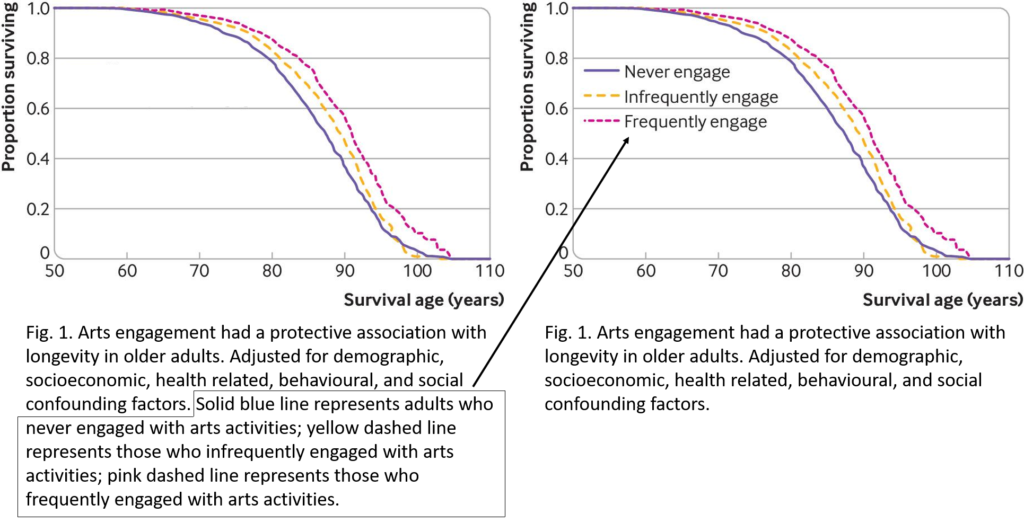
The Indispensable Role of Figure Legends in Technical Documentation
Technical documentation serves as the backbone of any technology product or process. It encompasses everything from user manuals and API references to research papers and internal design specifications. Within this vast realm, visuals – diagrams, schematics, flowcharts, screenshots, and data visualizations – are frequently employed to illustrate complex technical concepts. Without a clear and concise figure legend, these visuals can easily become cryptic puzzles, leaving users and stakeholders confused and disengaged.
Enhancing Comprehension and Reducing Ambiguity
The primary function of a figure legend is to make visual information immediately understandable. In technology, we often deal with abstract ideas like algorithms, network architectures, or software processes. A diagram can visually represent these, but without a legend, the symbols, lines, and shapes remain open to interpretation. A figure legend provides the key, defining each element and explaining the relationships between them. This reduces the cognitive load on the reader, allowing them to grasp the core message quickly and accurately.
Consider a complex flowchart illustrating a user authentication process. A figure legend would clearly define icons representing “user,” “server,” “database,” and actions like “authenticate,” “authorize,” and “redirect.” It would also explain the direction of data flow and the conditions under which different paths are taken. This level of detail ensures that anyone reading the documentation, regardless of their prior familiarity with the specific system, can follow the logic and understand the intended behavior.
Facilitating Knowledge Transfer and Training
In the fast-paced tech industry, rapid onboarding and efficient knowledge transfer are critical for team productivity and project success. When new team members join, they need to quickly understand existing systems, codebases, and design decisions. Visual aids, paired with robust figure legends, are invaluable in this process. They provide a structured and intuitive way to learn about technical components and their interactions.
For instance, a new software engineer tasked with modifying a particular module can benefit immensely from a system architecture diagram. The figure legend would identify each microservice, its primary function, and the protocols it uses to communicate with other services. This immediate context drastically accelerates the learning curve, allowing the engineer to contribute effectively sooner rather than getting bogged down in deciphering raw code or architectural descriptions.
Supporting Debugging and Troubleshooting
When systems inevitably encounter issues, effective troubleshooting is paramount. Visual representations of system states, error logs, or network traffic can provide critical clues. However, these raw data visualizations or diagrams are often dense and laden with technical jargon. A well-written figure legend acts as a guide, helping engineers interpret the visual data and pinpoint the root cause of a problem.
Imagine a network monitoring dashboard displaying packet loss and latency across various nodes. A figure legend would explain what each color-coded line represents (e.g., specific server, connection type), what the axis labels signify (e.g., time, data volume), and what thresholds indicate potential issues. This allows an engineer to quickly identify anomalies and drill down into specific areas of concern, saving valuable time and minimizing downtime.
Crafting Effective Figure Legends: Best Practices for the Tech World
The effectiveness of a figure legend hinges on its clarity, conciseness, and comprehensiveness. Poorly written legends can be as detrimental as no legend at all. Adhering to certain best practices ensures that your visual explanations serve their intended purpose and enhance, rather than hinder, understanding.
Clarity and Conciseness: The Cornerstones of Comprehension
The most effective figure legends are straightforward and easy to understand. Avoid overly technical jargon unless it is absolutely necessary and clearly defined within the legend itself. Strive for brevity, conveying essential information without unnecessary embellishment. Each element should be named, and its role or significance explained in a succinct manner.
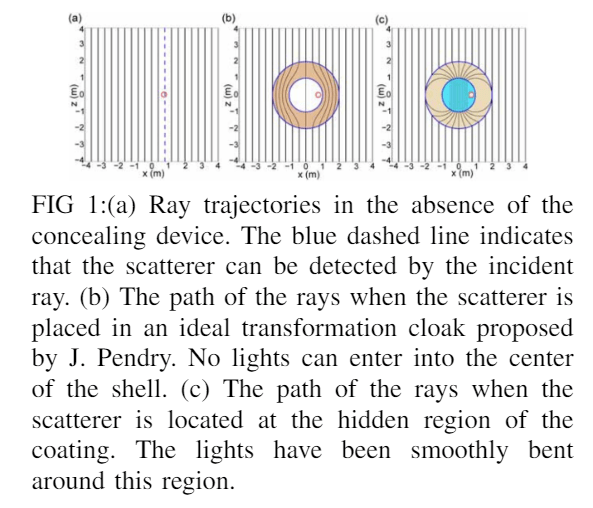
- Use clear and descriptive labels: Instead of generic terms like “Node A,” use descriptive labels such as “Authentication Server,” “User Database,” or “Payment Gateway.”
- Define abbreviations and acronyms: If abbreviations or acronyms are used, ensure they are defined upon their first appearance in the legend or within the main body of the document.
- Maintain consistency: Use consistent terminology throughout the document and across all figure legends to avoid confusion.
Context and Purpose: Providing Essential Background
A figure legend should not exist in a vacuum. It should provide sufficient context to enable the reader to understand the purpose and significance of the visual it accompanies. This means briefly stating what the figure illustrates and what key takeaways the reader should glean from it.
- Start with a brief statement of purpose: A simple sentence or two explaining what the figure depicts and its relevance to the surrounding text. For example, “Figure 1 illustrates the three-tier architecture of our e-commerce platform,” or “Figure 2 shows the projected growth of user adoption over the next five years.”
- Explain relationships and interactions: If the figure shows how different components interact, the legend should clearly articulate these relationships. For a network diagram, this might involve explaining the type of connection between nodes. For a process diagram, it would describe the sequence of operations.
- Highlight key findings or variables: If the figure presents data, the legend should point out what specific data points or trends are most important for the reader to notice. For a bar chart showing performance metrics, the legend could highlight the highest or lowest performing categories.
Accessibility and Standardization: Ensuring Broad Applicability
In the diverse world of technology, ensuring that your visuals and their legends are accessible to a wide audience is crucial. This involves considering different levels of technical expertise and adhering to established standards where applicable.
- Consider the target audience: Tailor the language and level of detail in your figure legend to the intended audience. A legend for internal engineering documentation might be more technical than one intended for marketing materials.
- Follow established conventions: For certain types of visuals, like circuit diagrams or flowcharts, there are often established symbolic conventions. Adhering to these makes your diagrams more universally understood within the relevant technical community.
- Use clear formatting: Employ bullet points, numbered lists, or a simple paragraph structure to present information in an organized and easy-to-read format. Use bolding or italics sparingly to emphasize key terms.
The Evolution of Figure Legends in the Digital Age
The advent of digital technologies and interactive platforms has introduced new dimensions to the concept of figure legends. While the fundamental purpose remains the same – to enhance comprehension – the methods of delivery and interaction have evolved, offering more dynamic and engaging ways to convey information.
Interactive Figure Legends
In online technical documentation, research papers, and data visualization platforms, figure legends are increasingly becoming interactive. This allows users to hover over specific elements within a figure and receive real-time explanations, definitions, or additional contextual information. This level of interactivity significantly deepens understanding and allows users to explore visual data at their own pace.
For instance, a complex interactive graph displaying financial market trends might allow users to hover over a specific data point to see the exact date, value, and any associated news events. Similarly, an interactive diagram of a software architecture could reveal detailed descriptions of each component, links to relevant code repositories, or performance metrics upon user interaction.
Embedded and Contextual Legends
Beyond static text, figure legends can now be embedded directly within the visual elements themselves, or appear contextually as the user interacts with the visual. This approach minimizes the need for readers to constantly refer back to a separate block of text, creating a more seamless and intuitive learning experience.
Consider an online user interface (UI) mockup. Instead of a separate legend describing each button and its function, tooltips can appear when a user hovers over a button, providing an immediate explanation. This contextual approach is particularly effective for explaining user workflows, interactive elements, and dynamic data displays.
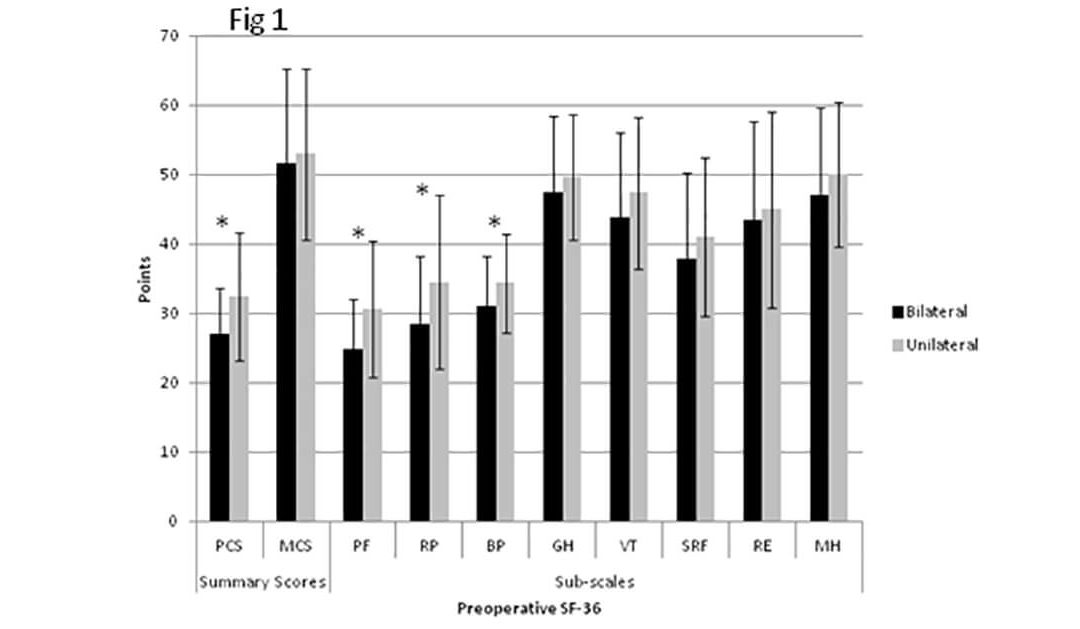
AI-Assisted Legend Generation
The rapid advancements in Artificial Intelligence (AI) are also beginning to impact figure legend creation. AI tools can now analyze visual data and automatically generate draft descriptions, saving time and effort for technical writers and researchers. While human oversight remains crucial for ensuring accuracy and nuance, AI can significantly streamline the initial stages of legend development.
AI algorithms can identify patterns in data visualizations, recognize common symbols in diagrams, and even extract relevant information from surrounding text to generate descriptive captions. This frees up human experts to focus on refining the legends for clarity, accuracy, and strategic communication.
In conclusion, the figure legend, while seemingly a minor detail, plays a pivotal role in effective technical communication. It acts as a vital interpreter, transforming complex visuals into understandable knowledge. As technology continues to advance, so too will the methods and sophistication of figure legends, ensuring that the power of visual communication remains at the forefront of innovation and understanding in the tech world.
aViewFromTheCave is a participant in the Amazon Services LLC Associates Program, an affiliate advertising program designed to provide a means for sites to earn advertising fees by advertising and linking to Amazon.com. Amazon, the Amazon logo, AmazonSupply, and the AmazonSupply logo are trademarks of Amazon.com, Inc. or its affiliates. As an Amazon Associate we earn affiliate commissions from qualifying purchases.