
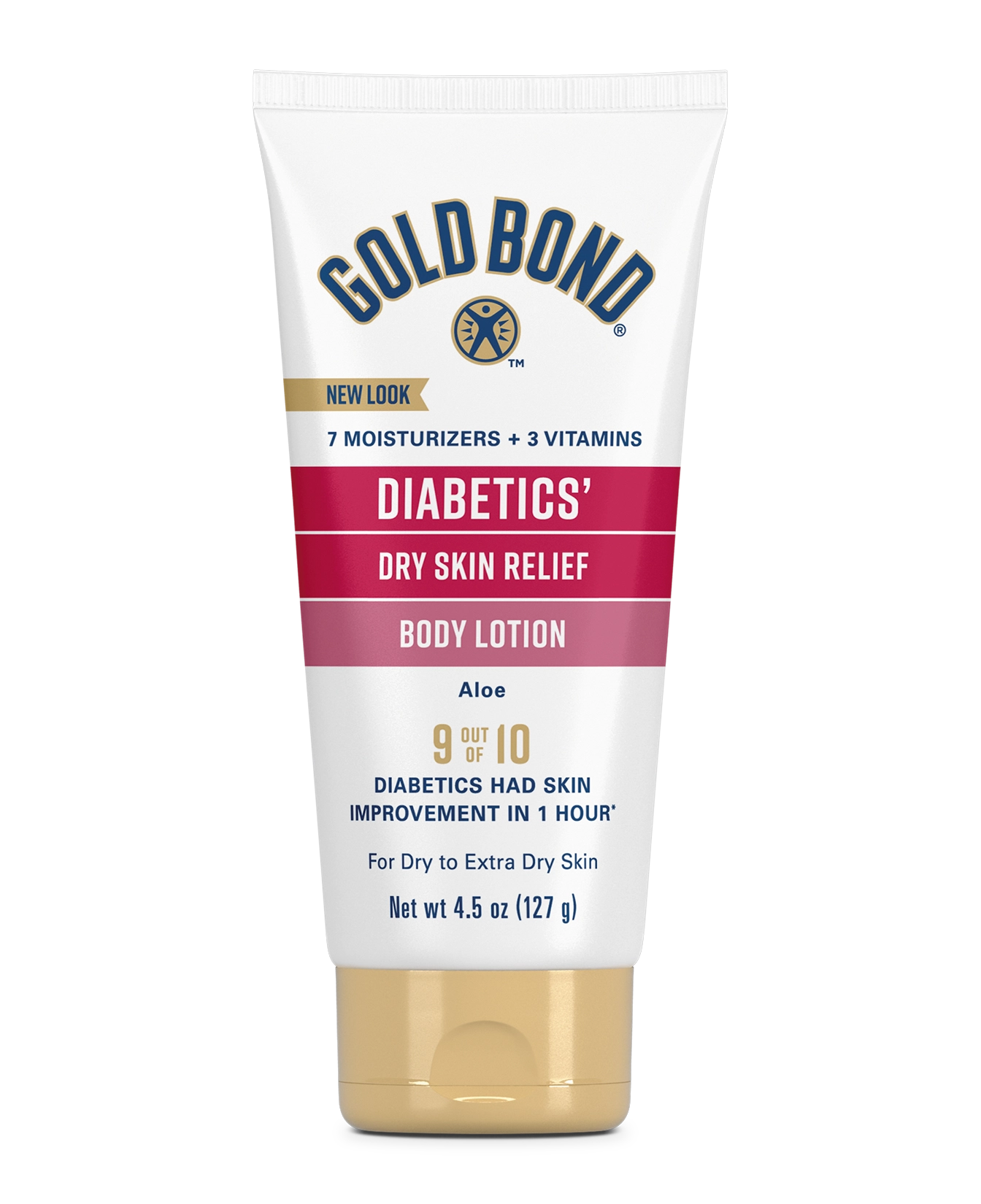
In the realm of personal care and skincare, the distinction between specialized products and their more general counterparts can often seem subtle, yet it carries significant implications for efficacy and health. This is particularly true when considering diabetic lotion versus regular lotion. While both aim to moisturize and protect the skin, diabetic lotions are formulated with specific ingredients and considerations to address the unique challenges faced by individuals with diabetes. Understanding these differences is crucial for effective skin management, preventing complications, and maintaining overall well-being for those managing diabetes.
The Unique Vulnerabilities of Diabetic Skin
Diabetes, a chronic condition characterized by elevated blood glucose levels, can have a profound and often detrimental impact on the skin. The sustained hyperglycemia associated with diabetes can lead to a cascade of physiological changes that compromise the skin’s integrity and function. These changes make diabetic skin more susceptible to dryness, irritation, and a host of complications that might be less common or severe in individuals without diabetes.
Impaired Circulation and Nerve Damage
One of the primary ways diabetes affects the skin is through its impact on circulation and nerve function. High blood sugar levels can damage blood vessels over time, leading to reduced blood flow, particularly to the extremities like the feet and hands. This diminished circulation means that the skin receives fewer nutrients and oxygen, hindering its ability to repair itself and maintain optimal hydration.
Furthermore, diabetic neuropathy, a common complication of diabetes, involves nerve damage. This can result in a decreased sensation of touch, temperature, and pain. When nerve endings are damaged, individuals may not feel minor abrasions, cuts, or excessive dryness, increasing the risk of undetected injuries that can easily become infected. The skin’s ability to signal its needs, such as dryness or discomfort, is compromised, making proactive care essential.
Altered Skin Barrier Function
The skin acts as a vital barrier, protecting the body from external pathogens and preventing excessive water loss. In individuals with diabetes, this barrier function can be significantly weakened. Elevated glucose levels can alter the composition and structure of the skin’s natural moisturizing factors (NMFs) and lipids, which are essential for maintaining hydration and sealing in moisture.
This impaired barrier function leads to increased transepidermal water loss (TEWL), resulting in dry, flaky, and rough skin. The skin’s resilience is diminished, making it more prone to cracking and fissuring. These micro-tears create entry points for bacteria and other microorganisms, escalating the risk of infections, which can be particularly problematic for individuals with diabetes due to slower wound healing.
Increased Susceptibility to Infections
The combination of impaired circulation, nerve damage, and a compromised skin barrier creates a fertile ground for infections. Bacteria and fungi thrive in environments where the skin’s defenses are weakened. Individuals with diabetes are more prone to various skin infections, including fungal infections (like athlete’s foot), bacterial infections (such as cellulitis), and diabetic dermopathy (characterized by discolored patches). Prompt and effective treatment of even minor infections is critical, as they can escalate rapidly and lead to more serious complications, especially if they affect the lower extremities where blood flow is already compromised.
Key Differences in Formulation and Purpose
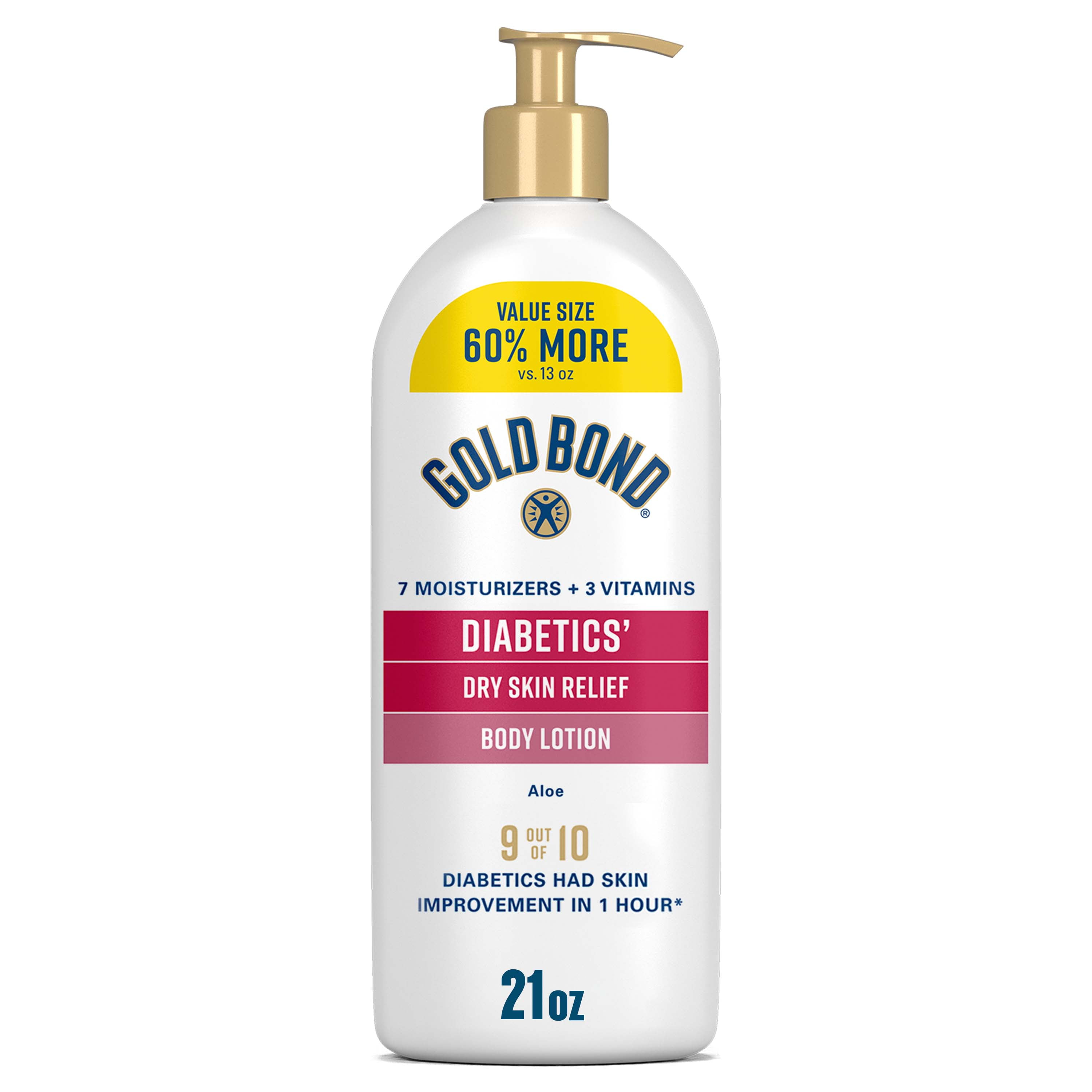
The distinct vulnerabilities of diabetic skin necessitate the development of specialized skincare products. Diabetic lotions are not merely a marketing ploy; they are meticulously formulated to address the specific needs and challenges associated with diabetes-related skin conditions. The differences lie in their ingredient profiles, intended functions, and the scientific rationale behind their creation.
Specialized Ingredients for Enhanced Hydration and Repair
Diabetic lotions often feature a higher concentration of humectants, emollients, and occlusives designed to deeply hydrate and protect compromised skin. Humectants, such as urea, glycerin, and hyaluronic acid, draw moisture from the environment and the deeper layers of the skin to the surface, replenishing hydration. Urea, in particular, is a common and highly beneficial ingredient in diabetic lotions. At appropriate concentrations, it acts as a powerful humectant, promotes exfoliation of dead skin cells, and can even help improve the skin barrier.
Emollients, like ceramides, shea butter, and various plant oils (e.g., jojoba oil, sunflower seed oil), work to soften and smooth the skin, filling in the gaps between skin cells and restoring a supple feel. Ceramides are especially important as they are naturally occurring lipids in the skin that form a crucial part of the skin barrier. Diabetic lotions often contain higher levels of ceramides to help rebuild and strengthen this compromised barrier.
Occlusives, such as petrolatum and dimethicone, form a protective layer on the skin’s surface to prevent moisture loss. While regular lotions may contain some of these ingredients, diabetic lotions typically incorporate them in higher concentrations and often in combination with other skin-repairing agents to provide more robust and long-lasting hydration and protection.
Focus on Barrier Restoration and Protection
Beyond basic moisturization, diabetic lotions are designed to actively restore and protect the skin’s natural barrier. The compromised barrier in diabetic skin is a primary concern, and these lotions aim to reinforce it, making it more resilient against environmental aggressors and reducing the risk of water loss and pathogen entry. Ingredients like ceramides, fatty acids, and cholesterol are frequently found in diabetic formulations, as they are the building blocks of a healthy skin barrier.
Furthermore, the absence of certain ingredients is as important as their presence. Diabetic lotions typically avoid harsh fragrances, dyes, and alcohol, which can be drying and irritating to sensitive diabetic skin. They are often hypoallergenic and formulated to be gentle, minimizing the risk of adverse reactions. The aim is to create a soothing and protective environment that supports the skin’s natural healing processes.

Targeted Benefits for Diabetic Skin Concerns
The formulation of diabetic lotions is directly informed by the common skin issues experienced by individuals with diabetes. This includes addressing extreme dryness, itching (pruritus), calluses, and the prevention of cracks and fissures, especially on the feet. Some diabetic lotions may also contain ingredients with anti-inflammatory properties to soothe irritated skin or ingredients that promote circulation, although the latter is less common in topical formulations and more often managed through overall diabetes care.
The emphasis on foot care is paramount. Diabetic foot ulcers are a serious complication, and specialized foot creams are often recommended. These creams are designed to penetrate deeply, hydrate rough skin, prevent dryness and cracking, and create an environment less prone to infection, thereby aiding in the prevention of these devastating ulcers.
When to Choose Diabetic Lotion Over Regular Lotion
The decision to opt for diabetic lotion over regular lotion is not arbitrary; it should be guided by an individual’s specific skin condition and overall health status, particularly if they have diabetes. While regular lotions can provide general hydration for those with healthy skin, they may fall short when addressing the complex needs of diabetic skin.
For Individuals with Diabetes
The most compelling reason to choose diabetic lotion is if you have been diagnosed with diabetes. Even if your skin currently appears relatively healthy, the underlying physiological changes associated with diabetes can predispose you to future skin issues. Proactive use of a specialized diabetic lotion can help prevent these problems before they arise. If you experience any of the following, a diabetic lotion is highly recommended:
- Persistent Dryness and Itching: If you find your skin is consistently dry, flaky, or itchy, even with regular moisturizing, a diabetic lotion can offer more intensive and targeted hydration.
- Thickened or Callused Skin: Diabetes can sometimes lead to the development of thickened or callused skin, particularly on the feet. Diabetic lotions, often containing ingredients like urea, can help soften and manage these areas.
- Cracked or Fissured Skin: The presence of small cracks or fissures in the skin is a significant concern, as it increases the risk of infection. Diabetic lotions are formulated to deeply moisturize and support the skin barrier, helping to prevent these.
- Poor Circulation or Neuropathy: If you have diagnosed circulatory issues or nerve damage in your extremities, your skin is at higher risk. A diabetic lotion can provide essential protection and hydration.
- History of Skin Infections or Ulcers: If you have a history of skin infections or diabetic foot ulcers, consistent use of a specialized lotion is crucial for prevention and healing.
When Regular Lotion Might Suffice (and When It Won’t)
For individuals without diabetes, regular lotions are generally adequate for maintaining skin hydration and comfort. These products are formulated for the general population and are effective in preventing dryness for those with healthy skin. However, it’s important to note that even non-diabetic individuals can experience very dry or sensitive skin due to environmental factors, genetics, or certain medical conditions. In such cases, a regular lotion with a rich, emollient formula might be sufficient.
The key distinction lies in the underlying physiological risk. Regular lotions lack the specialized ingredients and the targeted approach to barrier repair and protection that are essential for diabetic skin. Using only regular lotion on diabetic skin could lead to inadequate hydration, a weakened skin barrier, and an increased susceptibility to the very complications that diabetic lotions are designed to prevent. It’s akin to using a standard pain reliever for a complex injury; it might offer some relief but won’t address the root cause or the heightened risks involved.
The Importance of a Comprehensive Skincare Routine
While specialized lotions are a critical component, they are most effective when integrated into a broader, consistent skincare routine tailored to the needs of diabetic skin. This holistic approach addresses multiple facets of skin health, aiming to prevent complications and promote overall well-being.
Gentle Cleansing and Drying Practices
The first step in any effective skincare routine is proper cleansing. For diabetic skin, this means using mild, non-soap cleansers that do not strip the skin of its natural oils. Harsh soaps can exacerbate dryness and compromise the skin barrier. After washing, it is crucial to dry the skin gently and thoroughly, paying special attention to the areas between the toes. Trapped moisture in these areas can lead to fungal infections. Patting the skin dry with a soft towel is preferable to rubbing.
Regular Inspection for Early Detection
Given the reduced sensation associated with diabetic neuropathy, regular visual inspection of the skin, particularly the feet, is non-negotiable. Daily checks for any cuts, blisters, redness, swelling, or changes in skin color can allow for early detection and treatment of potential problems. Catching issues in their nascent stages significantly increases the chances of uncomplicated healing and prevents them from escalating into serious complications like ulcers. It is advisable to use a mirror to inspect hard-to-see areas.
Foot Care: A Critical Component
The feet are particularly vulnerable for individuals with diabetes. Beyond daily inspection and gentle drying, specific foot care practices are essential. This includes keeping toenails trimmed straight across and filing down any rough edges. Avoid cutting cuticles. If you have difficulty managing your toenails, seeking professional podiatry care is recommended. Wearing well-fitting, comfortable shoes and socks at all times, even indoors, is also important to protect the feet from injury. Diabetic socks, which are often seamless and padded, can further enhance comfort and reduce friction.
When to Seek Professional Advice
While a good diabetic lotion and a diligent skincare routine can go a long way, there are times when professional medical advice is essential. If you notice any signs of infection, such as increased redness, warmth, swelling, or pus; if you develop an open wound that doesn’t show signs of healing; or if you have concerns about the condition of your skin, it is crucial to consult with your healthcare provider or a podiatrist. They can provide accurate diagnosis, appropriate treatment, and personalized guidance to manage your specific skin concerns and prevent serious complications. Early intervention is key to maintaining healthy skin and preventing long-term issues.
aViewFromTheCave is a participant in the Amazon Services LLC Associates Program, an affiliate advertising program designed to provide a means for sites to earn advertising fees by advertising and linking to Amazon.com. Amazon, the Amazon logo, AmazonSupply, and the AmazonSupply logo are trademarks of Amazon.com, Inc. or its affiliates. As an Amazon Associate we earn affiliate commissions from qualifying purchases.