
The question “what is the current mortgage rate?” is perhaps the most frequent inquiry in the world of personal finance. However, the answer is rarely a single, static number. Mortgage rates are a dynamic reflection of the global economy, domestic policy, and individual financial health. For potential homeowners and real estate investors, understanding the nuances behind these percentages is the difference between a sound financial commitment and an overwhelming debt burden. This guide explores the mechanisms that drive mortgage rates, the factors that determine your specific offer, and strategies to navigate today’s volatile market.
Understanding the Mechanics of Mortgage Rates
To understand where mortgage rates stand today, one must first look at the macroeconomic engines that drive them. Contrary to popular belief, mortgage rates are not set by a single government agency. Instead, they are determined by a complex interplay between investor demand, inflation expectations, and central bank policy.
The Role of the Federal Reserve and Inflation
While the Federal Reserve does not directly set mortgage rates, its influence is profound. The Fed manages the federal funds rate—the interest rate at which commercial banks borrow and lend to each other overnight. When the Fed raises this rate to combat inflation, the cost of borrowing increases across the board.
Mortgage lenders track these movements closely. If inflation is high, the purchasing power of the future interest payments a lender receives is diminished. To compensate for this risk, lenders raise mortgage rates. Therefore, when you see headlines about the Consumer Price Index (CPI) rising, you can almost certainly expect mortgage rates to follow suit. Conversely, when inflation cools, rates often stabilize or decline.
How Yields on 10-Year Treasury Notes Dictate Rates
The most accurate barometer for the “current” mortgage rate is actually the 10-year Treasury yield. Most fixed-rate mortgages are packaged into Mortgage-Backed Securities (MBS) and sold to investors. These investors view mortgages as a similar asset class to government bonds.
Typically, there is a “spread” or a gap between the 10-year Treasury yield and the 30-year fixed mortgage rate—usually around 1.5 to 3 percentage points. When investors are nervous about the economy, they demand higher yields on MBS, which causes the spread to widen and mortgage rates to rise, even if the Treasury yield remains relatively flat. Monitoring the bond market is essential for anyone trying to time their home purchase or refinance.
Factors Influencing Your Personal Interest Rate
While national averages provide a benchmark, the rate you are actually quoted by a lender depends heavily on your unique financial profile. Two people applying for a loan on the same day at the same bank can receive vastly different interest rate offers.
Credit Score and Debt-to-Income Ratio
Your credit score is the single most influential factor in determining your personal mortgage rate. Lenders use FICO scores to assess the risk of default. A borrower with a score above 760 is often eligible for the “prime” rate, while someone with a score in the 620s may face rates that are 1% to 2% higher. Over a 30-year loan, that small percentage difference can equate to tens of thousands of dollars in interest.
Similarly, your Debt-to-Income (DTI) ratio—the percentage of your gross monthly income that goes toward paying debts—tells the lender if you can afford another monthly payment. Lenders generally prefer a DTI of 43% or lower. If your DTI is on the higher end, lenders may view you as a higher risk and increase the interest rate to mitigate that risk.
Loan-to-Value (LTV) and Down Payment Size
The amount of “skin in the game” you have also dictates your rate. The Loan-to-Value (LTV) ratio compares the amount of the mortgage to the appraised value of the property. If you put down 20%, your LTV is 80%. Generally, a lower LTV results in a lower interest rate.
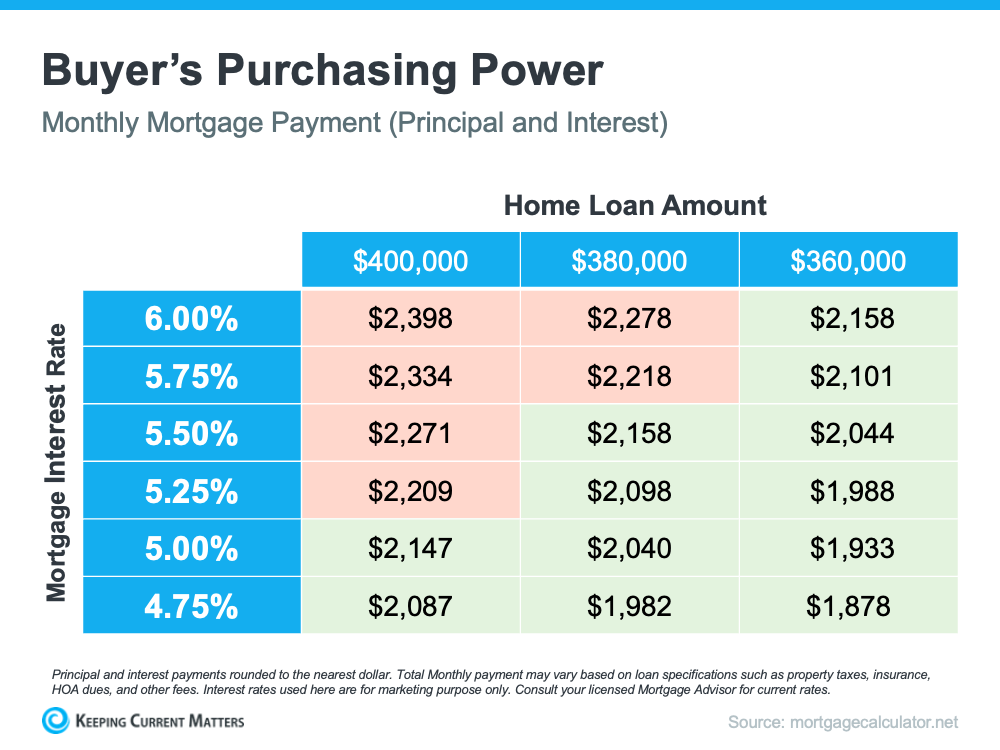
Borrowers who put down less than 20% are often required to pay Private Mortgage Insurance (PMI), which adds to the monthly cost, and they may also be hit with “loan level price adjustments” (LLPAs). These are fees or rate increases applied based on the risk associated with a smaller down payment. If you are looking to secure the lowest possible current rate, increasing your down payment is one of the most effective levers you can pull.
The Different Types of Mortgage Products
When asking about current rates, it is vital to specify which type of loan you are looking for. Different loan structures carry different levels of risk for the lender, which is reflected in the interest rate.
Fixed-Rate vs. Adjustable-Rate Mortgages (ARMs)
The 30-year fixed-rate mortgage is the gold standard of American home finance. It offers stability, as the interest rate and monthly principal-and-interest payment remain the same for the life of the loan. However, because the lender is taking on the risk of inflation for three decades, these loans usually carry higher rates than shorter-term or variable options.
Adjustable-Rate Mortgages (ARMs), such as a 5/1 or 7/1 ARM, offer a lower “teaser” rate for an initial period (5 or 7 years). After that, the rate adjusts annually based on market indices. In a high-rate environment, ARMs can be attractive for those who plan to sell or refinance before the introductory period ends. However, they carry the risk of significantly higher payments in the future if market rates rise.
Government-Backed Loans (FHA, VA, USDA)
For those who may not qualify for conventional financing, government-backed loans are a vital alternative. FHA loans, insured by the Federal Housing Administration, often have lower interest rates than conventional loans for borrowers with lower credit scores. However, they require mortgage insurance premiums (MIP) that last for the life of the loan in many cases.
VA loans, available to veterans and active-duty service members, often offer the lowest rates on the market with the added benefit of no down payment requirement. USDA loans serve rural borrowers and also offer competitive rates. When comparing “current rates,” it is essential to compare conventional rates against these government products to see which offers the best total cost of ownership.
Current Trends and Market Outlook
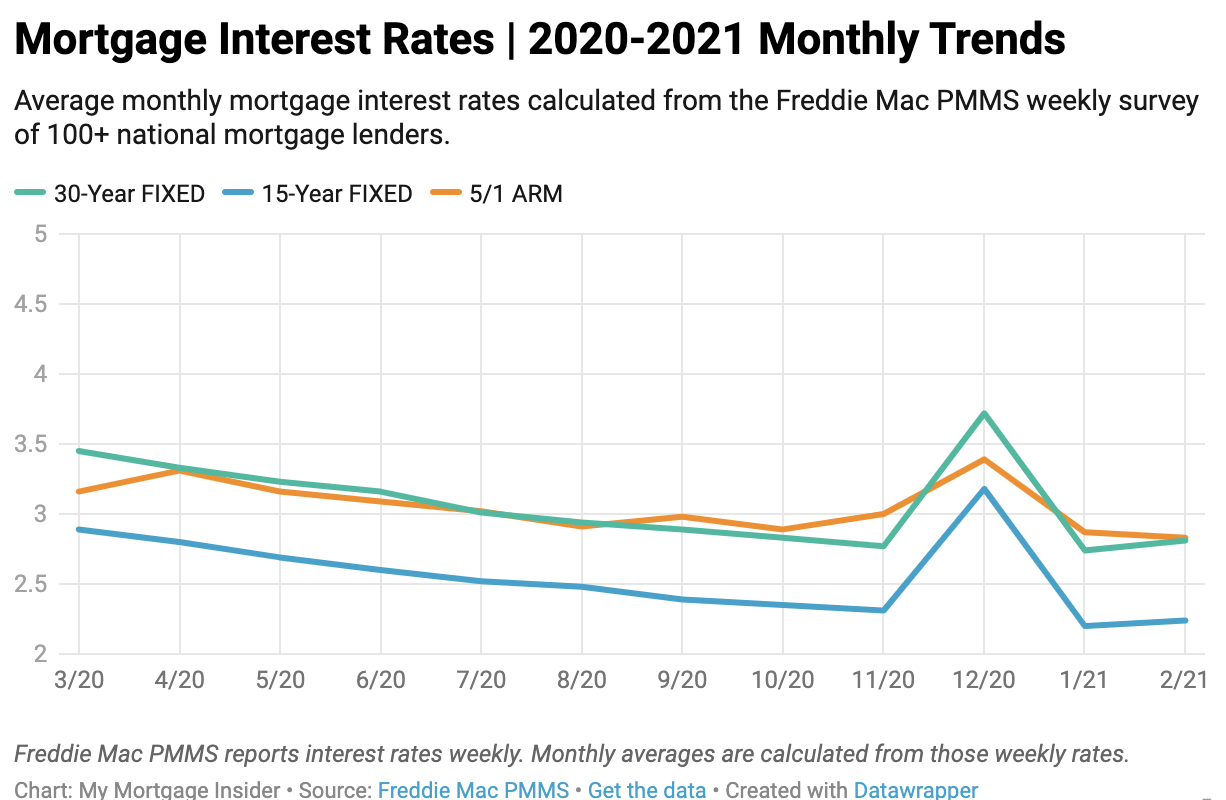
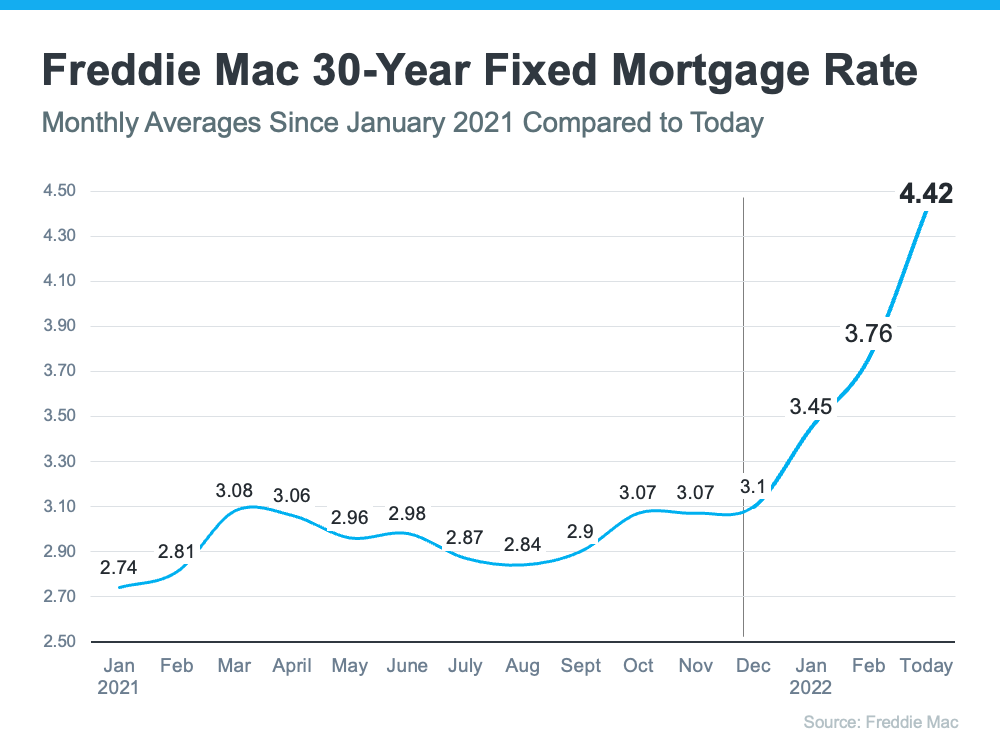
The mortgage market has experienced historic volatility in recent years. Following a period of record-low rates during the pandemic, the market saw a rapid ascent as the global economy reopened and inflation surged.
Analyzing Recent Volatility
In recent months, the mortgage market has been characterized by “starts and stops.” Every time the job market shows unexpected strength, rates tend to tick upward because a strong economy suggests the Fed will keep interest rates higher for longer. Conversely, signs of economic softening or a rise in unemployment often lead to a dip in rates.
This volatility makes “rate locking” a critical part of the process. A rate lock is a guarantee from a lender that they will honor a specific interest rate for a set period (usually 30 to 60 days) while your loan is being processed. In a fluctuating market, failing to lock in a favorable rate can result in a higher monthly payment by the time you reach the closing table.
Predictions for the Coming Quarters
While no one has a crystal ball, many economists look at “forward curves” to predict where rates are headed. Most analysts agree that as long as the labor market remains tight and inflation stays above the Fed’s 2% target, mortgage rates are unlikely to return to the 3% or 4% range seen in 2020-2021.
However, many experts suggest a “normalization” is on the horizon. If the economy cools slightly, we may see rates settle into a more sustainable range. For prospective buyers, the consensus is often: “Marry the house, date the rate.” This means buying the property you want now and planning to refinance when rates eventually decline.
Strategic Moves: How to Secure the Best Rate Today
Securing a competitive mortgage rate requires more than just good timing; it requires proactive financial management and a willingness to shop around.
The Importance of Shopping Around and Rate Locks
One of the biggest mistakes borrowers make is only getting a quote from their primary bank. Studies show that borrowers who get at least three quotes can save thousands of dollars over the life of their loan. Different institutions—credit unions, online lenders, and national banks—have different “appetites” for risk at different times.
Once you receive a quote that fits your budget, ask about the cost of a rate lock. Some lenders offer “float-down” provisions, which allow you to lock in a rate but still take advantage if market rates drop before you close. Always get these agreements in writing.
Paying Points: Is it Worth the Upfront Cost?
When looking at current rate sheets, you will often see a rate advertised with “points.” One point equals 1% of the loan amount. Essentially, you are paying interest upfront to “buy down” the rate for the life of the loan.
Deciding whether to pay points is a “break-even” calculation. If paying $3,000 in points saves you $50 a month, it will take you 60 months (5 years) to break even. If you plan to stay in the home for 10 or 20 years, paying points is a savvy financial move. If you plan to move in three years, it is better to take a slightly higher rate and keep your cash in your pocket.
In conclusion, “what is the current mortgage rate” is a question that leads to a deep dive into personal finance strategy. By understanding the broader economic forces at play, optimizing your credit profile, and choosing the right loan product, you can secure a mortgage that supports your long-term wealth-building goals.
aViewFromTheCave is a participant in the Amazon Services LLC Associates Program, an affiliate advertising program designed to provide a means for sites to earn advertising fees by advertising and linking to Amazon.com. Amazon, the Amazon logo, AmazonSupply, and the AmazonSupply logo are trademarks of Amazon.com, Inc. or its affiliates. As an Amazon Associate we earn affiliate commissions from qualifying purchases.