
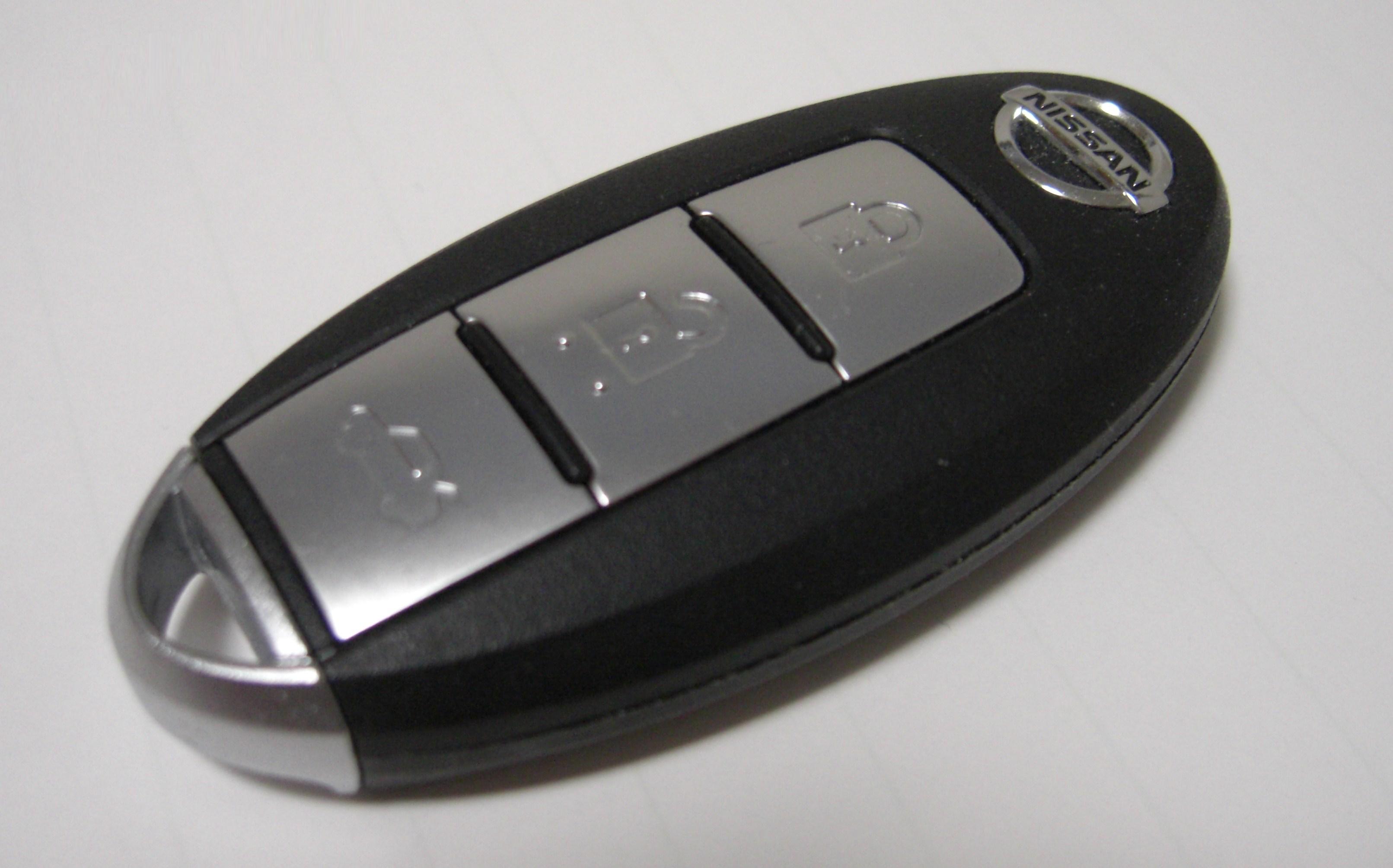
The term “smart key” in the automotive world refers to a sophisticated electronic keyless entry and ignition system that has largely replaced traditional metal car keys. Far more than a simple mechanism to unlock doors and start an engine, a smart key integrates advanced radio frequency identification (RFID) and often other wireless technologies to provide a seamless and secure interaction between the driver and their vehicle. This technology represents a significant leap forward in convenience, security, and user experience, fundamentally altering how we engage with our automobiles.
The Evolution of Car Key Technology
The journey to the modern smart key is a fascinating narrative of technological advancement, driven by a desire for greater convenience and enhanced security. For decades, the mechanical car key was the ubiquitous symbol of automotive access. However, as electronics became more integrated into vehicles, the limitations of these analog keys became apparent.
From Mechanical Keys to Transponder Keys
The first significant evolution beyond the simple metal key was the introduction of the transponder key in the late 1980s and early 1990s. These keys contained a small electronic chip, a transponder, embedded within the plastic head of the key. This chip communicated with a corresponding reader in the car’s ignition system. When the correct signal was received, the car’s immobilizer system would be disengaged, allowing the engine to start. Without the correct transponder signal, the engine would not start, even if the mechanical key could physically turn in the ignition. This added a crucial layer of anti-theft protection, as it became significantly harder to hotwire a car. Early transponder keys required the physical insertion of the key into the ignition cylinder to activate the chip.
The Dawn of Keyless Entry and Ignition
The next major leap was the development of remote keyless entry (RKE) systems. These systems, typically operated by buttons on a separate fob, allowed drivers to lock and unlock their car doors wirelessly from a short distance. While a convenience, these systems were separate from the ignition. The true integration of keyless functionality with ignition came with the advent of passive keyless entry (PKE) and push-button start systems. This is where the modern “smart key” truly began to take shape. PKE systems rely on a key fob that the driver carries, often in a pocket or purse. The car’s system continuously emits a low-frequency signal, and when the smart key fob is within a certain range of the vehicle (typically a few feet), it responds with a unique, encrypted radio signal. This allows the driver to open the car doors by simply touching the door handle and to start the engine by pressing a button on the dashboard, without ever needing to remove the key fob from their person or insert it into any slot.
Under the Hood: The Technology Behind Smart Keys
The seemingly simple act of walking up to your car and pressing a button to start it is enabled by a complex interplay of sophisticated technologies. The core of a smart key system lies in its ability to securely communicate wirelessly with the vehicle.
Radio Frequency Identification (RFID) and Ultra-Wideband (UWB)
At its heart, the smart key system utilizes radio frequency identification (RFID) technology. The smart key fob contains a transponder chip that emits a unique identification code when energized by the car’s receiver. This code is encrypted, meaning it’s scrambled using a secret algorithm. The car’s computer (often referred to as the Body Control Module or BCM) contains a reader that scans for these signals. When the fob is within range, it sends its encrypted code. The car’s system decrypts this code and verifies its authenticity. If the code matches what the car expects, the immobilizer is disengaged, and the doors can be unlocked and the engine started.
More advanced smart key systems are beginning to incorporate Ultra-Wideband (UWB) technology. UWB offers significantly higher precision in determining the location of the smart key fob relative to the car. Unlike traditional RFID, which can sometimes be fooled by relay attacks where a thief extends the signal range, UWB can accurately pinpoint the fob’s distance. This enhanced accuracy allows for more robust security against sophisticated theft methods. Some systems also use multiple antennas strategically placed around the vehicle to triangulate the fob’s position, further bolstering security and ensuring that the car only unlocks when the fob is genuinely near the vehicle, not a few meters away.
Encrypted Communication Protocols
Security is paramount in automotive systems, and smart keys employ robust encryption protocols to prevent unauthorized access. The communication between the smart key fob and the car is not a simple, static signal. Instead, it’s a dynamic exchange where the codes change with each use or over short time intervals. This is known as rolling code technology. When the car’s system sends a request, the smart key fob responds with a code that is calculated based on a shared secret and a counter. The car’s system also knows the expected next code, and if it matches, the system recognizes the valid key. This makes it incredibly difficult for thieves to “record” a signal and replay it later to gain access.
Proximity Sensors and Antenna Arrays
The “passive” aspect of passive keyless entry relies on proximity sensors and an array of antennas integrated into the vehicle’s body. These sensors are typically located in the door handles, trunk lid, and sometimes in other areas of the car. They continuously broadcast a low-frequency signal, creating a “detection zone” around the vehicle. When the smart key fob enters this zone, it detects the car’s signal and responds by transmitting its encrypted high-frequency signal. The multiple antennas within the car work together to detect the fob’s signal from different directions, allowing the system to confirm the fob’s presence and its relative location. This sophisticated sensor network ensures that the car only unlocks when the authenticated fob is physically close to the car’s exterior, typically within arm’s reach of a door handle.
Functionality and Convenience Features
The smart key system goes beyond simply granting access; it unlocks a suite of convenient and often customizable features that enhance the overall driving experience. These functionalities are designed to make interacting with your car more intuitive and less of a chore.
Keyless Entry and Ignition
The most obvious benefit of a smart key is its namesake: keyless entry and ignition. No more fumbling in pockets or bags for a physical key. With the smart key fob in your pocket or purse, you can unlock the doors simply by pulling on the door handle (most modern systems have a small button on the handle that needs to be pressed or a touch-sensitive area). Once inside, the engine starts with the push of a button on the dashboard. This convenience is particularly appreciated in adverse weather conditions, when carrying groceries, or when managing children.
Automatic Locking and Walk-Away Feature
Many smart key systems offer an automatic locking feature. Once you’ve closed all the doors and walked away from the vehicle, the car can be programmed to automatically lock itself after a predetermined period or upon a specific gesture (like a double-tap on the door handle). This feature provides peace of mind, especially for those who are prone to forgetting to lock their car doors. The “walk-away” locking functionality is a sophisticated application of proximity sensing, where the car detects the absence of the authenticated fob within its immediate vicinity and initiates the locking sequence.
Remote Start and Pre-conditioning
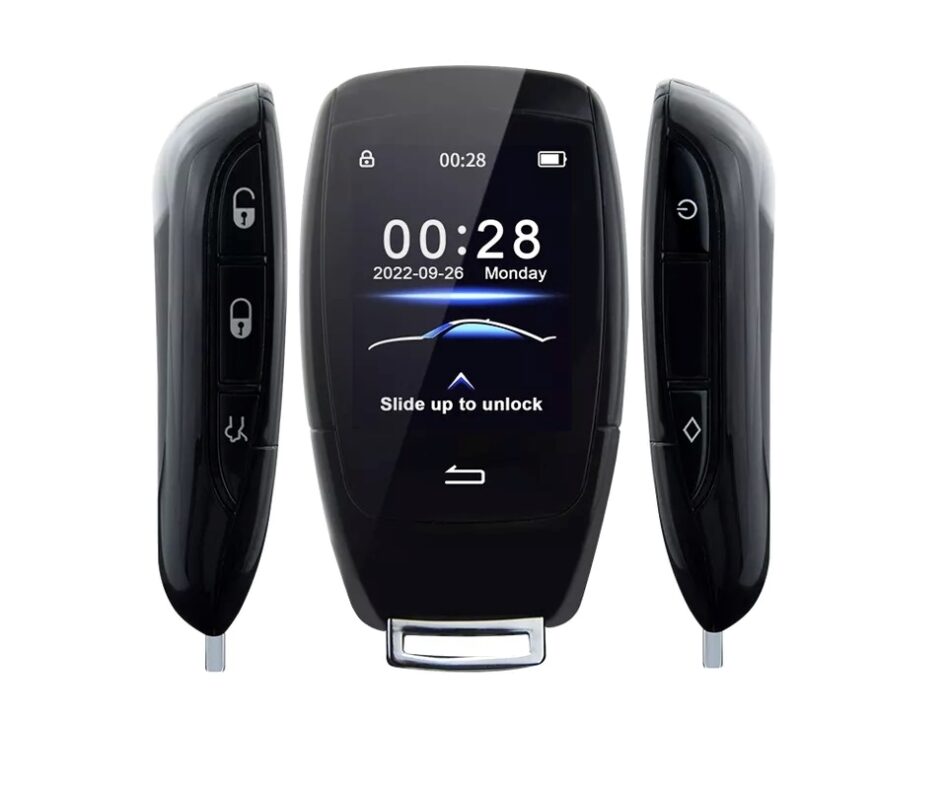
The smart key often integrates with remote start capabilities, either through the fob itself or via a connected smartphone app. This allows drivers to start their engine and activate the climate control system remotely, warming up the cabin on a cold day or cooling it down on a hot one before they even step inside. Some advanced systems allow for programming of start times or even learning driver habits for automated climate control. This feature significantly enhances comfort and can contribute to better fuel efficiency by allowing the car to reach optimal operating temperature before driving.
Driver Profile and Seat Memory
In higher-end vehicles, the smart key can be linked to individual driver profiles. When the car detects a specific smart key fob, it can automatically adjust various settings to match the preferences of that driver. This can include the position of the driver’s seat, the steering wheel, and side mirrors. It can also recall preferred climate control settings, radio presets, and even navigation destinations. This personalization makes the transition from one driver to another seamless and ensures that each person has their ideal driving environment ready upon entering the vehicle.
Security Implications and Considerations
While smart keys offer unprecedented convenience, their advanced technology also introduces new security considerations and potential vulnerabilities that manufacturers and consumers need to be aware of.
Vulnerabilities: Relay Attacks and Signal Jamming
Despite the sophisticated encryption, smart key systems are not entirely impervious to theft. One of the most commonly discussed vulnerabilities is the “relay attack.” In this scenario, two thieves work together. One thief stands near the car with a device that amplifies the signal from the owner’s smart key fob (which might be inside their home). The other thief, positioned closer to the car, uses another device to capture this amplified signal and transmit it to the car, tricking the vehicle into thinking the fob is present. This allows them to unlock and start the car. While UWB technology is helping to mitigate this, older RFID-based systems can still be susceptible.
Signal jamming is another concern, though less common for opportunistic theft. A jammer can broadcast radio frequencies that interfere with the communication between the smart key fob and the car, preventing the car from being locked or unlocked. This is more of a nuisance or a tool for more targeted theft rather than a widespread concern for most owners.
Protective Measures and Best Practices
Fortunately, there are measures that owners can take to protect their smart keys and mitigate the risks.
Faraday Pouches and Signal-Blocking Wallets
The most effective way to combat relay attacks is to physically block the radio signals emitted by the smart key fob when it’s not in use. Faraday pouches, often made of metallic mesh material, are designed to block electromagnetic signals. Storing your smart key fob inside one of these pouches when you’re at home or in a location where you’re not actively using the car can prevent thieves from amplifying its signal. Similarly, signal-blocking wallets or key fob cases serve the same purpose and are readily available.
Software Updates and Manufacturer Safeguards
Car manufacturers are continuously working to improve the security of their smart key systems. They regularly release software updates that can patch vulnerabilities and enhance encryption protocols. It’s crucial for vehicle owners to ensure their cars are up-to-date with the latest software, especially for vehicles with connected services that allow for over-the-air updates. Manufacturers are also investing in new technologies, like UWB and more sophisticated proximity detection, to make relay attacks significantly harder.
Awareness and Vigilance
Ultimately, user awareness is a critical component of security. Being aware of the potential vulnerabilities and taking simple precautions can make a significant difference. This includes not leaving your smart key fob unattended in easily accessible locations outside your home, being mindful of suspicious activity in your neighborhood, and understanding how your specific car’s smart key system operates. If you notice any unusual behavior with your keyless entry system, it’s wise to have it checked by a qualified technician.
The Future of Automotive Key Technology
The evolution of the smart key is far from over. As automotive technology continues its rapid advancement, so too will the capabilities and security of our vehicle keys. The trend is moving towards even greater integration, convenience, and biometric security.
Digital Keys and Smartphone Integration
The most significant development on the horizon is the rise of the “digital key.” This technology allows drivers to use their smartphone as their primary car key. Utilizing Bluetooth Low Energy (BLE) and Near Field Communication (NFC) technologies, a smartphone can replicate all the functions of a traditional smart key fob – unlocking doors, starting the engine, and even configuring personalized settings. This offers unparalleled convenience, as most people carry their smartphones everywhere. Digital keys also allow for easy sharing of vehicle access with family members or trusted individuals through secure, temporary digital keys.
Biometric Authentication for Enhanced Security
To further enhance security, biometric authentication is increasingly being integrated into both physical smart keys and digital key systems. This can include fingerprint scanners embedded in the key fob or door handle, or facial recognition software linked to a smartphone app. Biometrics provide a highly personal and difficult-to-replicate form of authentication, adding another robust layer of security beyond traditional codes and signals. The idea is that only the authorized user’s unique biological characteristics can grant access and start the vehicle.

Beyond the Car: Integration with Smart Homes and Beyond
The smart key’s evolution also points towards a future where it’s part of a broader connected ecosystem. Imagine your car automatically unlocking your garage door as you approach your home, or your home’s climate control system adjusting as you drive in. Smart keys are becoming a node in the Internet of Things (IoT), capable of communicating with other smart devices to create a more integrated and seamless daily experience. This interconnectedness promises to redefine not just how we interact with our cars, but how our vehicles interact with our environment, further blurring the lines between the digital and physical worlds of automotive technology. The journey from a simple metal key to a digital, biometric, and interconnected access system underscores the relentless drive for innovation in the automotive tech sector.
aViewFromTheCave is a participant in the Amazon Services LLC Associates Program, an affiliate advertising program designed to provide a means for sites to earn advertising fees by advertising and linking to Amazon.com. Amazon, the Amazon logo, AmazonSupply, and the AmazonSupply logo are trademarks of Amazon.com, Inc. or its affiliates. As an Amazon Associate we earn affiliate commissions from qualifying purchases.