
Micro cement has emerged as a revolutionary material in the design and construction world, offering a seamless, modern aesthetic with remarkable versatility. Far from being a niche product, its application spans a broad spectrum, impacting everything from residential interiors to high-end commercial spaces. Understanding what micro cement is, how it’s applied, and its inherent advantages is crucial for anyone considering a contemporary and durable finish for their projects. This article delves into the essence of micro cement, exploring its composition, benefits, and the transformative potential it holds for various applications.
The Core Composition and Characteristics of Micro Cement
At its heart, micro cement is a composite material that combines fine cementitious powders with specialized polymers, additives, and sometimes pigments. This unique blend is what gives it its distinctive properties. Unlike traditional cement, micro cement is applied in very thin layers, typically ranging from 2 to 3 millimeters in total thickness. This low profile is a key differentiator and contributes to its widespread appeal.

Fine-Grained Cementitious Base
The primary component of micro cement is a finely ground cementitious powder. This is not your standard Portland cement used in bulk construction. Instead, it’s a carefully formulated blend designed for its adhesive properties and ability to form a strong, flexible matrix when mixed with other components. The fineness of the particles allows for a smooth, almost trowel-ready consistency once mixed, making it suitable for detailed application.
Polymer and Additive Enhancements
The magic of micro cement truly lies in the addition of advanced polymers and specific additives. These are not just fillers; they are integral to the material’s performance. The polymers are crucial for providing flexibility, adhesion, and water resistance. Traditional cement can be brittle and prone to cracking, especially when subjected to movement or temperature fluctuations. The polymers in micro cement counteract this, allowing the material to adhere strongly to a wide range of substrates without delaminating or cracking. They also significantly enhance the material’s durability and its ability to withstand wear and tear. Additives are used to control curing times, improve workability, and achieve specific aesthetic qualities.
The Role of Pigmentation
Color is an inherent part of the micro cement system. Pigments are typically integrated directly into the mix, either during manufacturing or at the point of application. This ensures that the color is consistent throughout the material, meaning that any scratches or wear will not reveal a different color underneath. This is a significant advantage over materials like tiles or painted surfaces where the underlying substrate or a different colored layer could become exposed. The wide range of available pigments allows for immense creative freedom, enabling designers and homeowners to achieve almost any desired hue, from subtle earthy tones to vibrant statement colors.
The Application Process: A Layered Approach to Seamless Finishes
The application of micro cement is a labor-intensive process that requires skilled artisans. It’s not a material that can be simply painted or spread like a conventional coating. Instead, it involves a systematic layering technique that builds up strength, adhesion, and the desired aesthetic. This meticulous approach is what ultimately delivers the seamless, monolithic look that micro cement is known for.
Substrate Preparation: The Foundation for Success
Before any micro cement is applied, meticulous preparation of the substrate is paramount. The surface must be clean, dry, sound, and free from any contaminants such as grease, dust, or old coatings. Depending on the existing surface – be it concrete, tile, plasterboard, or even wood – specific primers or reinforcing meshes might be necessary. For instance, on a tiled surface, a mesh might be embedded in the first layer of micro cement to prevent any grout lines from telegraphing through the final finish. This stage is critical because micro cement adheres directly to the prepared surface, and any imperfections or weaknesses in the substrate will inevitably manifest in the final appearance.
Layering for Strength and Adhesion
The application of micro cement typically involves at least two base coats and one decorative coat. The first base coat is often applied with a reinforcing mesh embedded within it. This mesh acts as a structural reinforcement, preventing the micro cement from cracking and providing a stable base for subsequent layers. The subsequent base coats build up the thickness and strength of the material, ensuring a robust and durable surface. These layers are typically applied using a stainless steel trowel, with each layer being worked to create a smooth yet textured finish.
The Decorative Coat and Sealing: Achieving the Final Aesthetic

The final decorative coat is where the unique aesthetic of micro cement truly comes to life. This layer is applied with a higher degree of artistry, allowing the applicator to create variations in tone, texture, and subtle imperfections that contribute to its handmade, natural look. Unlike a perfectly uniform industrial finish, the slight variations in trowel marks and color depth are celebrated as part of its character. Once the decorative coat has cured, a specialized sealer is applied. This is a crucial step that protects the micro cement from stains, water ingress, and abrasion, while also enhancing its durability and defining its sheen – which can range from matte to satin or gloss. Multiple coats of sealer are typically applied to ensure maximum protection and a long-lasting finish.
The Advantages of Micro Cement: A Modern Material for Contemporary Needs
Micro cement offers a compelling suite of advantages that make it a preferred choice for many design and renovation projects. Its seamless nature, durability, and aesthetic appeal are just the beginning. The material’s ability to adhere to virtually any surface, its waterproof properties, and its low profile also contribute significantly to its growing popularity.
Seamless and Monolithic Aesthetics
Perhaps the most celebrated attribute of micro cement is its ability to create truly seamless, continuous surfaces. Unlike traditional materials like tiles that require grout lines, micro cement is applied as a single, unbroken layer. This creates a fluid, modern, and minimalist aesthetic that is highly sought after in contemporary interior and exterior design. The absence of grout lines not only enhances the visual appeal but also significantly reduces areas where dirt and grime can accumulate, making cleaning and maintenance far easier. This creates a sense of spaciousness and sophistication.
Versatility and Application Across Surfaces
Micro cement’s remarkable adhesion properties mean it can be applied to an incredibly diverse range of substrates without the need for demolition. This makes it an ideal material for renovations and upgrades. It can be applied over existing tiles, concrete, plasterboard, wood, metal, and even furniture. This versatility opens up a world of design possibilities, allowing for continuous finishes across walls, floors, ceilings, countertops, shower enclosures, and even bespoke furniture. The ability to transform existing surfaces without extensive structural work significantly reduces labor costs and project timelines.
Durability and Water Resistance
When properly applied and sealed, micro cement is an exceptionally durable material. Its thin yet strong composition, reinforced by polymers, makes it resistant to heavy foot traffic, impacts, and general wear and tear. Furthermore, its inherent water-resistant qualities, enhanced by specialized sealers, make it an excellent choice for areas exposed to moisture, such as bathrooms, kitchens, and even outdoor spaces. This combination of durability and water resistance ensures a long-lasting and low-maintenance finish.
Common Applications and Design Potential of Micro Cement
The adaptability and aesthetic appeal of micro cement have led to its widespread adoption across various design contexts. From residential havens to commercial showpieces, its ability to create a sophisticated and cohesive look is its hallmark. Exploring its common applications reveals the full scope of its transformative power.
Interior Design: Floors, Walls, and Countertops
Within homes and commercial interiors, micro cement has become a go-to material for creating a unified and contemporary feel. Its application on floors provides a sleek, modern alternative to traditional tiles or wooden flooring, offering a continuous expanse that can make spaces appear larger. On walls, it can lend a sophisticated, industrial, or even a natural stone-like texture, depending on the application technique. Its suitability for countertops in kitchens and bathrooms is also a significant advantage. It offers a seamless, hygienic, and highly customizable surface that is both functional and visually striking. The ability to create integrated sinks or shower trays further enhances its appeal in wet areas.
Exterior Facades and Outdoor Living Spaces
The durability and weather resistance of micro cement also make it an excellent choice for exterior applications. It can be used to clad building facades, providing a modern and seamless finish that can mimic concrete or natural stone. In outdoor living spaces, it’s ideal for creating stylish and functional patios, pathways, and pool surrounds. Its resistance to UV rays and temperature fluctuations ensures that it retains its integrity and aesthetic appeal even when exposed to the elements. This allows for a cohesive design language that can extend from the interior to the exterior of a property.
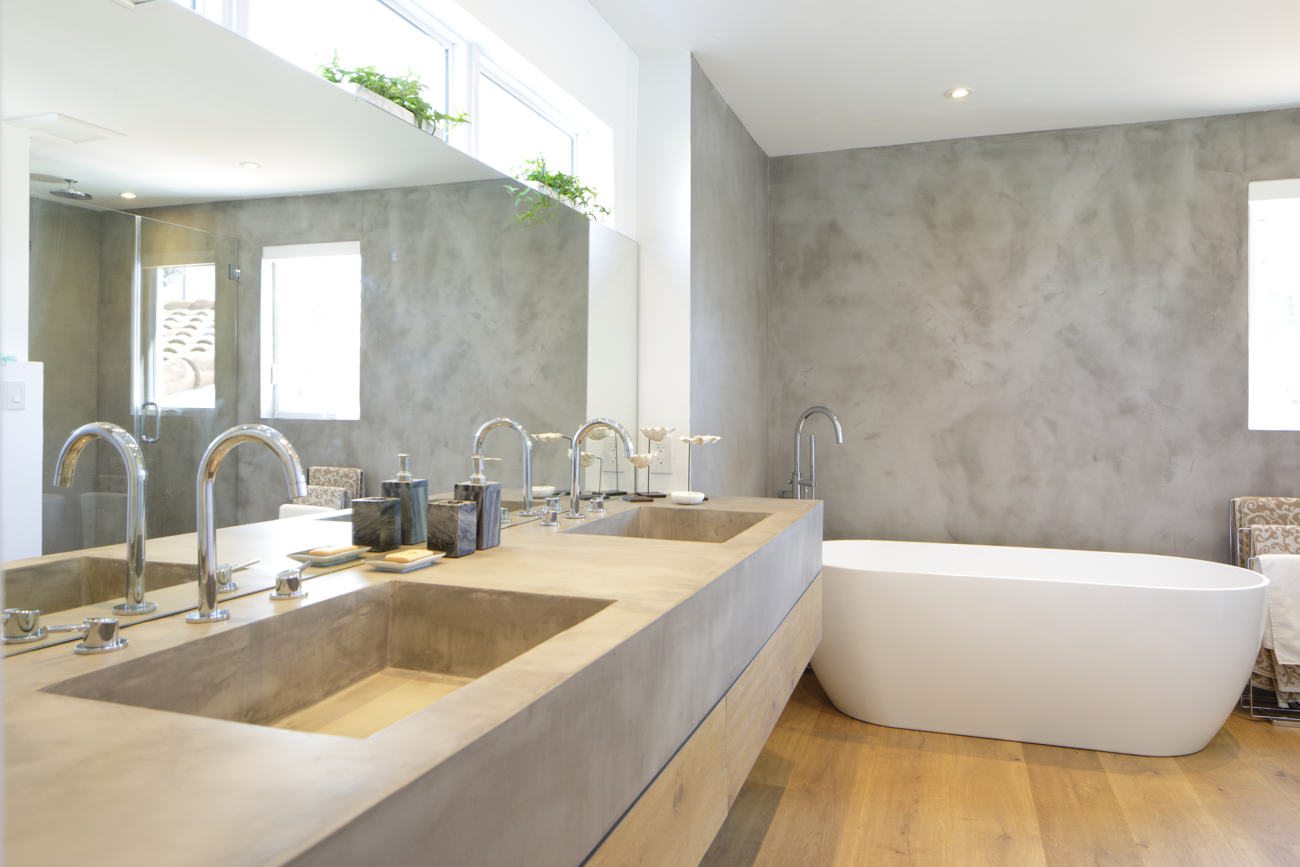
Bespoke Furniture and Decorative Elements
Beyond architectural finishes, micro cement’s moldability and aesthetic qualities lend themselves to the creation of bespoke furniture and decorative elements. It can be used to craft unique tabletops, shelving units, accent pieces, or even decorative wall panels. The ability to create custom shapes and integrate different colors and textures allows designers and homeowners to commission truly one-of-a-kind pieces that add a distinct character to any space. This artistic application further highlights the versatility and creative potential of this innovative material.
aViewFromTheCave is a participant in the Amazon Services LLC Associates Program, an affiliate advertising program designed to provide a means for sites to earn advertising fees by advertising and linking to Amazon.com. Amazon, the Amazon logo, AmazonSupply, and the AmazonSupply logo are trademarks of Amazon.com, Inc. or its affiliates. As an Amazon Associate we earn affiliate commissions from qualifying purchases.