
The Ford Mustang, an icon of American automotive history, has always been synonymous with raw power and exhilarating performance. For decades, this legacy was built on the roar of V8 engines. However, in recent years, a new chapter has been written, one that embraces efficiency and advanced engineering without sacrificing the thrilling driving experience the Mustang is known for. This chapter is defined by Ford’s innovative EcoBoost technology, particularly as applied to the Mustang. The question “What is EcoBoost Mustang?” therefore, isn’t just about a specific engine; it’s about a paradigm shift in how performance vehicles can deliver both power and fuel economy, powered by cutting-edge automotive technology.
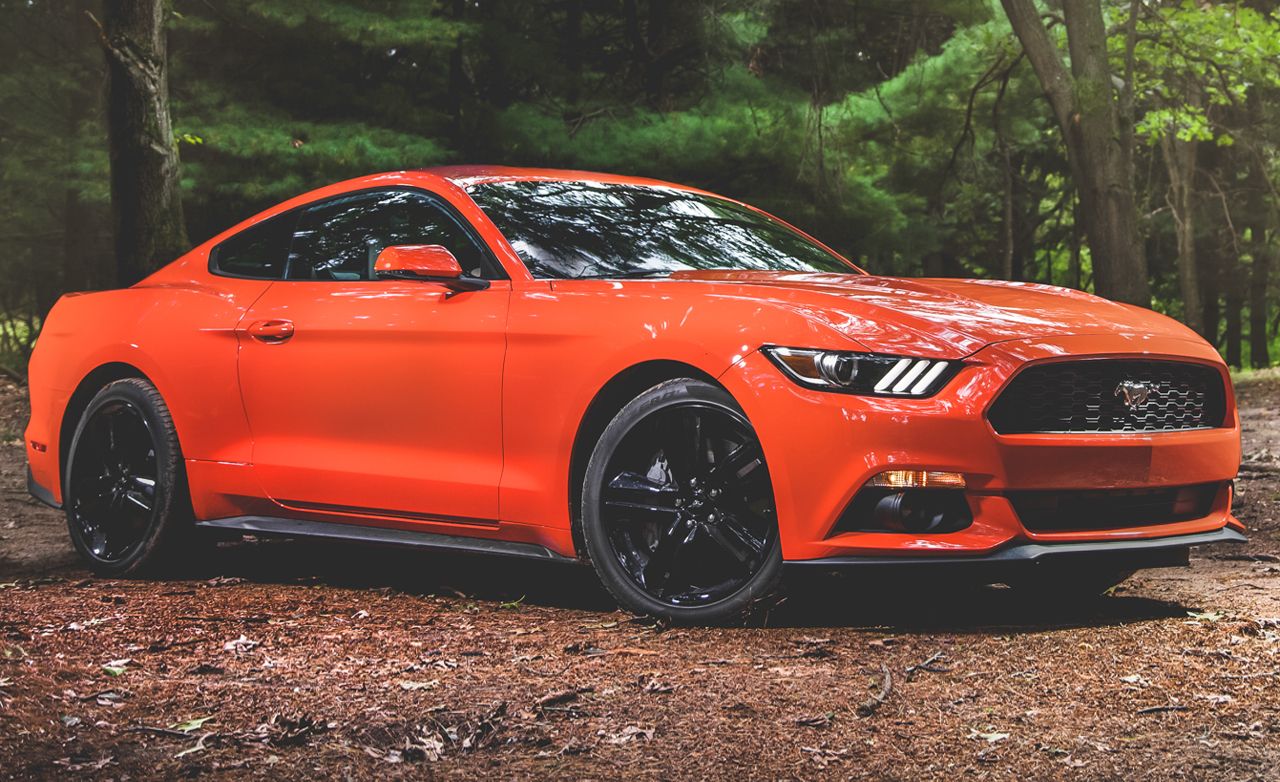
The Evolution of Mustang Performance: Embracing Turbocharging
The Mustang has a storied history of engine evolution, from its early inline-sixes to the legendary V8s that defined its muscle car identity. However, as emissions regulations tightened and consumer demand for better fuel efficiency grew, manufacturers faced a critical challenge: how to maintain or enhance performance while reducing fuel consumption and environmental impact. This is where turbocharged engine technology, particularly Ford’s EcoBoost system, entered the picture, offering a potent solution.
From Naturally Aspirated to Forced Induction
For much of its existence, the Mustang relied on naturally aspirated engines, meaning they relied solely on atmospheric pressure to draw air into the cylinders. While these engines could produce significant power, they often required larger displacements and were inherently less efficient. The advent of turbocharging, a form of forced induction, changed the game. A turbocharger uses exhaust gases to spin a turbine, which in turn drives a compressor that forces more air into the engine’s cylinders. This increased air density allows for more fuel to be injected, resulting in a more powerful combustion stroke and, consequently, more horsepower and torque from a smaller engine.
The EcoBoost Philosophy: Power Meets Efficiency
Ford’s EcoBoost technology is not simply about adding a turbocharger; it’s a comprehensive approach to engine design that integrates direct fuel injection, variable cam timing, and advanced engine management systems. The “Eco” in EcoBoost signifies the focus on economy and reduced emissions, while “Boost” highlights the enhanced performance delivered by the turbocharger. This dual focus allows Ford to offer engines that are significantly more fuel-efficient than their larger, naturally aspirated predecessors while simultaneously delivering comparable or even superior horsepower and torque. This makes the EcoBoost Mustang a compelling option for a wider range of drivers who appreciate both spirited performance and the practicality of better mileage.
Turbocharging in the Mustang’s DNA
The integration of EcoBoost engines into the Mustang lineup marked a significant moment. While some purists initially expressed skepticism about a smaller, turbocharged engine in such an iconic performance car, the reality proved otherwise. The EcoBoost Mustang offered a compelling blend of agile handling, responsive acceleration, and surprisingly potent power delivery, proving that advanced technology could indeed enhance, rather than detract from, the Mustang experience. This technological leap allowed the Mustang to remain competitive in a rapidly evolving automotive landscape, attracting new buyers who might have been deterred by the fuel consumption of traditional V8s.
Understanding the EcoBoost Engine Technology
At the heart of the EcoBoost Mustang lies a sophisticated powertrain designed to maximize performance and efficiency. This involves a combination of advanced engineering principles and cutting-edge components that work in harmony to deliver the characteristic Mustang driving experience.
Direct Fuel Injection (DFI)
A cornerstone of EcoBoost technology is Direct Fuel Injection (DFI). Unlike traditional port injection systems, where fuel is injected into the intake manifold, DFI injects fuel directly into the combustion chamber. This precise control over fuel delivery allows for a more accurate air-fuel mixture, leading to several key benefits. Firstly, it improves fuel atomization, meaning the fuel breaks down into finer droplets, which burn more completely and efficiently. Secondly, it enables higher compression ratios, further enhancing power and efficiency. DFI also plays a crucial role in managing combustion temperatures, helping to prevent knocking and allowing the engine to operate closer to its optimal performance parameters.
Turbocharging and Wastegate Control
The turbocharger system in an EcoBoost Mustang is designed for responsiveness. It typically features a twin-scroll turbocharger, which separates the exhaust pulses from individual cylinders. This design reduces exhaust manifold backpressure, allowing the turbine to spool up more quickly and deliver boost to the engine with less lag. The wastegate, a valve that controls the amount of exhaust gas directed through the turbine, is electronically controlled. This allows for precise management of boost pressure, ensuring that the engine receives the optimal amount of air for the given driving conditions. This precise control is vital for delivering smooth power delivery and preventing over-boosting, which could damage the engine.
Variable Cam Timing (VCT)
Variable Cam Timing (VCT) is another critical component of the EcoBoost engine’s advanced technology. The timing of when the intake and exhaust valves open and close significantly impacts engine performance and efficiency. VCT systems allow the engine’s computer to adjust the timing of the camshafts dynamically. This means the engine can optimize valve timing for different operating conditions. For example, at low engine speeds, VCT can advance intake valve timing to improve torque and drivability. At higher engine speeds, it can retard intake valve timing to maximize horsepower. This continuous optimization ensures the EcoBoost engine performs efficiently and powerfully across the entire rev range.
Engine Management Systems and Sensors
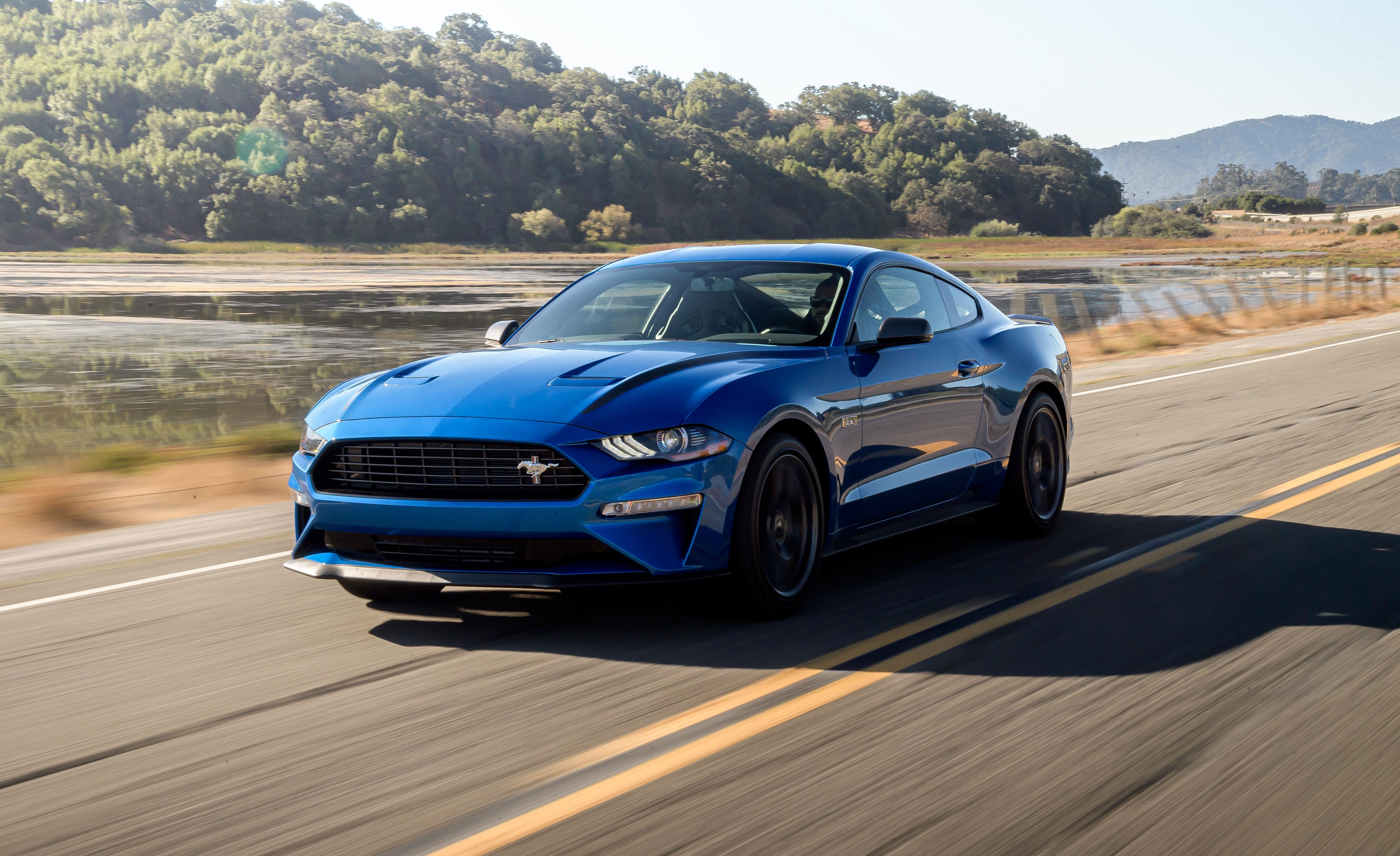
The sophisticated operation of an EcoBoost engine is overseen by a highly advanced Engine Control Unit (ECU) or Powertrain Control Module (PCM). This computer is constantly receiving data from a multitude of sensors strategically placed throughout the engine and drivetrain. These sensors monitor everything from engine temperature, air-fuel ratio, manifold absolute pressure, throttle position, and turbocharger boost levels, to crankshaft and camshaft positions. The ECU uses this real-time data to make instantaneous adjustments to fuel injection, ignition timing, turbocharger wastegate operation, and VCT, ensuring the engine operates at peak efficiency and performance while minimizing emissions and maximizing durability. This intricate network of sensors and sophisticated software is the brain that orchestrates the complex interplay of components that define the EcoBoost Mustang’s technological prowess.
The Driving Experience: Performance Without Compromise
The introduction of EcoBoost engines into the Mustang lineup wasn’t just a technological exercise; it was a deliberate effort to redefine the driving experience for a broader audience. The goal was to deliver the thrilling acceleration, agile handling, and exhilarating feel that Mustang enthusiasts expect, while also offering enhanced fuel economy and a more accessible entry point into the performance car segment.
Responsive Acceleration and Torque Delivery
One of the most immediate benefits of turbocharged engines is their ability to deliver a strong surge of torque, often at lower engine speeds than naturally aspirated counterparts. The EcoBoost Mustang, particularly the 2.3L EcoBoost models, showcases this brilliantly. While it might not possess the sheer, thunderous low-end grunt of a V8, it offers a surprisingly potent and immediate response to throttle inputs. The turbocharger spools up quickly, providing a satisfying wave of acceleration that makes everyday driving engaging and overtaking maneuvers confidently swift. This characteristic makes the EcoBoost Mustang feel lively and athletic, proving that performance isn’t solely defined by engine displacement.
Agile Handling and Weight Distribution
Beyond powertrain, the EcoBoost Mustang benefits from a chassis and suspension system that are designed to maximize agility and driver engagement. The lighter weight of the EcoBoost engine, compared to a larger V8, contributes to a more balanced weight distribution. This improved balance translates into more neutral handling, sharper turn-in, and a more connected feel to the road. The suspension is tuned to provide a sporty ride, absorbing imperfections while maintaining composure during spirited driving. This combination of a potent yet efficient engine and a well-engineered chassis allows the EcoBoost Mustang to offer a dynamic and enjoyable driving experience that appeals to a wide spectrum of enthusiasts.
Fuel Efficiency and Environmental Considerations
The “Eco” aspect of EcoBoost is a significant differentiator. These engines are engineered to achieve substantially better fuel economy ratings compared to traditional Mustang V8s. This makes the EcoBoost Mustang a more practical choice for daily commuting, long road trips, and for drivers who are conscious of their fuel budget and environmental footprint. The reduced fuel consumption also translates to lower CO2 emissions, aligning with increasingly stringent global environmental standards. This blend of performance and efficiency allows drivers to experience the thrill of a Mustang without the significant fuel costs and environmental impact traditionally associated with such vehicles.
A More Accessible Performance Icon
The availability of EcoBoost powertrains has democratized the Mustang experience to some extent. By offering a compelling performance option with a more attainable price point and lower running costs, Ford has made the iconic Mustang accessible to a new generation of buyers. This includes younger enthusiasts, those looking for a sporty daily driver, or individuals who appreciate the Mustang’s heritage but need a more practical vehicle. The EcoBoost Mustang proves that the spirit of the Mustang can be delivered through innovative engineering and advanced technology, making this automotive legend relevant and desirable for the modern era.
The Future of Performance: EcoBoost’s Enduring Impact
The EcoBoost Mustang represents a pivotal moment in the evolution of performance vehicles. It demonstrates that the pursuit of exhilaration and the commitment to efficiency are not mutually exclusive. Ford’s strategic embrace of turbocharged, direct-injected technology has not only revitalized the Mustang lineup but has also influenced the broader automotive industry’s approach to engine design and performance.
Paving the Way for Downsized, High-Performance Engines
The success of EcoBoost engines in the Mustang has validated the industry-wide trend towards downsizing engine displacements and employing turbocharging to achieve comparable or superior performance. This approach allows automakers to meet increasingly stringent emissions and fuel economy regulations without sacrificing the driving dynamics that consumers crave. The EcoBoost Mustang stands as a prime example of how this strategy can be successfully implemented in a high-profile, performance-oriented vehicle, setting a benchmark for others to follow.
Technological Advancements in Automotive Engineering
The development and refinement of EcoBoost technology have driven significant advancements in various areas of automotive engineering. From sophisticated engine control software and advanced materials science to precision manufacturing techniques, the pursuit of efficient power has pushed the boundaries of what’s possible. The ongoing evolution of EcoBoost engines, with continuous improvements in turbocharging efficiency, direct injection precision, and thermal management, promises even more potent and efficient powertrains in the future.
Redefining the Mustang Legacy
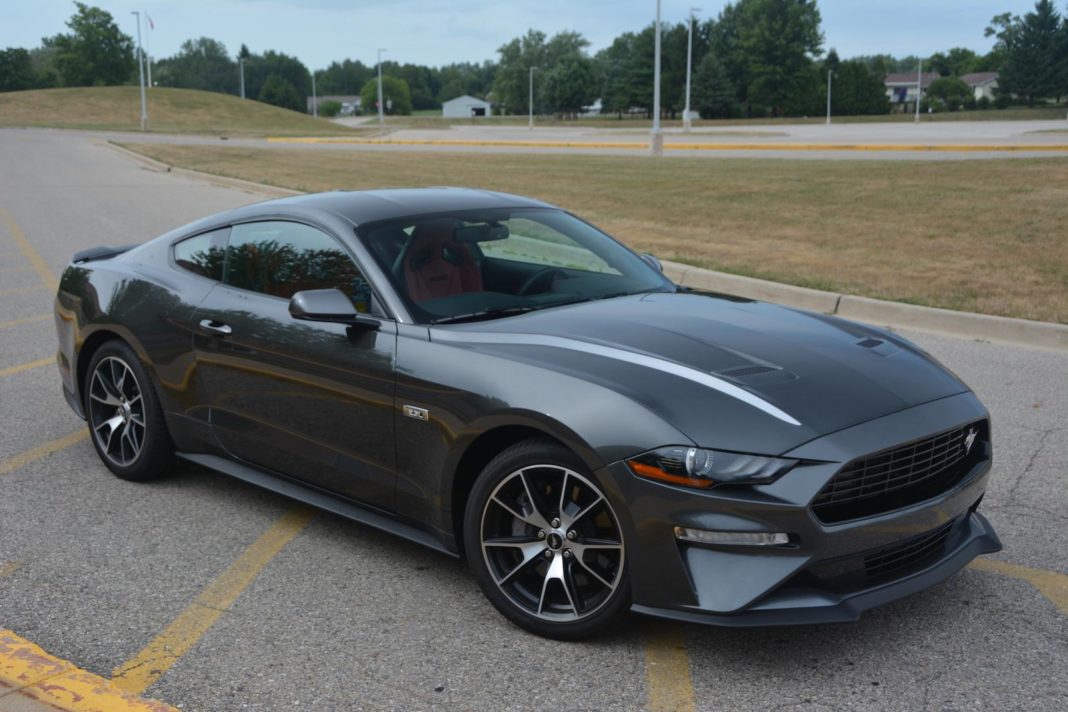
The EcoBoost Mustang has successfully integrated modern technology into the rich heritage of a beloved icon. It offers a bridge between the classic performance image of the Mustang and the demands of contemporary driving. By providing an engaging, powerful, and efficient option, EcoBoost ensures that the Mustang will continue to captivate drivers for generations to come, adapting and thriving in a constantly changing automotive landscape. The question of “What is EcoBoost Mustang?” is ultimately answered by its ability to deliver the quintessential Mustang spirit, enhanced by the intelligent application of cutting-edge automotive technology.
aViewFromTheCave is a participant in the Amazon Services LLC Associates Program, an affiliate advertising program designed to provide a means for sites to earn advertising fees by advertising and linking to Amazon.com. Amazon, the Amazon logo, AmazonSupply, and the AmazonSupply logo are trademarks of Amazon.com, Inc. or its affiliates. As an Amazon Associate we earn affiliate commissions from qualifying purchases.