
The modern kitchen is a sophisticated hub of culinary activity, where efficiency, aesthetics, and cutting-edge functionality converge. At the heart of this culinary command center lies the range, and within the diverse landscape of range ovens, the “slide-in” design has emerged as a distinct and increasingly popular category. More than just a piece of kitchen furniture, a slide-in range represents a thoughtful integration of technology, design, and user experience, aiming to streamline cooking processes and enhance the overall kitchen environment.
This article delves into the technological underpinnings and design considerations that define a slide-in range oven. We will explore its unique construction, the advanced features it often incorporates, and the technological advancements that have propelled its evolution. By understanding the “what” of a slide-in range, we can better appreciate its place in contemporary kitchen technology and its impact on the way we prepare food.
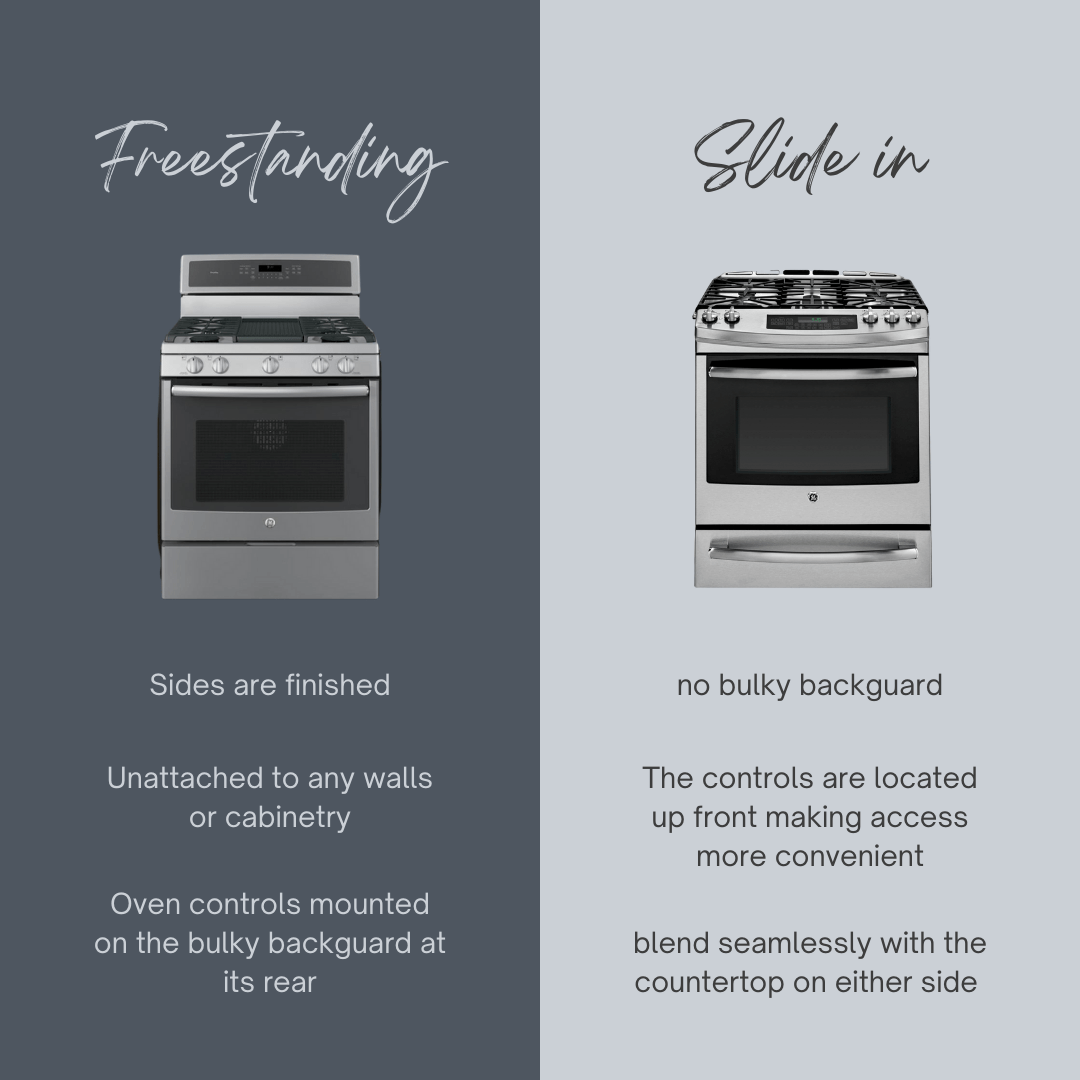
The Distinctive Design: Beyond the Freestanding Footprint
The defining characteristic of a slide-in range, and the primary differentiator from its freestanding counterpart, lies in its design and installation. This distinction is rooted in how the appliance integrates with the surrounding cabinetry, a decision that has significant technological and aesthetic implications.
Seamless Integration and Countertop Compatibility
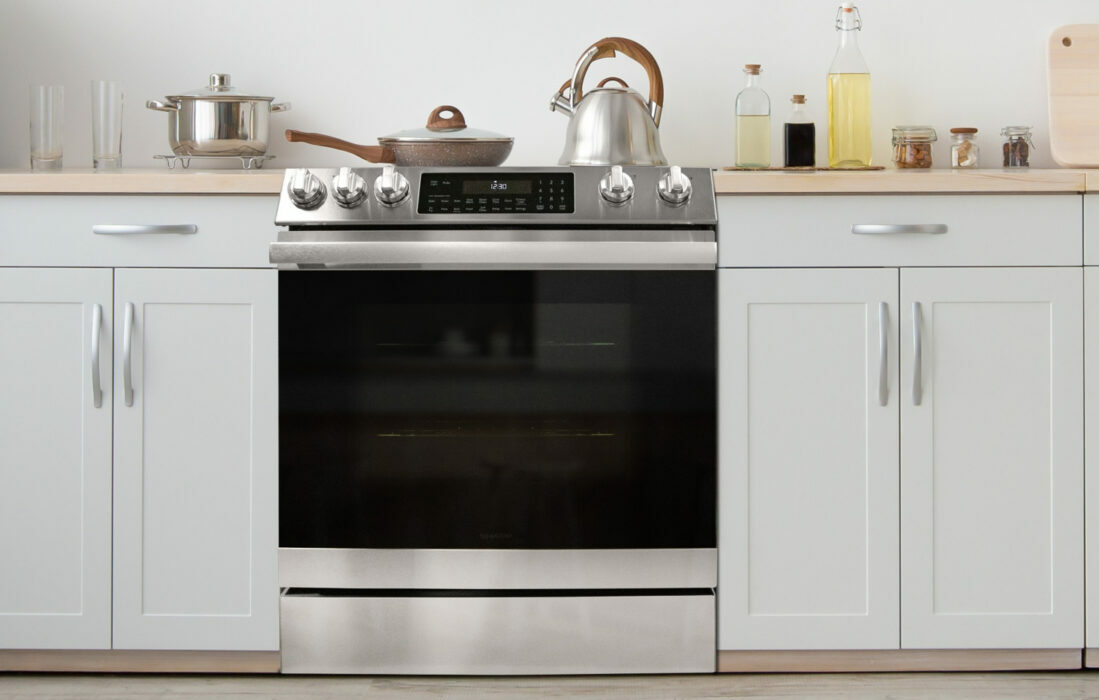
Unlike freestanding ranges, which have finished sides and a backguard, slide-in ranges are designed to be installed between existing cabinets, typically flush with the countertop. This creates a sleek, built-in appearance that many homeowners desire for a more cohesive and modern kitchen aesthetic.
- Zero-Clearance Installation: The sides of a slide-in range are usually unfinished as they are intended to be concealed by cabinetry. This requires precise manufacturing tolerances to ensure a snug fit. The technology behind the manufacturing process ensures that the panels are perfectly aligned and that there are no gaps that could trap debris or compromise the visual flow.
- Countertop Overhang: The cooktop surface of a slide-in range extends slightly over the front edge of the countertop. This overhang serves a critical purpose: it conceals the cut edge of the countertop and prevents spills from dripping behind the appliance. This design element requires careful engineering to ensure the overhang is both functional and aesthetically pleasing, often incorporating durable materials and precise finishes.
- Front-Mounted Controls: A hallmark of slide-in ranges is the placement of controls on the front panel, below the cooktop. This eliminates the need for a rear backguard, further contributing to the streamlined, built-in look. The technological integration of these control panels is significant, often featuring digital displays, touch-sensitive interfaces, and intuitive user feedback mechanisms. The development of these control systems involves intricate circuitry, software programming, and materials science to ensure durability and responsiveness.
Material Science and Durability
The materials used in the construction of slide-in ranges are crucial for both their performance and their longevity. The pursuit of a seamless aesthetic is complemented by a focus on robust engineering.
- High-Grade Stainless Steel and Enamels: The exterior surfaces of slide-in ranges are typically constructed from high-grade stainless steel or durable porcelain enamels. These materials are chosen for their resistance to heat, staining, and scratching. The manufacturing processes involve advanced metal fabrication techniques, including laser cutting and robotic welding, to achieve the precise dimensions and finishes required for their intended installation.
- Heat-Resistant Glass and Ceramics: The cooktop surfaces of electric and induction slide-in ranges often feature Schott Ceran or similar heat-resistant ceramic glass. This material is engineered to withstand extreme temperature fluctuations and to be easily cleaned. The manufacturing of these glass surfaces involves specialized tempering processes and precise etching for heating elements or induction zones.
- Internal Insulation and Heat Management: The ovens within slide-in ranges are equipped with advanced insulation materials to ensure efficient heat retention and to prevent excessive heat from radiating outwards. This technological aspect is critical for energy efficiency and user safety. Advanced composites and ceramic fibers are often employed, meticulously layered to create thermal barriers.
Advanced Cooking Technologies: Smarter, Faster, Better
The integration of slide-in design often goes hand-in-hand with the incorporation of sophisticated cooking technologies. Manufacturers leverage these designs to showcase their most advanced features, enhancing both performance and user convenience.
Induction Cooktops: The Pinnacle of Efficiency and Control

Many premium slide-in ranges feature induction cooktops. Induction technology represents a significant leap forward in cooking appliance performance, offering unparalleled speed, precision, and energy efficiency.
- Electromagnetic Induction: At its core, induction cooking utilizes electromagnetism. When an induction-compatible pot or pan is placed on the cooktop surface, an alternating electric current flows through a coil beneath the glass. This creates a magnetic field that directly heats the ferrous metal in the cookware itself. The heat is generated within the cookware, not the cooktop surface, leading to remarkably fast heating times and precise temperature control.
- Power and Responsiveness: Induction cooktops can boil water significantly faster than traditional electric or gas burners. The immediate response to temperature adjustments is also a key technological advantage. Turning down the heat on an induction burner results in an instantaneous decrease in cooking temperature, allowing for delicate simmering and precise control over delicate sauces.
- Safety Features: The inherent nature of induction cooking makes it exceptionally safe. The cooktop surface itself only heats up from residual heat transferred from the cookware, rather than generating its own heat. This significantly reduces the risk of burns and makes cleaning spills easier, as they are less likely to bake onto the surface. Many induction systems also incorporate pan detection sensors, ensuring that the cooktop only activates when a suitable pan is present.
Convection Ovens: Enhanced Baking and Roasting
The oven component of a slide-in range often incorporates advanced convection technologies to improve cooking results.
- True Convection Systems: Many slide-in ranges feature “true convection” or “European convection” systems. This technology typically involves a third heating element, often located at the rear of the oven, in conjunction with a powerful fan. This setup circulates hot air evenly throughout the oven cavity, eliminating hot spots and ensuring consistent cooking temperatures. This is crucial for baking multiple racks of cookies or roasting a large turkey evenly.
- Multiple Cooking Modes: Beyond standard bake and broil, slide-in range ovens often boast a multitude of specialized cooking modes. These modes are programmed by sophisticated microprocessors that control the timing and intensity of heating elements and fans for specific culinary tasks. Examples include proofing, dehydrating, warming, and even air frying capabilities, showcasing the versatility of modern oven technology.
- Smart Oven Features: The trend towards smart home integration has extended to slide-in ranges. Many models now connect to Wi-Fi, allowing users to control their ovens remotely via smartphone apps. This can include preheating the oven, adjusting cooking temperatures, setting timers, and even downloading specific cooking programs for various dishes. Voice control integration with smart assistants further enhances this connectivity.
User Interface and Digital Integration: The Command Center
The technology embedded in the user interface of a slide-in range is central to its ease of use and its ability to leverage advanced cooking features. This is where the digital and physical aspects of the appliance truly converge.
Intuitive Digital Displays and Controls
The front-mounted control panel of a slide-in range is often a sophisticated digital interface.
- Touchscreen Technology: Many modern slide-in ranges utilize responsive touchscreens, replacing traditional knobs and buttons. These interfaces allow for precise selection of cooking modes, temperature settings, and timer functions. The underlying technology involves capacitive or resistive touch sensors that translate physical touch into digital signals, processed by internal microcontrollers.
- Guided Cooking Programs: The digital interface can guide users through complex cooking processes. Preset recipes and cooking programs offer step-by-step instructions, automatically adjusting oven settings as needed. This reduces the guesswork involved in cooking and helps users achieve consistent, professional-quality results. These programs are often developed through extensive culinary testing and algorithm design.
- Diagnostic and Maintenance Alerts: The digital system can also monitor the performance of the range and provide diagnostic information or maintenance alerts. This might include reminders for cleaning, notifications of potential issues, or self-cleaning cycle management. This predictive maintenance aspect leverages sensors and software to ensure optimal appliance health.
Connectivity and Smart Home Ecosystems
The increasing connectivity of home appliances has made slide-in ranges integral to the smart home ecosystem.
- Wi-Fi and Bluetooth Connectivity: Integrated Wi-Fi and Bluetooth modules allow slide-in ranges to communicate with other devices and the internet. This enables remote control, software updates, and integration with popular smart home platforms like Google Assistant or Amazon Alexa.
- Remote Monitoring and Control: Through dedicated mobile applications, users can monitor the progress of their cooking, preheat the oven while en route home, or adjust settings without being in the kitchen. This offers unparalleled convenience and flexibility in managing meal preparation. The security of these connections is also a key technological consideration, employing robust encryption protocols.
- Software Updates and Feature Enhancements: Similar to other smart devices, slide-in ranges can receive over-the-air software updates. These updates can introduce new cooking modes, improve existing features, and enhance user interface functionality, ensuring the appliance remains up-to-date and its capabilities evolve over time without requiring a physical replacement.
In conclusion, the slide-in range oven is a prime example of how technology and design converge to enhance everyday living. Its distinctive form factor, driven by the desire for seamless integration and modern aesthetics, has paved the way for the incorporation of cutting-edge cooking technologies. From the precision of induction cooktops to the efficiency of true convection ovens and the convenience of smart digital interfaces, the slide-in range represents a significant advancement in kitchen appliance engineering, offering a sophisticated and user-friendly platform for the modern culinary enthusiast.
aViewFromTheCave is a participant in the Amazon Services LLC Associates Program, an affiliate advertising program designed to provide a means for sites to earn advertising fees by advertising and linking to Amazon.com. Amazon, the Amazon logo, AmazonSupply, and the AmazonSupply logo are trademarks of Amazon.com, Inc. or its affiliates. As an Amazon Associate we earn affiliate commissions from qualifying purchases.