
In the realm of construction, demolition, and large-scale cleanouts, the term “roll-off container” might conjure images of industrial sites and bustling projects. However, understanding the true nature and function of these robust receptacles is crucial for anyone involved in managing waste and debris from any significant undertaking. More than just a simple bin, a roll-off container is a specialized piece of equipment designed for the efficient, safe, and cost-effective disposal of substantial volumes of waste materials. This article will delve into the core aspects of roll-off containers, exploring their definition, operational mechanics, diverse applications, and the financial considerations associated with their use, all within the framework of business finance and operational efficiency.
The Operational Mechanics and Design of Roll-Off Containers
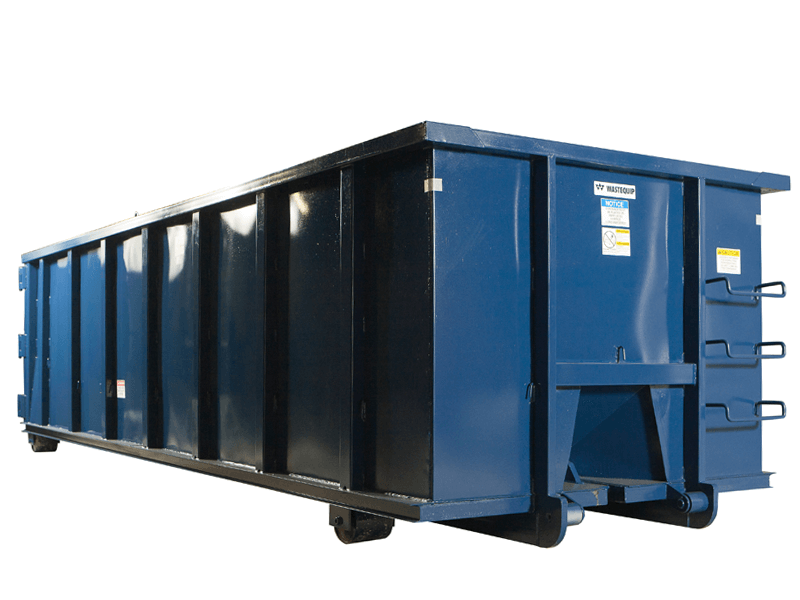
At its heart, a roll-off container is a large, open-top dumpster characterized by its unique design and the specialized truck used for its delivery and removal. The “roll-off” moniker stems directly from the mechanism by which these containers are deployed and retrieved. Unlike traditional dumpsters that are lifted and tilted, roll-off containers are “rolled” off the back of a specially designed chassis. This process is facilitated by hydraulic cylinders that tilt the truck bed, allowing the container to slide smoothly onto the ground. The reverse process is then used to load the full container back onto the truck.
Structural Design and Durability
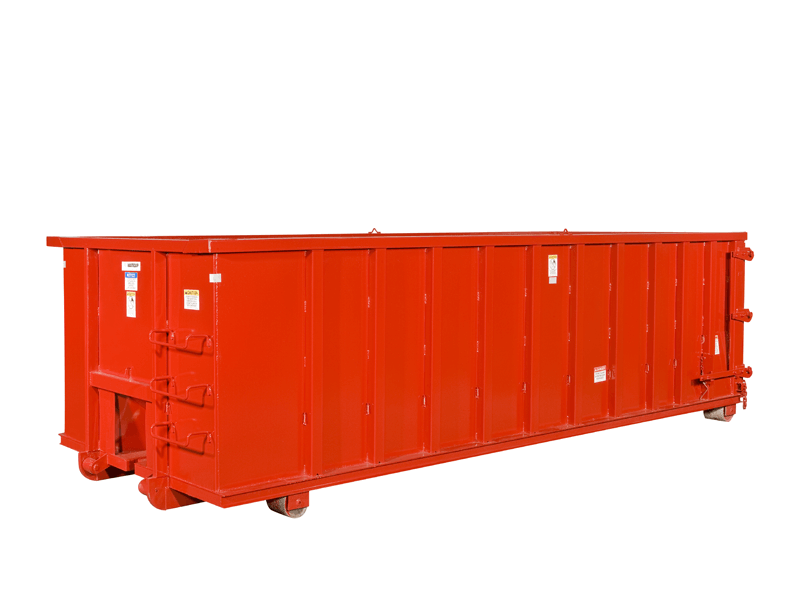
The construction of a roll-off container is a testament to its demanding purpose. Typically fabricated from heavy-gauge steel, these containers are built to withstand immense weight and the abrasive nature of construction and demolition debris. Their robust framework ensures they can endure the stresses of being filled with concrete, asphalt, wood, metal, and other materials without compromising structural integrity. The open-top design is a practical feature, allowing for easy loading of bulky items and maximizing the volume capacity. Many containers also feature hinged doors at one end, providing convenient access for loading and facilitating easier emptying by the specialized trucks. The size and capacity of roll-off containers vary significantly, from smaller 10-yard bins suitable for residential cleanouts to massive 40-yard containers capable of holding hundreds of cubic yards of material for large commercial projects. This versatility in size is a key factor in their widespread adoption across various industries.
The Specialized Transportation System
The effective deployment and retrieval of roll-off containers are made possible by a dedicated fleet of specialized trucks. These “roll-off trucks” are equipped with a hydraulic system designed to manipulate the containers. There are generally two primary types of roll-off truck systems: the “hook lift” and the “cable lift.”
- Hook Lift Systems: These are perhaps the most common. The truck features a J-shaped hook mechanism that engages with a corresponding hook on the container. The hydraulic system lifts the front of the container, allowing it to slide off the truck’s chassis. This system offers excellent control and stability during placement and retrieval.
- Cable Lift Systems: These trucks utilize cables that loop around the container. The cables then hoist the container onto the truck bed. While also effective, cable lift systems can sometimes be less precise in placement compared to hook lifts, and the cables can be subject to wear and tear.
The choice of truck system often depends on the manufacturer of the containers and the specific operational preferences of the waste management company. Regardless of the system, the integration between the truck and the container is seamless, ensuring efficient logistics and minimizing turnaround time on job sites.
Applications and Versatility in Waste Management
The inherent strength, capacity, and ease of deployment of roll-off containers make them indispensable tools across a wide spectrum of industries and projects. Their primary function revolves around the efficient collection and disposal of large volumes of waste, often categorized as non-hazardous solid waste, construction and demolition debris, and general refuse.
Construction and Demolition Projects
This is arguably the most significant sector for roll-off container usage. During new construction, remodeling, or demolition projects, enormous quantities of material are generated. This includes concrete, bricks, wood, drywall, metal, roofing materials, and general construction waste. Roll-off containers, especially larger capacity ones, are essential for keeping job sites clean, organized, and safe. By having these containers readily available, contractors can ensure that debris is contained and removed promptly, preventing accumulation that could impede workflow or pose safety hazards. Furthermore, the ability to segregate waste streams within different roll-off containers (e.g., a container for concrete, another for wood) can facilitate recycling efforts, contributing to more sustainable construction practices.
Residential Cleanouts and Renovations
Beyond large-scale commercial endeavors, roll-off containers also serve the needs of homeowners. Whether undertaking a significant renovation, a garage or attic decluttering, or even after a natural disaster, homeowners often require a receptacle for substantial amounts of unwanted materials. Smaller roll-off containers, often in the 10 to 20-yard range, are ideal for these purposes. They offer a convenient and contained solution for disposing of everything from old furniture and appliances to renovation scraps and yard waste. Renting a roll-off container for a residential project eliminates the need for multiple trips to the landfill with personal vehicles, saving time, effort, and fuel costs.
Industrial and Commercial Waste Management
Many industrial and commercial facilities generate significant volumes of waste as part of their regular operations. Manufacturing plants, warehouses, and large retail establishments may require ongoing waste management solutions that go beyond standard dumpster services. Roll-off containers can be utilized for the disposal of scrap materials, packaging waste, off-spec products, and general refuse. The flexibility in container size and the regularity of pick-up services offered by waste management providers allow businesses to tailor their waste disposal strategies to their specific needs and operational scale. This can lead to more predictable waste management costs and improved site cleanliness, contributing to a more professional and efficient business environment.
Special Waste Disposal Needs
While primarily used for common waste streams, certain specialized roll-off containers can also be adapted for specific waste disposal needs. For example, some containers are designed to be lined to contain hazardous materials or liquids, though regulations surrounding hazardous waste disposal are stringent and often require specialized permits and handling. In situations where large quantities of specific materials need to be managed, such as in agricultural settings for crop residue or in certain recycling operations for bulky sorted materials, roll-off containers provide a practical and scalable solution.

Financial Considerations and Cost-Effectiveness in Business Operations
The decision to rent or utilize roll-off containers in a business context is intrinsically linked to financial planning and the pursuit of operational efficiency. While seemingly a straightforward expense, understanding the cost structure and the value proposition of roll-off services can significantly impact a company’s bottom line.
Rental Pricing Models and Associated Costs
The cost of renting a roll-off container is not a one-size-fits-all proposition. Several factors influence the final price. The primary drivers include:
- Container Size: Larger containers naturally cost more due to their increased material and hauling capacity.
- Rental Duration: Most providers offer daily, weekly, or monthly rental rates. The longer the rental period, the higher the cumulative cost. However, for long-term projects, weekly or monthly rates might offer better per-day value.
- Weight Tonnage: This is a crucial factor. Waste management companies typically include a certain weight allowance in their base rental fee. Exceeding this allowance results in additional charges, often calculated per ton. This necessitates careful estimation of the waste volume and type to avoid unexpected surcharges.
- Haul Fees and Disposal Fees: The rental fee usually covers a set number of hauls. If more hauls are required than initially agreed upon, additional haul fees will apply. Furthermore, landfill or recycling facility disposal fees are passed on to the customer, varying based on the type of material and the tipping fees at the chosen facility.
- Geographic Location: Proximity to landfills and recycling centers, as well as local market conditions, can influence pricing.
- Type of Waste: Some materials might incur higher disposal fees than others. For instance, mixed debris may be more expensive to dispose of than segregated concrete.
For businesses, anticipating these costs and understanding the pricing models is paramount for accurate budgeting. Negotiating terms and clearly defining expectations with waste management providers can prevent budget overruns.
Optimizing Roll-Off Container Usage for Cost Savings
Achieving cost-effectiveness with roll-off containers involves strategic planning and efficient waste management practices. Several strategies can be employed:
- Accurate Waste Estimation: Before ordering a container, thoroughly assess the anticipated volume and type of waste. Overestimating leads to paying for unused space, while underestimating necessitates additional rentals and hauling fees.
- Waste Segregation: Whenever feasible, segregate waste materials. For example, dedicating separate containers for metal, concrete, wood, and general debris can not only reduce disposal fees but also facilitate recycling, which may be more cost-effective than landfilling. Many recycling facilities offer reduced tipping fees for source-separated materials.
- Timely Turnaround: Minimize the time a container sits idle on-site. Once full, promptly schedule its removal to avoid paying for unused rental days and to ensure continuous workflow on projects. Conversely, avoid overfilling containers, as this can lead to additional charges or necessitate a second container.
- Contract Negotiation: For ongoing waste management needs, negotiate long-term contracts with waste disposal companies. These agreements can often secure more favorable pricing, including bulk discounts and consistent service.
- Leveraging Recycling Programs: Explore partnerships with recycling facilities. Diverting recyclable materials from landfills can significantly reduce disposal costs and contribute to environmental sustainability, which can also enhance a company’s brand image.
By meticulously managing these aspects, businesses can transform roll-off container services from a mere expense into a strategically managed operational component that contributes to financial health and project success.
Regulatory Compliance and Environmental Responsibility
The use of roll-off containers, particularly in commercial and industrial settings, is often intertwined with a complex web of regulatory requirements and a growing emphasis on environmental responsibility. Businesses must navigate these frameworks to ensure lawful operations and to uphold sustainable practices.
Navigating Landfill and Disposal Regulations
Landfills are highly regulated entities, and their operations are subject to strict environmental standards set by local, state, and federal agencies. When using roll-off containers, businesses are responsible for ensuring that the materials deposited are permissible for landfill disposal. Prohibited items, such as hazardous waste, liquids, certain chemicals, and electronic waste, must not be placed in standard roll-off containers. Waste management companies typically provide guidelines on what can and cannot be disposed of. Failure to comply with these regulations can result in substantial fines, penalties, and even legal action. Understanding the specific regulations in your jurisdiction is therefore crucial. This often involves familiarizing oneself with the waste acceptance policies of local landfills and recycling facilities.
The Role of Recycling and Waste Diversion
The push towards sustainability has made recycling and waste diversion a significant component of waste management. Many municipalities and regulatory bodies encourage or mandate the diversion of specific waste streams from landfills. This can include materials like concrete, asphalt, metal, wood, cardboard, and plastics. Roll-off containers play a vital role in facilitating these diversion efforts. By providing dedicated containers for different recyclable materials, businesses can effectively separate waste at the source. This not only aids in meeting regulatory requirements but also often leads to cost savings, as recycling facilities may have lower tipping fees compared to landfills. Furthermore, embracing recycling can enhance a company’s corporate social responsibility profile, appealing to environmentally conscious clients and stakeholders.
Best Practices for Responsible Container Usage
Beyond regulatory compliance, adopting best practices ensures responsible and efficient use of roll-off containers:
- Proper Loading Techniques: Avoid overloading containers beyond their marked fill lines. This not only poses a safety risk during transportation but can also lead to additional charges for exceeding weight limits or requiring a second container. Distribute weight evenly to prevent tipping during placement or removal.
- Site Safety: Ensure that the placement of roll-off containers does not obstruct access for emergency vehicles, pedestrian walkways, or operational areas. Mark containers clearly with company identification and safety warnings if necessary.
- Regular Communication with Providers: Maintain open communication with your waste management provider. Inform them of any changes in project scope or waste generation that might affect container needs. This proactive approach helps prevent service disruptions and ensures timely pick-ups.
- Documentation and Record-Keeping: Keep thorough records of all rental agreements, invoices, weight tickets, and disposal manifests. This documentation is essential for financial auditing, tax purposes, and demonstrating compliance with regulatory requirements.
By integrating these principles into their operational strategies, businesses can leverage roll-off containers not just as waste disposal tools, but as integral components of their commitment to regulatory adherence and environmental stewardship, ultimately contributing to a more sustainable and financially sound business model.
aViewFromTheCave is a participant in the Amazon Services LLC Associates Program, an affiliate advertising program designed to provide a means for sites to earn advertising fees by advertising and linking to Amazon.com. Amazon, the Amazon logo, AmazonSupply, and the AmazonSupply logo are trademarks of Amazon.com, Inc. or its affiliates. As an Amazon Associate we earn affiliate commissions from qualifying purchases.