
In the intricate tapestry of modern technology, finance, and branding, understanding fundamental concepts is paramount. One such concept, often encountered but perhaps less understood in its full scope, is the “amp.” Derived from “ampere,” named after the French physicist André-Marie Ampère, this seemingly simple unit of measurement holds profound implications across various domains. While its primary definition roots it firmly in the realm of electricity, its impact ripples through our daily tech interactions, influences our financial decisions, and even provides a powerful metaphor for brand strength and amplification. This article aims to demystify what an amp measures, exploring its technical significance and its broader resonance within the intertwined worlds of technology, money, and branding.

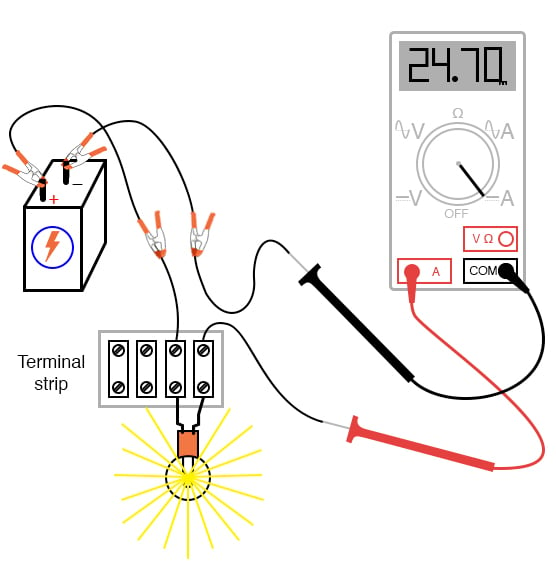
At its core, an amp measures electrical current. Imagine electricity as water flowing through a pipe. While “voltage” would be the pressure pushing the water, and “resistance” would be the narrowness of the pipe, “amperage” or “amps” quantify the volume or rate of that water flow. Specifically, one ampere is defined as one coulomb of electrical charge passing a point in an electrical circuit per second. In simpler terms, it tells you how many electrons are moving through a conductor at any given moment. This flow of charge is what powers our devices, lights our homes, and drives the digital age. Without understanding amperage, it would be impossible to design safe and efficient electrical systems, from the smallest microchip to the largest power grid.
The Core of Current: Understanding Amperes in Technology
The world of technology is fundamentally built upon the principles of electricity, and amperes play a critical role in almost every aspect. From the power requirements of your smartphone charger to the massive energy consumption of a data center, understanding amperage is key to comprehending how devices work, how efficiently they operate, and even how secure they might be.
Deciphering Electrical Flow: Amps, Volts, and Watts
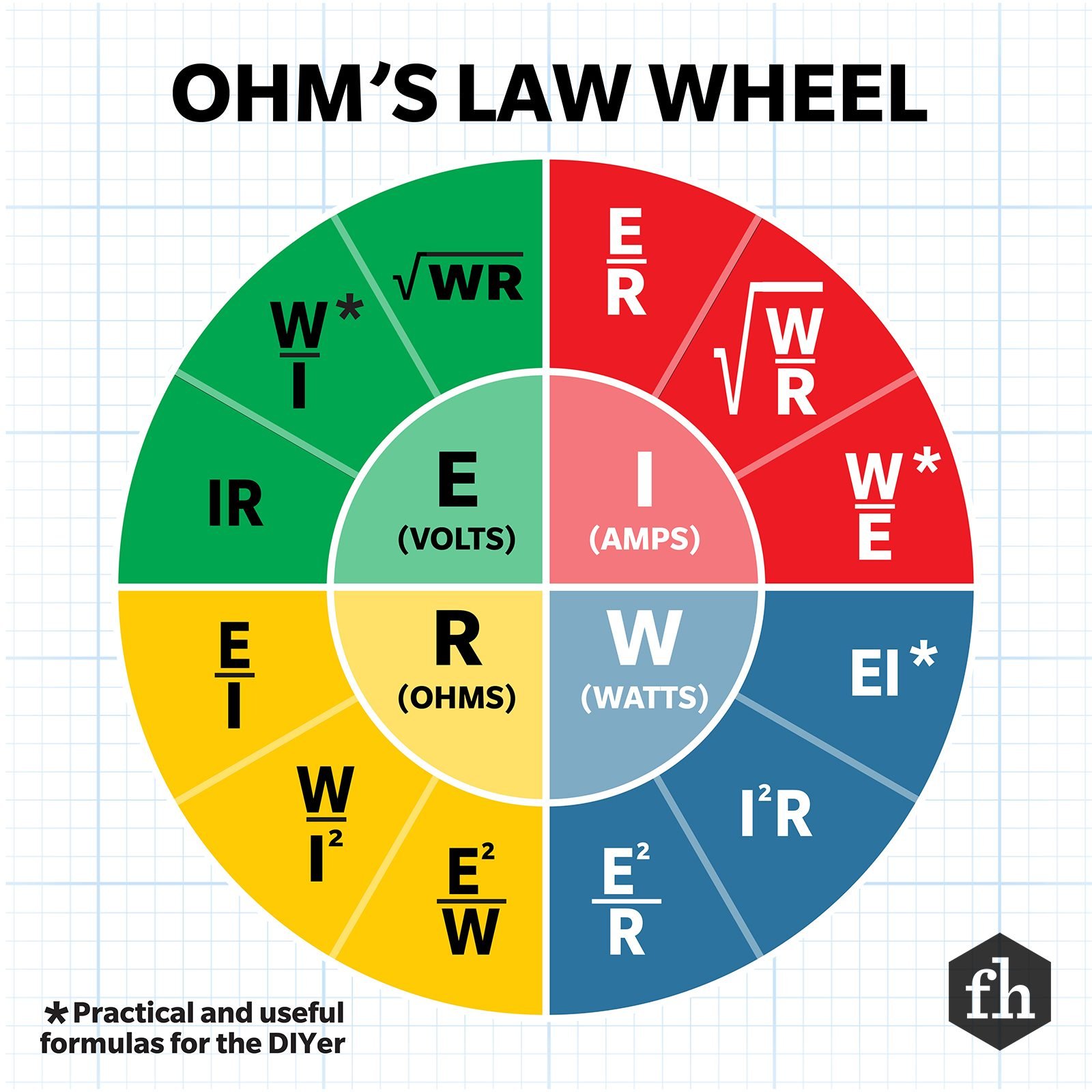
To truly grasp what an amp measures, it’s essential to understand its relationship with other fundamental electrical units: volts and watts. Think of electricity as a river.
- Volts (Voltage): This is the “pressure” or “force” that pushes the electrical current. In our river analogy, voltage is like the steepness of the riverbed, determining how hard the water is pushed. A higher voltage means more electrical “pressure.”
- Amps (Amperage): As established, this is the “volume” or “rate of flow” of the electrical current. In the river, this would be the amount of water passing a certain point per second. A higher amperage means more electrons flowing.
- Watts (Wattage): This is the total “power” consumed or generated, the actual “work” being done. Watts are the product of volts and amps (Watts = Volts x Amps). In the river analogy, wattage represents the overall power of the river, considering both its pressure and its flow rate – how much energy it has to turn a mill wheel, for example.
Understanding these three is crucial for assessing device compatibility and power consumption. For instance, a device might require 5 volts and 2 amps (10 watts), while another might need 12 volts and 1 amp (also 12 watts). While the wattage is similar, the combination of volts and amps dictates the specific power supply needed. This relationship, famously described by Ohm’s Law (V=IR, where I is current in amps), forms the bedrock of electrical engineering and device design.
Amps in Your Everyday Gadgets: From Smartphones to PCs
Amperage is a silent hero (or sometimes villain) in the performance of your daily tech. When you plug in your smartphone charger, the charger’s output rating in amps directly influences how quickly your device charges. A standard USB port typically provides 0.5 amps, while modern fast chargers can deliver 2 amps, 3 amps, or even more, significantly reducing charging times. This higher amperage output from the charger, when combined with a device designed to accept it, allows for a faster replenishment of the battery. However, using a charger with significantly lower amperage than required might result in very slow charging or even insufficient power to charge the device while it’s in use. Conversely, a device will only draw the amperage it needs, so plugging a 1-amp phone into a 3-amp charger is generally safe as the phone will regulate the current.
Beyond charging, amperage ratings are critical for powering larger devices like laptops, desktop PCs, and smart home appliances. A laptop power adapter, for example, will have specific voltage and amperage outputs tailored to the laptop’s power requirements. Insufficient amperage can lead to system instability, slow performance, or even failure to power on. Similarly, understanding the amperage draw of multiple devices plugged into a single circuit is vital to prevent overloading household electrical systems, which can trip circuit breakers or, in worse cases, cause electrical fires. As our homes become smarter and more connected, managing the cumulative amperage draw of numerous IoT devices becomes an increasingly important consideration for household electrical health.
The Digital Security Angle: Power Consumption and Device Integrity
While amperage primarily relates to power delivery, it has subtle yet significant implications for digital security and device integrity. High or fluctuating amperage can stress electronic components, leading to overheating, reduced lifespan, or even catastrophic failure. This isn’t just an inconvenience; it can create vulnerabilities. For instance, poorly regulated power supplies or malicious power attacks could theoretically manipulate amperage to damage hardware or disrupt critical systems, potentially leading to data loss or system compromise.
From a security standpoint, understanding a device’s typical amperage draw can also be an indicator of unexpected behavior. A sudden, unexplained spike in amperage might suggest a hardware malfunction, an energy-intensive malicious process running in the background (like crypto-jacking malware), or an attempt to bypass power limits. Moreover, the efficiency of power delivery, often measured in terms of how much power is converted into usable energy versus wasted as heat, can impact the reliability and long-term security of infrastructure like servers. Efficient power management, which inherently involves understanding and regulating amperage, contributes to stable operating environments, reducing the risk of hardware failures that could expose data or create downtime. In high-stakes environments, consistent and secure power delivery, meticulously managed through amperage controls, is a cornerstone of operational resilience.
Amps and Your Wallet: The Financial Implications of Electrical Current
Beyond its technical definition, the concept of amperage directly translates into tangible financial costs and opportunities. Every amp flowing through your electrical meter contributes to your utility bill, and every efficient watt saved means money in your pocket. From household budgeting to corporate financial planning, understanding the monetary impact of electrical current is crucial for smart financial management.
Managing Energy Costs: Lowering Your Utility Bills
The total power consumed by your household appliances directly correlates with your electricity bill. While the bill is typically calculated in kilowatt-hours (kWh), which is essentially watts consumed over time, the underlying amperage of your devices dictates their power draw. Appliances with higher amperage requirements, especially those used frequently or for extended periods (like air conditioners, electric water heaters, or high-end gaming PCs), contribute more significantly to your energy consumption.
By understanding the amperage (and thus wattage) of your devices, you can make informed decisions to lower your utility bills. This includes:
- Identifying energy hogs: Knowing which appliances draw the most current can help you prioritize their efficient use or consider upgrading to more energy-efficient models.
- Investing in energy-efficient tech: Devices rated with Energy Star labels often consume less power (lower amps/watts) for the same output, leading to long-term savings. While the initial investment might be higher, the cumulative savings on electricity can be substantial over the device’s lifespan.
- Practicing smart usage: Unplugging chargers and devices when not in use (to prevent “vampire drain”) and optimizing usage patterns for high-amperage appliances can significantly reduce overall consumption. For instance, running dishwashers or washing machines during off-peak hours (if your utility offers time-of-use rates) can reduce costs, even if the amperage draw remains the same.
Business Finance: Powering Productivity and Profitability
For businesses, especially those reliant on extensive technological infrastructure like data centers, server farms, or manufacturing facilities, managing electricity costs is a major line item in the budget. Here, the collective amperage draw of thousands of servers, cooling systems, and networking equipment can lead to astronomical utility bills. Understanding and optimizing power consumption directly impacts profitability.
Businesses frequently invest in power-efficient hardware, advanced cooling solutions, and intelligent power management systems to reduce their amperage draw and, consequently, their electricity expenditure. The return on investment (ROI) for these initiatives can be substantial, freeing up capital for other growth opportunities. Moreover, reliable power supply, ensured through proper amperage management, directly translates to business continuity and productivity. Downtime caused by power issues, whether due to overloads or insufficient supply, can lead to lost revenue, reputational damage, and decreased employee productivity. Therefore, financial planning in tech-heavy businesses often includes meticulous analysis of power infrastructure and consumption, making amperage a critical financial metric.
The Intersection with Online Income & Side Hustles
The rise of the digital economy has also created new financial considerations where amperage plays an indirect but vital role. Consider the growing sector of cryptocurrency mining. Mining operations, whether large-scale farms or individual side hustles, involve powerful computers working around the clock, drawing significant amounts of electrical current. The profitability of such ventures is often a delicate balance between the value of the mined cryptocurrency and the cost of electricity consumed – a cost directly tied to the collective amperage of the mining rigs. A miner’s decision to invest in specific hardware or to scale their operation is heavily influenced by their access to affordable electricity and the power efficiency (amps per computation) of their equipment.
Similarly, individuals running home servers for online businesses, game hosting, or media streaming also face ongoing electricity costs. While less extreme than crypto mining, the continuous operation of these devices adds up. Understanding their amperage draw helps individuals factor these expenses into their online income strategies or determine the viability of certain tech-based side hustles. In essence, any digital endeavor that requires sustained electrical power becomes a financial equation where amperage is a key variable.
Amplifying Your Brand: Beyond the Electrical Current
While “amp” fundamentally refers to electrical measurement, the term “amplify” extends its meaning into the metaphorical realm, particularly relevant to brand strategy and personal branding. To amplify means to increase the volume, extent, or intensity of something. In the context of branding, this translates to boosting a brand’s presence, impact, and message, making it resonate more powerfully with its target audience.
The “Power” of a Brand: Metaphorical Current
Just as electrical current powers devices, the “current” of a brand—its energy, relevance, and engagement—powers its influence and market position. A strong brand, much like a high-amperage current, has the power to move markets, influence consumer behavior, and withstand competitive pressures. This metaphorical power is built on several pillars:
- Brand Reputation and Performance: Brands known for reliable, high-performance, and efficient products (e.g., energy-efficient tech brands) metaphorically draw a strong “current” of positive perception. Their consistent delivery of value “amplifies” trust and loyalty.
- Brand Resonance: A brand that deeply connects with its audience, sparking emotions and fulfilling needs, creates a powerful resonance, much like a finely tuned amplifier makes music louder and clearer. This resonance translates into higher engagement and advocacy.
- Market Impact: Brands that successfully launch innovative products or campaigns are said to “make a splash” or “generate buzz,” effectively amplifying their presence and attracting widespread attention. This impact is a direct result of their strategic energy and consistent efforts.
Marketing and Communication: Amplifying Your Message
The primary goal of marketing and communication is to amplify a brand’s message, ensuring it reaches the right audience with maximum impact. In today’s crowded digital landscape, where attention is a scarce commodity, effective amplification strategies are crucial.
- Digital Marketing Reach: Leveraging digital channels—social media, SEO, content marketing, paid advertising—is about amplifying a brand’s voice across vast networks. The more effectively a brand uses these channels to disseminate its message, the wider its “current” of influence flows.
- Content That Resonates: Creating compelling content that educates, entertains, or inspires “amplifies” the brand’s expertise and personality. When content goes viral or generates significant engagement, it’s a clear sign that the brand’s message has been amplified effectively by its audience.
- Influencer Marketing: Collaborating with influencers is a direct strategy to “amplify” a brand’s message through trusted voices, leveraging their existing audience and credibility to extend reach and impact.
Personal Branding: Boosting Your Professional Presence
Personal branding is about curating and amplifying an individual’s unique skills, experiences, and personality to achieve professional goals. In the competitive job market and entrepreneurial landscape, a strong personal brand acts as a powerful current, drawing opportunities and recognition.
- Leveraging Tech for Personal Branding: Platforms like LinkedIn, personal websites, and professional blogs serve as tools to “amplify” an individual’s expertise and thought leadership. Consistent content creation and active networking effectively boost one’s professional presence.
- “Amping Up” Your Skills and Resume: Continuously developing new skills, gaining relevant certifications, and showcasing achievements on a resume or portfolio are ways to “amp up” one’s professional value proposition. Each accomplishment adds more “power” to the personal brand narrative.
- Networking and Storytelling: Effectively communicating one’s professional journey and aspirations to others, both online and offline, is a form of amplification. A compelling personal story, shared authentically, can resonate deeply and create lasting professional connections. In essence, a strong personal brand acts like a powerful amplifier, making an individual’s unique signal stand out amidst the noise.
The Future of Amps: Efficiency, Innovation, and Sustainability
As technology continues its rapid evolution, the role of amperage—both in its literal and metaphorical senses—will only grow in significance. The future promises advancements that will redefine how we generate, manage, and consume electrical current, alongside new paradigms for amplifying our digital and brand presences.
Advancements in Power Management and Battery Technology
The drive towards greater energy efficiency and sustainability is pushing the boundaries of power management. Future technologies will focus on micro-level control of amperage, allowing devices to draw precisely the current they need, minimizing waste. We can anticipate more intelligent power supplies that adapt dynamically to varying loads, leading to even greater efficiency. Battery technology is also a key area of innovation, with researchers striving to create batteries that can store higher charges (more amp-hours) and deliver current more stably and rapidly, leading to longer-lasting and faster-charging devices. This includes solid-state batteries, improved lithium-ion variants, and entirely new chemistries that promise revolutionary leaps in portable power. These advancements directly translate to more sustainable tech, extended product lifespans, and reduced environmental impact.
Smart Grids and Sustainable Consumption
On a macro level, the concept of amperage is central to the development of smart grids and the broader movement toward sustainable energy consumption. Smart grids utilize advanced sensors and communication technologies to monitor and manage electricity flow (including amperage) in real-time. This allows for more efficient distribution, quick detection of anomalies, and better integration of renewable energy sources like solar and wind power. As we transition to electric vehicles and more interconnected smart homes, understanding and managing the cumulative amperage draw on the grid becomes paramount for ensuring stability and preventing overloads. Future innovations in this area will include decentralized power generation, advanced energy storage solutions, and AI-driven systems that predict demand and optimize supply, all revolving around the intelligent control and measurement of electrical current.
Conclusion
From the fundamental definition of an ampere as a measure of electrical current to its profound implications for technology, personal finance, business profitability, and even the strategic amplification of brands and personal presence, “amp” is a term of multifaceted significance. It underpins the very functioning of our digital world, dictates the efficiency of our gadgets, influences our utility bills, and provides a powerful metaphor for impact and influence. As we navigate an increasingly tech-driven and interconnected future, a deeper understanding of what an amp measures—both literally and figuratively—empowers us to make smarter choices, optimize our resources, and effectively project our messages in an ever-evolving landscape. Whether managing power for a server farm or amplifying a brand’s reach, the concept of “amp” remains an indispensable tool for understanding and shaping our modern world.
aViewFromTheCave is a participant in the Amazon Services LLC Associates Program, an affiliate advertising program designed to provide a means for sites to earn advertising fees by advertising and linking to Amazon.com. Amazon, the Amazon logo, AmazonSupply, and the AmazonSupply logo are trademarks of Amazon.com, Inc. or its affiliates. As an Amazon Associate we earn affiliate commissions from qualifying purchases.