
The seemingly simple question of “what happens to leather when it gets wet?” opens a fascinating portal into the intersection of material science, product design, and the burgeoning field of consumer technology. While often perceived as a durable and classic material, leather’s interaction with moisture is far from inert. Understanding these changes is not just an academic exercise; it directly impacts the longevity of our possessions, the efficacy of care products, and even the development of innovative solutions that leverage or mitigate these effects. This exploration will delve into the scientific underpinnings of leather’s wetness response and how advancements in technology are offering new perspectives and solutions for consumers.
The Intrinsic Nature of Leather and its Hydrational Response
Leather, fundamentally, is animal hide that has undergone a complex tanning process to preserve it and make it more durable and pliable. This process transforms the putrescible skin into a stable, fibrous material. However, the very structure that gives leather its desirable qualities also makes it susceptible to changes when exposed to water.
Understanding Leather’s Porosity and Fiber Structure
At a microscopic level, tanned leather is a porous material composed of a dense network of collagen fibers. These fibers are arranged in a complex, interwoven structure, providing strength and flexibility. During the tanning process, tanning agents bind to these collagen fibers, stabilizing them and preventing decay. However, the spaces between these fibers, and the chemical bonds within them, retain a degree of hygroscopicity – the ability to attract and absorb water molecules.
When leather gets wet, water molecules penetrate these interstitial spaces and can interact with the collagen fibers themselves. This absorption process leads to several immediate physical and chemical changes:
- Swelling: The collagen fibers absorb water, causing them to swell. This swelling can temporarily loosen the tight structure of the leather, making it appear softer and more pliable, but also more susceptible to stretching and deformation.
- Loss of Tensile Strength: While the swelling might make the leather feel softer, the increased distance between collagen fibers and the disruption of some inter-fiber bonds can lead to a temporary decrease in its tensile strength. This means it can be more easily stretched or torn when wet.
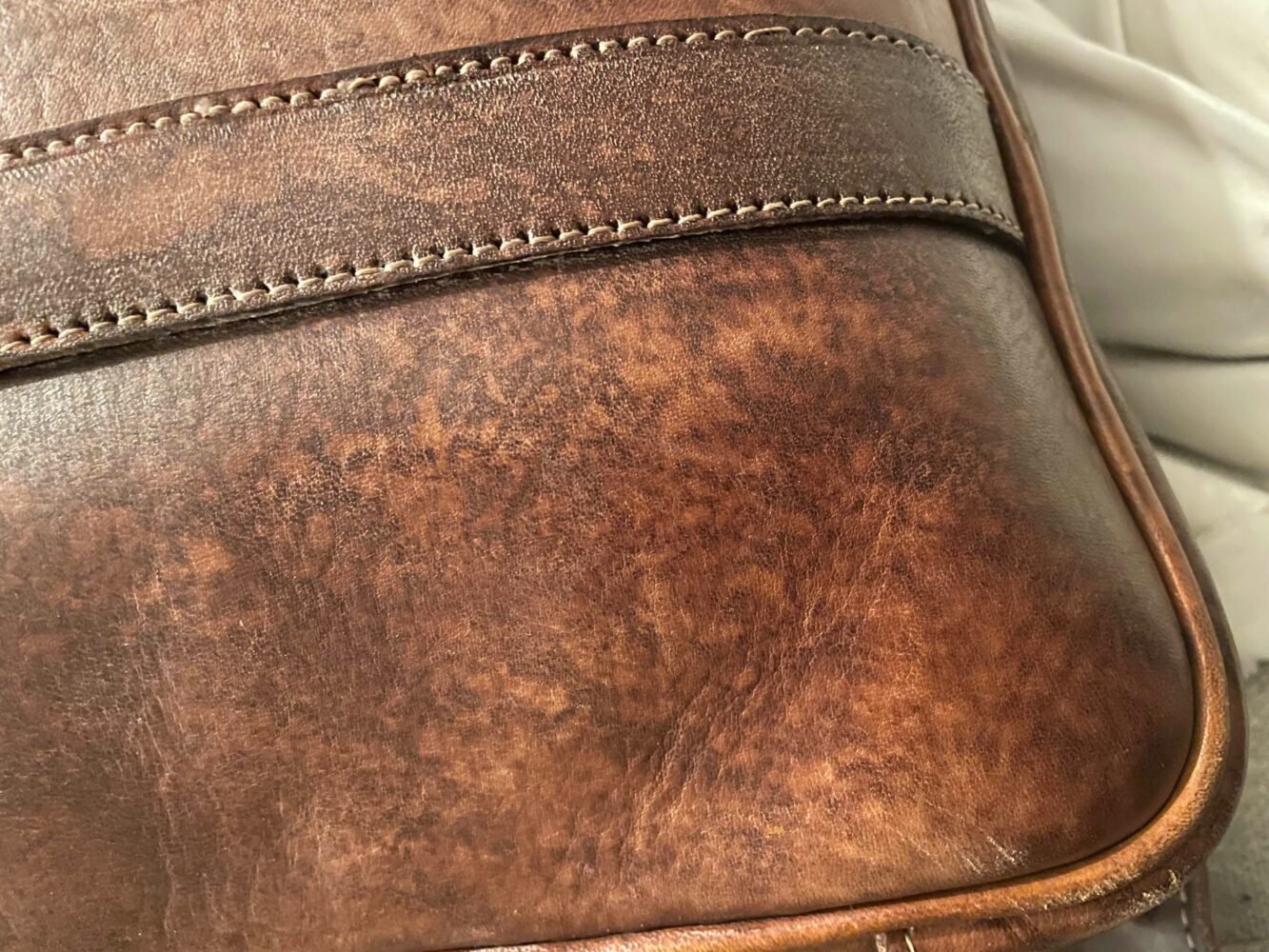
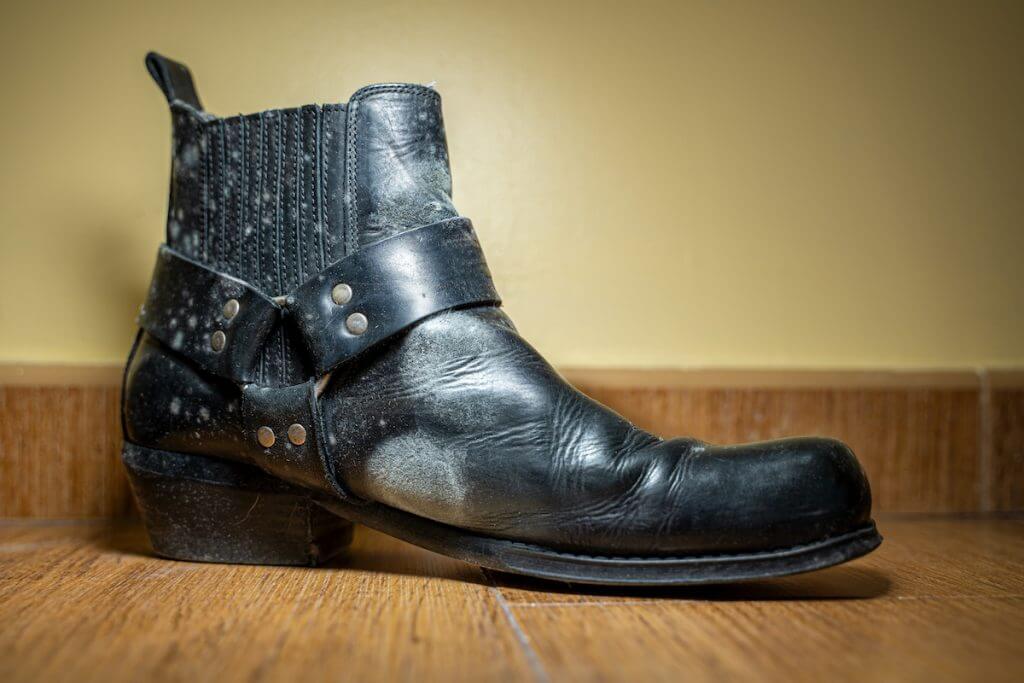
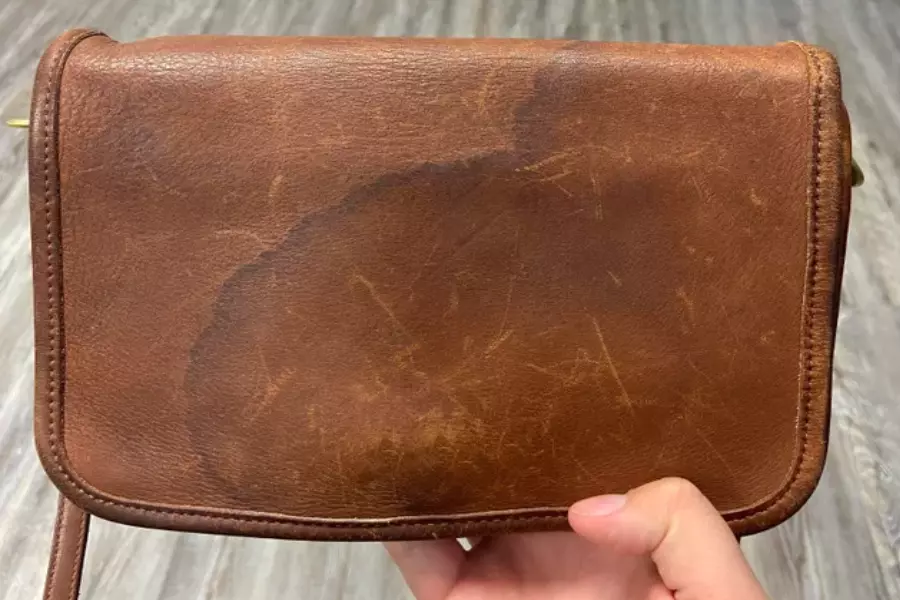
- Staining and Discoloration: Water itself can contain impurities. Furthermore, the dyes and finishes applied to leather are often water-soluble to some degree. When wet, these colorants can migrate, leading to uneven coloration, water spots, or the transfer of dye to other surfaces. This is particularly true for aniline-dyed leathers which have minimal surface protection.
- Stiffening Upon Drying: Perhaps the most commonly observed phenomenon is the stiffening of leather as it dries. As the water evaporates, the collagen fibers contract and can bond together in new, often undesirable configurations. Without proper care, this re-bonding can result in a stiff, brittle, and even cracked material. The natural oils and fats that lubricate the fibers during the tanning process can be displaced or washed out by water, contributing to this loss of suppleness.
The Role of Tanning and Finishing Processes
The extent to which these changes occur is heavily influenced by the type of tanning process and the finishing applied to the leather.
- Vegetable-Tanned Leather: This traditional method uses tannins derived from plants. It typically results in a firmer, more robust leather that often ages beautifully. However, it can be more prone to water spotting and, without proper re-oiling, can become very stiff upon drying.
- Chrome-Tanned Leather: This is the most common tanning method today. It produces a softer, more pliable, and generally more water-resistant leather. The chromium salts used in the process help to cross-link the collagen fibers, making them less susceptible to swelling and displacement. However, even chrome-tanned leather can be affected by prolonged or heavy saturation.
- Finishes: The top layer applied to leather, known as the finish, plays a crucial role in its water resistance. Pigmented finishes, which contain a layer of colorants and binders, offer a significant barrier against water penetration and staining. Aniline and semi-aniline finishes, which allow more of the natural grain to show through, offer less protection. Water-resistant coatings and sealants are also applied to enhance a leather’s ability to shed water.
Technological Innovations and Their Impact on Leather Care and Durability
The inherent properties of leather, particularly its response to moisture, have spurred significant technological advancements aimed at enhancing its durability, improving care routines, and even creating entirely new applications.
Advanced Water-Repellent Treatments and Coatings
The traditional methods of waterproofing leather often involved waxes and oils that could darken the material and alter its feel. Modern material science and nanotechnology have revolutionized these treatments.
- Nanotechnology-Based Repellents: These treatments utilize nanoscale particles (e.g., silica or fluoropolymers) that form a microscopic, invisible barrier on the leather’s surface. This barrier creates a high surface tension, causing water to bead up and roll off rather than penetrating the material. These treatments are often designed to be breathable, allowing moisture vapor from the inside of the leather to escape, preventing a “moisture trap” effect that can damage the material. Examples include highly engineered sprays and impregnation processes used by premium footwear and accessory manufacturers.
- Hydrophobic and Oleophobic Treatments: Beyond simply repelling water, advanced finishes can also impart oleophobicity, meaning they resist oils and greases. This is crucial for maintaining the aesthetic appeal of leather goods, as oil stains can be particularly stubborn. These treatments are often integrated into the finishing process during manufacturing, offering long-lasting protection.
- Smart Coatings and Self-Healing Materials: While still in developmental stages for widespread consumer applications, research is exploring “smart” coatings for leather that can respond to environmental conditions. This includes coatings that might dynamically adjust their water-repellent properties or even incorporate self-healing capabilities to repair minor scuffs and abrasions that can be exacerbated by moisture exposure.
Digital Tools for Leather Identification and Care Guidance
The digital revolution has also permeated the realm of leather care, offering consumers unprecedented access to information and personalized guidance.
- AI-Powered Material Identification: Sophisticated imaging and machine learning algorithms are being developed that can identify different types of leather (e.g., full-grain, top-grain, suede, nubuck) and even the specific tanning and finishing processes used. This identification is crucial because the best care methods vary significantly. An AI app, for instance, could analyze a photo of a leather item to determine its type and then recommend specific cleaning and conditioning products.
- Smart Care Apps and Digital Guides: Beyond identification, dedicated mobile applications are emerging that provide personalized care routines based on the identified leather type, the item’s age, and its usage history. These apps can send reminders for conditioning, suggest specific products for stain removal, and even offer step-by-step video tutorials for complex cleaning tasks. This democratizes expert leather care knowledge, making it accessible to everyone.
- IoT Integration for Garment Monitoring: In a more futuristic scenario, Internet of Things (IoT) sensors could be embedded in high-value leather garments or accessories. These sensors could monitor environmental factors like humidity and temperature, and even detect the presence of moisture. This data could then be transmitted to a user’s smartphone, alerting them to potential risks (e.g., “Your leather jacket has been exposed to significant rain”) and prompting preventative action.
Innovations in Leather Manufacturing and Alternative Materials
The understanding of how water affects traditional leather has also driven innovation in manufacturing processes and the development of novel materials.
- Advanced Water-Resistant Leather Manufacturing: Manufacturers are continually refining their tanning and finishing processes to create leather that is inherently more resistant to water damage. This includes new chemical formulations for tanning and improved application techniques for protective finishes that maintain breathability and natural feel.
- Synthetic and Engineered Leather Alternatives: The pursuit of materials with the aesthetics and feel of leather but with enhanced, predictable performance characteristics, particularly regarding moisture, has led to the development of advanced synthetic leathers and engineered bio-based materials. While not strictly “leather,” these innovations are often compared and contrasted with traditional leather’s performance, including its wetness response. Technologies like advanced polyurethane (PU) and polyvinyl chloride (PVC) coatings, as well as bio-engineered leathers derived from mycelium or plant fibers, are offering performance benefits that traditional leather may not always match, especially in challenging environmental conditions.
The Practical Implications: Protecting Your Valuables Through Informed Action
Understanding the science behind leather’s wetness response, coupled with the opportunities presented by modern technology, empowers consumers to make informed decisions that prolong the life and beauty of their leather goods.
Proactive Prevention Strategies
The adage “prevention is better than cure” is particularly relevant for leather.
- Pre-treatment and Protection: Investing in high-quality water-repellent sprays and conditioners before the first use of a new leather item is paramount. Utilizing AI-powered apps to identify the specific leather type ensures the selection of compatible products. Regular application, as recommended by the product or app, maintains the protective barrier.
- Strategic Material Selection: When purchasing leather goods, consider the intended use and environment. For items likely to encounter moisture (e.g., hiking boots, travel bags), opt for chrome-tanned leathers with robust, pigmented finishes or those explicitly marketed as water-resistant. For more delicate items, be prepared for more rigorous care.
- Awareness of Environmental Conditions: Pay attention to weather forecasts and the conditions your leather items will be exposed to. Carrying an umbrella for a leather briefcase or choosing alternative footwear during heavy rain are simple yet effective preventative measures.
Immediate Action When Leather Gets Wet
If your leather item does get wet, prompt and correct action can mitigate potential damage.
- Gentle Drying: Never use direct heat sources like radiators or hair dryers, as these can cause rapid, uneven drying, leading to cracking and stiffness. Instead, allow the item to air dry naturally at room temperature, away from direct sunlight.
- Absorb Excess Moisture: For shoes or bags, stuff them with absorbent paper (like newspaper or paper towels) to help draw out moisture from the inside. Replace the paper as it becomes damp.
- Maintain Shape: For garments or structured items, use shoe trees or shapers to help them retain their form during the drying process. This prevents creasing and stretching.
- Avoid Vigorous Rubbing: While tempting, vigorously rubbing wet leather can spread stains and damage the surface fibers.
Post-Drying Care and Restoration
Once the leather is thoroughly dry, a crucial step is to restore its suppleness and protective qualities.
- Conditioning is Key: As water can strip natural oils, conditioning is essential after drying. Use a high-quality leather conditioner appropriate for the type of leather. AI-powered apps can guide you in selecting the right product. Apply the conditioner evenly, allowing it to penetrate the fibers.
- Buffing and Polishing: After conditioning, gently buff the leather to restore its sheen and remove any excess product. For pigmented leathers, a matching color polish can help cover minor scuffs that may have appeared during the drying process.
- Addressing Stubborn Stains: If water spots or stains persist, consult your digital care guide or professional advice. Some stains might require specialized cleaning agents, but always test them on an inconspicuous area first.
The Future of Leather: A Tech-Augmented Lifespan
The interplay between the inherent properties of leather and technological innovation promises a future where our cherished leather possessions can enjoy an extended and more resilient lifespan. From nanotechnological coatings that offer superior water repellency to AI-driven care assistants that provide personalized guidance, technology is not just addressing the challenges posed by moisture but is actively enhancing the very nature and usability of leather. As material science continues to evolve, and as consumers become more tech-savvy in their approach to product care, the question of “what happens to leather when it gets wet?” will increasingly be answered with: “thanks to technology, it can handle it with greater grace and resilience than ever before.” This fusion of tradition and innovation ensures that the timeless appeal of leather can continue to be enjoyed in an ever-changing world.
aViewFromTheCave is a participant in the Amazon Services LLC Associates Program, an affiliate advertising program designed to provide a means for sites to earn advertising fees by advertising and linking to Amazon.com. Amazon, the Amazon logo, AmazonSupply, and the AmazonSupply logo are trademarks of Amazon.com, Inc. or its affiliates. As an Amazon Associate we earn affiliate commissions from qualifying purchases.