
The stair stepper, a popular piece of cardiovascular equipment found in gyms and home fitness setups alike, is often recognized for its distinctive motion simulating climbing stairs. However, its utility extends far beyond this basic visual resemblance. From a technological perspective, the stair stepper represents a clever integration of mechanical engineering and user-interface design, offering a scientifically-backed approach to fitness and well-being. Understanding what this machine does involves delving into its biomechanics, the underlying technology that powers its functionality, and the diverse applications it serves within the broader landscape of personal and therapeutic technology.
The Biomechanical Engineering of Stair Stepping
At its core, the stair stepper’s effectiveness lies in its sophisticated simulation of the natural human gait, specifically the act of ascending stairs. This process, when replicated mechanically, engages a wide array of muscle groups and cardiovascular systems in a manner that is both efficient and often less impactful on the joints than other forms of high-intensity cardio.
Simulating the Natural Gait: A Mechanical Marvel
The fundamental action of a stair stepper is to mimic the upward and downward movement of the legs and hips during stair climbing. This involves a cyclical motion where the user steps up and down, either on independent pedals or a continuous belt mechanism. The design of the pedals or steps is crucial. They are typically angled to encourage a natural range of motion, promoting hip flexion and extension, knee bending, and ankle dorsiflexion and plantarflexion. Unlike running or jogging, where there is a significant vertical impact force transmitted through the skeletal system, stair stepping generally involves a more controlled, linear motion. This reduced impact is a key technological advantage, making it accessible to individuals with joint issues or those recovering from injuries.
Muscle Engagement: A Comprehensive Workout
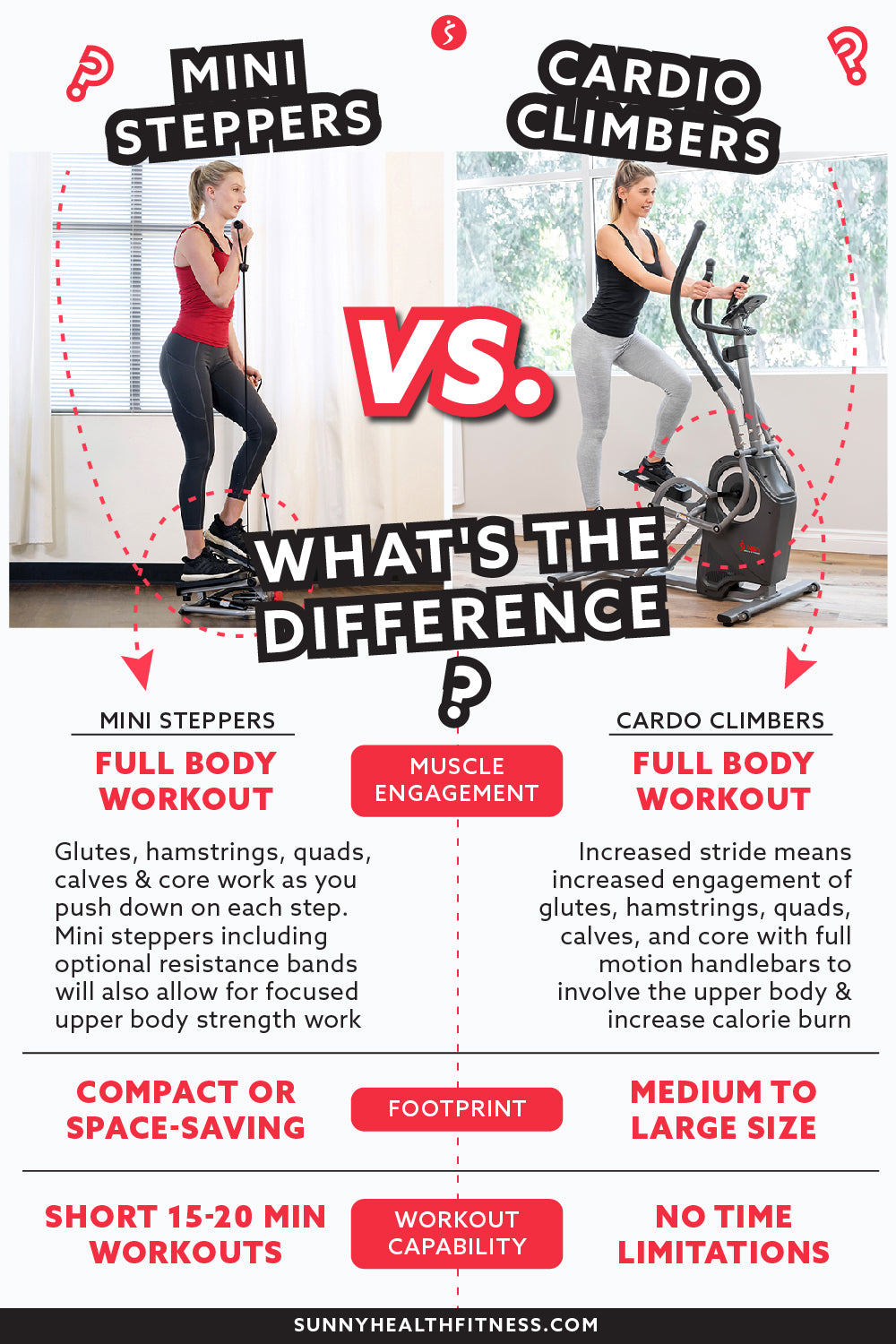
The stair stepper is a powerhouse for lower body and core muscle activation. The primary muscles targeted include:
- Quadriceps: These large muscles on the front of the thigh are heavily engaged during the extension phase of the leg as the user pushes off to ascend.
- Gluteals (Glutes): Both the gluteus maximus and medius are crucial for hip extension and stabilization, providing the primary power for the upward movement. The stair stepper’s motion effectively isolates and strengthens these important muscles.
- Hamstrings: Located at the back of the thigh, the hamstrings assist in the bending of the knee and the pulling motion of the leg as it comes up.
- Calves (Gastrocnemius and Soleus): These muscles in the lower leg are engaged during the push-off phase and contribute to ankle stability.
- Core Muscles (Abdominals and Lower Back): To maintain an upright posture and balance during the stepping motion, the core muscles are constantly engaged, providing stability and preventing the torso from swaying excessively.
The controlled nature of the movement allows for a focus on proper form, ensuring that these muscle groups are effectively worked without undue strain. The technology embedded within modern stair steppers often allows for variations in stride length and resistance, further tailoring the muscle engagement to specific training goals.
Cardiovascular and Respiratory Benefits: The Engine Room
Beyond muscular engagement, the stair stepper is an exceptional tool for enhancing cardiovascular and respiratory health. The continuous, rhythmic nature of the exercise elevates the heart rate, prompting the cardiovascular system to work more efficiently.
- Improved Aerobic Capacity: Regular use of a stair stepper strengthens the heart muscle, enabling it to pump more blood with each beat. This leads to a lower resting heart rate and improved endurance.
- Enhanced Lung Function: The body’s demand for oxygen increases during stair stepping, leading to more efficient oxygen uptake and carbon dioxide expulsion. Over time, this can improve lung capacity and overall respiratory efficiency.
- Calorie Expenditure: The stair stepper is a highly effective calorie-burning machine. The intensity of the workout, coupled with the engagement of large muscle groups, leads to significant energy expenditure, making it a valuable tool for weight management and fat loss. The technology in modern machines often provides real-time calorie burn estimations, allowing users to track their progress.
Technological Advancements in Stair Stepper Design
The evolution of the stair stepper from basic mechanical contraptions to sophisticated fitness devices is a testament to advancements in engineering and embedded technology. These innovations have not only enhanced user experience but have also provided more precise and adaptable training options.
Interactive Displays and Performance Tracking

Modern stair steppers are equipped with advanced digital consoles that go far beyond simple timers. These consoles serve as the technological interface, providing users with a wealth of data and interactive features.
- Real-Time Metrics: Users can monitor crucial performance indicators such as time, distance, speed (often translated into virtual steps per minute), calories burned, and heart rate. Many machines integrate with wireless heart rate monitors or feature built-in grip sensors for continuous cardiac monitoring.
- Pre-programmed Workouts: A significant technological feature is the inclusion of pre-programmed workout routines. These routines can vary in intensity, duration, and target goals (e.g., interval training, fat burn, endurance). They are designed by fitness professionals and offer a structured approach to training, removing the guesswork for the user.
- Customizable Programs: Advanced models allow users to create and save their own custom workout programs, adjusting resistance levels, step heights, and intervals to match their specific fitness level and objectives. This personalization is a key technological advantage in optimizing training outcomes.
- Connectivity and Data Integration: The latest generation of stair steppers often features Bluetooth or Wi-Fi connectivity. This allows them to sync with fitness apps, smartwatches, and online fitness platforms. Users can seamlessly upload their workout data for long-term tracking, analysis, and social sharing, fostering accountability and motivation. This integration transforms the stair stepper from a standalone piece of equipment into a node within a larger digital health ecosystem.
Resistance Mechanisms and Stride Adjustability
The ability to vary the intensity of the workout is paramount for progressive training and catering to different fitness levels. The technology behind the resistance mechanisms and stride adjustments on stair steppers plays a crucial role in this.
- Electromagnetic Resistance: Many high-end stair steppers utilize electromagnetic resistance systems. This technology allows for smooth, consistent, and precise control over the workload. The resistance can be adjusted electronically via the console, offering a wide range of difficulty levels. This system is often quieter and more durable than traditional mechanical resistance methods.
- Hydraulic Resistance: Older or more basic models might use hydraulic cylinders to provide resistance. While less electronically controlled, these systems still offer a smooth and effective workout, though the adjustment of resistance might be manual or through a limited digital interface.
- Adjustable Stride Length: Some technologically advanced stair steppers offer adjustable stride length. This feature allows users to customize the range of motion of their legs and hips, mimicking different stair heights or focusing on different muscle groups. A longer stride can engage the glutes and hamstrings more intensely, while a shorter stride might be more focused on quadriceps engagement. This adaptability is a direct outcome of clever mechanical and electronic engineering.
- Artificial Intelligence and Adaptive Training: Emerging technologies are beginning to integrate AI into fitness equipment. While not yet widespread in stair steppers, the potential exists for AI-driven machines that can analyze a user’s performance in real-time and automatically adjust resistance and speed to optimize the workout for their current fitness level and goals. This adaptive training approach represents the next frontier in fitness technology.
Therapeutic and Rehabilitative Applications
The gentle, low-impact nature of stair stepping, combined with its targeted muscle engagement, makes it an invaluable tool in physical therapy and rehabilitation settings. The technology of the stair stepper, when applied thoughtfully, can aid in recovery and improve functional mobility.
Low-Impact Cardiovascular Conditioning
For individuals who cannot tolerate high-impact exercises due to conditions such as osteoarthritis, fibromyalgia, or past injuries, the stair stepper offers a safe and effective way to maintain cardiovascular health. The controlled motion reduces stress on the knees, hips, and ankles, minimizing pain and discomfort.
- Joint Preservation: By absorbing much of the impact through the machine’s mechanism, the stair stepper allows users to elevate their heart rate and improve circulation without exacerbating existing joint pain or risking further damage. This is a direct benefit of the biomechanical design and engineering.
- Gradual Progression: Physical therapists can utilize the adjustable resistance and speed settings to gradually increase the intensity of the workout as a patient’s strength and endurance improve. This controlled progression is a key aspect of successful rehabilitation protocols.
Strengthening and Mobility Restoration
The stair stepper is instrumental in restoring strength and mobility to the lower body and core. This is particularly important after surgery or injury that may have led to muscle atrophy or reduced range of motion.
- Muscle Re-education and Strengthening: The rhythmic stepping motion helps to re-educate muscles that may have become inactive or weak. By repeatedly engaging the quadriceps, glutes, hamstrings, and calf muscles, the stair stepper aids in rebuilding strength and muscle mass.
- Improving Range of Motion: The consistent movement pattern can help to gradually improve the flexibility and range of motion in the hips, knees, and ankles. As users become more comfortable, they can often increase their stride length or cadence, further promoting mobility.
- Balance and Proprioception: The act of stepping and maintaining balance on the machine helps to improve proprioception – the body’s awareness of its position in space. This can be crucial for preventing falls and improving overall functional movement in daily life. The stability offered by the machine’s platform, a design consideration rooted in engineering, is essential for this.

Functional Movement Training
The stair stepper’s primary function is to replicate a fundamental human movement. This makes it an excellent tool for functional movement training, preparing individuals for the demands of everyday activities.
- Gait Training: For individuals recovering from neurological conditions or strokes, the stair stepper can be used as a component of gait training, helping to re-establish a regular and controlled walking pattern.
- Preparation for Daily Activities: The ability to ascend stairs is a crucial aspect of independent living. Regular use of a stair stepper can help individuals build the strength and endurance required to perform this everyday task with greater ease and confidence. The technological precision of the equipment ensures that the simulated movement is consistent and effective for building this functional capacity.
In conclusion, the stair stepper is far more than a simple exercise machine. It is a sophisticated piece of fitness technology that leverages biomechanical principles to provide a comprehensive and adaptable workout. Its ability to simulate a natural human movement, combined with advancements in digital interfaces, resistance mechanisms, and connectivity, makes it a powerful tool for cardiovascular conditioning, strength building, calorie expenditure, and even therapeutic rehabilitation. The “what does the stair stepper do” question is best answered by acknowledging its technological prowess in enhancing human health and performance across a diverse range of applications.
aViewFromTheCave is a participant in the Amazon Services LLC Associates Program, an affiliate advertising program designed to provide a means for sites to earn advertising fees by advertising and linking to Amazon.com. Amazon, the Amazon logo, AmazonSupply, and the AmazonSupply logo are trademarks of Amazon.com, Inc. or its affiliates. As an Amazon Associate we earn affiliate commissions from qualifying purchases.