
Goose liver, or foie gras, is a culinary delicacy that evokes a spectrum of reactions, from passionate adoration to strong ethical debate. Beyond the immediate sensory experience, however, lies a complex and compelling brand narrative. This article delves into the brand identity of goose liver, exploring how it has been cultivated, perceived, and marketed to occupy a distinct and often aspirational space in the global culinary landscape. We will dissect the elements that contribute to its premium positioning, the marketing strategies that reinforce its exclusivity, and the enduring brand perception it commands.
The Genesis of a Luxury Brand: Heritage and Craftsmanship
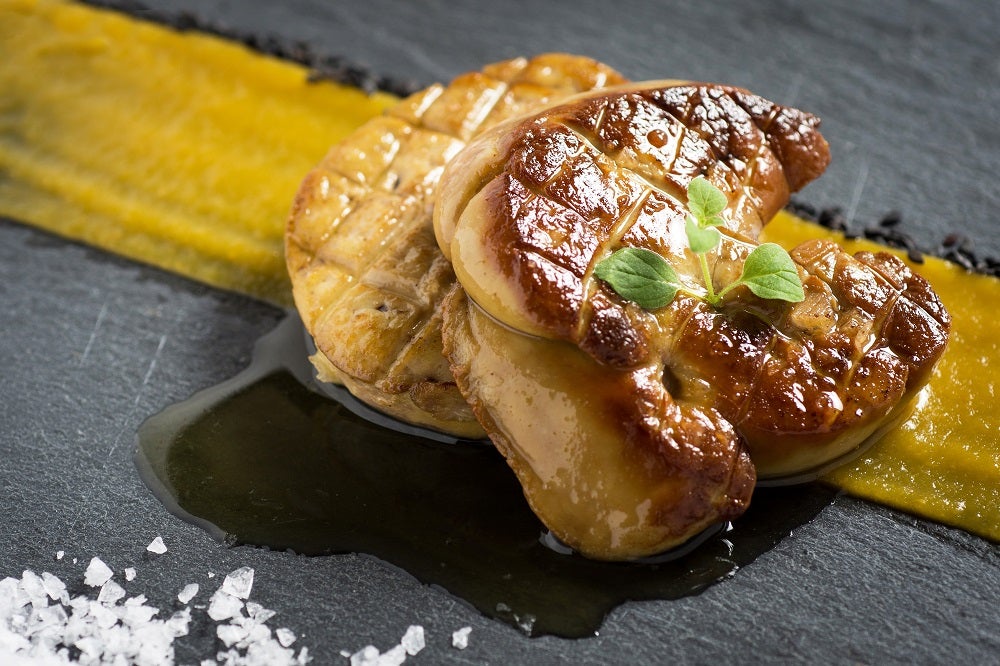
The allure of goose liver as a luxury item is deeply rooted in its historical origins and the meticulous craftsmanship involved in its production. This heritage forms the bedrock of its brand identity, lending it an aura of tradition, authenticity, and artisanal excellence.
A Legacy Etched in Culinary History
The practice of gavage, the force-feeding of geese to enlarge their livers, dates back to ancient Egypt. From there, it spread through Roman and European culinary traditions, becoming an integral part of the gastronomic heritage of regions like France, Hungary, and Alsace. This long and storied history imbues goose liver with a sense of timelessness. It’s not a fleeting trend; it’s a culinary institution, a testament to generations of accumulated knowledge and refinement. This historical depth provides a powerful narrative for the brand, appealing to consumers who value tradition, authenticity, and products with a rich lineage. The very word “foie gras,” French for “fatty liver,” speaks to its established place within a celebrated culinary language, further solidifying its brand association with French gastronomy, a globally recognized symbol of quality and refinement.
The Art of Production: A Commitment to Quality
The production of high-quality goose liver is an intricate process that demands patience, expertise, and a deep understanding of animal husbandry. While controversial, the methods employed by reputable producers are often presented as a form of dedicated craftsmanship. This narrative focuses on the meticulous care given to the birds, the specific diets, and the precise timing of harvesting. Brands associated with goose liver often emphasize this artisanal aspect, highlighting the skill and dedication of the farmers and producers. This focus on craftsmanship distinguishes goose liver from mass-produced food items, positioning it as a product of passion and dedication. The inherent labor-intensive nature of its production justifies its premium price point and reinforces its brand image as something special, requiring not just resources but also a significant investment of time and skill. This “labor of love” narrative is a crucial component in building consumer trust and justifying the luxury status of the product.
Crafting Exclusivity: The Marketing and Positioning of Goose Liver
The perceived value and desirability of goose liver are not merely inherent; they are meticulously constructed through sophisticated branding and marketing strategies that emphasize exclusivity, refinement, and sensory delight.
The Aura of the Elite: Scarcity and Aspiration
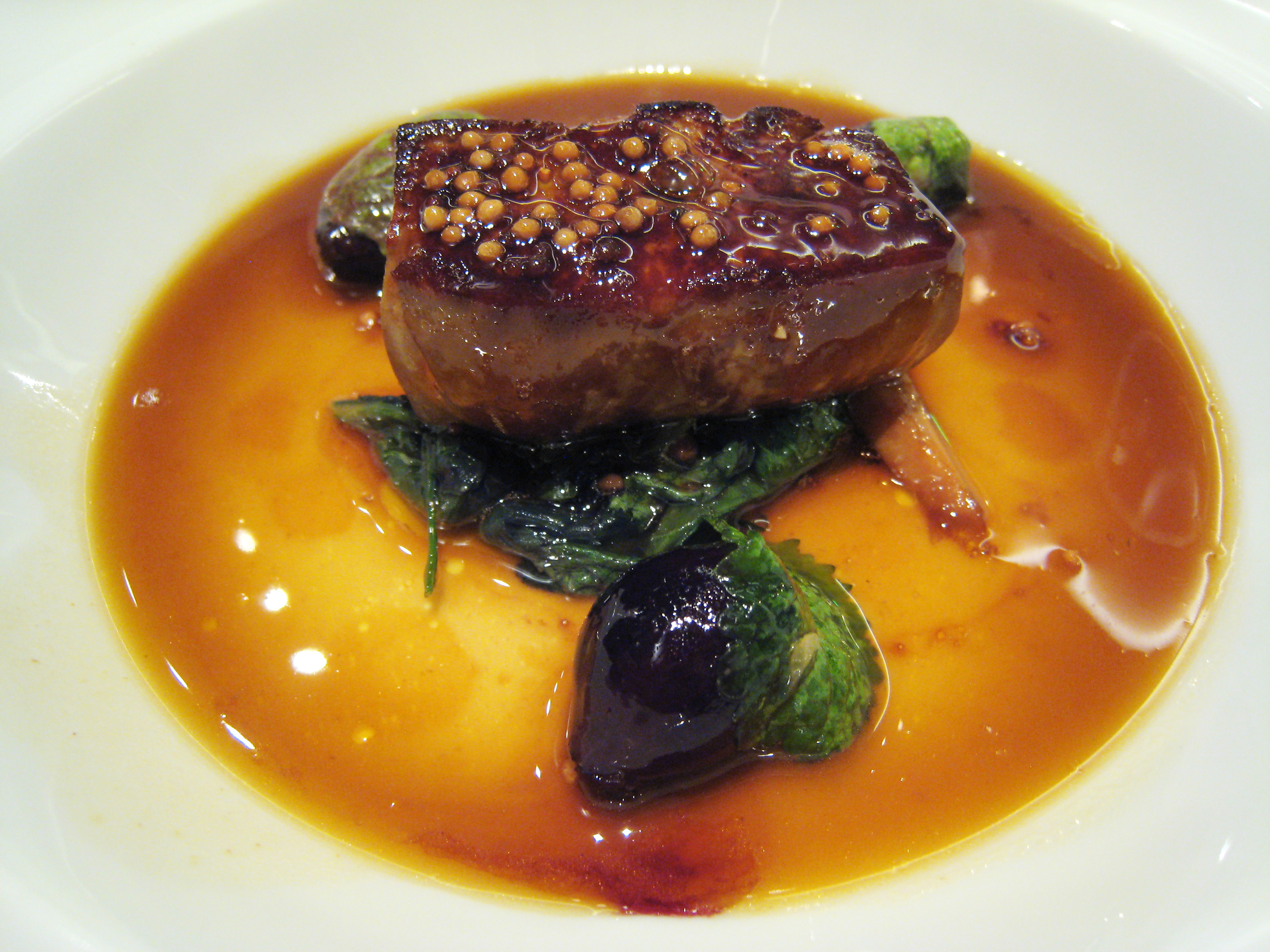
Goose liver is deliberately positioned as an aspirational product, a symbol of sophisticated taste and a certain lifestyle. Its production is inherently limited, and the meticulous process ensures that it remains a niche offering. This inherent scarcity is amplified through marketing. It is rarely found in everyday supermarkets, instead gracing the menus of Michelin-starred restaurants, upscale delicatessens, and specialty food purveyors. This strategic placement creates an aura of exclusivity, making it a coveted item for those seeking a premium culinary experience. The marketing often employs imagery of opulence, celebration, and refined dining, associating goose liver with moments of indulgence and special occasions. This deliberate association taps into consumers’ desires for elevated experiences and signals that consumption of goose liver is a mark of discerning taste and social standing. The brand message is clear: this is not for everyone, and that exclusivity is precisely what makes it desirable.
The Sensory Symphony: Evoking Pleasure Through Language and Imagery
The marketing of goose liver focuses heavily on evoking the sensory pleasure it offers. Descriptions often employ rich and evocative language to describe its texture, flavor, and aroma. Words like “velvety,” “buttery,” “rich,” “melt-in-your-mouth,” and “exquisite” are commonly used to paint a picture of an unparalleled culinary experience. Visual branding also plays a crucial role, with imagery often featuring beautifully plated dishes, elegant table settings, and discerning diners. This carefully curated sensory appeal aims to create anticipation and desire, inviting consumers to imagine themselves indulging in its unique pleasures. The brand actively cultivates an emotional connection by associating goose liver with feelings of luxury, indulgence, and celebration. This sensory marketing goes beyond simply describing a taste; it sells an experience, a feeling, and a moment of pure gastronomic delight, making it a powerful tool in solidifying its premium brand perception.
Navigating the Nuances: Brand Perception and Ethical Considerations
The brand identity of goose liver is not without its complexities. While its luxury status is well-established, ongoing ethical debates and evolving consumer consciousness present significant challenges that brands must navigate.
The Double-Edged Sword: Consumer Perception of Quality vs. Controversy
Goose liver commands a strong positive brand perception among those who appreciate its culinary merits. For these consumers, it represents the pinnacle of gastronomic achievement, a taste sensation that is unparalleled. However, this perception exists alongside growing awareness and concern regarding the ethical implications of its production. The practice of gavage, while defended by some as a time-honored tradition that produces a unique product, is viewed by others as inhumane and cruel. This creates a challenging duality for the brand. While some marketing efforts focus on the sensory pleasure and tradition, others are forced to address or deflect the ethical criticisms. Brands that actively engage with these concerns often do so by emphasizing alternative, more “ethical” production methods, or by highlighting strict welfare standards. Nevertheless, the controversy remains an intrinsic part of the goose liver brand, influencing consumer choices and shaping public discourse around the product.
Adapting to a Conscious Market: Evolution of Brand Messaging
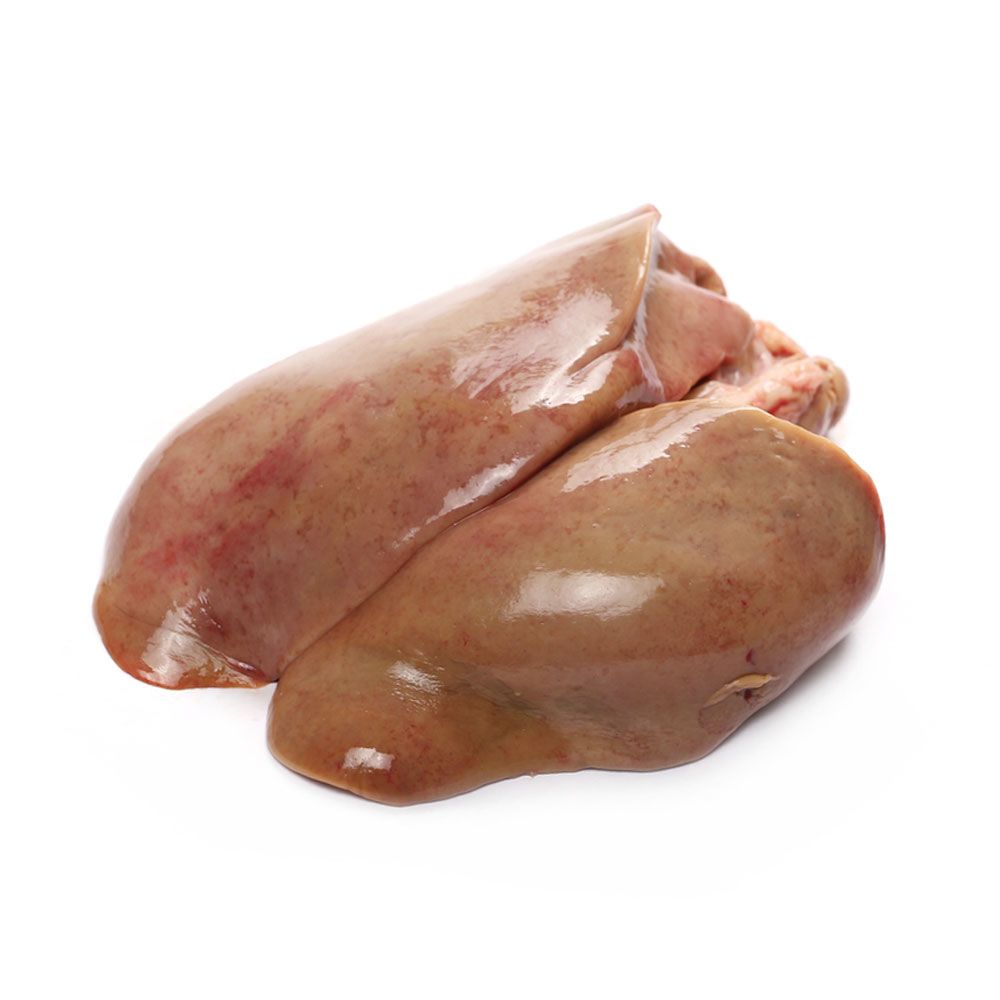
In response to evolving consumer values and ethical considerations, brands associated with goose liver are increasingly adapting their messaging. There is a growing emphasis on transparency regarding production methods, with some producers highlighting their commitment to animal welfare and sustainable practices. While the core appeal of luxury and indulgence remains, there is a subtle shift towards framing goose liver as a product that can be enjoyed responsibly. This might involve promoting smaller portions, highlighting its role in celebratory meals rather than everyday consumption, or emphasizing the limited quantities produced. Furthermore, some brands are investing in research and development to explore alternative methods of liver enrichment that may be perceived as more humane, thereby attempting to mitigate the negative ethical associations. This strategic evolution of brand messaging is crucial for maintaining relevance and appeal in a marketplace that is increasingly driven by ethical considerations, ensuring the long-term viability of the goose liver brand.
aViewFromTheCave is a participant in the Amazon Services LLC Associates Program, an affiliate advertising program designed to provide a means for sites to earn advertising fees by advertising and linking to Amazon.com. Amazon, the Amazon logo, AmazonSupply, and the AmazonSupply logo are trademarks of Amazon.com, Inc. or its affiliates. As an Amazon Associate we earn affiliate commissions from qualifying purchases.