
The automotive world is a complex ecosystem of manufacturers, models, and an ever-increasing array of features and specifications. For the average car buyer, navigating this landscape can often feel like deciphering a secret code. One common point of confusion arises when encountering trim level designations, particularly abbreviations like “EX.” While seemingly straightforward, the meaning of “EX” on a car can vary significantly depending on the manufacturer, and even the specific model within that manufacturer’s lineup. Understanding these designations is crucial, not just for making an informed purchase decision, but also for appreciating the nuances of automotive engineering and marketing.
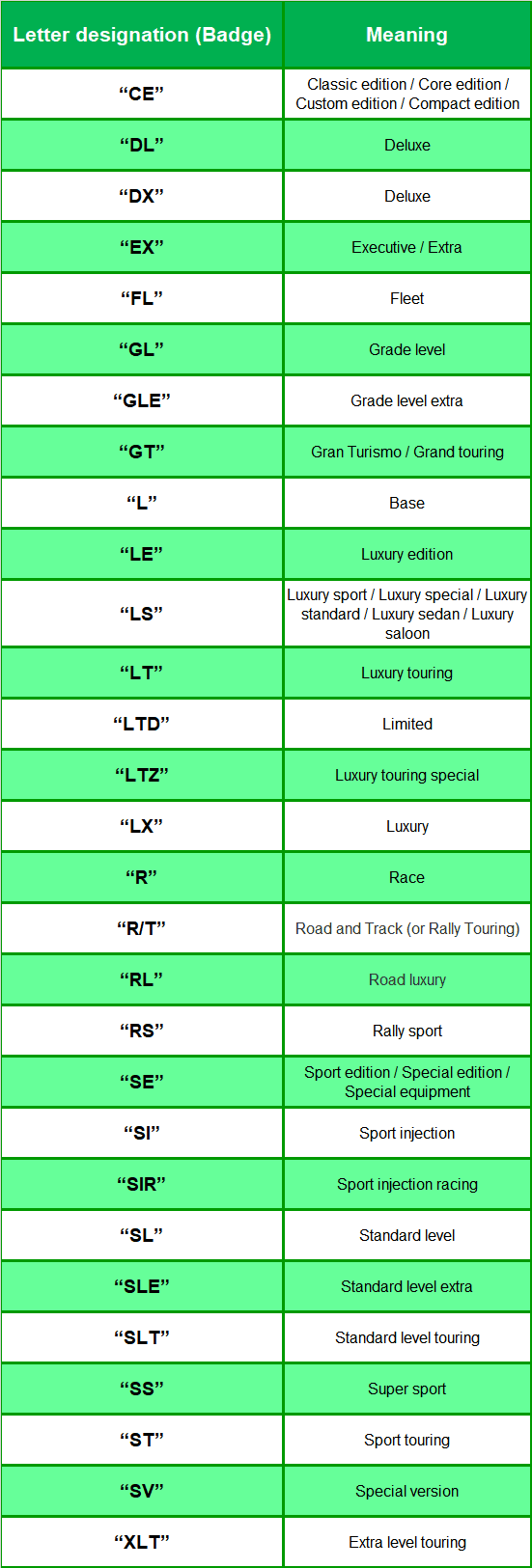
This exploration delves into the common interpretations of “EX” in the context of car trim levels, shedding light on what these letters typically signify in terms of features, technology, and overall value proposition. We’ll aim to demystify this automotive shorthand, empowering consumers with the knowledge to better understand the vehicles they are considering and the automotive industry’s approach to product differentiation.
The Hierarchy of Automotive Trims: Understanding “EX” in Context
Automotive manufacturers employ trim levels as a fundamental strategy to segment their vehicle offerings and cater to a diverse range of customer preferences and budgets. These trims represent different tiers of features, amenities, performance, and styling. While base models offer essential functionality, higher trims progressively add more sophisticated technology, comfort features, and aesthetic enhancements. The “EX” designation typically falls somewhere in the mid-to-upper range of these trim hierarchies, suggesting a step up from entry-level options without necessarily reaching the pinnacle of luxury or performance.
Beyond the Base: What “EX” Usually Implies
When you see “EX” appended to a car model name, it generally signifies a vehicle that is a step above the most basic or “LX” (Luxury) trim. This is particularly prevalent in Asian automotive brands, such as Honda and Kia, where “EX” has become a recognizable indicator of enhanced equipment and features. It suggests a more well-rounded package, designed to offer a compelling blend of value and sophistication.
Enhanced Comfort and Convenience Features
A primary differentiator for EX trims often lies in the inclusion of comfort and convenience features that are absent in lower-tier models. This can manifest in several ways:
- Interior Appointments: Expect upgraded seat materials, potentially including cloth with a more premium feel or even partial leather or leatherette. Heated front seats are also a common addition at this level, providing welcome comfort in colder climates. Power-adjustable driver’s seats are another frequent upgrade, offering greater flexibility in finding the optimal driving position.
- Climate Control: While base models might have manual air conditioning, EX trims often boast automatic climate control systems. These allow the driver to set a desired temperature, and the system will automatically adjust fan speed and air distribution to maintain it. Dual-zone climate control, allowing for different temperature settings for the driver and front passenger, is also a possibility at this trim level.
- Infotainment and Connectivity: This is where technology often takes a significant leap. EX models are likely to feature larger touchscreens for the infotainment system, offering more intuitive control over audio, navigation, and vehicle settings. Enhanced audio systems with more speakers and improved sound quality are also common. Keyless entry and push-button start become standard, simplifying access and ignition. Smartphone integration via Apple CarPlay and Android Auto is almost a given at this trim level, allowing seamless connection and access to familiar apps and features. USB ports are also likely to be more numerous and strategically placed.
- Power Features: Beyond the driver’s seat, power windows and power door locks are standard. Depending on the model, you might also find a power sunroof or moonroof, adding an element of open-air driving and enhancing the cabin’s ambiance. Power-operated trunk or liftgate, with some models even offering hands-free operation, further contributes to the convenience factor.
Exterior Enhancements and Styling Cues
The “EX” designation also often translates to a more polished and visually appealing exterior. Manufacturers use these trims to differentiate their vehicles aesthetically, appealing to buyers who value both substance and style.
- Wheels: While base models might come with steel wheels with plastic covers, EX trims typically feature alloy wheels, which are lighter, stronger, and offer a more attractive appearance. The size of the alloy wheels may also be larger than on lower trims, contributing to a sportier stance.
- Lighting: Upgraded lighting elements are a common feature. This can include more sophisticated headlight designs, often incorporating LED daytime running lights (DRLs) for improved visibility and a modern look. Fog lights are frequently included, enhancing visibility in poor weather conditions.
- Chrome Accents and Trim: Subtle yet impactful exterior styling cues often set EX models apart. This can include chrome accents on the grille, window surrounds, or door handles, adding a touch of sophistication. Body-colored side mirrors and door handles contribute to a more cohesive and upscale appearance.
- Aerodynamic Elements: In some cases, EX trims might include minor aerodynamic enhancements like a rear spoiler or a more sculpted front bumper, contributing to a sportier look and potentially subtle improvements in fuel efficiency or stability.
Technology Integration: The Digital Advantage of “EX” Trims
In today’s automotive market, technology is a significant driving force behind purchasing decisions. The “EX” trim level often serves as a gateway to a more digitally integrated and technologically advanced driving experience. Manufacturers strategically bundle these features to appeal to a broad segment of consumers who desire modern conveniences and connectivity.

Advanced Driver-Assistance Systems (ADAS)
While not always exclusively found on EX trims, the likelihood of encountering a suite of Advanced Driver-Assistance Systems (ADAS) increases significantly at this level. These systems are designed to enhance safety and reduce driver fatigue by providing assistance in various driving scenarios.
- Adaptive Cruise Control (ACC): This intelligent system automatically adjusts the vehicle’s speed to maintain a set following distance from the car ahead. This significantly reduces the burden on the driver during long highway journeys and in stop-and-go traffic.
- Lane Keeping Assist (LKA) and Lane Departure Warning (LDW): LDW alerts the driver if the vehicle begins to drift out of its lane unintentionally. LKA goes a step further by providing gentle steering input to help keep the vehicle centered within its lane.
- Blind Spot Monitoring (BSM) and Rear Cross-Traffic Alert (RCTA): BSM warns the driver of vehicles in their blind spots, making lane changes safer. RCTA alerts the driver to approaching traffic when backing out of a parking space.
- Automatic Emergency Braking (AEB): This system can detect potential frontal collisions and automatically apply the brakes if the driver doesn’t react in time, potentially mitigating or avoiding an accident.
- Forward Collision Warning (FCW): This system warns the driver of an imminent frontal collision, providing an audible or visual alert to prompt evasive action.
Enhanced Infotainment and Connectivity
As touched upon earlier, the infotainment system is a central hub of technology in modern vehicles, and EX trims typically offer a more robust and user-friendly experience.
- Larger Touchscreen Displays: The size of the central touchscreen display is often a key differentiator. EX trims usually feature larger screens (e.g., 8-inch or 9-inch) compared to the smaller displays found on base models.
- Intuitive User Interfaces: Manufacturers invest in designing intuitive and easy-to-navigate infotainment systems. This includes clear menu structures, responsive touch controls, and well-organized features.
- Integrated Navigation: While many drivers rely on their smartphones for navigation, some EX trims offer built-in GPS navigation systems, providing an alternative and often more integrated solution.
- Premium Audio Systems: Beyond basic speaker setups, EX trims may feature upgraded audio systems from reputable brands, offering a richer and more immersive listening experience for music and podcasts.
- Voice Recognition: Advanced voice recognition capabilities allow drivers to control various vehicle functions, such as making calls, changing radio stations, or adjusting climate settings, without taking their hands off the wheel.
- Wireless Charging Pads: The convenience of wireless charging for compatible smartphones is becoming increasingly common, and EX trims are a likely place to find this feature.
The Value Proposition: “EX” as a Sweet Spot in the Market
The “EX” trim level often represents a strategic sweet spot in a vehicle’s model lineup, offering a compelling balance of features, technology, and price that appeals to a broad spectrum of buyers. It aims to provide a significantly enhanced ownership experience compared to base models without venturing into the premium pricing territory of the highest-end trims.
Balancing Cost and Capability
The primary allure of the EX trim lies in its ability to deliver a substantial upgrade in features and amenities without a prohibitive price increase. Manufacturers carefully curate the content of each trim level to create distinct value propositions. For the EX trim, this often means providing the most sought-after features and technologies that consumers desire, making it a popular choice for those who want a well-equipped vehicle that feels more premium and enjoyable to drive.
- Targeting the Mainstream Buyer: The EX trim is often designed with the mainstream car buyer in mind. These individuals typically seek a reliable and comfortable vehicle that offers modern conveniences and safety features but may not necessarily require the absolute cutting-edge technology or bespoke luxury found in top-tier trims.
- Competitive Pricing: While more expensive than base models, EX trims are generally priced competitively within their segment. This makes them an attractive option for buyers looking to maximize value for their money. The added features and technologies justify the price difference, offering a tangible return on investment in terms of comfort, convenience, and safety.
- Resale Value Considerations: Vehicles equipped with a higher number of desirable features, such as those found in EX trims, often hold their resale value better than their more sparsely equipped counterparts. This is because the features that were appealing to the original buyer are also likely to be appealing to subsequent owners.
Differentiating Within a Model Lineup
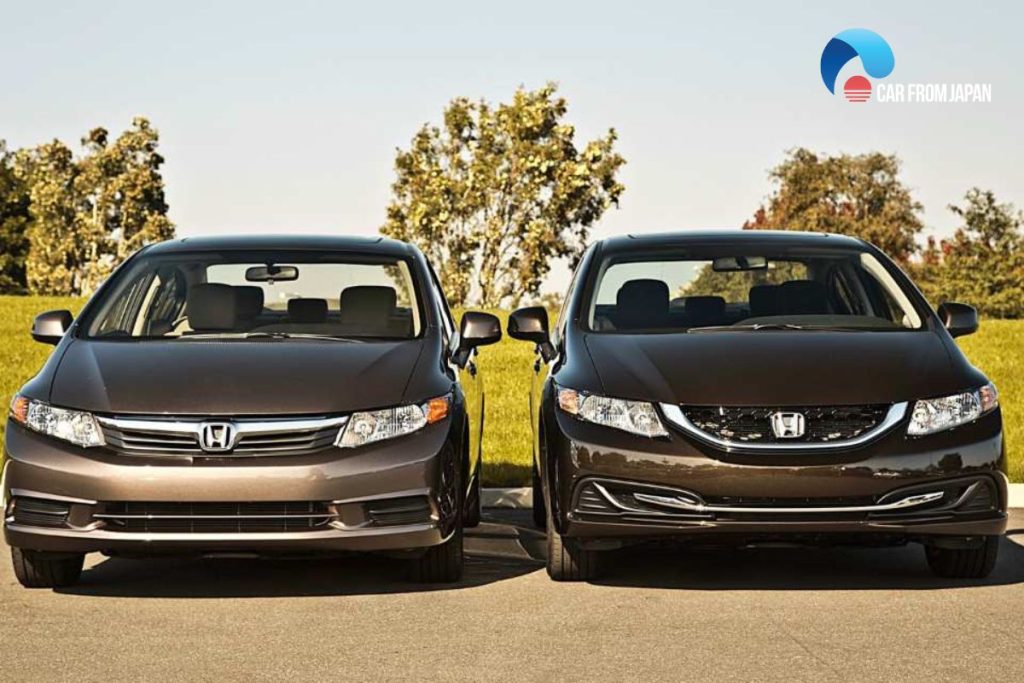
For manufacturers, trim levels like “EX” are essential tools for segmenting their offerings and maximizing sales across different customer demographics. By creating distinct tiers of features, they can cater to a wider range of preferences and budgets, ensuring that their models remain competitive in a crowded market.
- Tiered Feature Packaging: The “EX” designation is part of a broader strategy of tiered feature packaging. Manufacturers carefully select which features to include in each trim to create clear distinctions and encourage upward upgrades. The EX trim often serves as a significant upgrade point, enticing buyers to move beyond the most basic configuration.
- Marketing and Branding: The “EX” label itself becomes a recognizable brand element within a manufacturer’s portfolio. Over time, consumers associate “EX” with a certain level of quality, features, and value, influencing their purchasing decisions. This familiarity and established reputation contribute to the trim’s success.
- Avoiding Feature Bloat: While manufacturers want to offer desirable features, they also need to avoid overwhelming buyers with too many options and prohibitively high prices. The EX trim strikes a balance, offering a comprehensive yet manageable package of features that appeals to the majority of potential customers.
In conclusion, “EX” on a car typically signifies a mid-to-upper trim level that offers a significant upgrade over base models. It’s a designation that usually brings enhanced comfort, convenience, exterior styling, and a notable increase in technology integration, particularly in the realm of infotainment and driver-assistance systems. While the exact features can vary by manufacturer and model, understanding the general implications of the “EX” trim can empower consumers to make more informed decisions and better appreciate the value proposition offered by modern automotive engineering. It represents a popular and often intelligent choice for buyers seeking a well-equipped and satisfying driving experience without venturing into the highest echelons of automotive pricing.
aViewFromTheCave is a participant in the Amazon Services LLC Associates Program, an affiliate advertising program designed to provide a means for sites to earn advertising fees by advertising and linking to Amazon.com. Amazon, the Amazon logo, AmazonSupply, and the AmazonSupply logo are trademarks of Amazon.com, Inc. or its affiliates. As an Amazon Associate we earn affiliate commissions from qualifying purchases.