
In the complex and often demanding world of commercial trucking, specific terminology abounds, reflecting the unique challenges and operational realities faced by drivers and logistics professionals. Among these terms, “deadhead” stands out as a crucial concept, directly impacting the profitability, efficiency, and overall success of trucking operations. Understanding deadheading is not just a matter of linguistic curiosity; it’s fundamental to comprehending the financial dynamics of the industry and the strategies employed by businesses to maximize their returns. This article delves into the meaning of deadhead in trucking, exploring its financial implications, the factors contributing to it, and the strategies employed to mitigate its negative effects, all through the lens of Money.
The Financial Impact of Deadheading
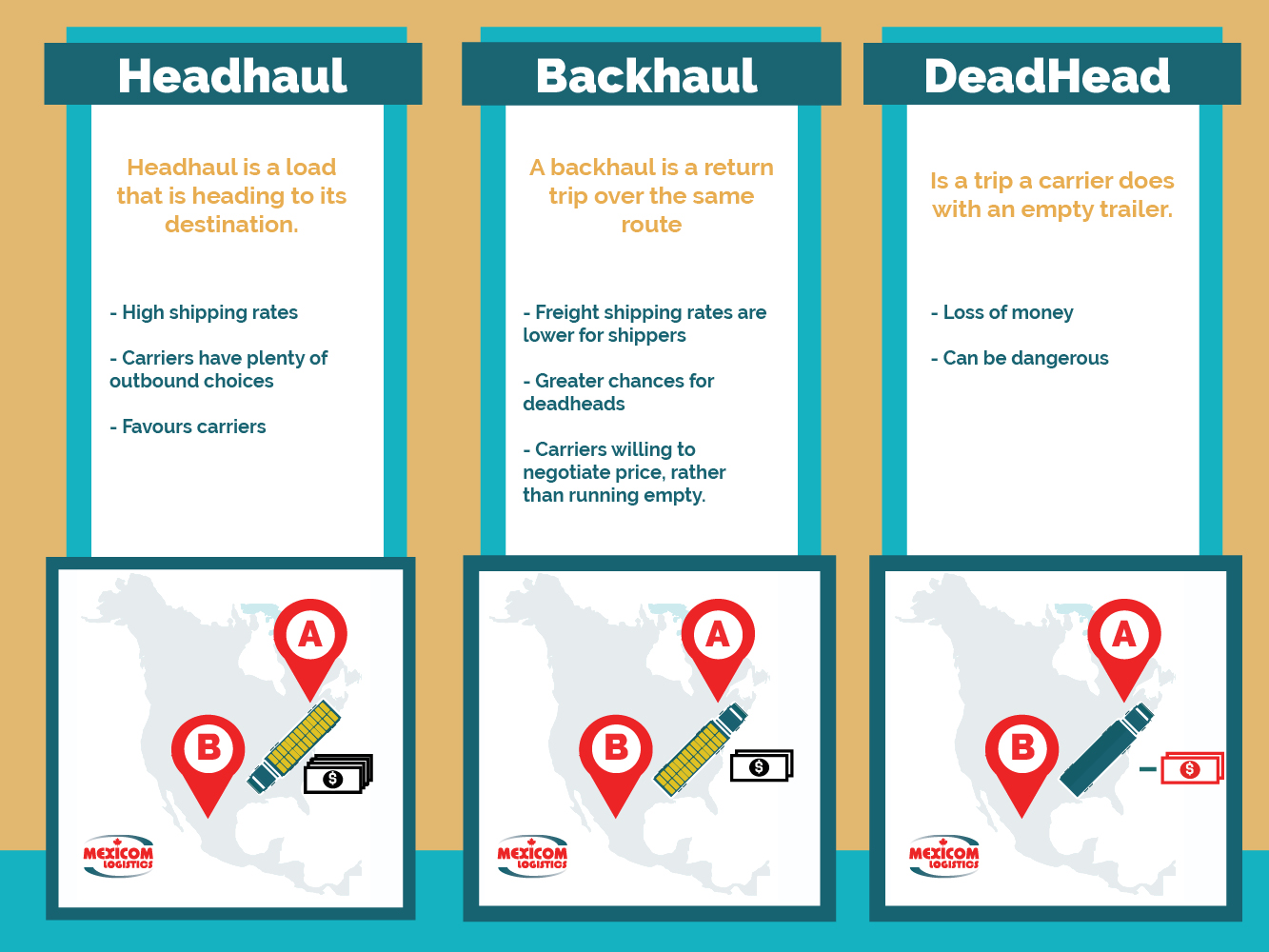
Deadheading represents a significant, albeit often unavoidable, cost within the trucking industry. At its core, deadheading refers to the empty mileage a commercial truck travels. This can occur when a truck is returning from a delivery and has no load booked for the return journey, or when it’s traveling to pick up a new load. While seemingly straightforward, the financial ramifications of this empty travel are multifaceted and can substantially erode a trucking company’s bottom line.
Understanding the Cost of Empty Miles
Every mile a truck travels without a paying load represents lost revenue and ongoing expenses. These expenses include fuel, driver wages, vehicle maintenance, tires, insurance, and depreciation – all costs incurred irrespective of whether the truck is carrying freight. When a truck is deadheading, these operational costs are being borne without any corresponding income.
For instance, consider a truck that completes a delivery in City A and needs to travel 500 miles to City B to pick up its next load. If the cost per mile for operating that truck is $1.50 (a conservative estimate factoring in all expenses), that deadhead journey alone costs the trucking company $750. This $750 is an expense that must be offset by the profit generated from the loaded miles. If the profit margin on a typical loaded haul is modest, a single deadhead trip can negate the profit from one or even multiple revenue-generating trips.
Profitability Squeeze and Revenue Erosion
The cumulative effect of frequent deadheading can severely squeeze profit margins. Trucking companies operate on relatively thin margins, and the ability to maximize revenue per mile is paramount. Deadhead miles directly reduce the revenue-generating miles available within a given period. This means fewer opportunities to earn income, thereby lowering the overall profitability of the fleet.
Furthermore, deadheading can lead to a cycle of revenue erosion. If a company is consistently deadheading, it indicates inefficiencies in its load planning and network optimization. This can result in higher operating costs per mile, making the company less competitive. Competitors who effectively minimize deadheading can offer more attractive rates, potentially drawing away business and further exacerbating the revenue problem for the less efficient operator.
The Opportunity Cost of Idle Assets
Beyond the direct operational costs, deadheading also represents a significant opportunity cost. A truck that is traveling empty is a physical asset that is not generating income. This idle time, or time spent on non-revenue-generating activities, represents missed opportunities to earn money.
Consider a scenario where a driver is deadheading for two days. During those two days, the truck could potentially have completed one or even two loaded hauls, each generating revenue. The lost potential revenue from these unfulfilled loads is a direct opportunity cost associated with the deadhead mileage. This is particularly critical for owner-operators or smaller trucking businesses where every loaded mile is vital for survival and growth.
Factors Contributing to Deadheading
Understanding why deadheading occurs is essential for developing effective strategies to combat it. Several interconnected factors, often stemming from the inherent complexities of freight logistics and market dynamics, contribute to this costly phenomenon.
Inefficient Load Matching and Network Planning
One of the primary drivers of deadheading is the difficulty in achieving seamless load matching. The freight market is dynamic, with demand and supply for transportation services fluctuating constantly. Matching available trucks with available loads, especially on a backhaul (the return journey after a delivery), can be a complex logistical puzzle.
Brokers and carriers invest significant effort in load boards and dispatch systems to find loads. However, geographical imbalances, varying freight types, and last-minute cancellations can disrupt these plans, leaving trucks without a load for their return trip. Poor network planning, where routes are not strategically designed to anticipate backhauls, also contributes to empty miles. This can involve a lack of consistent customer relationships in specific regions or a failure to forecast freight demand in different areas.
Seasonal Fluctuations and Geographic Imbalances

The trucking industry is heavily influenced by seasonal demand for goods. For example, the holiday season sees a surge in demand for consumer goods, leading to more loaded miles. However, the periods before and after these peaks can experience a dip in freight availability, increasing the likelihood of deadheading.
Geographic imbalances also play a crucial role. Certain regions may be major manufacturing hubs or distribution centers, generating a high volume of outbound freight. However, the return routes from these areas might have less inbound freight demand, leading to a surplus of trucks needing to return empty. For instance, a truck delivering goods to a remote construction site might find very little outbound freight available from that location.
Market Volatility and Unforeseen Disruptions
The trucking industry is not immune to market volatility. Economic downturns can reduce overall freight volumes, making it harder to secure loads. Conversely, rapid economic growth can strain capacity, but even then, imbalances can arise. Unexpected events, such as natural disasters, port congestion, or labor shortages in related industries, can disrupt supply chains and create temporary or prolonged periods of reduced freight availability, leading to increased deadheading.
Furthermore, the competitive nature of the industry means that carriers are often under pressure to accept loads at lower rates, especially if they are trying to avoid deadheading. This can lead to accepting unprofitable loads simply to keep the truck moving, which, while avoiding direct deadhead miles, can still negatively impact overall profitability if the rates are too low to cover all operational costs.
Strategies for Mitigating Deadheading and Maximizing Profitability
Recognizing deadheading as a significant cost center, trucking companies and owner-operators actively employ various strategies to minimize empty miles and optimize their financial performance. These strategies often involve a combination of smart technology, robust planning, and strategic partnerships.
Leveraging Technology for Load Optimization
In the digital age, technology plays a pivotal role in tackling deadheading. Advanced Transportation Management Systems (TMS) are designed to streamline operations, including load planning and route optimization. These systems can:
- Real-time Load Matching: Integrate with multiple load boards and carrier networks to identify available loads in a truck’s vicinity, even for backhauls.
- Predictive Analytics: Analyze historical data and market trends to forecast freight availability in specific regions, allowing for proactive load booking.
- Route Optimization Software: Calculate the most efficient routes, not only for loaded miles but also to minimize deadhead distance when transitioning between loads.
- Real-time Tracking and Communication: Provide dispatchers with up-to-the-minute information on truck locations, allowing for faster adjustments and load assignments.
Furthermore, data analytics tools can help identify patterns of deadheading within a company’s operations. By analyzing where and when deadheading occurs most frequently, companies can pinpoint systemic issues and develop targeted solutions. This might involve focusing marketing efforts on regions with consistent outbound freight or renegotiating contracts with shippers to encourage more balanced freight flows.
Building Strong Shipper and Broker Relationships
Strong, long-term relationships with shippers and brokers are instrumental in reducing deadheading. Loyal shippers are more likely to provide consistent freight, including opportunities for backhauls. Building these relationships involves:
- Reliability and Trust: Consistently delivering loads on time and in good condition builds a reputation that shippers value.
- Clear Communication: Proactive communication about truck availability and potential load opportunities fosters mutual benefit.
- Long-Term Contracts: Negotiating contracts that ensure a steady stream of freight, even during slower periods, can significantly reduce the need for opportunistic searching on load boards.
- Collaborative Planning: Working with shippers to understand their freight patterns and anticipate future needs can help align truck availability with demand.
Similarly, building strong relationships with reputable freight brokers can open doors to a wider network of loads. Brokers often have access to a diverse range of freight opportunities and can be invaluable in finding loads that fit a carrier’s available routes and schedules. However, it’s crucial to vet brokers carefully to ensure they are legitimate and offer fair compensation.
Strategic Network Design and Fleet Management
Beyond individual load bookings, a strategic approach to network design and fleet management can significantly reduce deadheading. This involves:
- Route Balancing: Actively seeking to establish round-trip routes where possible, ensuring that a delivery in one city is followed by a pickup heading back towards a company’s primary operational base or another area with strong freight demand.
- Hub and Spoke Models: For larger operations, establishing strategically located hubs can facilitate load transfers and reduce long-distance deadheading.
- Diversified Freight Portfolio: Catering to a diverse range of industries and freight types can help smooth out seasonal fluctuations and geographic imbalances.
- Fleet Specialization: In some cases, specializing in certain types of freight (e.g., refrigerated, flatbed) can lead to more predictable and consistent load availability within that niche.
Finally, for owner-operators, the ability to dynamically adjust their operational radius based on market conditions and available loads is crucial. This might involve repositioning their equipment proactively to areas where freight demand is high, even if it means a short deadhead trip to get there, if the potential for profitable loaded miles outweighs the cost of the initial empty travel. By understanding the true cost of deadheading and implementing these proactive strategies, trucking companies can transform a significant expense into a manageable aspect of their operations, ultimately driving greater profitability and long-term success in the competitive transportation industry.
aViewFromTheCave is a participant in the Amazon Services LLC Associates Program, an affiliate advertising program designed to provide a means for sites to earn advertising fees by advertising and linking to Amazon.com. Amazon, the Amazon logo, AmazonSupply, and the AmazonSupply logo are trademarks of Amazon.com, Inc. or its affiliates. As an Amazon Associate we earn affiliate commissions from qualifying purchases.