
The advent of the GIF, a looping, animated image format, has fundamentally altered how we communicate digitally. These short, often humorous, or expressive clips have become ubiquitous in online conversations, social media feeds, and digital marketing. However, the question arises: what happens when we bridge the gap between the ephemeral digital world of GIFs and the tangible realm of physical prints? What does a GIF photo print truly look like, and what are the implications for creators and consumers in the technological landscape? This exploration delves into the fascinating intersection of digital animation and static print media, examining the technologies, creative possibilities, and challenges involved.
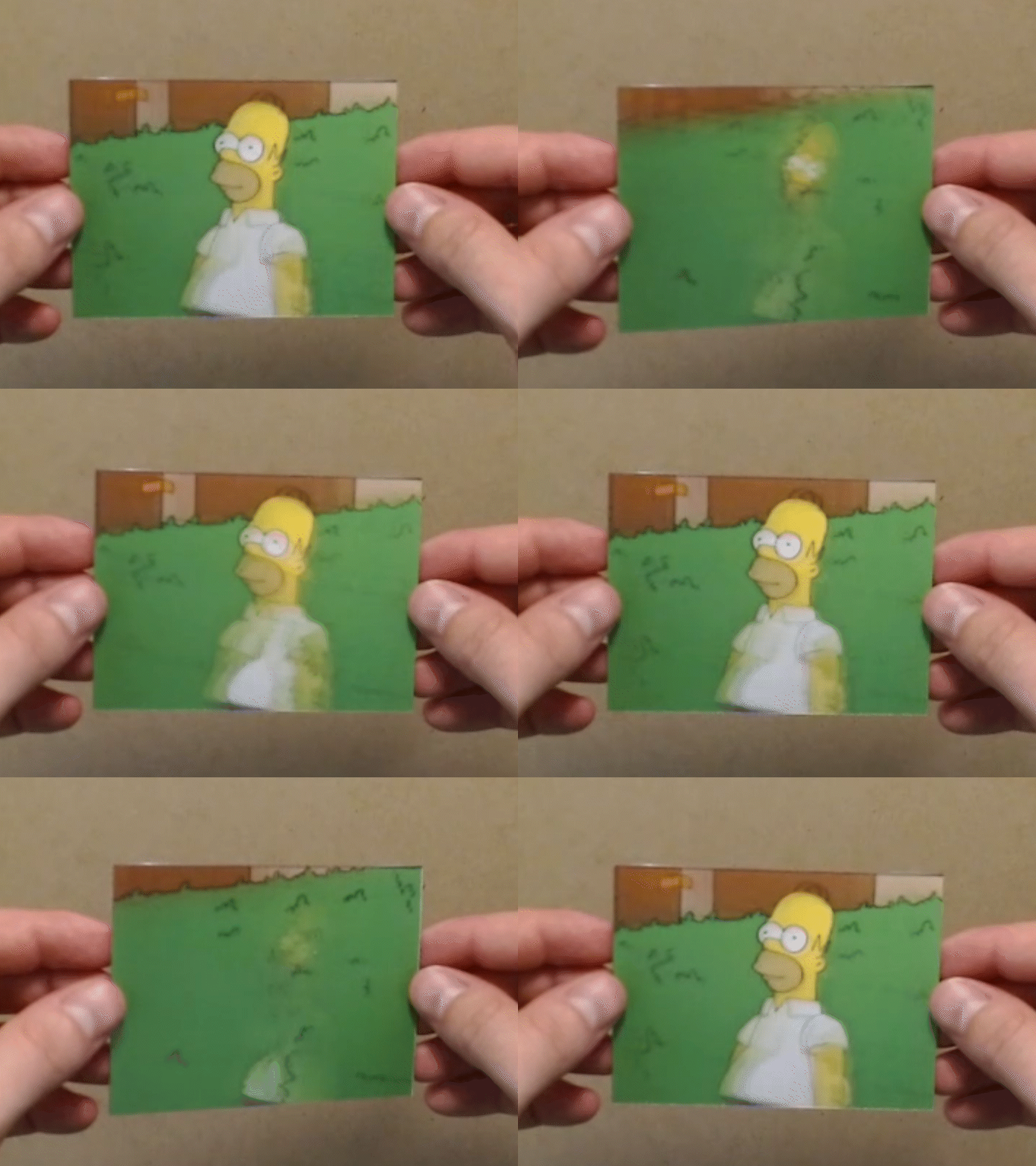
The Technological Genesis: Bridging the Digital-Physical Divide
The concept of printing an animated GIF is inherently paradoxical. A GIF, by definition, is a sequence of frames displayed in rapid succession. A traditional print, on the other hand, is a static representation of a single moment. To translate a GIF into a print, we must leverage technologies that can imbue a static object with a sense of motion or a narrative arc, effectively capturing the essence of the animation without literal playback.
Lenticular Printing: The Illusion of Motion
The most prevalent and sophisticated technology employed to create GIF-like prints is lenticular printing. This technique utilizes a special plastic lens, known as a lenticular sheet, which is embossed with a series of parallel, convex lenses. When printed images are placed beneath this sheet, each lens magnifies and refracts a different segment of the underlying image.
The magic happens when the viewer moves. As the viewing angle changes, the lenses reveal different printed images that are layered on top of each other. For a GIF print, this means that a sequence of frames from the original animation is printed in a specific interlaced pattern. Each lenticular lens then displays a different frame as the viewer shifts their perspective, creating the illusion of movement.
- How it Works: Imagine a GIF with three frames: Frame A, Frame B, Frame C. For a lenticular print, these frames are meticulously sliced and interleaved onto a single print surface. The lenticular lens then acts as a decoder, selectively revealing each frame based on the viewer’s angle. As you tilt the print, you might see Frame A, then as you tilt further, Frame B appears, followed by Frame C. This creates a fluid, albeit limited, animation.
- Types of Lenticular Effects: Lenticular prints can achieve various effects beyond simple animation. These include:
- Flip: This is the most common effect, where two or more distinct images alternate as the viewing angle changes, perfect for showcasing a before-and-after or a simple two-frame GIF.
- 3D Depth: While not directly related to GIF animation, lenticular technology can also create a sense of three-dimensional depth within a static image, adding another layer of visual interest.
- Zoom: This effect makes an object appear to grow larger or smaller as the viewing angle changes.
- Morph: This is the most advanced effect, where one image gradually transforms into another, mimicking a smoother transition often found in more complex GIFs.
High-Quality Printing Techniques
Beyond the lenticular overlay, the underlying print quality is paramount. Achieving a convincing GIF print requires high-resolution printing that can accurately reproduce the subtle color gradients and details of each frame. Advanced printing methods, such as giclée printing and UV printing, are often employed to ensure vibrant colors, sharp details, and durable finishes.
- Giclée Printing: This fine art printing method uses archival quality inks and acid-free papers to produce exceptionally detailed and long-lasting prints. For GIF prints, giclée ensures that each individual frame within the lenticular print is rendered with the utmost fidelity.
- UV Printing: This direct-to-substrate printing process uses UV-curable inks that are instantly dried by UV light. UV printing allows for printing on a wide range of materials, including plastics, metals, and wood, and can produce vibrant, durable images. This is particularly useful for printing directly onto the lenticular plastic itself, or for creating custom substrates for GIF prints.
The Aesthetic and Experiential Qualities of a GIF Print
The visual appearance and user experience of a GIF photo print are distinct from both a traditional photograph and its digital GIF counterpart. It’s a hybrid form, offering a unique tactile and visual engagement.
Beyond the Static: Capturing a Moment’s Narrative
A GIF print isn’t just a single photograph; it’s a condensed narrative. The “look” of a GIF print is inherently dynamic. Instead of a frozen moment, it presents a sequence that unfolds as the viewer interacts with it.
- The Illusion of Movement: The primary characteristic is the illusion of movement. This can range from subtle shifts to more pronounced animations, depending on the complexity of the original GIF and the quality of the lenticular printing. A print of a person waving might show their hand moving from side to side as you walk past it. A print of a character performing a simple action, like a nod or a jump, will appear to animate.
- Interactive Engagement: Unlike a passive digital display, a GIF print demands interaction. The viewer is actively involved in bringing the animation to life by moving, tilting, and shifting their perspective. This creates a more engaging and memorable experience, transforming a piece of art or imagery into an interactive object.
- Textural and Visual Depth: The lenticular sheet itself adds a textural dimension to the print. The subtle ridging of the lenses is often visible, contributing to the overall aesthetic. Depending on the printing technique, there might also be a sheen or matte finish, further influencing the visual appeal.
Creative Applications and Artistic Expression
The ability to translate animated GIFs into physical prints opens up a new realm of creative possibilities for artists, designers, and even everyday users.

- Personalized Gifts and Decor: Imagine a GIF print of a cherished memory – a brief video clip of a child’s first steps, a pet’s playful antics, or a wedding proposal moment. These can be transformed into unique and highly personal gifts or decorative pieces for the home.
- Marketing and Promotional Materials: Businesses can leverage GIF prints for innovative marketing campaigns. Think of eye-catching posters that subtly animate product features, business cards that showcase a brand mascot in motion, or promotional merchandise that offers a dynamic visual experience.
- Art Installations and Exhibitions: Artists can explore the medium of GIF prints as a new form of art. They can create pieces that play with perception, storytelling, and interactivity, offering a tangible representation of digital culture within a gallery setting. This allows for a different kind of appreciation, where the viewer’s physical presence and movement are integral to the artwork’s experience.
- Storytelling in a Physical Format: GIFs often tell mini-stories. Printing them allows these narratives to exist outside the digital stream, becoming conversation starters and tangible pieces of art that can be displayed and appreciated over time. The “look” is therefore not just about visual fidelity but about the successful conveyance of a brief, animated narrative.
Challenges and Considerations in GIF Photo Printing
While the concept of GIF photo printing is captivating, there are inherent challenges and considerations that affect its execution and widespread adoption.
Limitations of the Medium
The translation from digital animation to physical print is not without its constraints. Understanding these limitations is crucial for managing expectations and achieving the best possible results.
- Frame Rate and Smoothness: The illusion of smooth motion in a GIF is achieved through a rapid succession of frames displayed at a specific frame rate. Lenticular printing, by its nature, can only display a limited number of distinct images. Therefore, complex or fast-paced GIFs might appear jerky or fragmented when translated into a print. The perceived smoothness is directly related to the number of frames that can be effectively displayed by the lenticular lenses.
- Viewing Angle Dependence: The animation is only visible from specific viewing angles. If the print is positioned incorrectly or if the viewer doesn’t move appropriately, the intended animation might not be perceived. This means the placement and environment of the print are important factors for its success.
- Color Reproduction and Fidelity: Achieving perfect color matching between the digital GIF and the printed output can be challenging. Different display technologies and printing inks can result in variations. Ensuring high-quality color management throughout the printing process is essential.
- Durability and Longevity: While lenticular prints can be durable, they are still susceptible to damage, such as scratches on the lenticular surface or fading of the printed inks over time, especially if exposed to direct sunlight or harsh environments. The materials used and the finishing process play a significant role in the longevity of the print.
The Creative Process: From Digital to Physical
Translating a digital GIF into a print requires a specific workflow and consideration of the printing process.
- GIF Selection and Optimization: Not all GIFs are suitable for printing. Simple, short animations with clear visual changes between frames tend to translate best. Complex GIFs with rapid transitions or subtle details might lose their impact. The creator must select or optimize their GIF with the lenticular printing process in mind. This might involve simplifying animations, ensuring sufficient contrast between frames, and considering the optimal number of frames for the chosen lenticular effect.
- Specialized Software and Design: Creating the interlaced image files for lenticular printing often requires specialized software. Designers need to understand how to prepare their artwork to be sliced and interleaved correctly for the lenticular lenses to interpret. This is not a straightforward drag-and-drop process and often involves specific plugins or dedicated software.
- Choosing the Right Printing Service: Finding a reputable printing service with expertise in lenticular printing is crucial. The quality of the lenticular sheet, the printing technology used, and the finishing processes all contribute to the final product. Researching and comparing different providers is essential to ensure satisfactory results.
The Future of Animated Prints and Digital Memories
The concept of a “GIF photo print” is more than just a novelty; it represents a growing trend in how we interact with and preserve digital memories in a physical format. As technology advances, we can expect further innovations in this space.
Evolving Technologies and Possibilities
The future holds the promise of even more sophisticated and accessible methods for creating animated physical media.
- Improved Lenticular Materials: Research is ongoing to develop lenticular materials that offer wider viewing angles, higher resolution, and greater durability. This could lead to more fluid and convincing animations in prints.
- Augmented Reality Integration: A potential future could involve prints that are not just lenticular but also incorporate augmented reality (AR). A viewer might point their smartphone at a static print, and an AR overlay could bring a dynamic animation or even a fully interactive GIF to life on their screen, blurring the lines between physical and digital even further.
- Embedded Micro-Displays: While still largely in the realm of concept, future innovations might involve prints with embedded micro-displays that can actually play short, looping animations. This would be a more direct translation of a GIF but would require advancements in display technology, power sources, and durability to be practical for widespread print applications.
- 3D Printing and Dynamic Materials: Emerging research in 3D printing and dynamic materials might also offer new avenues. Imagine materials that change color or shape in response to light or temperature, creating a form of animation without the need for traditional lenses.

Preserving Digital Culture in Tangible Forms
In an increasingly digital world, there’s a growing appreciation for tangible objects and physical experiences. GIF photo prints tap into this sentiment by offering a way to bring beloved digital creations into the physical realm.
- Tangible Digital Memories: They serve as a physical anchor for fleeting digital moments. Instead of a GIF being lost in a vast digital archive, a printed GIF becomes a keepsake, a piece of art that can be displayed and shared in person.
- Bridging Generations: As digital natives grow older, they may wish to share their digital culture with older generations who might not be as immersed in the online world. GIF prints offer a way to bridge this gap, providing an accessible and engaging format for sharing animated content.
- A New Medium for Expression: GIF printing represents a new artistic medium. It encourages creators to think about animation in a physical context, pushing the boundaries of what is possible with print media. The “look” of a GIF print becomes an art form in itself, defined by its unique interactive qualities and its ability to translate digital ephemerality into tangible art.
In conclusion, the question of “what does a GIF photo print look like” is answered by understanding the sophisticated technological interplay of lenticular printing and high-quality reproduction. It’s not just about seeing an image; it’s about experiencing a dynamic narrative unfold through interaction and perception. As technology continues to evolve, these hybrid forms of media will undoubtedly play a significant role in how we create, consume, and preserve our digital lives in the physical world.
aViewFromTheCave is a participant in the Amazon Services LLC Associates Program, an affiliate advertising program designed to provide a means for sites to earn advertising fees by advertising and linking to Amazon.com. Amazon, the Amazon logo, AmazonSupply, and the AmazonSupply logo are trademarks of Amazon.com, Inc. or its affiliates. As an Amazon Associate we earn affiliate commissions from qualifying purchases.