
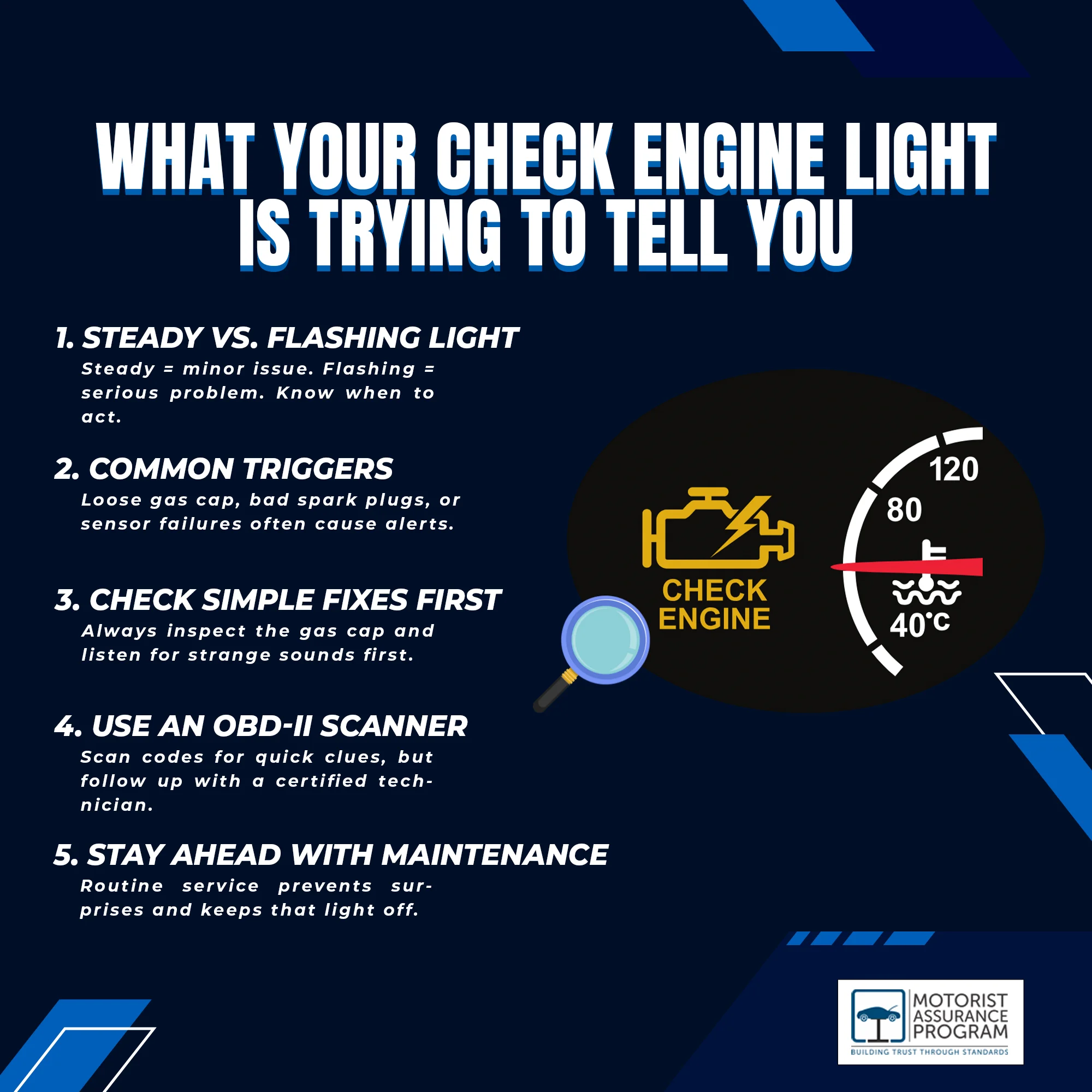
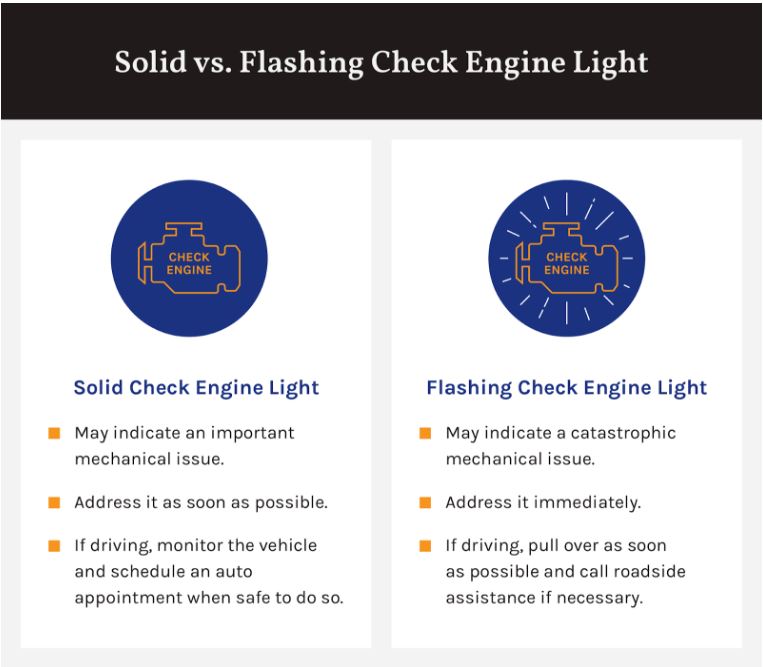
A flashing check engine light on your vehicle’s dashboard is a universally recognized symbol of automotive distress. While a steady illuminated check engine light often signifies a minor issue, a flashing light is a far more urgent warning, demanding immediate attention. This is not a situation to ignore or postpone; it directly points to a problem that could lead to severe, irreversible damage to your engine and significantly impact your vehicle’s performance, reliability, and ultimately, its long-term financial viability. Understanding what a flashing check engine light indicates is crucial for every vehicle owner, bridging the gap between a potential mechanical catastrophe and a manageable repair.
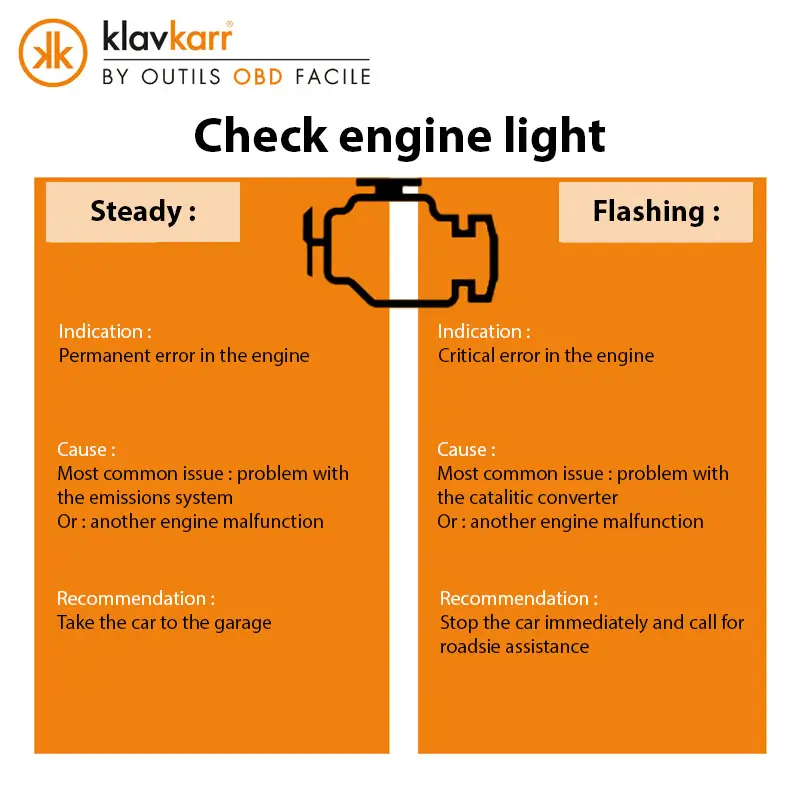
This critical indicator serves as a direct communication channel from your vehicle’s onboard diagnostic (OBD-II) system to you. Modern vehicles are equipped with sophisticated computer systems that constantly monitor hundreds of parameters related to engine operation. When these parameters deviate significantly from their intended ranges, the OBD-II system triggers the check engine light. The flashing sequence is specifically designed to alert you to a problem that is actively causing or has the potential to cause immediate and substantial harm to the catalytic converter, a vital and expensive component of your emissions control system. Ignoring this flashing warning is akin to ignoring a severe health symptom; the consequences can be dire and far more costly in the long run.
The primary reason a check engine light flashes is a misfire. A misfire occurs when one or more of your engine’s cylinders fail to combust the fuel-air mixture properly. This can happen for a variety of reasons, from simple issues like a faulty spark plug to more complex problems with fuel injectors or ignition coils. When a misfire is severe enough to trigger a flashing light, it means that unburnt fuel is being expelled from the affected cylinder into the exhaust system. This unburnt fuel then travels into the catalytic converter, where it can ignite due to the high temperatures. The catalytic converter’s job is to chemically convert harmful exhaust gases into less harmful ones. However, when it’s subjected to a constant stream of unburnt fuel igniting within it, it can overheat dramatically, leading to melting, clogging, and eventual failure. The replacement cost of a catalytic converter can range from hundreds to thousands of dollars, making it an expense that most vehicle owners would prefer to avoid.
Beyond the immediate threat to the catalytic converter, a persistent misfire indicated by a flashing check engine light can also lead to other cascading problems. It can cause excessive wear and tear on other engine components, leading to premature failure of parts like pistons, valves, and even the engine block itself. Furthermore, a significant misfire will result in a substantial loss of engine power, poor fuel economy, and rough idling. In some cases, a severe misfire could even cause the engine to stall completely, leaving you stranded. Therefore, recognizing the flashing check engine light as an urgent signal and taking prompt action is not just about preventing an expensive repair, but about preserving the overall health and longevity of your vehicle.
The Underlying Causes of a Flashing Check Engine Light
The flashing check engine light is a symptom, and like any symptom, it points to an underlying issue. While the immediate concern is often the catalytic converter, understanding the root causes of the misfires that trigger this warning is key to a comprehensive solution. These causes can range from minor, easily fixable problems to more significant mechanical failures. Diagnosing the precise reason for the misfire is the first and most important step in addressing the flashing light.
Ignition System Failures
The ignition system is responsible for providing the spark that ignites the fuel-air mixture in your engine’s cylinders. Any malfunction within this system can lead to incomplete combustion and a misfire.
Spark Plugs and Wires
Spark plugs are consumable items that degrade over time. When they become fouled, worn, or damaged, they may not be able to produce a strong enough spark. Similarly, spark plug wires or coil packs, which deliver the electrical current to the spark plugs, can become damaged or corroded, interrupting the flow of electricity. Symptoms of failing spark plugs or wires can include rough idling, hesitation during acceleration, and a noticeable decrease in engine power, all of which can escalate to a flashing check engine light if the misfire is severe.
Ignition Coils
Modern vehicles utilize ignition coils to step up the battery voltage to a level high enough to create a spark. Each spark plug typically has its own ignition coil, or a coil pack serves multiple cylinders. A failing ignition coil will not deliver sufficient voltage to the spark plug, resulting in a misfire. This is a common culprit for flashing check engine lights, as it directly impacts the ignition process in one or more cylinders.
Fuel Delivery System Issues
A proper fuel-air mixture is essential for efficient combustion. If the fuel system is not delivering the correct amount of fuel, or if the fuel is not being injected properly, a misfire can occur.
Clogged Fuel Injectors
Fuel injectors are precisely controlled nozzles that spray fuel into the combustion chambers. Over time, deposits can build up within these injectors, restricting the fuel flow. This can lead to a lean fuel-air mixture in one or more cylinders, causing them to misfire. The engine’s computer attempts to compensate, but a severe clog can overwhelm its ability to correct the mixture, triggering the flashing light.
Faulty Fuel Pump or Pressure Regulator
The fuel pump is responsible for delivering fuel from the tank to the engine at the correct pressure. If the fuel pump is weak or failing, it may not be able to supply enough fuel to meet the engine’s demands, especially under load, leading to misfires. A faulty fuel pressure regulator can cause the fuel pressure to be too high or too low, both of which can disrupt the combustion process and lead to misfires.
Air Intake and Emission Control System Malfunctions
Problems with how your engine receives air or how it manages emissions can also contribute to misfires and the dreaded flashing check engine light.
Vacuum Leaks
A vacuum leak occurs when unmetered air enters the engine’s intake manifold after the mass airflow sensor. This disrupts the carefully calibrated fuel-air mixture, often leading to a lean condition and misfires. Leaks can occur in hoses, gaskets, or intake manifold components.
Mass Airflow (MAF) Sensor Issues
The MAF sensor measures the amount of air entering the engine. This information is critical for the engine’s computer to calculate the correct amount of fuel to inject. If the MAF sensor is dirty, damaged, or malfunctioning, it will send incorrect data, leading to an improper fuel-air mixture and potential misfires.
Catalytic Converter Problems (The consequence, not always the cause, but a major concern)
While a flashing light indicates a problem that can damage the catalytic converter, a failing catalytic converter itself can sometimes lead to misfires. If the converter is severely clogged, it can create excessive backpressure in the exhaust system, preventing spent gases from being expelled efficiently. This can lead to a buildup of exhaust gases in the cylinders, disrupting the combustion process and causing misfires. This is a particularly dangerous cycle, as the misfires can further exacerbate the damage to the catalytic converter.
Immediate Actions When the Check Engine Light Flashes
The flashing check engine light is an emergency signal. Ignoring it is not an option, as it directly threatens the health of your vehicle and can lead to significantly higher repair costs. Acting swiftly and decisively is paramount. The primary objective is to cease the conditions that are causing the immediate damage, particularly to the catalytic converter.
Reduce Engine Load and Speed
The moment you see the flashing check engine light, your immediate priority should be to reduce the stress on the engine. This means easing off the accelerator pedal. Avoid sudden acceleration or heavy load conditions such as towing or climbing steep hills. If you are driving at highway speeds, gradually slow down. If the vehicle is sputtering or losing significant power, pull over to the side of the road as soon as it is safe to do so. Driving with a flashing check engine light can quickly turn a minor issue into a major one.
Find a Safe Place to Stop and Assess
Once you have reduced the load on the engine, locate a safe place to pull over. This could be a shoulder of the road, a parking lot, or a service station. Once stopped, turn off the engine. This prevents further potential damage while the engine is experiencing a critical fault. While you are stopped, you can perform a basic visual inspection, though this may not reveal the underlying cause. Look for any obvious signs of fluid leaks, frayed wires, or damaged components under the hood. However, it’s important to reiterate that the flashing light indicates an internal engine problem that may not be visually apparent.
Seek Professional Diagnosis Promptly
The most critical step after stopping is to have your vehicle diagnosed by a qualified mechanic. A flashing check engine light indicates a serious issue that requires immediate professional attention. Do not attempt to drive the vehicle for extended periods or ignore the warning. Contacting a towing service to transport your vehicle to a trusted repair shop is often the safest and most prudent course of action. A mechanic will use an OBD-II scanner to read the diagnostic trouble codes (DTCs) stored by the vehicle’s computer. These codes provide specific information about the system that has detected a fault, guiding the technician toward the root cause of the misfire and the flashing light.
The Financial Implications of Ignoring a Flashing Check Engine Light
The financial consequences of neglecting a flashing check engine light are substantial and often escalate rapidly. What might have started as a relatively minor repair can quickly snowball into a significant financial burden due to the cascading damage that occurs when the problem is left unaddressed. Understanding these implications can serve as a powerful motivator to take immediate action.
Catalytic Converter Replacement Costs
As previously discussed, the catalytic converter is the most immediate and costly component at risk from a flashing check engine light. When unburnt fuel ignites within the converter, it can overheat, melt its internal substrate, and become severely clogged. A new catalytic converter can cost anywhere from $500 to over $2,000, depending on the make and model of your vehicle and whether you opt for an original equipment manufacturer (OEM) part or an aftermarket alternative. This is a direct financial penalty for ignoring the warning.
Escalation to More Severe Engine Damage
A persistent misfire, indicated by the flashing light, puts immense stress on the entire engine. Unburnt fuel can wash away lubricating oil from cylinder walls, leading to increased friction and wear. Over time, this can result in damage to pistons, piston rings, valves, and even the engine block itself. Repairing significant internal engine damage can cost thousands of dollars and, in some cases, may be so extensive that engine replacement becomes the more economical option. This represents a far greater financial outlay than addressing the initial cause of the misfire.
Decreased Fuel Efficiency and Performance
Even before catastrophic damage occurs, a misfiring engine is an inefficient engine. It will consume more fuel to produce less power. This translates directly into higher gasoline bills. Furthermore, the loss of power and rough running can diminish the overall driving experience, making your vehicle less enjoyable and less practical to use. These incremental financial losses, while perhaps less dramatic than a major repair, accumulate over time and represent a continuous drain on your resources.
Reduced Resale Value
A vehicle with a history of significant engine problems, or one that has been neglected to the point of major repairs, will have a considerably lower resale value. Potential buyers are wary of purchasing vehicles with known issues, and the cost of repairs needed to make such a vehicle saleable can be substantial. Therefore, addressing the flashing check engine light promptly not only saves you money on immediate repairs but also helps preserve the long-term value of your automotive investment.
In conclusion, a flashing check engine light is not a mere nuisance; it is a critical alert signaling an imminent threat to your vehicle’s most vital component. By understanding the potential causes, acting swiftly and responsibly when the light appears, and recognizing the significant financial repercussions of neglect, vehicle owners can protect their investment and ensure the continued reliable operation of their automobile. Prompt diagnosis and repair are not just about averting an expensive bill; they are about safeguarding the long-term health and value of your vehicle.
aViewFromTheCave is a participant in the Amazon Services LLC Associates Program, an affiliate advertising program designed to provide a means for sites to earn advertising fees by advertising and linking to Amazon.com. Amazon, the Amazon logo, AmazonSupply, and the AmazonSupply logo are trademarks of Amazon.com, Inc. or its affiliates. As an Amazon Associate we earn affiliate commissions from qualifying purchases.