
The sensation of a chipped tooth is a visceral one, often ranging from a subtle snag against the tongue to a sharp, alarming pain. While the immediate experience is purely physiological, the technological landscape surrounding oral health has dramatically evolved, transforming how we diagnose, treat, and even predict such dental incidents. This article explores the technological innovations that shed light on the “feeling” of a chipped tooth by enhancing our understanding of its causes, improving diagnostic precision, and offering advanced repair solutions, ultimately contributing to a more comfortable and informed patient experience.
The Evolving Landscape of Dental Diagnostics: Beyond the Naked Eye
Historically, identifying a chipped tooth relied heavily on visual inspection and the patient’s subjective description of discomfort. Today, advanced technological tools offer a more comprehensive and objective approach to diagnosis, leading to more accurate assessments and targeted treatments. The “feeling” of a chipped tooth is no longer just a patient’s report; it’s a data point that sophisticated diagnostic technologies can corroborate and interpret.
Advanced Imaging Techniques for Precise Detection
The advent of digital radiography and advanced imaging modalities has revolutionized how dentists can visualize the intricate structures of the teeth. While traditional X-rays offered a two-dimensional view, modern technologies provide a much more detailed and nuanced understanding of dental anatomy, crucial for identifying even the smallest chips or fractures that might not be immediately apparent.
Cone-Beam Computed Tomography (CBCT) in Fracture Detection
Cone-beam computed tomography (CBCT) stands as a significant advancement in dental imaging. Unlike medical CT scans, CBCT uses a cone-shaped X-ray beam to acquire a 3D volumetric data set of the oral and maxillofacial complex. This technology allows dentists to visualize teeth and surrounding structures in three dimensions, revealing hairline fractures or subtle chips that might be hidden from conventional imaging. For a chipped tooth, CBCT can precisely delineate the extent of the fracture, its depth, and its proximity to the tooth’s pulp. This detailed information is critical in understanding the potential for pain and guiding the most appropriate treatment plan, effectively translating the physical sensation of pain into actionable diagnostic data.
Intraoral Cameras and Digital Photography
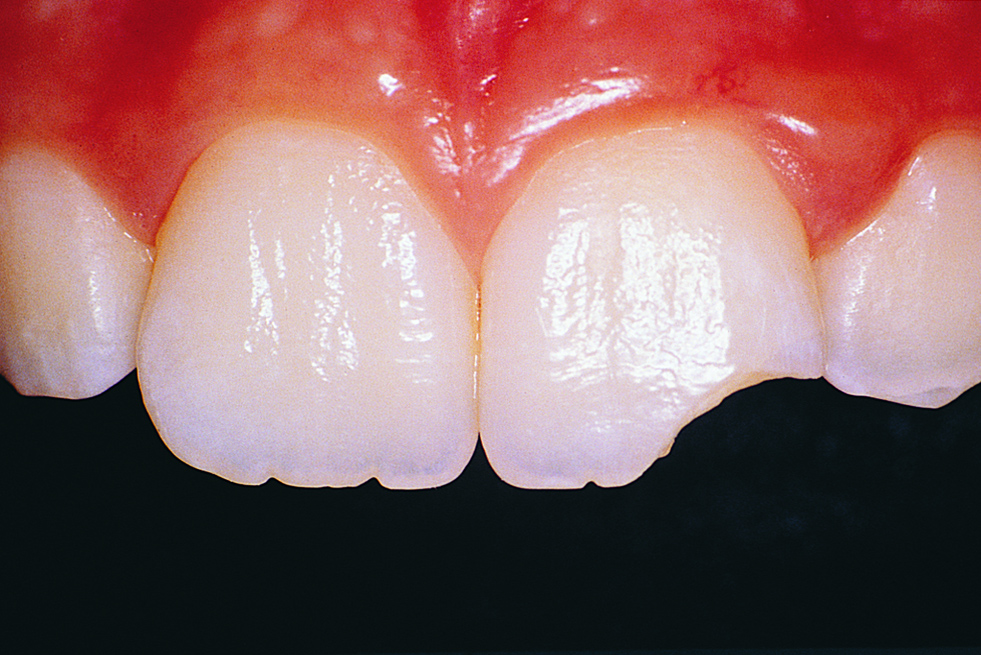
While not as detailed as CBCT for internal structures, high-resolution intraoral cameras and digital photography have become indispensable tools for visual inspection. These cameras provide magnified, high-definition images of the tooth’s surface, allowing dentists and patients to clearly see the extent of the chip, any rough edges, and potential areas of sensitivity. This visual documentation serves as a powerful communication tool, helping patients understand the nature of their injury and the rationale behind proposed treatments. The visual confirmation can often validate the patient’s reported discomfort, further demystifying the “feeling” of the chipped tooth.
Computer-Aided Design and Manufacturing (CAD/CAM) for Accurate Assessment
The integration of CAD/CAM technology has transformed the way dental restorations are designed and fabricated. For chipped teeth, CAD/CAM systems play a crucial role in both the diagnostic and restorative phases.
Digital Impressioning and 3D Scanning
Gone are the days of uncomfortable putty impressions for many restorative procedures. Digital impressioning utilizes intraoral scanners that capture highly accurate 3D digital models of the teeth. For a chipped tooth, these scans can precisely map the contours of the damage, including the exact dimensions and angles of the chip. This digital blueprint is vital for creating custom-fit restorations that seamlessly integrate with the natural tooth structure. The precision of these scans allows for a more accurate prediction of how a repair will feel and function, minimizing the guesswork often associated with dental work.
Virtual Simulation and Treatment Planning
Before any physical intervention, CAD/CAM software allows dentists to virtually plan the restoration process. They can simulate different restorative materials and designs, visualizing how a filling, veneer, or crown will sit on the chipped tooth. This virtual planning helps anticipate potential issues related to bite, aesthetics, and comfort, directly addressing the “feeling” the patient might experience post-treatment. By virtually optimizing the restoration, dentists can ensure a smoother integration and a more predictable outcome, reducing the likelihood of the repaired tooth feeling “off.”
Technological Advancements in Chipped Tooth Repair: Precision and Minimally Invasive Solutions
The “feeling” of a chipped tooth is often amplified by the discomfort associated with invasive dental procedures. Fortunately, technological advancements are steering dentistry towards more minimally invasive, precise, and aesthetically pleasing repair methods.
Advanced Bonding Materials and Application Techniques
Dental bonding, a common and effective treatment for chipped teeth, has seen significant improvements in material science and application techniques, all driven by technological innovation.
Resin Composites: Enhanced Strength and Aesthetics

Modern resin composite materials are engineered for superior strength, durability, and aesthetic compatibility with natural tooth enamel. Nanotechnology has enabled the development of composites with improved wear resistance and polishing capabilities, resulting in restorations that are both functional and indistinguishable from natural teeth. The precise application of these materials, often guided by magnification tools and advanced curing lights, ensures a strong bond and a smooth surface, directly contributing to a restoration that feels natural and comfortable.
Light-Curing Technologies: Precision and Speed
The development of efficient and precise light-curing technologies has been crucial for modern dental bonding. LED curing lights deliver specific wavelengths of light to polymerize the resin composite quickly and uniformly. This controlled curing process ensures the strength and longevity of the restoration. The technological refinement in light curing minimizes heat generation, further enhancing patient comfort during the procedure, and ensures the material hardens effectively, directly impacting the final feel and integrity of the repaired tooth.
Digital Dentistry for Seamless Restoration Fabrication
The integration of digital workflows has streamlined the fabrication of more complex restorations for significantly chipped teeth, ensuring precision and efficiency.
Intraoral Scanning for Indirect Restorations
When a chip is more substantial, requiring an inlay, onlay, or veneer, digital impressioning is the first step in the CAD/CAM workflow. The precise 3D scan of the prepared tooth is then used by CAD software to design the restoration. This digital design is then sent to a milling machine or a 3D printer. This allows for the creation of highly accurate, custom-fit restorations with exceptional marginal integrity. The precision achieved through this digital process means the restored tooth will fit perfectly within the bite, minimizing any uneven sensations or discomfort.
In-Office Milling and 3D Printing: Immediate Solutions
The ability to mill or 3D print restorations on-site in dental offices offers significant advantages. Patients can often receive their final restoration in a single visit, eliminating the need for temporary restorations and multiple appointments. This speed and precision, facilitated by advanced milling machines and dental 3D printers, ensures that the repaired tooth is restored to its optimal form and function without prolonged discomfort or uncertainty about the final outcome. The seamless integration of the fabricated restoration directly addresses any residual “feeling” of imperfection.
The Future of Chipped Tooth Management: Predictive Analytics and Minimally Invasive Biomaterials
The technological journey in addressing chipped teeth is far from over. Emerging technologies promise even more sophisticated ways to understand, prevent, and treat these common dental issues, further refining how we perceive and experience dental health.
Predictive Analytics in Dental Health
While not directly addressing the immediate “feeling” of a chipped tooth, predictive analytics holds immense potential in preventing the very incidents that lead to them. By analyzing vast datasets of patient information, including lifestyle habits, dietary patterns, genetic predispositions, and previous dental history, AI algorithms can identify individuals at higher risk of tooth fractures.
AI-Powered Risk Assessment
Artificial intelligence can process complex variables to predict the likelihood of future dental trauma, including chipping. This allows for proactive interventions, such as personalized preventive advice, specialized oral hygiene routines, or the recommendation of protective measures like custom mouthguards, especially for individuals engaged in high-impact activities. By preventing chips before they occur, technology helps us avoid the unpleasant “feeling” altogether.
Advancements in Biomaterials and Regenerative Dentistry
Research is ongoing into novel biomaterials that can not only repair teeth but also potentially promote natural regeneration.
Bioactive Materials for Enhanced Healing
The development of bioactive dental materials is a frontier in restorative dentistry. These materials are designed to interact with the tooth’s natural tissues, promoting remineralization and accelerating healing. For a chipped tooth, future applications might involve materials that actively stimulate the tooth’s own repair mechanisms, leading to a more robust and natural restoration that feels indistinguishable from the original tooth structure.

Nanotechnology in Tooth Repair and Prevention
Nanotechnology is paving the way for materials that can penetrate microscopic fissures and strengthen enamel, preventing chips from forming or spreading. Future dental treatments might involve nano-coatings or nano-fillers that fortify vulnerable areas of the tooth, offering a proactive defense against the physical forces that lead to chipping. This continuous technological evolution ensures that the “feeling” of a compromised tooth will become an increasingly rare experience.
In conclusion, while the initial sensation of a chipped tooth is a physical one, the technological advancements in dentistry have profoundly changed how we approach this common dental problem. From sophisticated imaging and diagnostic tools that precisely identify damage to innovative restorative techniques and the promise of future predictive and regenerative technologies, the dental field is leveraging technology to not only repair chips but also to enhance our understanding, improve patient comfort, and ultimately, redefine the very experience of maintaining a healthy smile. The “feeling” of a chipped tooth is increasingly becoming a solvable problem, thanks to the relentless march of technological progress.
aViewFromTheCave is a participant in the Amazon Services LLC Associates Program, an affiliate advertising program designed to provide a means for sites to earn advertising fees by advertising and linking to Amazon.com. Amazon, the Amazon logo, AmazonSupply, and the AmazonSupply logo are trademarks of Amazon.com, Inc. or its affiliates. As an Amazon Associate we earn affiliate commissions from qualifying purchases.