
In the intricate world of healthcare, the role of a pharmacist technician is often seen as the unsung hero, a vital cog in the machinery that ensures patients receive the right medications and care. While pharmacists stand as the ultimate authority in dispensing drugs and counseling patients, it is the dedicated pharmacy technician who handles the day-to-day operational tasks, ensuring efficiency, accuracy, and patient satisfaction. This role, far from being merely administrative, is a dynamic blend of scientific knowledge, meticulous organization, patient interaction, and increasingly, technological prowess.
As the healthcare landscape continues its rapid evolution, driven by technological advancements, shifting consumer expectations, and complex financial models, the pharmacy technician’s responsibilities have broadened significantly. They are no longer just counting pills; they are navigating sophisticated software, contributing to a pharmacy’s brand reputation through direct patient interaction, and understanding the financial underpinnings of medication management. This article delves deep into the multifaceted role of a pharmacist technician, exploring their core duties, their crucial interface with technology, their impact on the pharmacy’s brand identity, and the financial considerations that shape their career path.
The Core Responsibilities: Beyond Just Pills
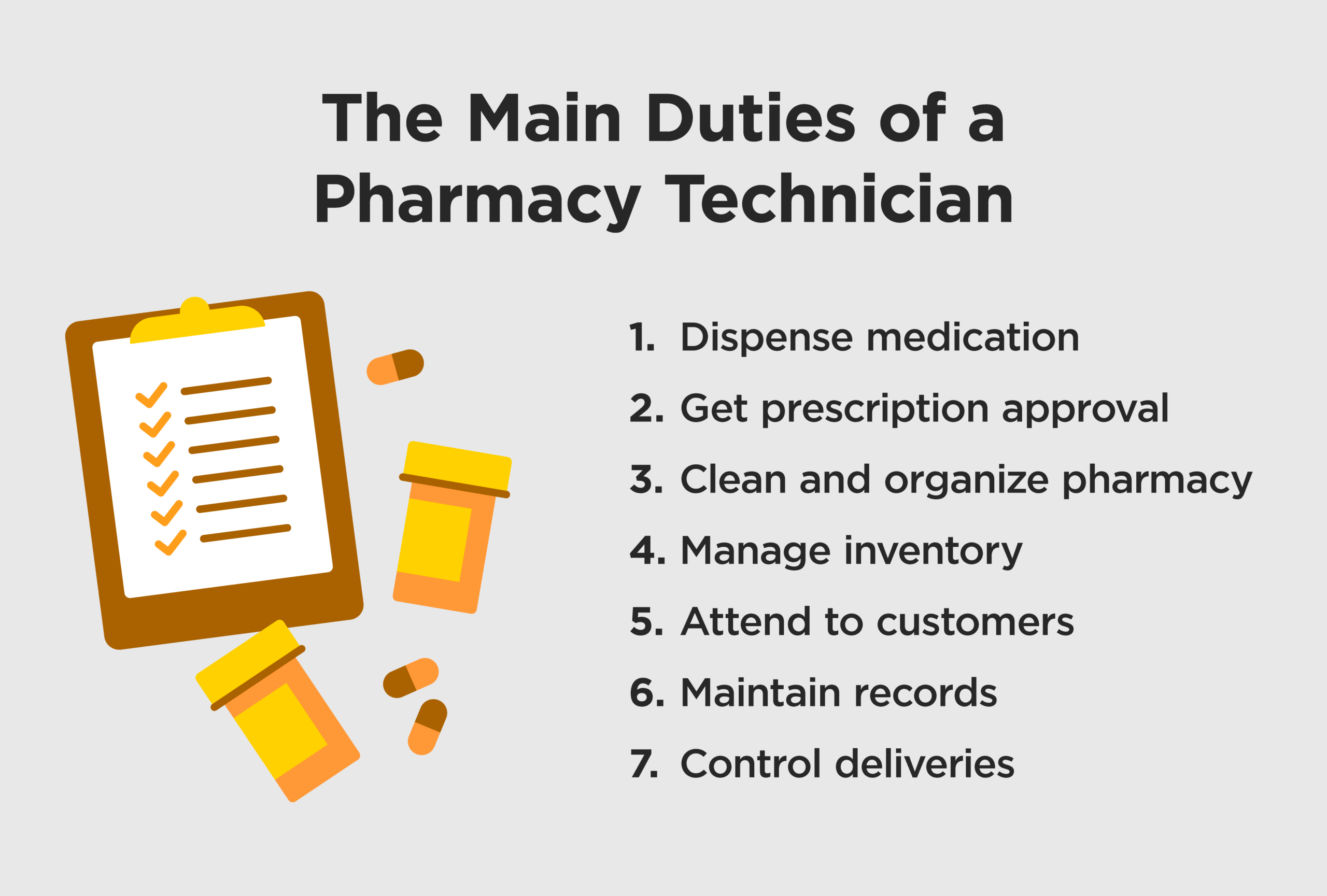
At its heart, the pharmacy technician’s role is to support the licensed pharmacist in delivering pharmaceutical care. This involves a wide array of tasks that require precision, attention to detail, and a deep understanding of pharmacy operations. Their work ensures that the pharmacy runs smoothly, allowing pharmacists to focus on clinical decision-making and patient counseling.
Dispensing and Patient Care Support
Perhaps the most recognized duty of a pharmacy technician is assisting in the dispensing of prescription medications. This involves receiving prescriptions, verifying patient information, accurately measuring and packaging medications, and labeling them according to strict legal and medical guidelines. Technicians must be adept at interpreting physician orders, often navigating complex dosages, drug names, and administration routes. They are also responsible for preparing various forms of medication, including sterile compounds, non-sterile compounds, and unit-dose medications, particularly in hospital settings.
Beyond the physical act of dispensing, pharmacy technicians often serve as the primary point of contact for patients. They answer routine questions, process insurance claims, manage refill requests, and direct patients to the pharmacist for medical advice or counseling. Excellent communication skills, empathy, and patience are paramount in this aspect of the role, as technicians frequently interact with individuals who may be ill, confused, or distressed. They play a critical role in providing a supportive and efficient experience, directly influencing patient satisfaction and adherence to treatment plans.
Administrative and Inventory Management Duties
A significant portion of a pharmacy technician’s day is dedicated to administrative tasks that keep the pharmacy organized and compliant. This includes maintaining patient profiles, filing records, handling telephone calls, and processing payments. They are also instrumental in managing the pharmacy’s inventory. This critical duty involves ordering medications and supplies, stocking shelves, removing expired or recalled drugs, and conducting regular audits to ensure accuracy and prevent waste. Effective inventory management is not just about organization; it’s about ensuring that essential medications are always available while minimizing costly overstocking and reducing financial losses from expired products. In larger facilities, this can involve tracking hundreds or even thousands of different pharmaceutical products, requiring a methodical approach and often leveraging advanced inventory software.
The Technological Backbone of Modern Pharmacy Practice
The digital revolution has profoundly reshaped nearly every industry, and healthcare is no exception. For the pharmacy technician, technology is no longer an ancillary tool but an indispensable partner, integral to almost every aspect of their daily work. From managing patient data to automating dispensing, tech innovations have enhanced accuracy, efficiency, and safety within the pharmacy.
Pharmacy Management Software & Electronic Health Records (EHRs)
Modern pharmacies are heavily reliant on sophisticated pharmacy management software. Technicians use these systems daily to process prescriptions, manage patient profiles, track inventory, handle billing and insurance claims, and maintain compliance records. Proficiency in these systems is non-negotiable. They must navigate complex interfaces, understand various data fields, and troubleshoot minor technical issues. Integration with Electronic Health Records (EHRs) allows for seamless communication between prescribers and pharmacies, reducing errors and improving patient safety. Technicians often play a crucial role in ensuring that prescription information is accurately transcribed from EHRs into the pharmacy’s dispensing system, acting as a critical bridge in the digital healthcare continuum.
Automation, Robotics, and Digital Security
Automation is transforming the physical tasks of dispensing. Robotic dispensing systems can accurately count, fill, and label hundreds of prescriptions per hour, significantly increasing throughput and reducing the potential for human error. Pharmacy technicians are often responsible for operating, monitoring, and performing routine maintenance on these sophisticated machines. This requires a different skill set, moving from manual dexterity to machine oversight and problem-solving.
Furthermore, with the increasing digitization of patient information, digital security has become paramount. Pharmacy technicians are on the front lines of protecting sensitive patient data (PHI). They must adhere to strict protocols for data privacy (like HIPAA in the U.S.), understand cybersecurity best practices, and be vigilant against phishing attempts or unauthorized access. Their role in maintaining the integrity and confidentiality of electronic records is crucial for patient trust and regulatory compliance.
AI and Future Productivity Tools
Looking ahead, Artificial Intelligence (AI) and machine learning promise to further redefine the pharmacy technician’s role. AI-powered tools could assist with predictive inventory management, forecasting demand based on historical data and seasonal trends, thereby optimizing stock levels and reducing waste. AI could also help identify potential drug interactions or patient adherence issues by analyzing vast datasets, flagging these for the pharmacist’s review. For technicians, this means leveraging AI as a productivity enhancer, allowing them to focus on more complex tasks and patient interactions, rather than routine data analysis. Training in these emerging technologies will become increasingly valuable, positioning technicians as key players in the tech-driven future of pharmacy.
Building the Pharmacy’s Brand: The Technician’s Role in Reputation and Service

Beyond the clinical and technical aspects, pharmacy technicians play a surprisingly significant role in shaping the public perception and ‘brand’ of the pharmacy they work for. A pharmacy’s brand is built not just on the quality of its medications, but crucially, on the quality of its service, the trustworthiness of its staff, and the overall patient experience.
Customer Experience and Communication Skills
For many patients, the pharmacy technician is the first and most frequent human interaction they have at the pharmacy. This makes their communication skills and demeanor incredibly important. A polite, efficient, and empathetic technician can turn a routine prescription pickup into a positive experience, fostering loyalty and trust. Conversely, a rushed, unhelpful, or impolite interaction can damage a pharmacy’s reputation, potentially driving customers to competitors. Technicians are brand ambassadors, embodying the pharmacy’s values through every interaction – whether answering questions about insurance, explaining pickup procedures, or simply offering a reassuring smile. Their ability to manage queues efficiently, handle difficult situations with grace, and communicate complex information clearly directly contributes to the pharmacy’s service brand.
Personal Branding for Career Advancement
Just as a pharmacy cultivates its brand, so too can an individual technician cultivate their personal brand. In an increasingly competitive job market, showcasing one’s unique skills, professionalism, and dedication through a strong personal brand can open doors to career advancement. This includes developing a reputation for accuracy, efficiency, strong patient service, and a willingness to learn new technologies. For technicians, this might involve specializing in certain areas (e.g., sterile compounding, chemotherapy preparation, or advanced tech support), pursuing further certifications, or actively participating in professional organizations. A strong personal brand not only aids in internal promotions but can also make a technician a highly sought-after candidate for specialized roles in hospitals, compounding pharmacies, or even pharmaceutical companies.
Upholding Corporate Identity and Ethical Standards
Every pharmacy, whether independent or part of a large chain, has a corporate identity – a set of values, a mission, and a professional image it strives to project. Pharmacy technicians are vital in upholding this identity. This involves adhering strictly to all ethical guidelines, maintaining patient confidentiality, following dress codes, and demonstrating a professional attitude. They are a direct representation of the pharmacy’s commitment to patient safety, integrity, and community welfare. Any lapse in ethical conduct or professionalism on the part of a technician can reflect poorly on the entire organization, undermining its brand and trust within the community.
The Financial Landscape: Salary, Career Growth, and Economic Impact
Understanding the financial aspects of the pharmacy technician role is crucial for both individuals considering this career and for the healthcare system as a whole. This includes salary expectations, pathways for financial growth, and the broader economic contributions of the role.
Salary Expectations and Factors Affecting Compensation
The salary of a pharmacy technician can vary significantly based on several factors: geographic location, years of experience, specific certifications (e.g., sterile compounding, hazardous drug handling), type of employer (retail pharmacy, hospital, long-term care facility, government), and even the shift worked (night shifts or on-call often pay more). While entry-level positions might offer modest wages, experienced and certified technicians, particularly those in specialized roles or hospital settings, can command higher salaries. Continuous education and obtaining advanced certifications are key levers for increasing earning potential in this field. It’s an investment that often yields significant financial returns over a career.
Pathways to Career Advancement and Increased Earning Potential
The career path for a pharmacy technician is not static; there are numerous opportunities for growth and increased earning potential. Beyond obtaining national certification (like PTCB or NHA), technicians can specialize. For instance, compounding technicians command higher salaries due to the specialized skills and precision required. Lead technicians or supervisor roles involve greater responsibility for managing staff, training new technicians, and overseeing operations, all of which come with increased compensation. Some technicians may transition into roles like pharmacy informatics (managing pharmacy software systems), medication reconciliation specialists, or even pursue further education to become pharmacists. Each of these pathways not only boosts income but also expands professional skill sets, making the technician an even more valuable asset to the healthcare team.
The Technician’s Role in Pharmacy Profitability and Cost Management
Pharmacy technicians directly contribute to the financial health of the pharmacy. Their efficiency in processing prescriptions means a higher volume of satisfied customers and more revenue. Their meticulous inventory management reduces waste from expired drugs and prevents costly stock-outs, which can lead to lost sales. Accurate billing and insurance claim processing minimize denied claims and ensure prompt reimbursement, directly impacting the pharmacy’s bottom line. Furthermore, by handling many routine tasks, technicians free up the pharmacist to perform higher-value clinical services (e.g., immunizations, medication therapy management), which can generate additional revenue streams for the pharmacy. In essence, a well-trained and efficient pharmacy technician is an indispensable asset to the pharmacy’s financial success.
Exploring Side Hustles and Online Income for Healthcare Professionals
For pharmacy technicians looking to supplement their income or explore entrepreneurial avenues, the digital economy offers various possibilities. Leveraging their healthcare knowledge, some technicians might engage in medical transcription, online health content creation (blogging, social media advice in compliance with professional guidelines), or even remote administrative support for small healthcare practices. With a strong understanding of pharmacy tech, some might offer consulting on pharmacy software implementation or provide remote support for inventory management systems. While these side hustles require careful consideration of ethical boundaries and avoiding conflicts of interest, they illustrate how a technician’s core competencies can be applied in creative, financially rewarding ways beyond the traditional pharmacy setting. This aligns with the broader “Money” topic of exploring diverse income streams and financial empowerment.

Conclusion
The role of a pharmacist technician is far more extensive and impactful than often perceived. They are the backbone of pharmacy operations, meticulously managing medications, interacting directly with patients, and ensuring the smooth flow of critical healthcare services. Their daily work is increasingly intertwined with technology, from sophisticated management software to robotic dispensing systems and the emerging promise of AI, making tech proficiency a non-negotiable skill.
Beyond the technicalities, pharmacy technicians are crucial custodians of their pharmacy’s brand, shaping patient experience and trust through every interaction. Their professionalism, communication skills, and adherence to ethical standards directly reflect on the organization’s reputation. Financially, the role offers a stable foundation with clear pathways for growth and increased earning potential through specialization and continued education.
In an ever-evolving healthcare landscape, the pharmacy technician stands as a testament to adaptability and vital service. They are not just supporting the pharmacist; they are actively driving efficiency, upholding patient safety, building community trust, and contributing significantly to the financial viability of modern pharmaceutical care. For those seeking a dynamic career that blends science, technology, human interaction, and tangible impact, the role of a pharmacy technician offers a fulfilling and indispensable journey.
aViewFromTheCave is a participant in the Amazon Services LLC Associates Program, an affiliate advertising program designed to provide a means for sites to earn advertising fees by advertising and linking to Amazon.com. Amazon, the Amazon logo, AmazonSupply, and the AmazonSupply logo are trademarks of Amazon.com, Inc. or its affiliates. As an Amazon Associate we earn affiliate commissions from qualifying purchases.