
The culinary world, often spotlighted for its star chefs and extravagant dishes, is built upon a foundation of meticulous preparation and tireless effort. At the heart of this often-unseen work lies the prep cook, a crucial but frequently misunderstood role. While the glamorous image of a chef plating Michelin-starred meals captivates the public imagination, understanding the financial realities and economic significance of a prep cook’s position offers a compelling look into a vital segment of the food service industry. This exploration delves into the financial landscape of prep cooks, examining their earning potential, career trajectories, and the economic contributions they make to the broader industry.

The Earning Landscape: Understanding Prep Cook Salaries
The compensation for prep cooks is a nuanced subject, influenced by a variety of factors ranging from geographical location to the type and scale of the establishment they work for. Understanding these variables is key to appreciating the financial realities of this profession.
Entry-Level Wages and the Minimum Wage Debate
Entry-level prep cook positions often start at or near the minimum wage. This can vary significantly by state and even city, reflecting local cost of living and labor market conditions. In areas with higher minimum wages, such as California or New York, prep cooks can expect to earn more from the outset. However, in regions with lower mandated minimums, their initial earnings might be considerably less. This baseline wage is a critical starting point for many individuals entering the culinary field, and it often fuels discussions about the adequacy of minimum wage laws in supporting a living wage for service industry workers. The debate often centers on whether these entry-level positions provide sufficient income to cover basic necessities, especially in urban areas where the cost of living is high.
Factors Influencing Higher Earnings
While the floor for prep cook salaries is often set by minimum wage laws, several factors can lead to higher earnings. Experience is paramount; as a prep cook gains more skills, efficiency, and knowledge of kitchen operations, their value to an employer increases, often reflected in their pay. Working in higher-end restaurants, such as fine dining establishments or busy bistros, typically offers better compensation than casual eateries or fast-food chains. These establishments often have larger budgets and a greater demand for skilled, reliable kitchen staff.
Furthermore, the specific responsibilities assigned to a prep cook can also impact their pay. Some prep cooks might specialize in more complex tasks, such as making stocks, sauces, or doughs from scratch, or handling a wider variety of ingredients and techniques. This specialization can command higher wages. The size and profitability of the establishment also play a role. A highly successful, high-volume restaurant is more likely to have the financial capacity to offer competitive salaries and potentially bonuses or overtime pay compared to a smaller, less profitable operation. The presence of a union in some establishments can also lead to standardized wage scales and benefits that are more favorable to employees.
Beyond the Hourly Wage: Tips and Benefits
While prep cooks typically do not receive tips directly, as these are usually reserved for front-of-house staff, some establishments might have a tip-sharing policy that includes kitchen staff. This is less common for prep cooks than for line cooks, but it can still be a supplemental income stream in certain situations. More often, the financial benefits for prep cooks extend beyond their hourly wage to include other forms of compensation.
Health insurance is a significant benefit that can greatly impact a prep cook’s overall financial well-being. Larger restaurant groups or establishments with a strong HR infrastructure are more likely to offer health insurance packages, which can significantly reduce out-of-pocket medical expenses. Paid time off, including vacation days and sick leave, is another crucial benefit that contributes to financial stability by allowing for income during periods of rest or illness. Opportunities for career advancement, such as training and the possibility of promotion to a line cook position, also represent a significant long-term financial benefit, offering a clear path to increased earning potential. Some employers may also offer subsidized meals, which can provide a tangible saving on food costs, a significant expense for anyone working in the food industry.
The Economic Role of Prep Cooks: Value Beyond Labor Costs
The financial significance of prep cooks extends far beyond their individual salaries. They are integral to the efficient and profitable operation of any food service establishment, directly impacting food costs, labor efficiency, and overall guest satisfaction.
Impact on Food Costs and Waste Reduction
Prep cooks play a critical role in managing food costs, a major expense for any restaurant. By accurately portioning ingredients, precisely measuring quantities, and preparing components in advance, they minimize over-ordering and reduce spoilage. Their diligent work ensures that ingredients are used to their full potential, thereby reducing waste. This direct impact on waste reduction translates into significant cost savings for the business. For example, correctly dicing vegetables for a large batch of soup or accurately portioning proteins for a week’s worth of service prevents excess product from expiring or being discarded.
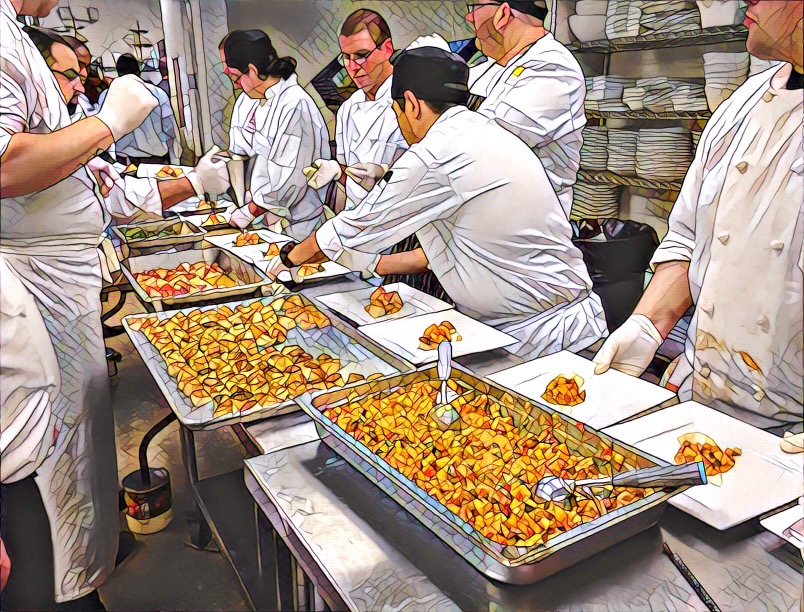
Furthermore, their preparation of mise en place – the organized arrangement of all ingredients and equipment needed for cooking – allows line cooks to work more efficiently. This streamlined process means less time spent by higher-paid line cooks on basic preparation tasks, allowing them to focus on cooking and plating, which directly impacts service speed and table turnover. The financial benefit here is two-fold: reduced ingredient waste and optimized labor allocation. A well-prepped kitchen is a more profitable kitchen, and prep cooks are the architects of that efficiency.
Enhancing Kitchen Efficiency and Service Speed
The efficiency of a kitchen is directly correlated with the quality and timeliness of its prep work. Prep cooks, through their consistent and organized efforts, ensure that the entire kitchen operates like a well-oiled machine. Their readiness to have ingredients pre-cut, measured, and organized means that when a ticket comes in, the line cooks can focus on the cooking process without delays. This leads to faster ticket times, which is crucial for maximizing the number of covers (customers served) in a given period.
In a restaurant setting, particularly during peak hours, every minute counts. A delay in one station due to incomplete prep can cause a ripple effect, impacting multiple dishes and potentially leading to customer dissatisfaction. Prep cooks, by ensuring a constant supply of ready-to-use ingredients, directly contribute to smoother service, reduced stress on the kitchen team, and a better overall dining experience for the customer. This efficiency directly impacts the restaurant’s revenue by allowing them to serve more guests and potentially achieve higher table turn rates, especially in high-volume establishments. Their contribution to an efficient workflow is a fundamental driver of profitability.
Contribution to Product Quality and Consistency
The financial success of a restaurant is intrinsically linked to the quality and consistency of its food. Prep cooks are instrumental in achieving this. By meticulously following recipes and established procedures for preparing ingredients, they ensure that each dish served meets the restaurant’s standards, regardless of who is cooking it. This consistency builds customer loyalty and a strong brand reputation, both of which are vital for long-term financial success.
For instance, a signature sauce that relies on specific ingredient ratios and cooking times will taste the same every time if the prep cook accurately measures and prepares the components. Similarly, the precise trimming and cutting of proteins ensure consistent cooking times and presentation. This reliability in product quality reduces the likelihood of dishes being sent back, leading to less food waste, fewer comped meals, and a more positive customer experience, all of which have a direct impact on the bottom line. The financial return on consistent quality is immeasurable in terms of customer retention and positive word-of-mouth.
Career Progression and Financial Growth Opportunities
While the role of a prep cook can be a rewarding career in itself, it also serves as a vital stepping stone for individuals seeking to advance within the culinary industry. The financial growth potential is directly tied to the willingness to learn, develop skills, and take on greater responsibility.
From Prep Cook to Line Cook: A Common Trajectory
The most common and direct career path for a prep cook is to transition into a line cook position. This promotion typically comes with a significant increase in pay. Line cooks are responsible for cooking specific stations (e.g., sauté, grill, fry) and are more directly involved in the execution of dishes. As a prep cook gains experience, demonstrating proficiency in basic knife skills, understanding of ingredients, and a strong work ethic, they become prime candidates for these more skilled and higher-paying roles. The transition is often facilitated by the kitchen manager or head chef, who recognizes the value of promoting from within and investing in existing staff. This upward mobility is a crucial aspect of financial growth for individuals in this field.
Developing Specialized Skills and Leadership Roles
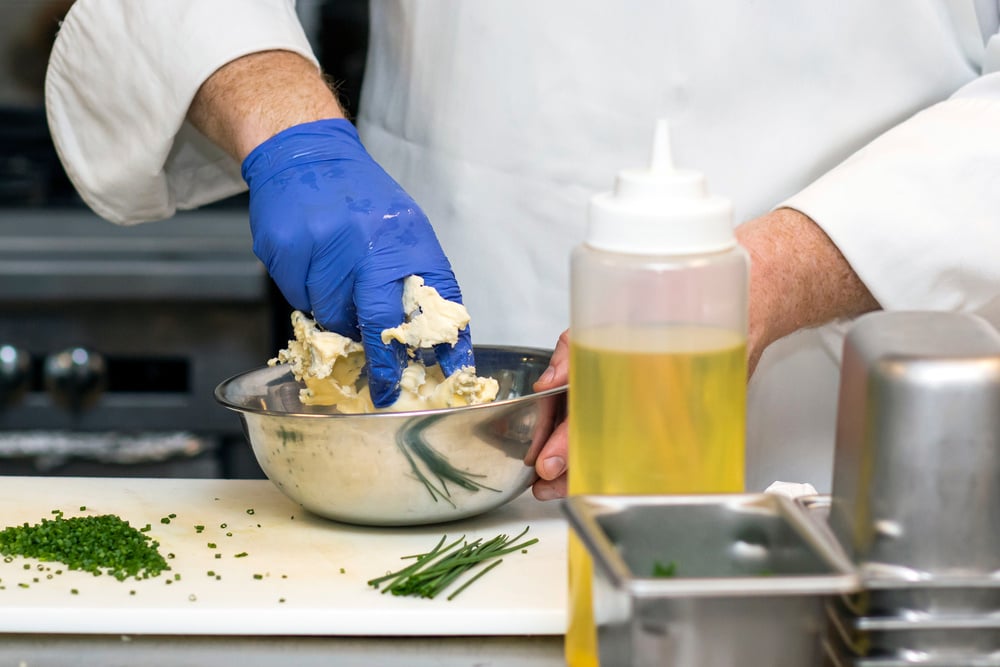
Beyond becoming a line cook, prep cooks have opportunities to develop specialized skills that can lead to higher earning potential. Some might focus on pastry preparation, while others might excel in butchery or specialized sauce making. These specialized skills are often in high demand and can command better salaries. Furthermore, with further experience and demonstrated leadership qualities, a prep cook can aspire to supervisory roles within the kitchen.
This could include positions like lead prep cook, where they are responsible for managing a team of prep cooks, overseeing inventory, and ensuring that prep schedules are met. In larger establishments, this could even evolve into roles like sous chef, a second-in-command position to the head chef, which involves significant responsibility and a substantial increase in salary and benefits. These leadership roles offer not only financial rewards but also greater professional fulfillment and influence within the kitchen hierarchy. The financial growth here is not just about individual earnings but also about taking on greater organizational responsibility.
Entrepreneurship and Independent Culinary Ventures
For some ambitious individuals, the experience gained as a prep cook can serve as the foundation for entrepreneurial endeavors. Many successful chefs and restaurateurs started their careers in entry-level kitchen positions, including prep cook. The intimate understanding of kitchen operations, food costs, and workflow gained through this role is invaluable for anyone considering opening their own business.
This could range from starting a catering company, a food truck, or even a small café. The financial investment and risk are significant, but the potential for financial reward and personal autonomy is also substantial. The skills honed in preparation, organization, and efficiency as a prep cook directly translate to the skills needed to manage a business, control expenses, and deliver a quality product. For those with a strong vision and the drive to succeed, the humble beginnings of a prep cook can indeed lead to significant financial independence and entrepreneurial success in the vibrant world of food.
In conclusion, the role of a prep cook, while often overlooked, is a financially significant one. Their earnings are influenced by a complex interplay of factors, and their contributions are essential to the profitability and success of any food service establishment. As a stepping stone for career advancement and a potential launchpad for entrepreneurship, the prep cook position offers more than just a wage; it provides a foundational understanding of the culinary industry that can pave the way for substantial financial growth and a rewarding career.
aViewFromTheCave is a participant in the Amazon Services LLC Associates Program, an affiliate advertising program designed to provide a means for sites to earn advertising fees by advertising and linking to Amazon.com. Amazon, the Amazon logo, AmazonSupply, and the AmazonSupply logo are trademarks of Amazon.com, Inc. or its affiliates. As an Amazon Associate we earn affiliate commissions from qualifying purchases.