
The profound grief of losing a beloved canine companion is a universally challenging experience. When a dog dies at home, the immediate shock and emotional pain can make it difficult to think clearly, especially about practical and financial matters. While your focus will undoubtedly be on processing the loss, understanding the financial implications and necessary steps can alleviate some stress during this incredibly vulnerable time. This guide delves into the monetary considerations, decisions, and long-term financial planning associated with the death of a pet at home, providing a professional and insightful framework for navigating these difficult waters.
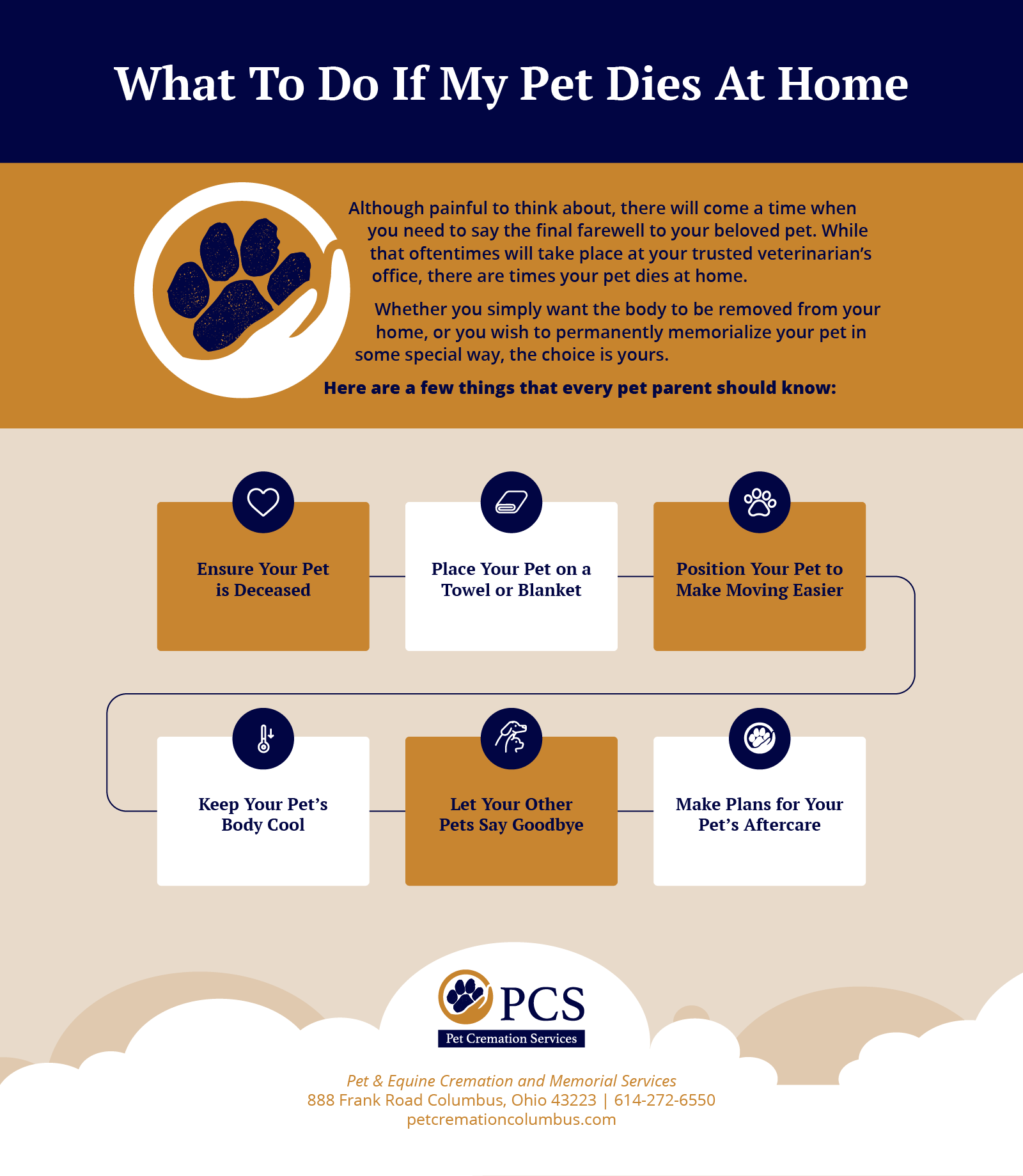
Immediate Financial Actions and Critical Decisions
The moments following a pet’s death at home often involve a whirlwind of emotion. However, certain financial decisions need to be made relatively quickly. Being aware of these in advance, or having a plan, can provide a semblance of control during an otherwise overwhelming period.
Understanding End-of-Life Veterinary Costs
Even if your dog passed away at home, there might still be veterinary costs involved, particularly if the death was anticipated due to illness or old age, and you had previously consulted with a veterinarian. These costs can include:
- Euthanasia Services (if applicable): While the title specifies “died at home,” it’s common for owners to make the difficult decision for at-home euthanasia to spare their pet stress. This service, often performed by a mobile veterinarian, carries a professional fee. These costs can vary significantly based on location, time of day, and the veterinarian’s specific practice.
- Consultation Fees: If a veterinarian was called to the home to assess the situation before the pet passed, or to confirm death, there would be a consultation fee.
- Medical Management Costs: Leading up to the pet’s final moments, there might have been ongoing medical treatments, medications, or palliative care. These accumulated expenses contribute to the overall financial impact of end-of-life care. Maintaining clear records of these expenses is crucial, especially if you have pet insurance.
Navigating Post-Mortem Services: Cremation vs. Burial
One of the most immediate and significant financial decisions relates to your pet’s remains. The options typically include cremation or burial, each with distinct cost structures.
- Cremation: This is often the most common choice. Costs vary depending on the pet’s size, the type of cremation chosen, and the provider.
- Communal Cremation: Involves multiple pets cremated together, with ashes scattered in a shared garden or land. This is generally the most economical option, as you do not receive your pet’s ashes back.
- Private or Individual Cremation: Your pet is cremated alone, and their ashes are returned to you. This is a more expensive option, and costs can further escalate if you choose a special urn or memorial box. Prices can range from $150 for a small pet to over $500 for a very large dog, not including urns or keepsakes.
- Transportation Fees: Many veterinary clinics and pet bereavement services offer pick-up from your home or require you to transport your pet to their facility or a crematorium. There may be an additional fee for at-home pick-up, particularly if it’s an emergency or outside standard business hours.
- Burial: For some, burying their pet on their own property is a meaningful choice. While it might seem to have no direct financial cost, local regulations, zoning laws, and environmental considerations should be researched. In some municipalities, backyard burial is prohibited or requires specific conditions. If you choose a pet cemetery, costs can include:
- Plot Purchase: Similar to human cemeteries, this involves buying a specific plot of land.
- Interment Fees: The cost to prepare the grave and bury your pet.
- Headstone/Marker: An additional expense for a personalized memorial.
- Perpetual Care Fees: Some cemeteries charge an annual fee for maintenance.
Pet cemetery costs can range from hundreds to thousands of dollars, depending on the services and location.
It is advisable to research local pet bereavement services, including veterinary clinics that partner with crematories, to understand the full spectrum of costs and services available in your area. Many providers offer bundled packages that simplify the process and pricing.
Evaluating Pet Insurance and Other Financial Safety Nets
The financial impact of a pet’s passing can sometimes be mitigated by prior financial planning, particularly through pet insurance or dedicated savings. Understanding how these resources apply is crucial.
Claiming Benefits from Pet Insurance
If you had pet insurance, it’s essential to understand what, if anything, it covers in the event of your pet’s death. Policies vary widely, but typically, pet insurance is designed to cover the costs of veterinary care for accidents and illnesses, not necessarily the actual cost of death or post-mortem services. However, there are exceptions:
- Euthanasia Coverage: Some policies will cover the cost of humane euthanasia if it’s deemed medically necessary by a veterinarian due to an accident or incurable illness. Review your policy’s “accident & illness” or “wellness” riders carefully.
- Bereavement Support: A few premium pet insurance plans are beginning to offer limited bereavement support or memorial benefits, though these are rare and often low in value compared to overall costs.
- Unused Deductibles/Limits: Ensure all eligible veterinary expenses leading up to your pet’s death (diagnostic tests, medications, specialist consultations) have been submitted for reimbursement, even if the death occurred at home. You may still be able to claim these expenses up to your policy limits and after your deductible.
- Cancellation/Refunds: Contact your insurance provider promptly to cancel the policy. In some cases, if you’ve paid premiums in advance, you may be eligible for a pro-rated refund.
Carefully review your specific policy documents or contact your pet insurance provider directly to understand what benefits, if any, are applicable and the process for filing a claim.
Reviewing Existing Pet Savings Accounts
Many pet owners wisely establish a dedicated savings account for their pet’s health and well-being. In the event of a pet’s death, these funds can become critical:
- Covering Immediate Expenses: Funds can be used to pay for cremation, burial, or any outstanding veterinary bills without impacting your primary emergency fund.
- Memorialization: A portion of these savings might be allocated to creating a lasting memorial, such as a garden stone, a custom portrait, or a charitable donation in your pet’s name.
- Financial Cushion: The remaining funds can offer a financial cushion, providing peace of mind during a difficult emotional period. It might also be a starting point for a “new pet fund” if you foresee welcoming another animal into your life in the future.
Having these funds readily available can significantly reduce financial strain during an already stressful time, allowing you to focus on grieving.
The Financial Impact of Uninsured Losses
For pet owners without insurance or dedicated savings, the financial burden of a pet’s passing can be substantial. Understanding the potential financial strain is important:
- Emergency Fund Depletion: Unplanned expenses for post-mortem services can deplete personal emergency funds, potentially jeopardizing your financial stability for other unforeseen events.
- Credit Card Debt: Some owners may resort to using credit cards to cover immediate costs, leading to interest accumulation and increased debt. This can compound the emotional stress with financial anxiety.
- Delayed Financial Goals: Diverting funds to cover unexpected pet loss expenses can delay progress on other financial goals, such as saving for a down payment, retirement, or educational expenses.
This highlights the importance of proactive financial planning for pet ownership, including considering pet insurance or building a dedicated pet emergency fund.
Long-Term Financial Planning and Emotional Recovery Resources

Beyond the immediate financial considerations, the loss of a pet can have long-term financial implications and may necessitate budgeting for emotional support.
Budgeting for Memorials and Keepsakes
Many find comfort in memorializing their beloved pet. These tributes, while emotionally invaluable, often come with a cost:
- Urns and Ashes Jewelry: If you choose private cremation, a decorative urn is often an additional expense. Many companies also offer custom jewelry that can hold a small portion of ashes, ranging from tens to hundreds of dollars.
- Custom Portraits or Art: Commissioning a painting, sculpture, or digital art piece of your pet can be a beautiful way to remember them. Artists’ fees vary widely based on their experience and the medium.
- Memorial Garden Stones or Plaques: For those with gardens, a personalized stone or plaque can create a dedicated space for remembrance.
- Donations in Memoriam: Many choose to honor their pet by making a donation to an animal shelter, rescue organization, or pet-related charity in their pet’s name. This can also offer a potential tax deduction, so keep records of such contributions.
Allocate a specific portion of your budget for these items, understanding their value in the grieving process.
Financial Support for Grief Counseling
The grief associated with losing a pet is real and profound, often comparable to losing a human family member. Some individuals may benefit from professional grief counseling, and it’s important to consider the financial aspect of such support.
- Therapist Fees: Licensed therapists specializing in pet loss can charge anywhere from $75 to $200+ per session. Some may offer sliding scale fees based on income.
- Support Groups: While individual therapy can be costly, many humane societies, veterinary schools, or community organizations offer free or low-cost pet loss support groups. These can provide immense emotional support without significant financial burden.
- Insurance Coverage: Check with your health insurance provider to see if mental health services, including grief counseling, are covered. Even if it’s not specifically “pet loss counseling,” general grief support may be eligible.
Prioritizing mental well-being during this time is crucial, and it’s worth exploring the financial options available for accessing support.
Re-evaluating Future Pet Ownership Finances
The experience of losing a pet can also be a catalyst for re-evaluating your financial preparedness for future pet ownership.
- Emergency Fund Review: If your pet’s passing highlighted gaps in your financial safety net, now is an opportune time to reassess and bolster your emergency fund.
- Pet Insurance Considerations: If you didn’t have pet insurance, or if your current policy proved inadequate, research different providers and coverage options for any future pets.
- Long-Term Care Planning: Consider how you would financially manage potential chronic illnesses or end-of-life care for a future pet. This might involve setting up a recurring contribution to a pet savings account.
- Budget Adjustments: Analyze your household budget for pet-related expenses that are now gone (food, grooming, routine vet visits) and decide how to reallocate those funds – perhaps towards savings, debt reduction, or future pet preparations.
This forward-looking financial planning can transform a difficult experience into an opportunity for greater financial resilience.
Practical Financial Steps for Closure
As you move through the grieving process, there are several practical financial steps that can help bring closure and adjust your financial landscape.
Cancelling Subscriptions and Services
Upon the death of your dog, remember to cancel any recurring services or subscriptions related to their care:
- Pet Food/Medication Subscriptions: Many companies offer auto-ship services. Ensure these are halted to avoid unwanted charges.
- Grooming or Daycare Appointments: Cancel any upcoming appointments to prevent cancellation fees or unnecessary charges.
- Pet Sitter/Walker Services: Inform these individuals or services of your loss and cancel future bookings.
- Pet Insurance: As mentioned, contact your pet insurance provider to cancel the policy and inquire about any refunds.
Timely cancellation of these services will prevent unnecessary expenditures and help adjust your ongoing budget.
Adjusting Household Budgets Post-Pet
The departure of a pet from your household will inevitably alter your monthly budget. While painful to consider, adjusting your financial plan is a practical necessity.
- Reduced Expenses: Factor in the savings from no longer purchasing pet food, treats, toys, flea/tick medication, and routine veterinary care. These savings can be significant.
- Reallocation of Funds: Decide how to reallocate these newly available funds. Options include:
- Boosting Savings: Directing the funds to an emergency fund, retirement account, or a “future pet fund.”
- Debt Reduction: Using the extra funds to pay down high-interest debt.
- Personal Well-being: Investing in activities or services that support your own healing and well-being.
- Tax Implications: While pets are not generally considered dependents for tax purposes, certain veterinary expenses may have been deductible if your pet was a service animal. If this applied to you, ensure your records are in order.

Charitable Donations in Memoriam: Tax Implications
Making a donation to an animal welfare organization in your pet’s name is a common and heartwarming way to honor their memory. Financially, these donations can also offer a tax benefit.
- Deductibility: Donations to qualified non-profit organizations (501(c)(3) in the U.S.) are generally tax-deductible. Keep records of your contributions, including the organization’s name, the date, and the amount donated.
- Emotional Benefit: Beyond the financial aspect, these donations provide a sense of purpose and comfort, knowing that your pet’s legacy is helping other animals in need.
Losing a pet at home is an emotionally devastating event. While grief takes precedence, attending to the financial aspects—from immediate decisions about remains to long-term budgeting and emotional support—is a critical component of navigating this challenging experience. Proactive financial planning, understanding your options, and making informed decisions can ease some of the burden, allowing you to focus on healing and remembering the joyous life you shared with your beloved companion.
aViewFromTheCave is a participant in the Amazon Services LLC Associates Program, an affiliate advertising program designed to provide a means for sites to earn advertising fees by advertising and linking to Amazon.com. Amazon, the Amazon logo, AmazonSupply, and the AmazonSupply logo are trademarks of Amazon.com, Inc. or its affiliates. As an Amazon Associate we earn affiliate commissions from qualifying purchases.