
The hack squat, a staple in strength training routines, is often discussed in terms of its effectiveness for building lower body musculature. While its primary function is undeniably physiological, understanding what it targets can be significantly enhanced through a technological lens. Modern fitness is increasingly reliant on data, biomechanical analysis, and smart equipment to optimize performance and understanding. This article will delve into the primary muscle groups targeted by the hack squat, exploring how technology, from the machine’s design to the data we can extract from its use, plays a crucial role in maximizing its benefits.
The Biomechanical Blueprint: Understanding Hack Squat Mechanics
At its core, the hack squat is a compound lower body exercise. However, the specific mechanics of the machine, particularly the angled sled and the fixed back support, differentiate it from other squat variations like the barbell back squat or front squat. This unique setup dictates the biomechanical stress placed on the muscles.
Primary Movers: The Quadriceps Dominance
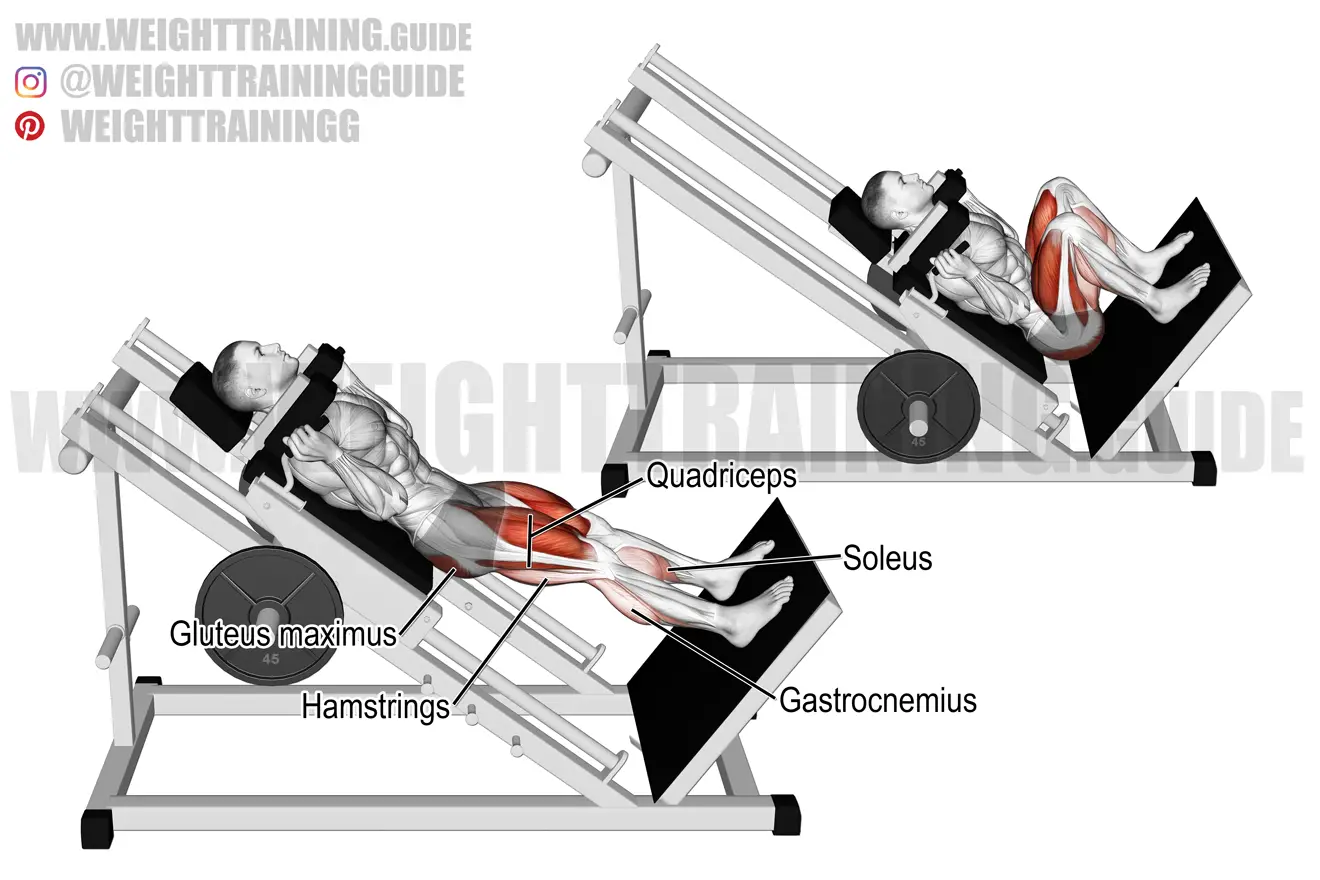
The most evident target of the hack squat is the quadriceps femoris muscle group, located on the front of the thigh. This powerful group of four muscles – the rectus femoris, vastus lateralis, vastus medialis, and vastus intermedius – is responsible for extending the knee joint.
Unpacking Quadriceps Activation
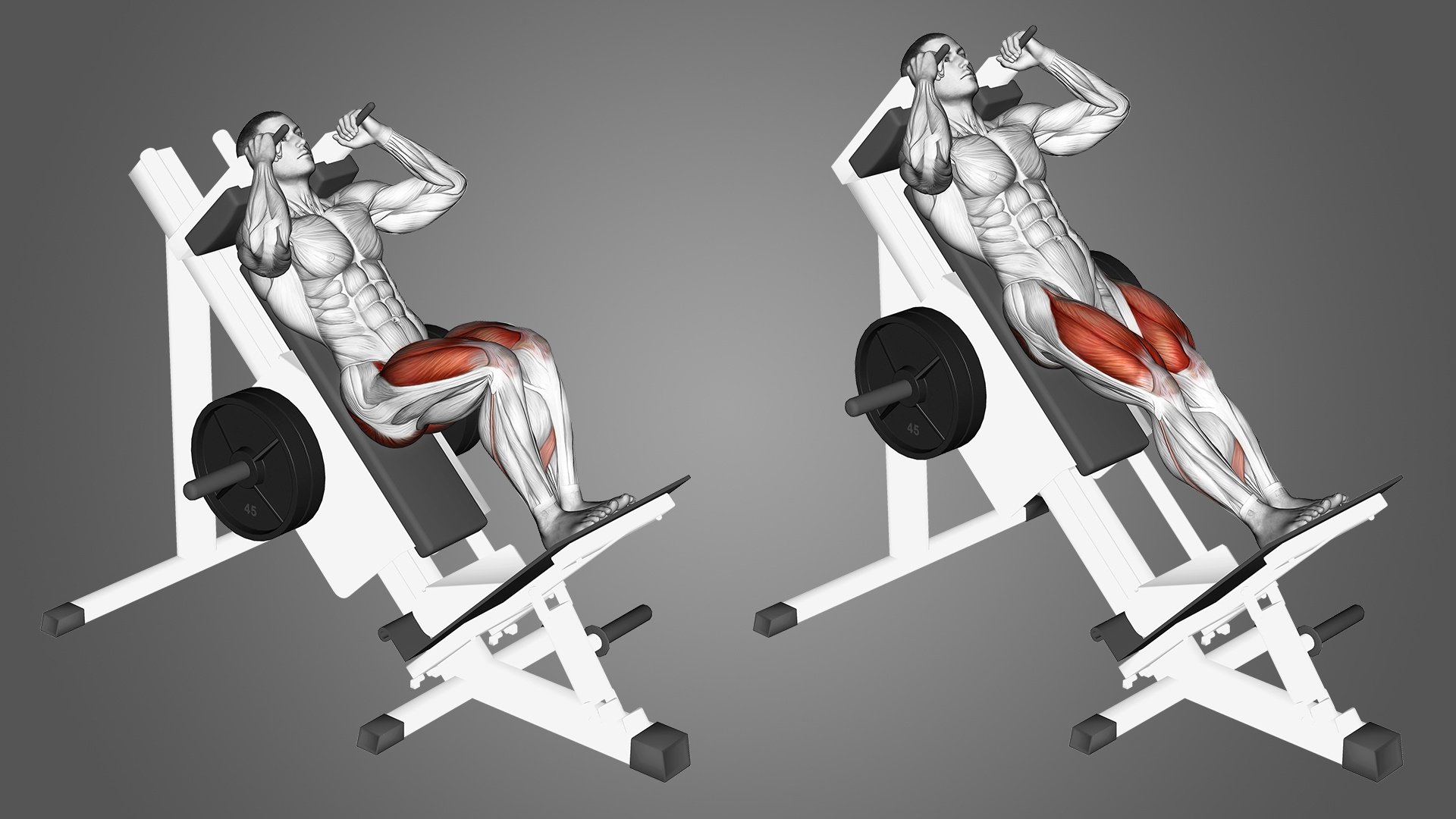
The hack squat machine’s fixed trajectory and the angle of the sled force a significant amount of knee flexion and extension. This motion, especially under load, directly engages the quads to overcome the resistance. The inclined angle of the machine, compared to a free-weight squat where the body can move more freely, often allows individuals to lift heavier weights, thereby imposing a greater stimulus on the quadriceps.
- Rectus Femoris: This muscle, unique among the quads for also crossing the hip joint, is particularly engaged when the knees are flexed and the hips are extended. In the hack squat, while hip extension is present, the emphasis on deep knee flexion places a primary demand on the quads for terminal knee extension.
- Vastus Muscles (Lateralis, Medialis, Intermedius): These three muscles are purely knee extensors. The hack squat’s direct line of force through the knees ensures they receive substantial activation. The specific positioning on the machine can subtly alter the emphasis. For instance, a slightly deeper range of motion will increase the stretch and subsequent contraction of the vastus muscles.
Secondary Contributors: Gluteal and Hamstring Involvement
While the quadriceps are the star players, the hack squat is far from a single-joint exercise. The gluteal muscles (gluteus maximus, medius, and minimus) and the hamstrings (semitendinosus, semimembranosus, and biceps femoris) play crucial supporting roles, contributing to hip extension and stabilizing the movement.
The Role of Hip Extension and Stability
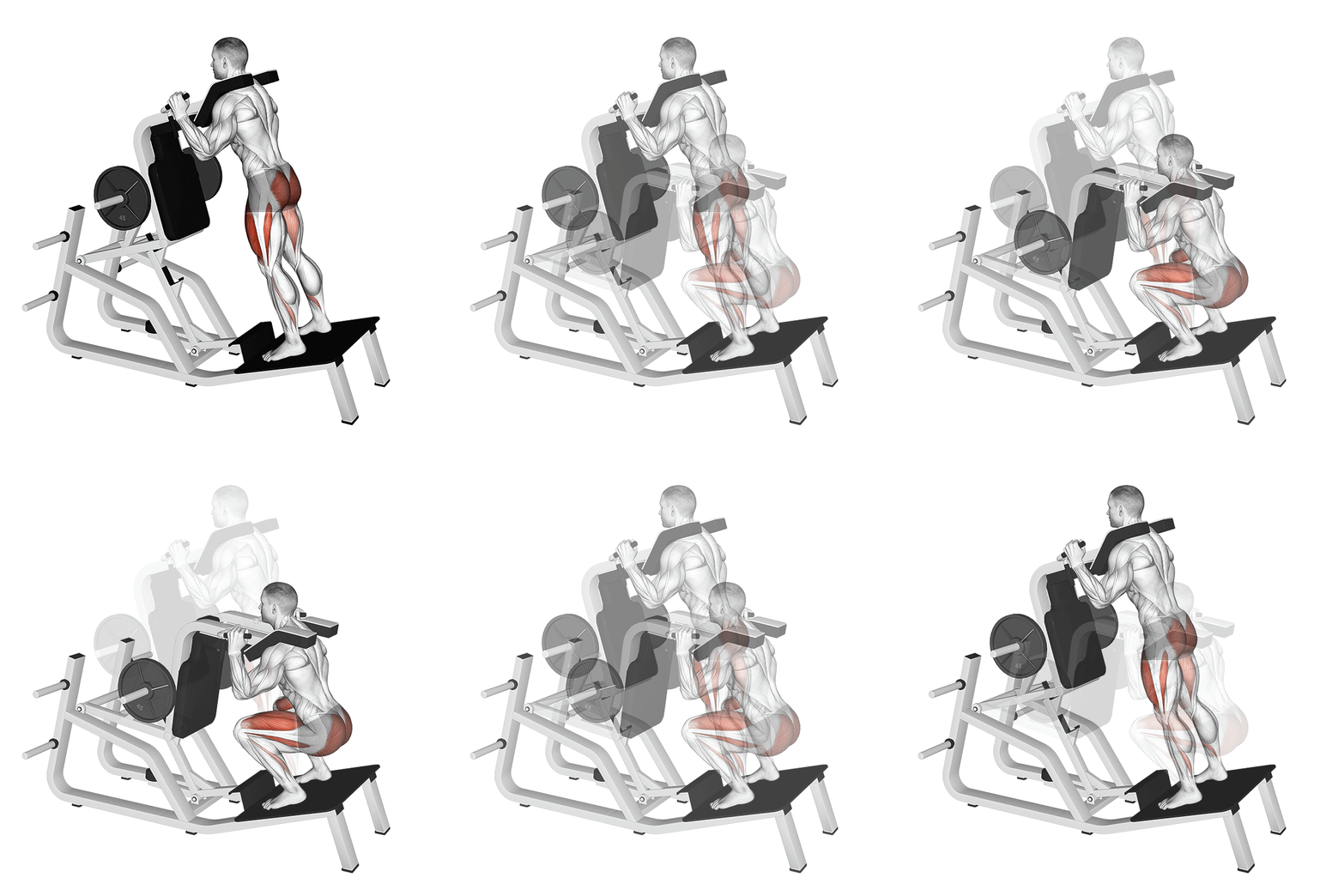
The gluteus maximus, the largest muscle in the body, is a primary hip extensor. As you drive up from the bottom of the hack squat, the glutes work in conjunction with the quads to extend the hips. The degree of gluteal activation can be influenced by factors such as foot placement and the depth of the squat.
- Foot Placement and Gluteal Emphasis: Placing the feet higher on the sled platform generally increases the degree of hip flexion at the bottom of the movement. This leads to a greater stretch on the gluteal muscles and, consequently, more significant activation during the ascent as they contribute to hip extension. This subtle adjustment can shift the balance of the exercise, allowing for targeted glute development alongside quadriceps growth.
- Hamstring Synergy: The hamstrings, primarily responsible for hip extension and knee flexion, act synergistically with the quadriceps and glutes in the hack squat. While they don’t experience the same level of direct, isolated stress as the quads, their role in stabilizing the knee and assisting with hip extension is vital for a controlled and effective repetition.
Leveraging Technology for Optimized Hack Squat Performance
The “hack” in hack squat, in a modern context, can also refer to the clever application of technology to enhance training. From the engineering of the machines themselves to the digital tools that track progress, technology plays an increasingly vital role in understanding and optimizing this exercise.
Machine Design and Biomechanical Engineering
The hack squat machine is a product of applied biomechanical engineering. Its design is intended to isolate lower body muscles while providing stability and reducing the risk of injury associated with free-weight squats, especially for individuals with certain physical limitations or those looking to push their limits safely.
The Influence of Angle and Support
The angled sled and the padded shoulder rests create a fixed path for the weight to travel. This engineered trajectory directs the primary force through the knee joint, maximizing quadriceps engagement. The back support provides crucial stability, allowing the lifter to focus on pushing the weight through the full range of motion without needing to engage stabilizer muscles to the same extent as in a barbell squat.
- Variable Resistance Curves: Advanced hack squat machines may incorporate features that adjust the resistance curve throughout the movement. This means the weight can feel different at various points in the range of motion, potentially targeting specific muscle fibers more effectively or accommodating natural strength variations throughout the lift. These sophisticated designs are the result of detailed biomechanical analysis and technological innovation.
- Safety Features: Modern hack squat machines often include safety catches that can be engaged to stop the descent if a lifter falters. This technological safety net allows individuals to train closer to their muscular failure point with a reduced risk of injury, thereby enhancing the effectiveness of the training stimulus.
Data-Driven Training and Performance Analytics
The integration of technology into fitness tracking has revolutionized how we approach exercises like the hack squat. Wearable devices, smart gym equipment, and dedicated fitness apps provide valuable data that can inform training decisions and track progress meticulously.
Tracking Volume, Intensity, and Progress
- Smart Machines and Sensors: Some modern hack squat machines are equipped with sensors that can track metrics such as repetitions, time under tension, and even the velocity of the movement. This real-time data can be invaluable for coaches and athletes to monitor training loads and identify areas for improvement.
- Wearable Fitness Trackers: While not directly measuring hack squat performance, wearable devices can track overall activity levels, heart rate response, and recovery metrics. This broader physiological data can help inform training intensity and recovery protocols, ensuring that the stress from hack squats is appropriately managed within a larger training program.
- Fitness Apps and Performance Logging: Digital platforms allow users to log their hack squat workouts, including weight, reps, and sets. Many of these apps also offer analytics to visualize progress over time, identify plateaus, and suggest adjustments to training variables. This systematic approach, powered by digital tools, transforms subjective effort into quantifiable data for objective improvement.
- Electromyography (EMG) and Biomechanical Analysis Software: In more advanced or research settings, electromyography (EMG) can be used to measure the electrical activity in muscles during a hack squat. This provides direct, objective data on muscle activation levels. Biomechanical analysis software, often used in conjunction with motion capture technology, can further break down the movement, identifying specific joint angles and forces to optimize technique and target muscle engagement.
Variations and Technological Enhancements in Hack Squats
Beyond the standard hack squat machine, variations exist, and technological integration continues to evolve how this exercise is performed and understood.
Foot Placement and Stance Variations
The placement of the feet on the sled is a key variable that can alter the emphasis of the hack squat. This is where subtle technological considerations in machine design become relevant.
Optimizing for Specific Muscle Groups
- Higher Foot Placement: As mentioned, a higher foot placement increases hip flexion and can lead to greater gluteal and hamstring engagement. The width of the foot platform on the machine is a design element that accommodates this.
- Lower Foot Placement: A lower foot placement generally increases the range of motion at the knee, placing a greater emphasis on the quadriceps, particularly the vastus medialis.
- Wider Stance: A wider stance can also shift the emphasis, potentially increasing adductor (inner thigh) involvement and allowing for a deeper squat for some individuals. The ergonomic design of the footplate caters to various stances.
The Future: AI-Powered Coaching and Personalized Training
The intersection of technology and fitness is rapidly advancing, with Artificial Intelligence (AI) poised to play an even larger role in optimizing exercises like the hack squat.
Intelligent Adaptation and Guidance
- AI-Driven Form Correction: Imagine AI-powered cameras that analyze your hack squat form in real-time, providing instant feedback on your posture, depth, and movement path. This technology could offer personalized cues to improve technique and reduce the risk of injury, similar to having a virtual coach.
- Personalized Load Recommendations: AI algorithms can analyze your historical performance data, recovery status, and physiological responses to suggest optimal weights, rep ranges, and rest periods for hack squats, tailoring your training to your unique physiology and goals.
- Virtual Reality (VR) and Augmented Reality (AR) Integration: While still nascent in strength training, future applications of VR/AR could involve virtual coaching environments or overlaying biomechanical data onto your real-time movements, offering a highly immersive and data-rich training experience.
In conclusion, while the hack squat fundamentally targets the lower body musculature, primarily the quadriceps, with synergistic involvement from the glutes and hamstrings, its modern application is deeply intertwined with technology. From the biomechanical principles embedded in the machine’s design to the sophisticated data analytics and AI-driven insights available today, understanding the “what” of hack squats is increasingly about understanding the “how” that technology enables. By leveraging these technological advancements, individuals can optimize their training, achieve their goals more efficiently, and train smarter than ever before.
aViewFromTheCave is a participant in the Amazon Services LLC Associates Program, an affiliate advertising program designed to provide a means for sites to earn advertising fees by advertising and linking to Amazon.com. Amazon, the Amazon logo, AmazonSupply, and the AmazonSupply logo are trademarks of Amazon.com, Inc. or its affiliates. As an Amazon Associate we earn affiliate commissions from qualifying purchases.