
The humble sweet potato, a staple in kitchens across the globe, often evokes a singular image: a rich, earthy orange. Yet, a closer look reveals a far more vibrant and complex spectrum of colors. From deep purples and creamy whites to speckled skins and interiors that defy expectation, the chromatic diversity of sweet potatoes is as intriguing as it is delicious. This visual variety, however, is far more than just a horticultural curiosity; it is a critical, often underestimated, element in the branding and marketing of agricultural produce. In a competitive marketplace, the color of a food item acts as an immediate, visceral signal, influencing consumer perception, driving purchasing decisions, and ultimately shaping the brand identity of specific varieties and the agricultural sector as a whole.
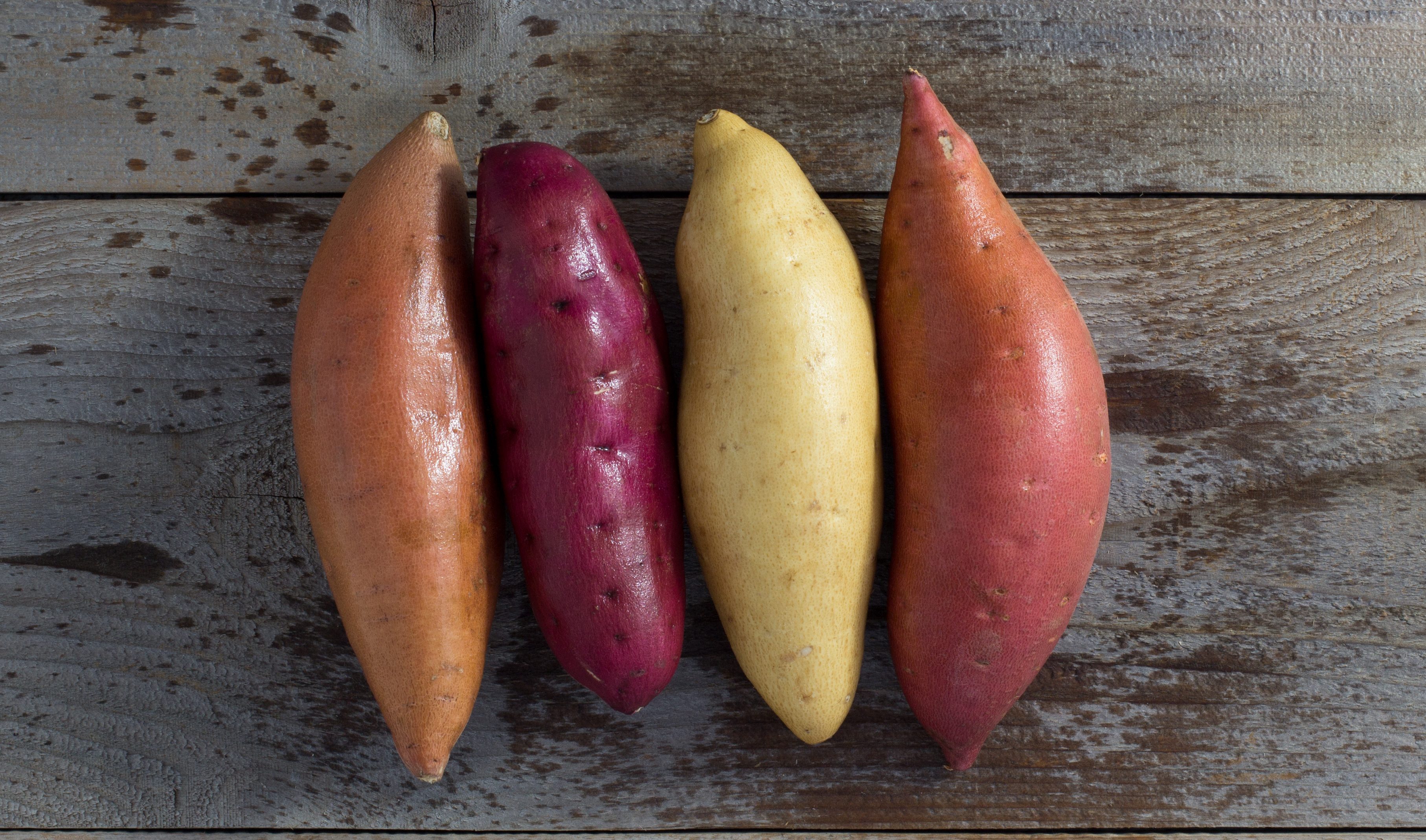
The Spectrum of Sweet Potato Hues: A Visual Lexicon for Consumers and Brands
The common perception of a sweet potato as solely orange masks a fascinating array of genetic variations that manifest in distinct external and internal colors. These colors are not merely aesthetic; they are often indicators of different nutrient profiles, flavor nuances, and textural qualities, all of which can be leveraged in branding efforts.
Beyond the Orange: Unveiling the Diverse Palette
While the Beauregard variety, with its characteristic copper skin and vibrant orange flesh, dominates much of the commercial market, it represents just one facet of the sweet potato family. Other prominent colors include:
- Purple Sweet Potatoes: These striking tubers boast deep purple to almost black skin and flesh. Their vivid hue is due to anthocyanins, powerful antioxidants also found in blueberries and red wine. Varieties like the Stokes Purple® offer a complex, slightly drier texture and a less sweet, earthy flavor that appeals to a more sophisticated palate. The intense color itself is a powerful branding tool, immediately suggesting healthfulness and exoticism.
- White/Cream Sweet Potatoes: Less common but equally appealing, these varieties possess pale skin and creamy white or pale yellow flesh. They often have a milder, subtly sweet flavor and a smoother, sometimes more starchy texture. Examples include the Okinawan sweet potato (though technically pale purple inside, its name often associates it with lighter hues) or certain Japanese varieties. Their understated elegance can be positioned as a more subtle, versatile option in culinary branding.
- Bi-colored and Speckled Varieties: Some sweet potatoes exhibit fascinating color patterns, with marbled interiors, mottled skins, or streaks of different colors. These unique visual characteristics can be highlighted to create a sense of novelty and premium quality.
The “Why” Behind the Color: Nutritional and Flavor Signifiers
The branding implications of these colors are rooted in their association with tangible benefits.
- Antioxidant Powerhouses: The deep orange and purple varieties are exceptionally rich in beta-carotene (for orange) and anthocyanins (for purple), respectively. This direct correlation between vibrant color and potent antioxidants is a key selling point. Brands can effectively communicate health benefits by showcasing the intense pigments of their sweet potato offerings.
- Flavor Profiles and Culinary Versatility: While all sweet potatoes are sweet, the intensity and type of sweetness, along with textural differences, vary. Orange-fleshed varieties are typically moister and sweeter, ideal for baking and desserts. Purple varieties, with their earthier notes, lend themselves to savory dishes and unique culinary creations. White varieties offer a milder sweetness and a texture that can be more akin to a traditional potato, making them versatile in a broader range of applications. This differentiation in flavor and texture allows for targeted branding towards specific culinary markets or consumer preferences.
Color as a Brand Differentiator: Capturing Consumer Attention in a Crowded Market
In the fast-paced world of grocery shopping, visual cues play an outsized role in attracting consumer attention. The color of a sweet potato acts as an immediate brand signifier, influencing perceptions of freshness, quality, and even origin before any other attribute is considered.
The Psychology of Color in Food Marketing
Consumers instinctively associate certain colors with specific qualities and experiences.
- Orange: The archetypal orange sweet potato is linked to warmth, comfort, sunshine, and a general sense of well-being. It’s familiar, accessible, and widely accepted as a healthy and delicious choice. This deep-seated association makes it a reliable and popular brand identifier.
- Purple: The striking purple of certain sweet potatoes taps into a different consumer psychology. It evokes novelty, sophistication, a connection to “superfoods,” and often, a perception of exotic origin. This can appeal to health-conscious consumers seeking unique ingredients or those looking for visually dramatic elements in their cooking.
- White/Cream: These colors often suggest a more neutral, sophisticated, or even delicate quality. They can be positioned as a subtle, versatile base ingredient, appealing to consumers who prefer less intense flavors or seek ingredients that can seamlessly integrate into a variety of dishes without overpowering other elements.
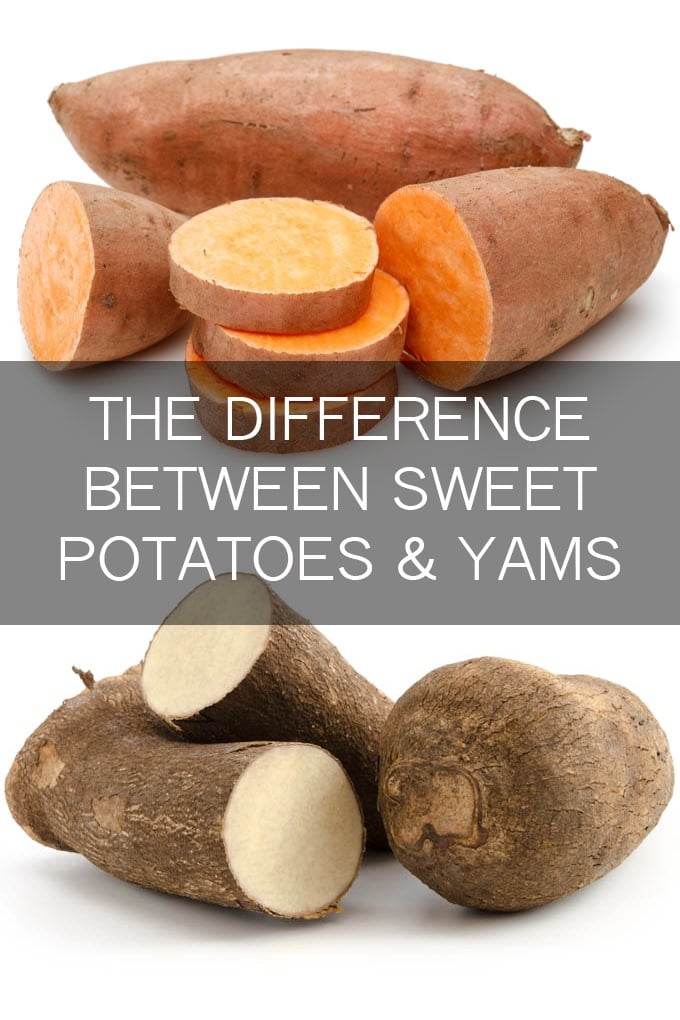
Packaging and Presentation: Amplifying the Color Story
The way sweet potatoes are packaged and presented in retail environments is crucial for leveraging their color as a branding tool.
- Single-Color Focus: Brands might choose to highlight a specific color to build a distinct identity. For example, a brand specializing in purple sweet potatoes could use packaging that emphasizes this unique hue, perhaps with minimalist designs that let the natural color of the produce shine through. This creates a recognizable signature.
- Color-Coded Information: Clear labeling that visually references the color of the sweet potato, alongside its nutritional benefits or suggested uses, can further enhance its appeal. Imagine packaging that uses color swatches or images that directly represent the interior and exterior of the specific variety being sold.
- Storytelling Through Color: Beyond simple visual appeal, color can be woven into the narrative of a brand. For purple sweet potatoes, the story might revolve around their antioxidant power and unique cultivation. For orange, it might be about family traditions and comforting meals. This narrative adds depth and emotional connection to the product.
Building Brand Loyalty Through Color Consistency and Quality Assurance
While color is an initial draw, building lasting brand loyalty requires consistency in quality and a clear understanding of what each color signifies. Brands that effectively leverage color must ensure that the product inside the packaging lives up to the visual promise.
Ensuring Product Integrity: From Farm to Shelf
- Variety Selection and Growing Practices: Brands that focus on specific colors must invest in reliable seed sources, optimized growing conditions, and proper harvesting techniques to ensure consistent color development and quality across batches. Inconsistent coloration can quickly erode consumer trust.
- Quality Control: Rigorous quality control measures are essential to sort out produce that doesn’t meet the color and quality standards. Bruised, discolored, or misshapen sweet potatoes detract from the intended brand image.
- Supply Chain Management: A well-managed supply chain ensures that the sweet potatoes reach consumers in optimal condition, preserving their vibrant colors and freshness. This involves careful handling, appropriate storage temperatures, and efficient transportation.
Educating Consumers: Connecting Color to Culinary Experience
A key aspect of successful branding is educating consumers about the unique attributes associated with each color.
- Recipe Development and Usage Suggestions: Providing recipes and serving suggestions that highlight the best uses for each color of sweet potato can empower consumers and increase their engagement. For example, suggesting purple sweet potatoes for vibrant smoothies or as a visually striking side dish.
- Nutritional Transparency: Clearly communicating the nutritional advantages linked to specific colors, such as the beta-carotene in orange varieties or anthocyanins in purple ones, reinforces their perceived value and health benefits. This information can be presented on packaging, in marketing materials, or on brand websites.
- Origin Stories: For niche or specialty varieties, telling the story of their origin, cultivation, and cultural significance can create a stronger emotional connection. If a particular color is tied to a specific region or heritage, this can become a powerful branding element.
The Future of Sweet Potato Branding: Innovation and Consumer Demand
As consumer awareness of health, nutrition, and culinary trends continues to grow, the branding of sweet potatoes is poised for further innovation. The diverse colors of this versatile vegetable offer a rich palette for marketers to explore, appealing to an increasingly discerning and health-conscious consumer base.

Emerging Trends and Opportunities
- “Superfood” Positioning: The vibrant colors of sweet potatoes, particularly purple varieties, align perfectly with the global trend towards “superfoods.” Brands can capitalize on this by emphasizing their antioxidant content and health-promoting properties, leveraging color as a visual shorthand for these benefits.
- Culinary Exploration and Fusion Cuisine: As consumers become more adventurous in their cooking, unique and visually appealing ingredients are in demand. The distinct colors of sweet potatoes offer exciting possibilities for chefs and home cooks looking to add visual flair and nutritional value to their dishes. This opens doors for brands to position themselves as enablers of culinary creativity.
- Sustainable and Ethical Sourcing: Beyond color, consumers are increasingly interested in the provenance of their food. Brands that can connect specific sweet potato colors to sustainable farming practices, fair labor, or unique regional appellations can build a powerful ethical brand identity that resonates with values-driven consumers.
- Product Diversification: We may see further development of novel sweet potato varieties with even more unique colorations or combinations. This will provide new opportunities for innovative branding and product differentiation in the market.
In conclusion, the colors of sweet potatoes are far more than just an aesthetic feature. They are integral to their identity, communicating nutritional value, flavor profiles, and culinary potential. In the competitive landscape of food marketing, understanding and effectively leveraging this chromatic diversity is crucial for building strong brands, capturing consumer interest, and fostering lasting loyalty. From the comforting familiarity of orange to the striking allure of purple, each hue tells a story, and brands that master this visual language are well-positioned to thrive.
aViewFromTheCave is a participant in the Amazon Services LLC Associates Program, an affiliate advertising program designed to provide a means for sites to earn advertising fees by advertising and linking to Amazon.com. Amazon, the Amazon logo, AmazonSupply, and the AmazonSupply logo are trademarks of Amazon.com, Inc. or its affiliates. As an Amazon Associate we earn affiliate commissions from qualifying purchases.