
Choosing what to wear to a wedding is more than just a sartorial decision; it’s a nuanced act of personal branding. As guests, our attire communicates respect for the couple, the occasion, and the broader social context. While fashion trends ebb and flow, the principles of visual communication remain constant. Understanding the unspoken language of colors and their impact is crucial for crafting a polished and appropriate presentation, ensuring you complement, rather than detract from, the celebratory atmosphere. This guide delves into the strategic considerations of color selection for wedding attire, focusing on how these choices contribute to your overall personal brand.

The Psychology of Color and Wedding Attire
Colors possess a remarkable ability to evoke emotions, perceptions, and associations. In the context of a wedding, where the focus is on love, commitment, and celebration, the colors we choose play a significant role in how we are perceived and how we contribute to the visual harmony of the event. Understanding this psychology allows for more intentional and impactful dressing.
Evoking Emotion and Setting the Tone
Different colors carry distinct psychological weight. Bright, vibrant hues like coral, sunshine yellow, or emerald green can convey joy, enthusiasm, and optimism, mirroring the celebratory spirit of a wedding. These colors can make you appear approachable, energetic, and confident. Conversely, softer, pastel shades such as blush pink, baby blue, or lavender often evoke feelings of serenity, romance, and tenderness, aligning beautifully with the romantic undertones of a wedding ceremony. These can create an aura of grace and sophistication.
Deeper, richer tones like navy, deep burgundy, or forest green can project an image of elegance, trustworthiness, and maturity. These are excellent choices for more formal evening weddings or for individuals who want to convey a sense of refined composure. The key is to match the emotional resonance of the color with the overall mood and formality of the wedding. A vibrant, attention-grabbing color might be perfect for a beachside celebration but could be overpowering at a black-tie affair.
Cultural and Religious Symbolism
Beyond individual psychological impact, colors often carry deep cultural and religious symbolism that can be relevant to wedding traditions. While many modern weddings are secular, understanding potential cultural nuances can prevent unintentional faux pas. For example, in some Asian cultures, red is a color of good luck and celebration, making it a popular choice for weddings. White, on the other hand, is traditionally associated with mourning in some Eastern cultures, making it a color to approach with caution, especially in contexts where such traditions might be observed.
It’s always wise to consider the cultural background of the couple, especially if the wedding is taking place in a region with strong traditional beliefs or if the couple themselves come from diverse backgrounds. While explicit pronouncements about color symbolism are rare in Western weddings, a general awareness can help you make more considerate choices. When in doubt, opt for universally accepted celebratory colors or neutral tones.
Navigating the Color Palette: Dos and Don’ts for Wedding Guests
The traditional etiquette surrounding wedding guest attire is largely built upon the principle of not overshadowing the bridal party, particularly the bride. Color plays a pivotal role in adhering to this unwritten rule, ensuring your personal brand as a thoughtful and respectful guest shines through.
The Cardinal Rule: Avoiding White and Off-White
The most universally recognized rule in wedding attire is to avoid wearing white, ivory, or any shade that closely resembles the bride’s wedding gown. This isn’t merely about avoiding conflict with the bride’s visual identity; it’s a foundational aspect of presenting yourself as someone who understands and respects established social norms. Wearing white when the bride is wearing white is seen as a significant breach of etiquette and can inadvertently cast a shadow over the most important person of the day. This extends to very pale yellows or blush tones that might appear white in photographs. Your personal brand is enhanced when you demonstrate an awareness of such important distinctions.
Strategic use of Other Neutrals
Neutral colors offer a versatile and sophisticated foundation for wedding guest attire. Black, while once considered taboo for weddings, is now widely accepted, especially for evening or formal occasions. A well-tailored black dress or suit can exude elegance and professionalism, aligning with a polished personal brand. However, it’s important to ensure the outfit feels celebratory rather than somber; incorporating richer textures, subtle embellishments, or vibrant accessories can help achieve this.
Beige, taupe, and camel tones are also excellent choices, offering warmth and understated elegance. These colors are particularly suitable for daytime weddings or more casual affairs, providing a canvas for colorful accessories or bolder patterns. Their inherent subtlety ensures you remain a gracious guest, allowing the couple to be the focal point. Grey, from light silver to charcoal, offers another sophisticated neutral option, versatile enough for various wedding styles.
Embracing Bold and Bright Colors Thoughtfully
Far from being restricted to neutrals, bold and bright colors can significantly enhance your presence and convey a vibrant personality. However, their use requires a degree of strategic consideration. When choosing a vibrant hue, consider the intensity and the context of the wedding. A dazzling fuchsia or a rich sapphire blue can be stunning, but ensure they don’t compete with the bridal party’s colors (if known) or the overall theme of the wedding.
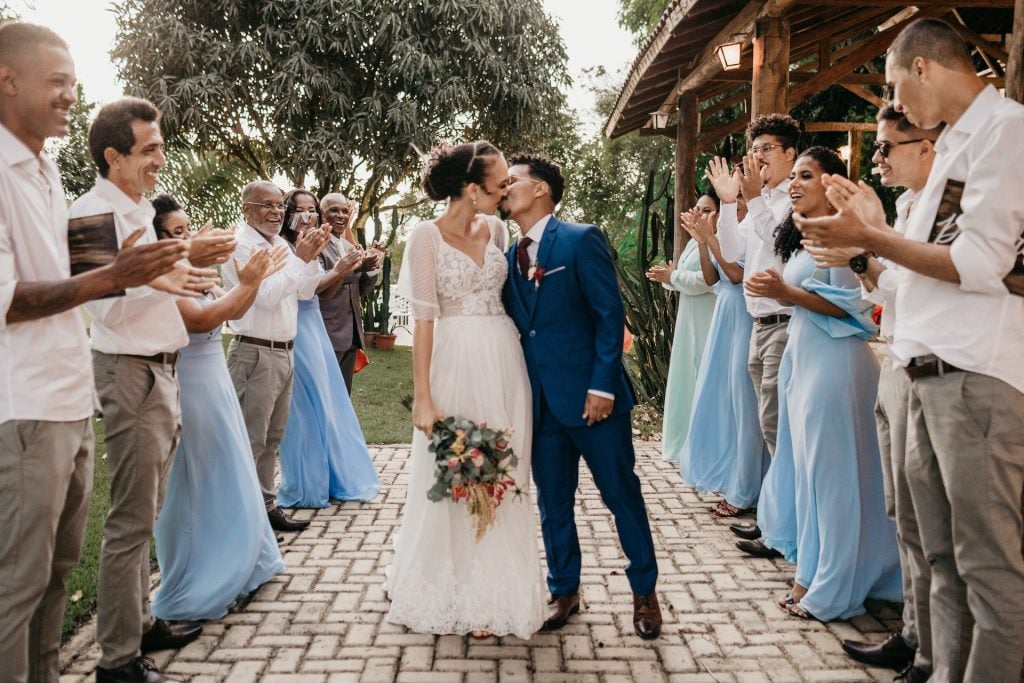
The key is to balance the boldness of the color with the formality of the event and the silhouette of your outfit. A bright color in a classic, elegant cut is generally more appropriate than an overly trendy or revealing garment in an equally loud hue. Your personal brand is about projecting confidence and style, and strategically employing bold colors can achieve this without appearing attention-seeking. Think of it as adding a deliberate, joyful accent to the day’s visual narrative.
Color Combinations and Accessories: Elevating Your Wedding Guest Look
Beyond single-color choices, the interplay of colors in an outfit, and the thoughtful addition of accessories, can significantly elevate your personal brand as a wedding guest. This is where you can truly showcase your individual style while remaining respectful of the occasion.
Harmonizing Colors Within Your Outfit
When building a wedding outfit, consider how different colors within your ensemble interact. A classic approach is to pair a strong color with a neutral. For instance, a navy dress with a blush pink clutch and shoes creates a sophisticated and balanced look. Alternatively, you might opt for a monochromatic look, where different shades and textures of the same color are used. A beautiful example is an outfit in varying shades of green, from an emerald dress to a lighter jade scarf.
For more adventurous guests, color blocking can be a stylish choice. Pairing complementary colors, such as a royal blue and a burnt orange, can create a visually striking and modern look. However, this approach is best suited for less formal weddings and requires a keen eye for balance. The goal is to create a harmonious palette that feels intentional and aesthetically pleasing, rather than haphazard.
The Power of Accessories to Complement and Contrast
Accessories are your secret weapon in refining your wedding guest persona. They allow you to subtly inject personality, adapt to different dress codes, and fine-tune your color choices. A brightly colored pair of heels can transform a neutral dress into a festive ensemble. A metallic clutch, whether gold, silver, or rose gold, adds a touch of glamour and works with almost any color palette.
Jewelry is another powerful tool. Delicate pearls can add timeless elegance to a pastel dress, while statement earrings in vibrant gemstones can bring life to a darker outfit. Consider the overall color scheme of your outfit and the wedding venue when selecting accessories. A wildflower-inspired color palette might call for floral accents, while a grand ballroom wedding might warrant more opulent, gem-toned accessories. The aim is for your accessories to enhance, not detract, from your chosen color narrative.
The Contextual Approach: Adapting Color Choices to Wedding Types
The ideal color palette for a wedding guest is not a one-size-fits-all proposition. Understanding the specific context of the wedding—its formality, time of day, season, and location—allows for more informed and appropriate color choices, ultimately strengthening your personal brand as a considerate and stylish attendee.
Daytime vs. Evening Weddings
Daytime weddings generally lend themselves to lighter, brighter, and more vibrant colors. Think pastels, cheerful brights like coral or yellow, and soft jewel tones. These colors reflect the natural light and contribute to a more relaxed and joyous atmosphere. For a garden wedding or a beach celebration, floral prints and summery hues are particularly appropriate.
Evening weddings, especially those that are more formal, often call for deeper, richer, and more sophisticated colors. Navy, burgundy, emerald green, and deep purples are excellent choices. Black is also widely accepted for evening events. Metallic tones like gold, silver, and bronze are particularly well-suited for evening celebrations, adding a touch of glamour and festivity.
Seasonal Considerations
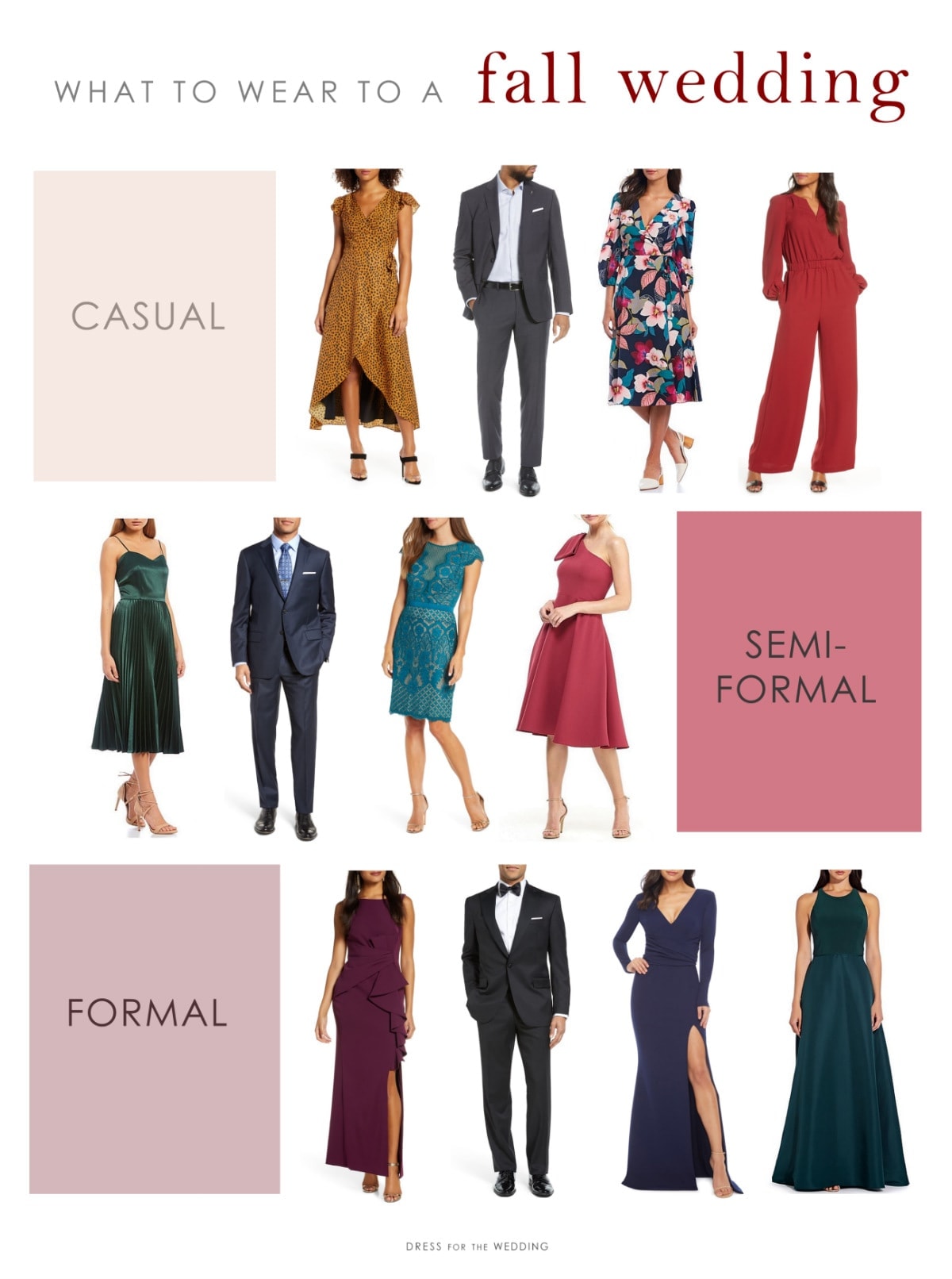
The season of the wedding offers a natural inspiration for color choices. Spring weddings are perfect for pastels, floral prints, and light, airy colors like mint green or soft blues. Summer weddings allow for bold, vibrant hues, vibrant yellows, oranges, and tropical-inspired colors. Autumn weddings can embrace rich, earthy tones such as burgundy, burnt orange, deep reds, and forest greens. Winter weddings are ideal for sophisticated, deep colors, jewel tones, and even metallics, reflecting the cozy and festive nature of the season.
Destination and Themed Weddings
Destination weddings often present unique opportunities to play with color. A wedding in a tropical locale might inspire vibrant, exotic colors, while a rustic countryside wedding might call for more subdued, natural tones. Themed weddings, of course, dictate their own color rules. If the theme is “under the sea,” blues and greens will be paramount. If it’s a vintage Hollywood affair, classic black and white with pops of red might be the way to go. Always consider the overarching theme and location to ensure your attire complements the curated experience.
By thoughtfully considering these contextual factors and aligning your color choices with the overall branding of the wedding itself, you project an image of attentiveness, respect, and impeccable taste. This strategic approach to personal presentation ensures you not only look your best but also contribute positively to the memorable tapestry of the couple’s special day, solidifying your reputation as a considerate and stylish wedding guest.
aViewFromTheCave is a participant in the Amazon Services LLC Associates Program, an affiliate advertising program designed to provide a means for sites to earn advertising fees by advertising and linking to Amazon.com. Amazon, the Amazon logo, AmazonSupply, and the AmazonSupply logo are trademarks of Amazon.com, Inc. or its affiliates. As an Amazon Associate we earn affiliate commissions from qualifying purchases.